
 EN
EN



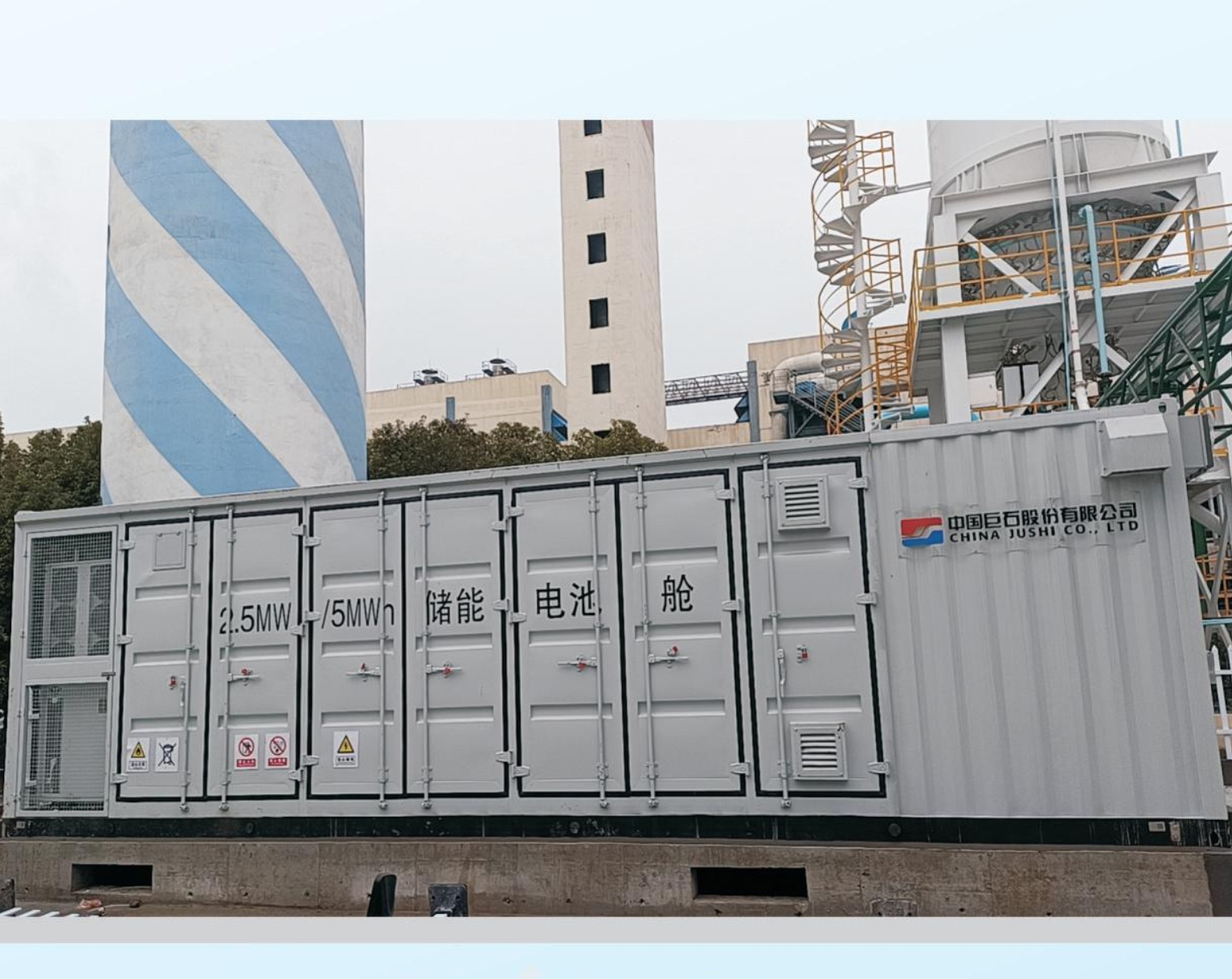
Երբ հաղորդալարի գիծը պետք է անջատվի ստուգման համար, երբ հնացած ենթակառուցվածքը պետք է փոխարինվի կամ երբ անսպասելի խափանումը խաթարում է էլեկտրական հոսանքի հոսքը, ցանցի օպերատորները դիմանում են կրիտիկական մի մարտահրավերի՝ ինչպես ապահովել անընդհատ էլեկտրամատակարարումը, մինչև աշխատանքները կատարվեն։ Հենց այստեղ է կարևոր դեր խաղում մոբիլ ենթակայանները խաղում են անփոխարինելի դեր: Այս ինքնատեղակայվող, տեղափոխելի հզորության վերափոխման միավորները թույլ են տալիս էլեկտրական ցանցերի շահագործողներին արագ վերաուղղել և վերականգնել էլեկտրամատակարարումը, ապահովելով, որ սպասարկման միջոցառումները չեն հանգեցնի արդյունաբերական օբյեկտների, առևտրային շրջանների կամ բնակելի համայնքների երկարատև անջատումների:
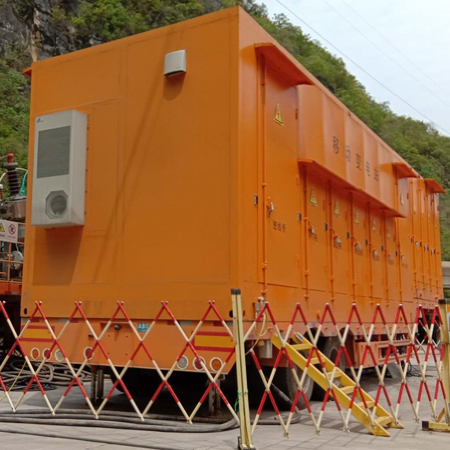
Շարժական ենթակայանների դերը ցանցի սպասարկման գործողություններում հասկանալու համար անհրաժեշտ է դուրս գալ դրանց ֆիզիկական դիզայնից և մտնել այն գործառնական տրամաբանության մեջ, որը դրանց այդքան արժեքավոր է դարձնում: Պլանավորված անջատումների կառավարումից մինչև արտակարգ իրավիճակների արձագանք, շարժական ենթակայանները ծառայում են որպես ճկուն հիմք, որը պահպանում է էլեկտրական ցանցերի աշխատունակությունը նախապես պլանավորված կամ ստիպված կանգավորման ժամանակահատվածներում: Դրանց արագ տեղակայման, տարբեր լարման մակարդակների համար կարգավորման և գոյություն ունեցող ցանցի ենթակառուցվածքին ինտեգրման հնարավորությունը դրանք դարձնում է ժամանակակից էլեկտրական ցանցերի շահագործողների համար ամենագործնական գործիքներից մեկը:
Շարժական ենթակայանների գործառնական դերը պլանավորված սպասարկման ընթացքում
Հնարավորություն է տալիս կատարել պլանավորված անջատումներ՝ առանց սպասարկման ընդհատման
Պլանավորված սպասարկումը ցանկացած էլեկտրական ցանցի համար սովորական անհրաժեշտություն է: Տրանսֆորմատորները, կապակցման սարքավորումները, պաշտպանության ռելեները և կաբելային համակարգերը բոլորն ունեն սահմանված սպասարկման ժամկետներ, որոնք պահանջում են պարբերաբար ստուգում, փորձարկում կամ փոխարինում: Ավարիայի դեպքում աշխատելու հնարավորություն չունենալու դեպքում նույնիսկ ժամանակավորապես անջատել ստացիոնար ենթակայանը նշանակում է կտրել ամբողջ բեռնվածքային գոտու վրա մատակարարվող էլեկտրամատակարարումը: Շարժական ենթակայանները վերացնում են այս սահմանափակումը՝ հանդես գալով որպես ժամանակավոր փոխարինման միավոր, որը միանում է աշխատանքի ժամանակ, երբ մշտական սարքավորումները սպասարկվում են:
Այս գործընթացը սովորաբար ներառում է սպասարկման ժամանակահատվածի սկսվելուց առաջ շարժական ենթակայանի նախնական տեղադրումը վայրի մոտ: Երբ ստացիոնար ենթակայանը անջատվում է, շարժական միավորը միացվում է ցանցին և միացվում է բաշխման ցանցին՝ սպասարկման ընթացքում պահպանելով լարման մակարդակն ու բեռնվածքի հզորությունը: Այս մոտեցումը թույլ է տալիս ինժեներական թիմերին աշխատել առանց ժամանակային ճնշման, որը կարող է առաջանալ սպառողների բողոքների կամ երկարատև անջատումների համար սահմանված կարգավորող տույժերի պատճառով:
Մեծ սպասարկման տարածքներում հինացած ենթակառուցվածքները կառավարող օգտագործողների համար սպասարկման պլանավորումը վստահությամբ՝ իմանալով, որ շարժական ենթակայանները հասանելի են բացը լրացնելու համար, զգալիորեն բարելավում է երկարաժամկետ ակտիվների կառավարման պլանավորումը: Դա սպասարկումը վերածում է ռեակտիվ, խափանող իրադարձությունից վերահսկվող և կանխատեսելի գործողության:
Համաձայնություն ցուցադրում Տրանսֆորմատոր Փոխարինման և մոդերնիզացման նախագծեր
Տրանսֆորմատորի փոխարինումը ցանցի շահագործման ժամանակ ամենաշատ ժամանակատար սպասարկման գործողություններից մեկն է: Մեծ հզորության տրանսֆորմատորների ձեռքբերումը, տեղափոխումը և տեղադրումը կարող է տևել շաբաթներ կամ նույնիսկ ամիսներ: Այս ընթացքում նրանք զբաղեցնող ստորակայանի բաժինը չի կարող իր սովորական ֆունկցիան կատարել: Շրջանային ստորակայանները լրացնում են այս պակասը՝ ապահովելով ժամանակավոր փոխակերպման հզորություն ճիշտ լարման հարաբերակցությամբ, ինչը թույլ է տալիս ցանցին շարունակել նորմալ շահագործումը, մինչև մշտական միավորը փոխարինվի կամ արդիականացվի:
Սա հատկապես կարևոր է էլեկտրական ցանցի ժամանակակիցացման ծրագրեր իրականացնող ծառայությունների համար, որտեղ մի քանի ենթակայաններ կարող են վերակառուցվել հաջորդաբար: Շարժական ենթակայանները կարող են պտտվել մեկ օբյեկտից մյուսը՝ յուրաքանչյուր վերակառուցումից հետո, ինչը մաքսիմալացնում է ակտիվների օգտագործումը և նվազեցնում է խոշոր մասշտաբի ծրագրում անհրաժեշտ միավորների ընդհանուր քանակը: Ստեղծված տրանսպորտային արդյունավետությունը կարևոր շահարկում է ինչպես շահագործման, այնպես էլ ֆինանսական տեսանկյունից:
Ինչպես են շարժական ենթակայանները արձագանքում ավարիայի դեպքում ցանցի արտակարգ պայմաններին
Ավարիայի դեպքերից հետո արագ տեղադրում
Որոշ ցանցային խափանումներ չեն պլանավորված: Սահմանափակ եղանակային երևույթները, սարքավորումների աշխատանքի վարագույրը և ենթակառուցվածքի ֆիզիկական վնասվածքը կարող են աննախատեսելի կերպով դուրս բերել ենթակայանները գործածությունից: Այս դեպքերում արձագանքի արագությունը կարևորագույնն է: Շարժական ենթակայանները նախատեսված են արագ տեղակայման համար, և շատ միավորներ կարող են տեղափոխվել ճանապարհով և միացվել ցանցին՝ տեղ հասնելուց հետո մի քանի ժամվա ընթացքում: Այս արագ արձագանքի հնարավորությունը հիմնարար է շարժական ենթակայանների արտակարգ իրավիճակներում ցանցի սպասարկման գործողությունների աջակցման գործում:
Արտակարգ տեղակայումը սովորաբար հետևում է սահմանված պրոտոկոլի: Իրավիճակի հաստատման և վնասված ենթակայանի ապամիացման դեպքում էլեկտրամատակարարման կազմակերպությունը ուղարկում է շարժական ենթակայան իր ամենամոտ պահեստային կամ ստացիոնար տեղամասից: Հասնելուց հետո միավորը տեղադրվում է, հողավորվում և միացվում է առկա ցանցային ենթակառուցվածքին: Քանի որ շարժական ենթակայանները նախապես փորձարկված են և գործարանում կոնֆիգուրված, դրանց շահագործման սկիզբը տեղում նվազագույն է՝ համեմատած ժամանակավոր ստացիոնար սարքավորումների տեղադրման հետ:
Հնարավորությունը վերականգնելու էլեկտրամատակարարումը ժամերի ընթացքում, այլ ոչ թե օրերի ընթացքում, ունի չափելի հետևանքներ արդյունաբերական սպառողների, հիվանդանոցների, տվյալների կենտրոնների և այլ կրիտիկական բեռնվածություն ունեցող օգտագործողների համար: Էլեկտրամատակարարման կազմակերպությունների համար դա նաև նվազեցնում է երկարատև անջատումների հետ կապված ֆինանսական ռիսկերը, ներառյալ կարգավորող տույժերը և փոխհատուցման պարտավորությունները:
Պահետրային հզորության մատակարարում ցանցի բարձր լարվածության շրջաններում
Սխալի արձագանքից բացի՝ շարժական ենթակայանները կատարում են նաև կանխարգելիչ ֆունկցիա ցանցի բարձր լարվածության շրջաններում: Օրինակ՝ չափազանց բարձր ջերմաստիճանի դեպքերը կարող են տրանսֆորմատորների բեռնվածությունը դուրս բերել անվտանգ սահմաններից, ինչը մեծացնում է ջերմային վթարման հավանականությունը: Շարժական ենթակայանների տեղադրումը ծանր բեռնված ստացիոնար միավորների զուգահեռ թույլ է տալիս վերաբաշխել բեռնվածությունը և նվազեցնել մշտական սարքավորումների վրա գործադրվող ջերմային բեռը, ինչը երկարացնում է դրանց ծառայության ժամկետը և նվազեցնում անսպասելի անջատումների հավանականությունը:
Այս բեռնվածության բաժանման կիրառումը ավելի և ավելի կարևոր է դառնում, քանի որ կլիմայական փոփոխականությունը առաջացնում է ավելի հաճախակի և ինտենսիվ պահանջարկի գագաթներ: Շարժական ենթակայանները ցանցի օպերատորներին տրամադրում են արձագանքող միջոց՝ այդ գագաթների կառավարման համար՝ առանց մշտական ենթակառուցվածքի ընդլայնման վրա ներդրումներ կատարելու, որը կապված է երկար նախապատրաստական ժամանակահատվածների և ավելի բարձր կապիտալ ծախսերի հետ:
Տեխնիկական բնութագրեր, որոնք շարժական ենթակայանները դարձնում են արդյունավետ սպասարկման աջակցության համար
Լարման ճկունություն և կոնֆիգուրացիայի տարբերակներ
Շարժական ենթակայանների մեկը սահմանող տեխնիկական առավելություններից է դրանց կարողությունը կարգավորվելու լայն շրջանակի լարման փոխակերպման հարաբերությունների համար: Կախված ցանցի պահանջներից՝ մեկ շարժական ենթակայանի հարթակը կարող է սարքավորված լինել տարբեր առաջնային և երկրորդային լարման զույգերի համար նախատեսված տրանսֆորմատորներով, ինչը թույլ է տալիս այն սպասարկել փոխանցման և բաշխման հիերարխիայի տարբեր կետերում գտնվող ենթակայաններ: Այս ճկունությունը նշանակում է, որ էներգետիկ ընկերությունը չի պետք ունենա յուրաքանչյուր լարման դասի համար առանձին շարժական միավոր:
Ժամանակակից շարժական ենթակայանները ներառում են նաև ինտեգրված պաշտպանության և կառավարման համակարգեր, այդ թվում՝ շղթայի միացման և անջատման սարքեր, անջատիչներ, չափման սարքավորումներ և SCADA-համատեղելի կապի ինտերֆեյսներ: Սա նշանակում է, որ դրանք կարող են հեռահաղորդակցությամբ վերահսկվել և կառավարվել, ինչը անհրաժեշտ է անվտանգ շահագործման համար սպասարկման ժամանակահատվածներում, երբ վայրում աշխատակազմի թիվը կարող է սահմանափակ լինել: Այս սարքերի ինքնաբավ բնույթը նվազեցնում է ժամանակավոր կաբելավորման և օժանդակ սարքավորումների այն քանակը, որը դաշտային աշխատակազմերը ստիպված են տեղադրել, ինչը հետագայում արագացնում է տեղադրումը:
Համպակտ դիզայն և տրանսպորտային տրամաբանություն
Շարժական ենթակայանները մշակված են ճանապարհային տրանսպորտի կանոնակարգերին համապատասխանելու համար, ինչը հնարավորություն է տալիս դրանք տեղափոխել ստանդարտ ծանր բեռնատար մեքենաներով՝ առանց մեծամասնության իրավասություններում հատուկ թույլտվությունների անհրաժեշտության: Դրանց կոմպակտ մակերեսը թույլ է տալիս դրանք տեղադրել սահմանափակ քաղաքային միջավայրերում, արդյունաբերական տարածքներում կամ գյուղական վայրերում, որտեղ տարածքը սահմանափակ է: Այս ֆիզիկական հարմարեցվողականությունը հիմնական պատճառն է, որի պատճառով շարժական ենթակայանները նախընտրվում են այլ ժամանակավոր միջոցների փոխարեն շատ սպասարկման դեպքերում:
Շարժական ենթակայանների կառուցվածքային դիզայնը նաև հաշվի է առնում կրկնվող տեղափոխման և տեղադրման ցիկլերի մեխանիկական լարվածությունները: Բարձրորակ միավորները ստեղծված են դիմանալու տեղափոխման ընթացքում առաջացող թրթռումներին, ջերմաստիճանի փոփոխություններին և խոնավության ազդեցությանը՝ ապահովելով, որ սարքավորումները կհասնեն վայրին ամբողջությամբ շահագործման վիճակում: Այս դիմացկունությունը անհրաժեշտ է այն ակտիվների համար, որոնք իրենց շահագործման ընթացքում կարող են տեղադրվել տասնյակ անգամ:
Շարժական ենթակայանների ինտեգրումը ցանցի սպասարկման պլանավորման մեջ
Համակարգերի ավարիայի կառավարման հետ համակարգում
Շարժական ենթակայանների արդյունավետ օգտագործումը պահանջում է դրանց ինտեգրում էլեկտրական ցանցի ընդհանուր ավարիայի կառավարման և ակտիվների սպասարկման պլանավորման համակարգերի հետ: Երբ սահմանվում է սպասարկման ժամանակահատված, ավարիայի կառավարման թիմը պետք է գնահատի՝ արդյոք անհրաժեշտ է շարժական ենթակայան, նույնացնի ճիշտ միավորը շարքից, կազմակերպի տրանսպորտային տրամադրությունները և համակարգվի ցանցի կառավարման հետ՝ ապահովելու անվտանգ միացման հաջորդականությունը: Այս պլանավորման գործընթացը սովորաբար սկսվում է շաբաթներ առաջ խոշոր սպասարկման միջոցառումների համար:
Այն ծառայությունները, որոնք պահպանում են շարժական ենթակայանների նվիրված բազա և դրանք ինտեգրում են իրենց ավարիայի պլանավորման աշխատանքային հոսքերի մեջ, համեմատաբար ավելի կարճ սպասարկման պատուհաններ են ձեռք բերում և բարձրացնում են հաճախորդների բավարարվածության միավորները՝ համեմատած այն ծառայությունների հետ, որոնք հիմնված են անկանոն կազմակերպված համաձայնագրերի վրա: Շարժական ենթակայանների առկայությունը որպես ստանդարտ գործիք սպասարկման գործիքավարածության մեջ փոխում է այն հաշվարկը, թե ինչն է գործողականորեն հնարավոր, ինչը հնարավորություն է տալիս իրականացնել ավելի մեծ մասշտաբի սպասարկման ծրագրեր՝ ավարիայի ռիսկի համամասնական աճի առանց:
Շարժական ենթակայանների շահագործման վերաբերյալ վերապատրաստում և անձնակազմի պատրաստվածություն
Մոբիլ ենթակայանների տեխնիկական առավելությունները իրացվում են միայն այն դեպքում, երբ դաշտային աշխատակազմերը ճիշտ են վերապատրաստված դրանք անվտանգ տեղադրելու և շահագործելու համար: Սա ներառում է մոբիլ միավորը միաժամանակ միացնելու կամ այն ստացիոնար ենթակայանի փոխարեն օգտագործելու համար անհրաժեշտ կոնկրետ միացման ընթացակարգերի հասկանալուն, ինչպես նաև դաշտային պայմաններում աշխատելիս միացված մոբիլ սարքավորումների շուրջ անվտանգության սահմանափակումների կատարումը: Պատրաստականության պահպանման կարևոր մաս են կազմում պատրաստական վարժությունները և սիմուլյացիոն վարժանքները:
Այն էլեկտրական ցանցերը, որոնք ներդրում են մոբիլ ենթակայանների շահագործման կառուցվածքավորված վերապատրաստման ծրագրերում, հաղորդում են ավելի քիչ տեղադրման սխալներ, ավելի արագ շահագործման մեկնարկի ժամանակ և բարելավված անվտանգության ցուցանիշներ: Քանի որ մոբիլ ենթակայանները ավելի տեխնիկապես բարդանում են՝ ներառելով թվային պաշտպանության ռելեներ, հեռավար մոնիտորինգի համակարգեր և ավտոմատացված միացման ֆունկցիաներ, այդպես էլ վերապատրաստման պահանջները համապատասխանաբար զարգանում են, ինչը անընդհատ մասնագիտական վարպետության զարգացումը դարձնում է շահագործման անընդհատ առաջնահերթություն:
ՀԱՃԱԽԱԴԵՊ ՏՐՎՈՂ ՀԱՐՑԵՐ
Որ տեսակի սպասարկման գործողություններն են ամենահաճախ պահանջում մոբիլ ենթակայանների օգտագործումը:
Մոբիլ ենթակայանները ամենահաճախ օգտագործվում են տրանսֆորմատորի փոխարինման կամ վերանորոգման, կառավարման սարքավորումների սպասարկման, ենթակայանի քաղաքաշինական աշխատանքների և կաբելների փոխարինման նախագծերի ժամանակ: Դրանք նաև օգտագործվում են ավարիայի դեպքում վթարված կամ անսպասելի ձախողված ստացիոնար ենթակայանի վերականգնման ժամանակ: Ցանկացած սպասարկման գործողություն, որն անհրաժեշտություն է ստեղծում ենթակայանի մեկ բեյի երկարատև անջատման, համապատասխանում է մոբիլ ենթակայանի օգտագործման պայմաններին:
Ինչքան ժամանակ է սովորաբար պահանջվում մոբիլ ենթակայանը տեղադրելու համար օբյեկտում:
Տեղադրման ժամանակը տարբերվում է՝ կախված ստեղծման վայրից հեռավորությունից, տեղամասի մուտքի պայմաններից և անհրաժեշտ ցանցային միացման բարդությունից: Պարզ դեպքերում, երբ տեղամասի մուտքը հեշտ է և միացման կետերը նախապես պատրաստված են, մոբիլ ենթակայանները կարող են միացվել հոսանքի ժամանման պահից 4–8 ժամ անց: Ավելի բարդ դեպքերում, երբ անհրաժեշտ է հատուկ կաբելավորում կամ տեղադրումը կատարվում է դժվար ռելիեֆով տարածքում, տեղադրման ժամանակը կարող է երկարանալ, սակայն նույնիսկ այդ դեպքերում ժամանակահատվածը զգալիորեն կարճ է, քան ժամանակավոր ամրացված ենթակայանների տեղադրման ժամանակը:
Կարո՞ղ են մոբիլ ենթակայանները կրել մշտական ենթակայանի լիարժեք բեռը:
Շարժական ենթակայանները հասանելի են տարբեր հզորության շարքով, և շատ ժամանակակից միավորներ կարող են կառավարել ամբողջ նախատեսված բեռը՝ այն մշտական ենթակայանի, որը դրանք փոխարինում են սպասարկման ժամանակահատվածում: Սակայն կարևոր է համապատասխանեցնել շարժական միավորի հզորությունը այն ցանցի հատվածի իրական բեռնվածության պահանջներին, որը այն կսպասարկի: Էլեկտրական ցանցերը սովորաբար իրականացնում են բեռնվածության գնահատում նախնական տեղադրման պլանավորման գործընթացի մասին, որպեսզի համոզվեն, որ ընտրված շարժական ենթակայանը ճիշտ է գնահատված տվյալ կիրառման համար:
Ինչպե՞ս են շարժական ենթակայանները միանում գոյություն ունեցող ցանցի ենթակառուցվածքին:
Շարժական ենթակայանները միացվում են ցանցին ժամանակավոր բարձր լարման կաբելային միացումների միջոցով, որոնք միացնում են սարքի իզոլյատորները սպասարկման վայրում առկա ցանցի վերջավորման կետերին: Միացման հատուկ եղանակը կախված է լարման մակարդակից, առկա կառավարման սարքավորումներից և վայրի ֆիզիկական դասավորությունից: Շարժական ենթակայանների մեծամասնությունը սարքավորված է ստանդարտացված միացման ինտերֆեյսներով, որոնք համատեղելի են տարածված ցանցային ենթակառուցվածքների հետ, ինչը պարզեցնում է միացման գործընթացը և նվազեցնում է տեղադրման ժամանակ համատեղելիության խնդիրների առաջացման հավանականությունը:
Բովանդակության ցուցակ
- Շարժական ենթակայանների գործառնական դերը պլանավորված սպասարկման ընթացքում
- Ինչպես են շարժական ենթակայանները արձագանքում ավարիայի դեպքում ցանցի արտակարգ պայմաններին
- Տեխնիկական բնութագրեր, որոնք շարժական ենթակայանները դարձնում են արդյունավետ սպասարկման աջակցության համար
- Շարժական ենթակայանների ինտեգրումը ցանցի սպասարկման պլանավորման մեջ
-
ՀԱՃԱԽԱԴԵՊ ՏՐՎՈՂ ՀԱՐՑԵՐ
- Որ տեսակի սպասարկման գործողություններն են ամենահաճախ պահանջում մոբիլ ենթակայանների օգտագործումը:
- Ինչքան ժամանակ է սովորաբար պահանջվում մոբիլ ենթակայանը տեղադրելու համար օբյեկտում:
- Կարո՞ղ են մոբիլ ենթակայանները կրել մշտական ենթակայանի լիարժեք բեռը:
- Ինչպե՞ս են շարժական ենթակայանները միանում գոյություն ունեցող ցանցի ենթակառուցվածքին: