
 EN
EN



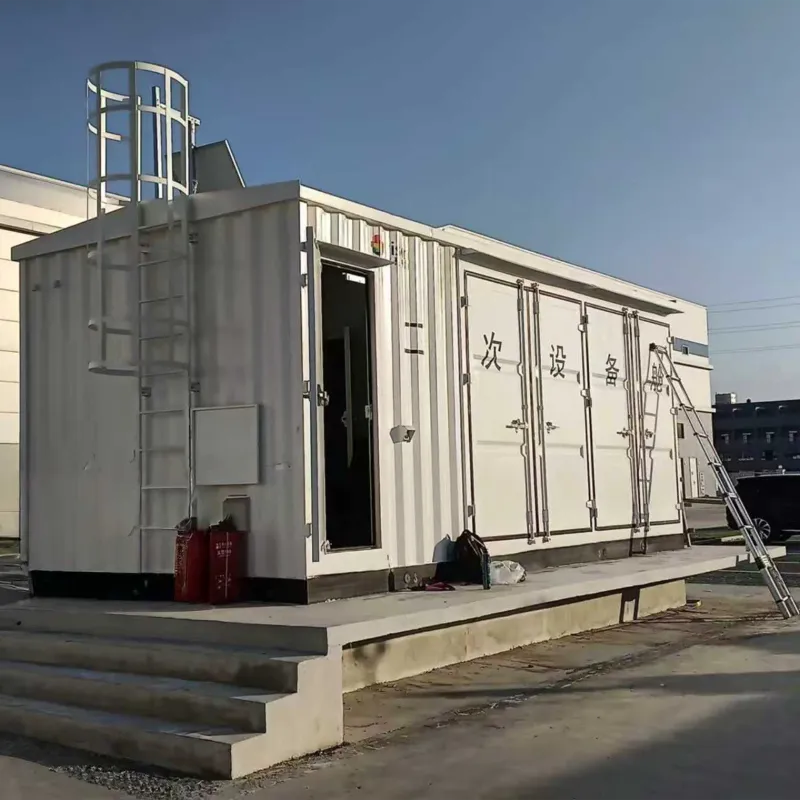
Коли інженери та керівники проектів планують електричні підстанції, промислові диспетчерські пункти або віддалені точки розподілу електроенергії, одне з перших рішень, з якими вони стикаються, — це те, що саме розміщуватиметься всередині корпусу. модульні будинки стали стандартним рішенням у енергетичних компаніях, проектах відновлюваних джерел енергії та важкій промисловості саме тому, що вони поставляються на місце як повністю інтегровані одиниці — з містять тщательно підібраний набір електричних і механічних систем, які в іншому випадку вимагали б місяців монтажу на місці. Розуміння того, яке обладнання зазвичай розміщується всередині цих конструкцій, допомагає командам закупівель, інженерам-проектувальникам об’єктів та планувальникам об’єктів приймати кращі рішення щодо технічних специфікацій, планування розташування та довготривалого технічного обслуговування.
Внутрішня конфігурація обладнання збірних кабін залежить від сфери їх застосування — чи це компактна підстанція, корпус кільцевого розподільного пристрою, корпус для акумуляторної системи накопичення енергії чи укриття для промислової автоматизації. Однак певні категорії обладнання зустрічаються постійно в більшості випадків його використання. У цій статті розглядаються ці основні типи обладнання, пояснюються їх функціональні ролі та акцентується увага на логіці інтеграції, завдяки якій збірні кабіни стають надзвичайно ефективним форматом поставки складної електричної інфраструктури.
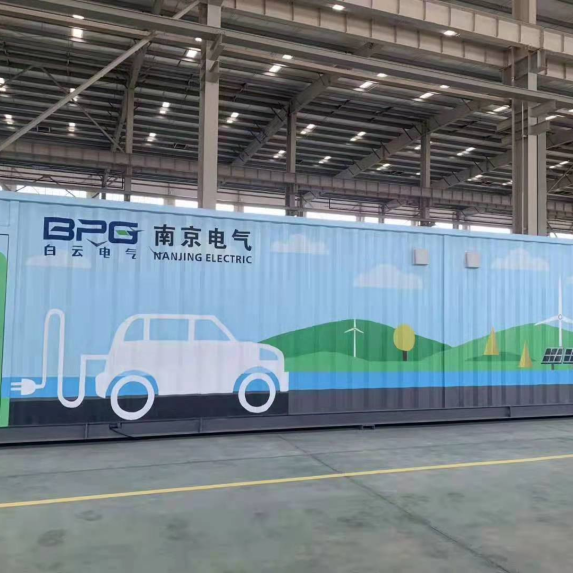
Основне комутаційне обладнання та обладнання розподілу електроенергії
Комутаційне обладнання високої та середньої напруги
Найбільш фундаментальним елементом обладнання всередині більшості збірних кабін є комплект комутаційного обладнання. У застосуваннях середньої напруги — зазвичай в діапазоні від 6 кВ до 40,5 кВ — це означає газоізольоване комутаційне обладнання (GIS) або повітряне ізольоване комутаційне обладнання (AIS), яке контролює потік електричної енергії в кабіну та з неї. Ці панелі містять автоматичні вимикачі, роз’єднувачі, заземлювальні вимикачі та струмові трансформатори, усі вони інтегровані в компактну металеву герметичну конструкцію.
Технологія GIS особливо поширена у збірних кабінах, оскільки її герметична конструкція з газовим заповненням усуває потребу в великих повітряних проміжках, що дозволяє розмістити весь комплект комутаційного обладнання в значно меншому просторі. Саме це є однією з основних причин того, що збірні кабіни можна виготовляти в контрольованому заводському середовищі й поставляти як готові до підключення до мережі одиниці. Комутаційне обладнання перед виходом із виробничого підприємства попередньо підключається, попередньо тестується та узгоджується з конструктивними розмірами кабіни.
Для розподілу низької напруги у передньо змонтованих кабінах часто встановлюють розподільні щити низької напруги або центри керування електродвигунами (MCC), які керують вихідними фідерними ланцюгами до споживачів, таких як освітлення, системи опалення, вентиляції та кондиціонування повітря (HVAC), допоміжні системи та прилади. Ці щити, як правило, монтують на спеціальних стінових панелях або в окремих секціях усередині кабіни, забезпечуючи чітке розділення зон високої та низької напруги задля безпеки й зручності обслуговування.
Силові трансформатори та сухі трансформатори
Багато передньо змонтованих кабін проектують як повні компактні підстанції, тобто вони мають трансформатор, розміщений безпосередньо всередині корпусу або в суміжній секції. Сухі трансформатори є переважним варіантом для внутрішніх установок у кабінах, оскільки вони усувають ризик пожежі, пов’язаний із маслонаповненими пристроями, і не потребують інфраструктури для утримання масла. Крім того, їх простіше обслуговувати в обмежених за розмірами приміщеннях.
Трансформатор знижує напругу від вхідної середньої напруги до низької напруги, необхідної для обладнання нижчого рівня та кінцевих споживачів. У добре спроектованій збірній кабіні трансформатор розміщено так, щоб забезпечити природну або примусову вентиляцію, а жалюзі або вентилятори інтегровано в стіни кабіни для управління відведенням тепла. Датчики температури, підключені до системи моніторингу кабіни, надають дані про температуру в реальному часі й можуть спрацьовувати тривожні сигнали або автоматично зменшувати навантаження, якщо температура перевищує безпечні порогові значення.
Системи захисту, обліку та керування
Панелі реле захисту та автоматизації
Реле захисту є важливими компонентами всередині збірних кабін, що використовуються для розподілу електроенергії. Ці інтелектуальні електронні пристрої постійно контролюють електричні параметри — струм, напругу, частоту та коефіцієнт потужності — і видають команди на відключення автоматичних вимикачів у разі виявлення аварійних режимів. Сучасні цифрові реле об’єднують у собі кілька функцій захисту в одному пристрої, зокрема захист від перевантаження, виявлення замикання на землю, диференційний захист та відстаневий захист, залежно від конкретного застосування.
У більш просунутих збірних кабінах реле захисту інтегровані в блок керування секцією (BCU), який також виконує локальні функції автоматизації, такі як блокування, послідовності комутації та реєстрація подій. Такий рівень інтеграції зменшує складність електропроводки й спрощує пусконалагодження кабіни на місці. BCU, як правило, взаємодіє з віддаленою системою SCADA за протоколами IEC 61850 або DNP3, що дозволяє операторам контролювати й керувати кабіною з центрального диспетчерського пункту.
Панелі автоматизації всередині збірних кабін також можуть включати програмовані логічні контролери (PLC) для застосувань, що вимагають спеціалізованої логіки керування, наприклад, інтеграції відновлюваних джерел енергії, управління акумуляторними батареями або підстанцій у процесних галузях. PLC попередньо програмуються на заводі й перевіряються в повному складі системи перед відправленням, що значно скорочує час пусконалагодження на місці.
Вимірювальне та розрахункове обладнання
Точне облікове вимірювання є регуляторним і комерційним вимогами у більшості застосувань у сфері розподілу електроенергії. Зазвичай у готових до монтажу кабінах передбачено спеціальні панелі обліку, що містять енергомірники класу точності для комерційного обліку, трансформатори струму (ТС) та трансформатори напруги (ТН), які забезпечують вхідні сигнали для вимірювання. Ці лічильники реєструють активну енергію, реактивну енергію, потужність у піковий період та параметри якості електроенергії, а також часто оснащені комунікаційними портами для дистанційного зчитування даних.
У застосуваннях із підключенням до мережі облікове обладнання всередині готових до монтажу кабін має відповідати національним або регіональним стандартам щодо класу точності й стійкості до несанкціонованого втручання. Інтеграція на заводі забезпечує правильне узгодження коефіцієнтів трансформації ТС і ТН із вхідним діапазоном лічильника та перевірку всіх електричних з’єднань до виїзду кабіни з виробничого підприємства. Це усуває поширене джерело помилок обліку, які можуть виникнути при окремому монтажі та підключенні обладнання на об’єкті.
Допоміжне живлення, системи безперебійного живлення (БЖ) та акумуляторні системи
Джерело постійного струму та системи безперебійного живлення
Надійне допоміжне живлення є критично важливим для систем захисту та керування всередині збірних кабін. Спеціалізована система живлення постійним струмом — зазвичай робоча напругою 110 В постійного струму або 220 В постійного струму — забезпечує резервне живлення реле, спускових котушок вимикачів, обладнання зв’язку та аварійного освітлення. Ця система складається з зарядного пристрою для акумуляторів, акумуляторної батареї та розподільного щита постійного струму, усі компоненти якої розміщені всередині кабіни.
Акумуляторна батарея розрахована так, щоб забезпечити повну функціональність систем захисту та керування протягом визначеного періоду — зазвичай від двох до восьми годин — у разі відмови мережі змінного струму. Акумулятори з регульованим клапаном на основі свинцю (VRLA) є найпоширенішим вибором завдяки їхньому безобслуговому режиму роботи та компактним габаритам, хоча в сучасних збірних кабінах, де вимоги до обмеженого простору та маси є більш жорсткими, все частіше використовують системи акумуляторів на основі літію.
Для застосувань, де неперервна наявність змінного струму є критично важливою, готові до встановлення кабіни також можуть включати модуль ІБП, який захищає чутливе електронне обладнання від перерв у подачі електроенергії, провалів напруги та гармонійних спотворень. ІБП, як правило, встановлюється в спеціальному стійку або панелі всередині кабіни й підключається одночасно до системи постійного струму з акумуляторами та до розподільного щита змінного струму.
Заземлювальне та захисне від імпульсних перенапружень обладнання
Ефективне заземлення в готових до встановлення кабінах не є опціональним — це фундаментальна вимога щодо безпеки та ефективності роботи. Внутрішня система заземлення кабіни з’єднує всі металеві корпуси, рами обладнання, кабельні лотки та корпуси комутаційного обладнання зі спільною шиною заземлення, яка, у свою чергу, з’єднана з зовнішньою заземлювальною сіткою на місці встановлення. Таке зрівнювання потенціалів запобігає небезпечним напругам дотику під час аварійних ситуацій і забезпечує правильну роботу захисних реле.
Устройства захисту від імпульсних перенапруг (SPD) встановлюються на вхідних клемах електроживлення та на межах між внутрішніми системами кабіни й зовнішніми кабелями зв’язку або сигналізації. Ці пристрої обмежують тимчасові перенапруги, спричинені блискавками або комутаційними операціями, забезпечуючи захист чутливих електронних компонентів від пошкодження. У збірних кабінах, розміщених у відкритих зовнішніх зонах — наприклад, у підстанціях вітрових електростанцій або на віддалених гірничих об’єктах — захист від імпульсних перенапруг є особливо важливим аспектом проектування.
Системи контролю навколишнього середовища та безпеки
Обладнання для кондиціювання повітря та вентиляції
Підтримка правильних внутрішніх температури та вологості є обов’язковою умовою надійної роботи електричного обладнання всередині збірних кабін. Більшість кабін оснащені системою кондиціювання повітря (HVAC), що включає кондиціонери, вентилятори та нагрівальні елементи, які підбираються та розраховуються за потужністю з урахуванням теплового навантаження, створюваного встановленим обладнанням, та кліматичних умов у місці розміщення.
Система опалення, вентиляції та кондиціювання повітря (HVAC) у збірних кабінах, як правило, керується спеціальним термостатом або системою управління будівлею (BMS) кабіни, яка відстежує показники датчиків температури й вологості, розташованих по всьому внутрішньому просторі. Автоматична логіка керування забезпечує вмикання охолодження, коли внутрішня температура піднімається вище заданого значення, а також вмикання опалення для запобігання конденсації під час холодної погоди. Належне регулювання навколишнього середовища значно подовжує термін служби комутаційного обладнання, трансформаторів та електронних компонентів.
Проектування вентиляції в збірних кабінах має також враховувати тепло, що виділяється сухими трансформаторами та силовою електронікою. Примусова вентиляція з фільтрованими повітрозабірниками запобігає проникненню пилу й одночасно забезпечує достатній об’єм повітряного потоку. У пилових або корозійних середовищах — наприклад, у пустельних підстанціях або прибережних установках — застосування покращених систем фільтрації та герметичних корпусів для чутливого обладнання є загальноприйнятою практикою.
Системи виявлення та гасіння пожеж
Пожежна безпека є обов’язковим аспектом при проектуванні збірних кабін, зокрема тих, у яких розміщуються трансформатори, акумуляторні батареї або силова електроніка. Детектори диму та теплові детектори встановлено по всьому внутрішньому просторі кабіни й підключено до панелі сигналізації, яка може спрацьовувати локальні звукові сигнали тривоги та надсилати віддалені сповіщення до центру моніторингу. Раннє виявлення є критичним, оскільки електричні пожежі можуть швидко посилюватися в замкнених приміщеннях.
У застосуваннях із підвищеним ризиком збірні кабіни можуть оснащуватися автоматичними системами гасіння пожеж за допомогою чистих газоподібних вогнегасних агентів, таких як FM-200 або Novec 1230. Ці системи випускають гасильний газ у весь внутрішній простір кабіни протягом кількох секунд після виявлення пожежі, загасаючи її без пошкодження електричного обладнання та без залишення залишків, що ускладнили б відновлення після інциденту. Система гасіння інтегрована з керуючою панеллю кабіни й може бути налаштована так, щоб автоматично вимикати обладнання перед випуском гасильного агента.
Системи контролю доступу та виявлення несанкціонованого проникнення також часто встановлюють у збірних кабінах, розміщених у безлюдних або віддалених місцях. Електронні замки дверей, датчики руху та камери відеоспостереження забезпечують фізичну безпеку й генерують сповіщення при спробі несанкціонованого доступу. Ці системи підключені до комунікаційної інфраструктури кабіни, що дозволяє реєструвати події безпеки та передавати їх на віддалену платформу моніторингу.
Комунікаційна та віддалена система моніторингу
Комунікаційні панелі та мережеве обладнання
Сучасні збірні кабіни проектуються з метою віддаленого моніторингу та керування, що вимагає надійної комунікаційної інфраструктури, встановленої всередині кабіни. До неї зазвичай входять промисловий комутатор Ethernet, панелі для з’єднання оптоволоконних кабелів, перетворювачі послідовної комунікації та комунікаційний шлюз, який збирає дані з реле захисту, лічильників, програмованих логічних контролерів (PLC) та датчиків навколишнього середовища й передає їх на віддалену систему SCADA або систему управління енергоспоживанням.
Обладнання для зв’язку в збірних кабінах монтується в спеціальному стійку або на панелі, як правило, у окремій зоні низької напруги, розташованій окремо від обладнання високої напруги. Для підключень між зонами високої та низької напруги використовуються оптоволоконні кабелі, щоб забезпечити гальванічну ізоляцію й стійкість до електромагнітних перешкод. Архітектура системи зв’язку, як правило, проектується та тестується на заводі, а всі IP-адреси, параметри протоколів і відповідності точок даних налаштовуються до відправлення.
Одиниці віддаленого керування та інтеграція з SCADA
Блок віддаленого керування (RTU) або шлюз інтелектуального електронного пристрою (IED) виступає як центральний концентратор даних у збірних кабінах. Він збирає сигнали стану, вимірювання та тривожні повідомлення від усього встановленого обладнання й надає ці дані системі SCADA за допомогою стандартних протоколів, таких як IEC 60870-5-104, IEC 61850 або Modbus TCP. RTU також отримує команди керування від системи SCADA й передає їх відповідним пристроям на місці.
Інтеграція блоків RTU та засобів зв’язку всередині збірних кабін на етапі виробництва на заводі є однією з найважливіших переваг цього формату поставки. Замість налаштування систем зв’язку безпосередньо на об’єкті — процесу, який вимагає багато часу й схильний до помилок — повна модель даних створюється, тестується та перевіряється в контролюваному заводському середовищі. Коли кабіна прибуває на об’єкт, інтеграція з системою SCADA може бути завершена за години, а не за дні.
ЧаП
Які типи комутаційного обладнання найчастіше використовуються всередині збірних кабін?
Газоізольоване комутаційне обладнання (GIS) та повітряне ізольоване комутаційне обладнання (AIS) використовуються всередині збірних кабін; при цьому GIS є поширенішим у компактних підстанціях через менші габаритні розміри. Вибір залежить від рівня напруги, наявного простору, умов навколишнього середовища та бюджету. Більшість збірних кабін середньої напруги в діапазоні від 10 кВ до 35 кВ використовують GIS або кільцеві розподільні пристрої (RMU) як основне комутаційне обладнання.
Чи можуть збірні кабіни містити в одній конструкції як високовольтне, так і низьковольтне обладнання?
Так, багато готових кабін проектуються як інтегровані компактні підстанції, у яких розміщено як обладнання середньої напруги, так і низьковольтні розподільні щити в межах однієї конструкції, розділені фізичними перегородками та чітко визначеними зонами безпеки. Такий інтегрований підхід зменшує загальну площу, яку займає підстанція, і спрощує цивільні роботи на місці. Наявність належного розділення, блокування та маркування є обов’язковою умовою для забезпечення безпечного експлуатаційного режиму та доступу до обладнання під час технічного обслуговування.
Як контролюється внутрішнє середовище готових кабін для захисту чутливого обладнання?
У готових до монтажу кабінах використовують комбінацію кондиціонування повітря, примусової вентиляції, опалення та контролю вологості для підтримання внутрішнього середовища в межах робочих параметрів, встановлених для встановленого обладнання. Датчики температури та вологості, підключені до системи управління будівлею або контролера системи опалення, вентиляції та кондиціонування повітря, забезпечують автоматичне регулювання. У складних кліматичних умовах додатковий захист забезпечується за рахунок покращеної теплоізоляції, нагрівальних елементів проти конденсації та герметичних корпусів для електронного обладнання.
Чи підлягає обладнання та системи всередині готових до монтажу кабін випробуванню перед поставкою?
Заводське приймальне випробування (FAT) є стандартною частиною виробничого процесу для збірних кабін. Під час FAT усі встановлені пристрої підключаються до електроживлення й перевіряються як інтегрована система, зокрема робота комутаційного обладнання, налаштування захисних реле, точність вимірювальних приладів, робота каналів зв’язку, ефективність систем опалення, вентиляції та кондиціонування повітря (HVAC) та функціональність систем виявлення пожежі. Це комплексне випробування на заводському етапі значно зменшує ризик затримок під час введення в експлуатацію та виявлення дефектів на місці.
Зміст
- Основне комутаційне обладнання та обладнання розподілу електроенергії
- Системи захисту, обліку та керування
- Допоміжне живлення, системи безперебійного живлення (БЖ) та акумуляторні системи
- Системи контролю навколишнього середовища та безпеки
- Комунікаційна та віддалена система моніторингу
-
ЧаП
- Які типи комутаційного обладнання найчастіше використовуються всередині збірних кабін?
- Чи можуть збірні кабіни містити в одній конструкції як високовольтне, так і низьковольтне обладнання?
- Як контролюється внутрішнє середовище готових кабін для захисту чутливого обладнання?
- Чи підлягає обладнання та системи всередині готових до монтажу кабін випробуванню перед поставкою?