Versatile Applications and Flexible Installation Options
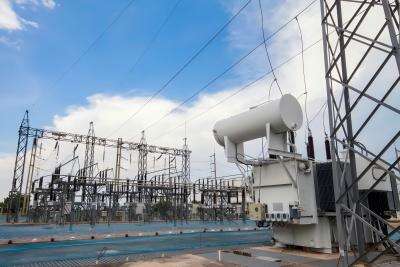
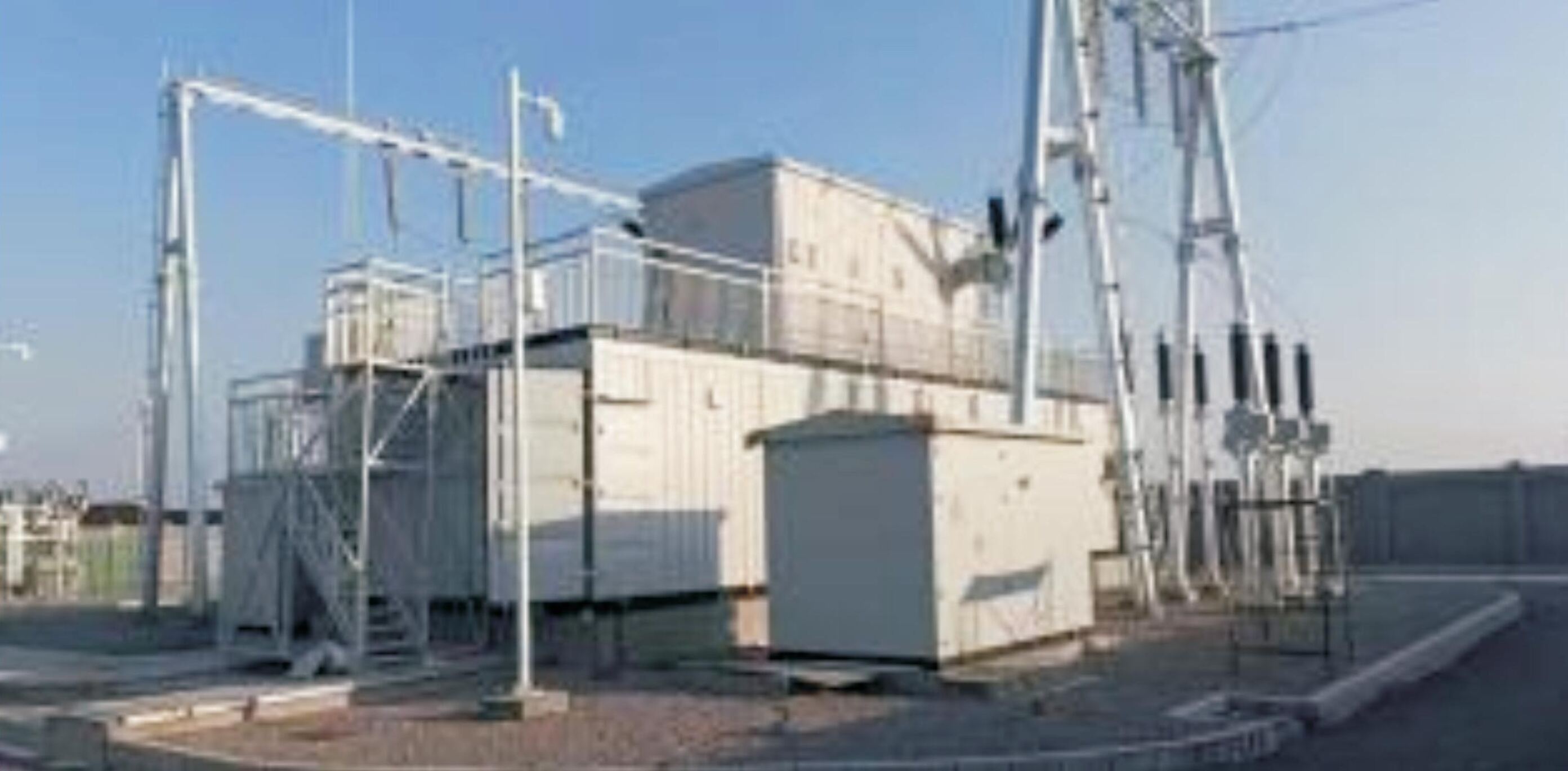
The 240v transformer demonstrates remarkable versatility through its ability to serve diverse applications across residential, commercial, and industrial sectors, making it an essential component for various electrical infrastructure needs. Residential applications include powering high-demand appliances such as electric water heaters, central air conditioning systems, electric ranges, clothes dryers, and hot tubs, providing the necessary 240-volt supply for optimal equipment performance. Commercial facilities utilize 240v transformer units to support HVAC systems, restaurant equipment, manufacturing machinery, and specialized lighting systems that require higher voltage levels than standard 120-volt circuits can provide. Industrial applications encompass motor drives, welding equipment, processing machinery, and automated production systems that depend on reliable 240-volt power for efficient operation. The flexible installation options accommodate various mounting configurations including pad-mounted outdoor installations, pole-mounted utility applications, and indoor wall-mounted or floor-standing units that adapt to specific space constraints and environmental requirements. Weatherproof enclosures enable outdoor installations in harsh environmental conditions, featuring corrosion-resistant materials and sealed designs that protect against moisture, dust, and temperature extremes. Modular designs allow multiple 240v transformer units to be connected in parallel or series configurations, providing scalable power solutions that can expand with growing electrical demands. Custom voltage configurations accommodate special applications requiring non-standard output voltages, with tap changing capabilities that allow fine-tuning of output voltage levels to match specific equipment requirements. The compact form factors of many 240v transformer models optimize space utilization in crowded electrical rooms and utility areas, while maintaining substantial power handling capabilities. Remote monitoring capabilities in advanced units enable centralized control and diagnostics through communication interfaces, supporting modern facility management systems and predictive maintenance programs. The standardized mounting dimensions and connection interfaces facilitate easy integration with existing electrical infrastructure and simplify future upgrades or replacements.
 ×
×

 EN
EN