Cost-Effective Installation and Maintenance Benefits
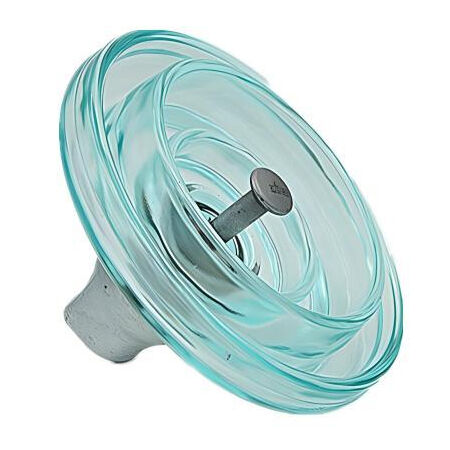
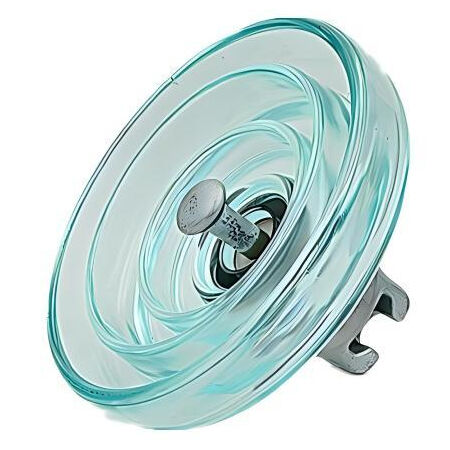
The cost-effective nature of blue glass insulators extends far beyond their initial purchase price, encompassing significant advantages in installation procedures, maintenance requirements, and long-term operational costs that make them an economically superior choice for electrical applications. These insulators offer substantial cost savings through their straightforward installation process, standardized dimensions, and minimal ongoing maintenance needs, resulting in lower total ownership costs compared to alternative insulating technologies. The installation advantages of blue glass insulators begin with their standardized mounting configurations and dimensions, which have been refined over decades of use to ensure compatibility with existing hardware and support structures. This standardization eliminates the need for specialized tools, custom hardware, or extensive training for installation personnel, reducing both material costs and labor expenses. The proven mounting methods for glass insulators have been thoroughly tested in field applications, providing installers with confidence in established procedures that minimize installation time and reduce the potential for costly errors. The mechanical properties of glass insulators facilitate efficient handling and installation, as their weight and balance characteristics allow for predictable lifting and positioning using standard utility equipment. The robust construction of blue glass insulators provides excellent mechanical strength, with typical failing loads exceeding 10,000 pounds for standard distribution voltage units, ensuring adequate safety margins for normal installation and service conditions. This mechanical reliability reduces the risk of damage during installation or subsequent maintenance activities, minimizing replacement costs and service interruptions. The maintenance benefits of blue glass insulators represent their most significant economic advantage, as these components typically require minimal attention throughout their service life. The self-cleaning properties of glass surfaces, combined with their resistance to environmental degradation, eliminate the need for regular cleaning or treatment that might be required with other insulating materials. When maintenance or inspection becomes necessary, the visual characteristics of glass allow for quick assessment of insulator condition, as cracks, chips, or other damage are readily apparent to maintenance personnel. The predictable performance characteristics of blue glass insulators enable utilities to implement efficient preventive maintenance programs based on established replacement intervals rather than condition-based monitoring systems that require specialized equipment and expertise. This predictability allows for better planning of maintenance activities, inventory management, and resource allocation, resulting in reduced operational costs and improved system reliability through proactive component replacement before failures occur.
 ×
×


 EN
EN