glass power insulators
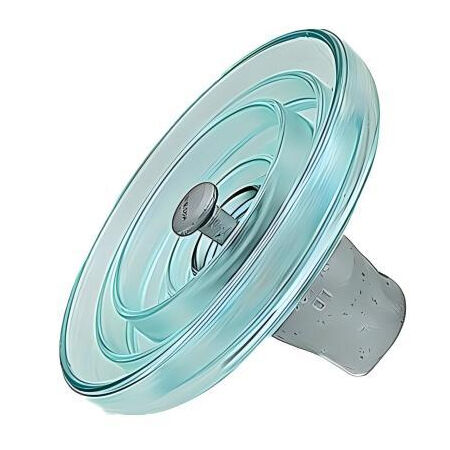
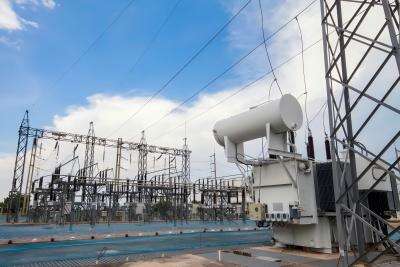
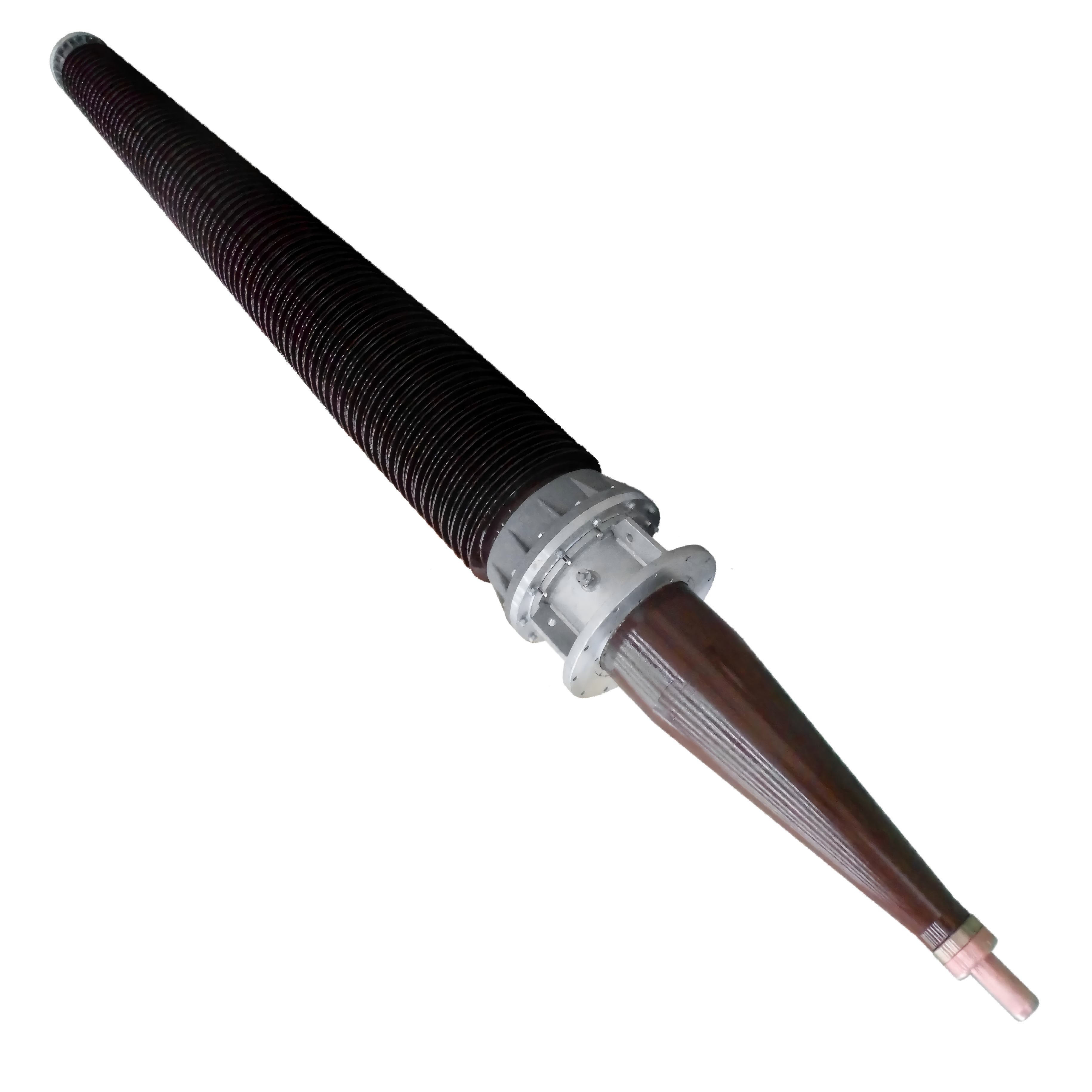
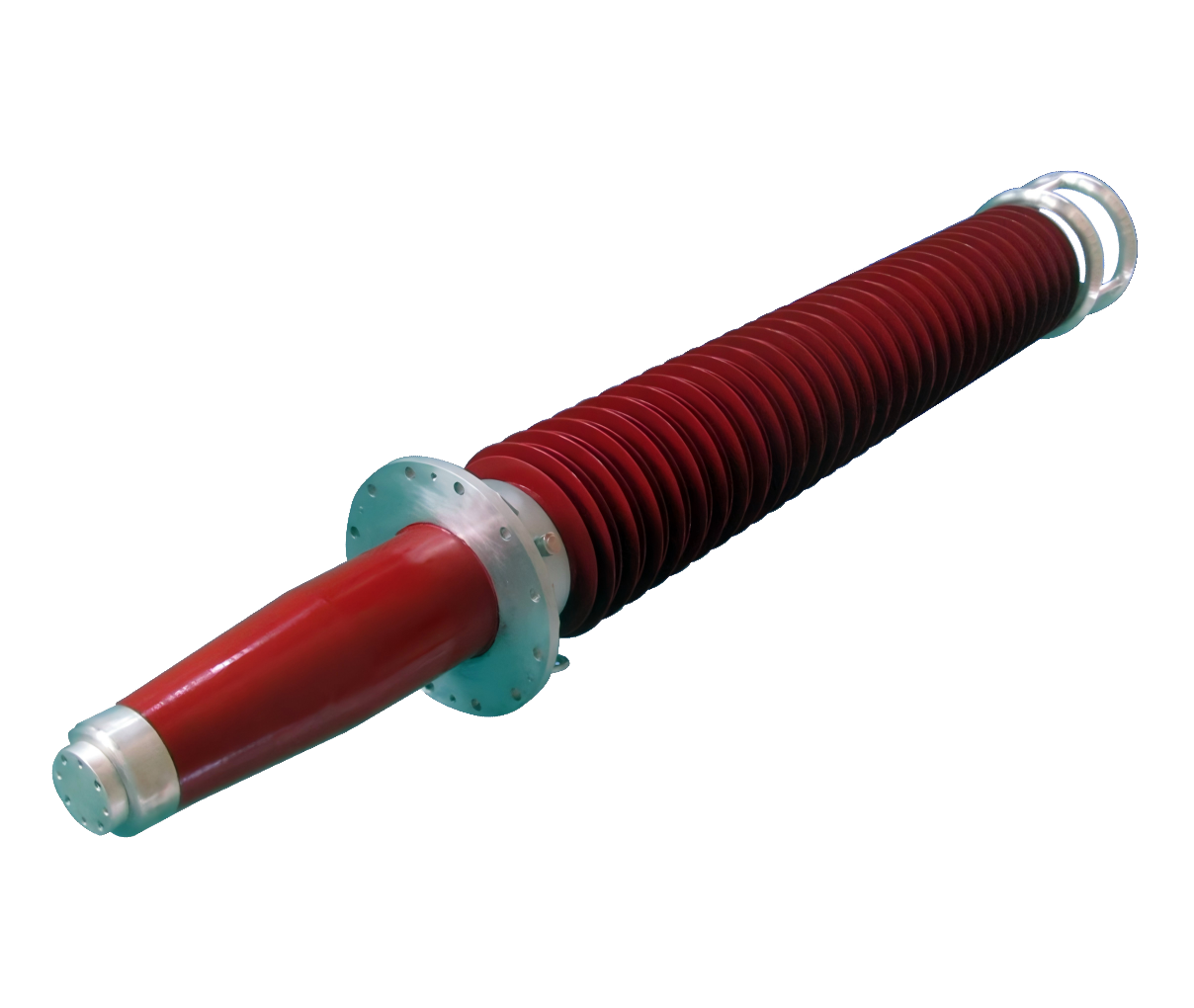
Glass power insulators represent a critical component in electrical transmission and distribution systems, designed to provide reliable isolation between energized conductors and grounded structures. These specialized devices utilize tempered glass materials to create an effective barrier that prevents electrical current from flowing where it should not, ensuring safe and efficient power delivery across various voltage levels. The primary function of glass power insulators centers on maintaining electrical separation while supporting the mechanical loads imposed by overhead power lines, transmission cables, and distribution equipment. These insulators must withstand extreme weather conditions, including temperature fluctuations, moisture, pollution, and mechanical stress from wind and ice loading. The technological foundation of glass power insulators relies on carefully engineered glass compositions that provide exceptional dielectric strength and mechanical durability. Manufacturing processes involve precise molding techniques that create uniform wall thickness and optimal surface profiles for maximum performance. The glass material undergoes thermal tempering processes that significantly enhance its mechanical strength compared to standard glass products. Surface treatments and coatings may be applied to improve performance under contaminated conditions or specific environmental challenges. Glass power insulators find extensive applications across multiple sectors of the electrical industry, including high-voltage transmission lines, medium-voltage distribution networks, substations, and industrial facilities. They serve essential roles in overhead line construction, supporting conductors at appropriate clearances from towers and poles. In substation applications, these insulators provide critical isolation for switchgear, transformers, and other electrical equipment. The versatility of glass power insulators makes them suitable for both indoor and outdoor installations, with specific designs optimized for different environmental conditions and voltage requirements. Their robust construction ensures long-term reliability in demanding electrical environments where consistent performance is essential for grid stability and safety.
 ×
×


 EN
EN