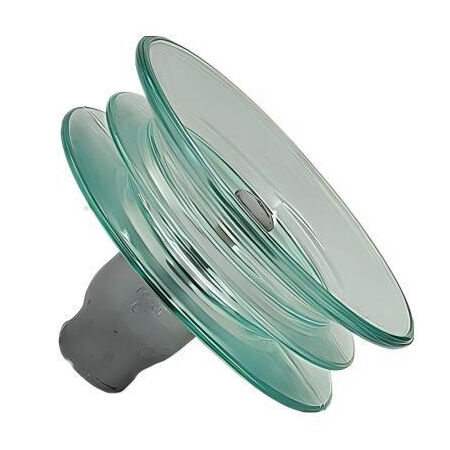
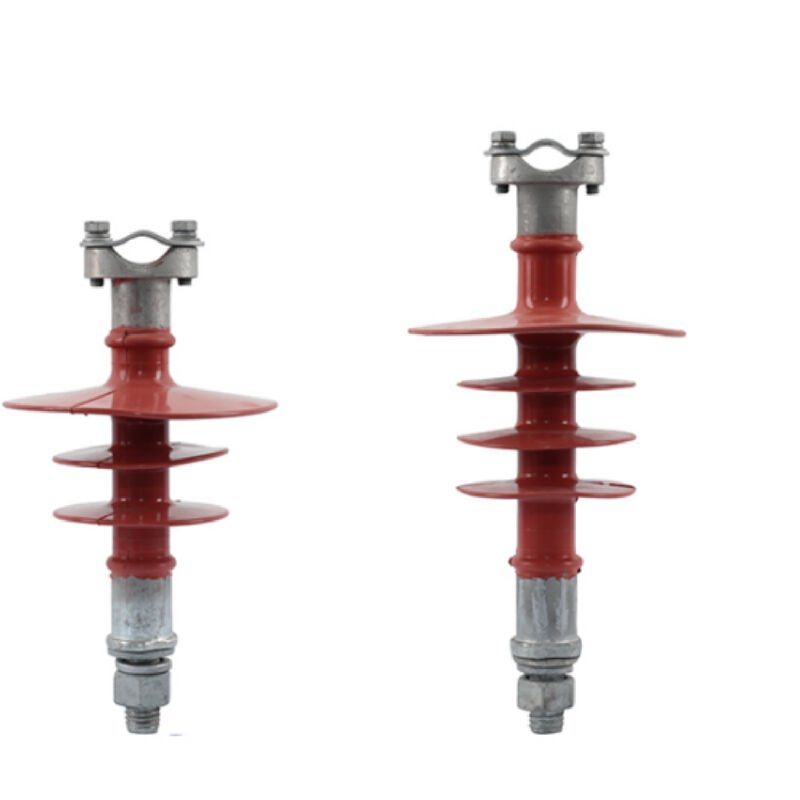
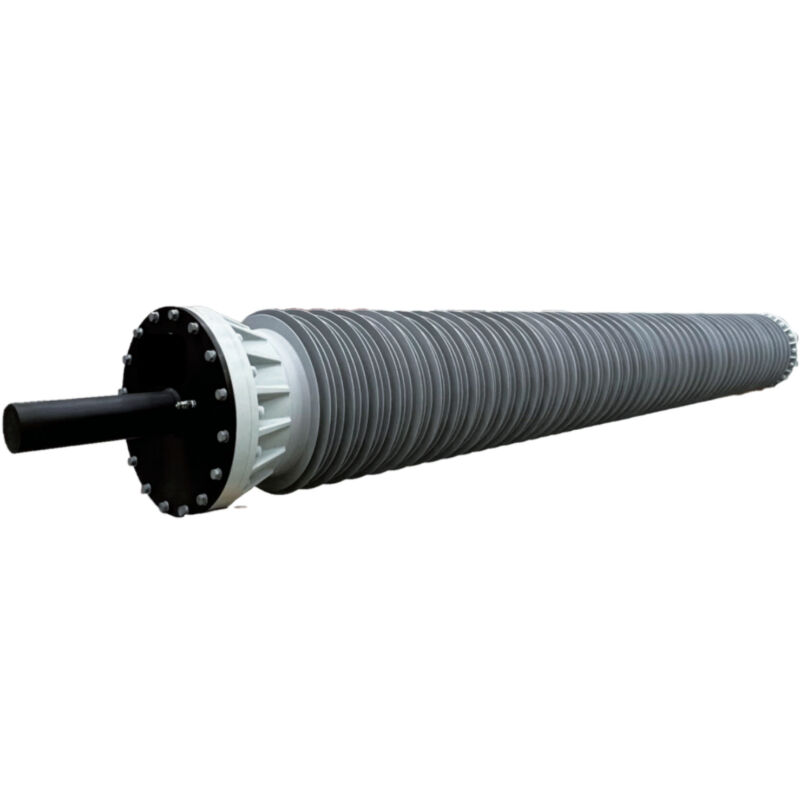
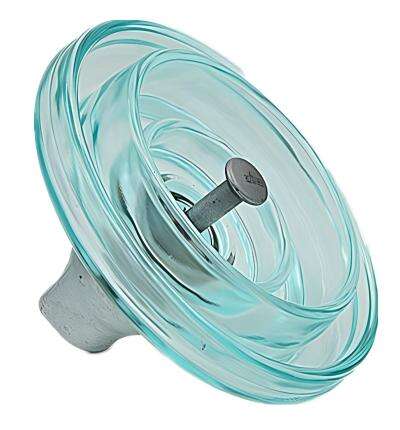
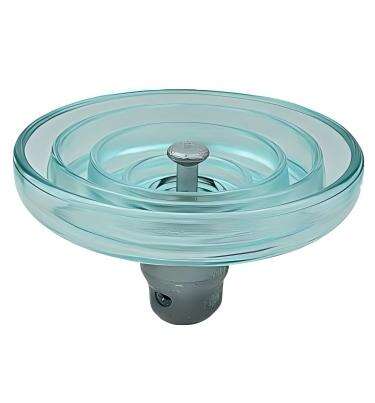
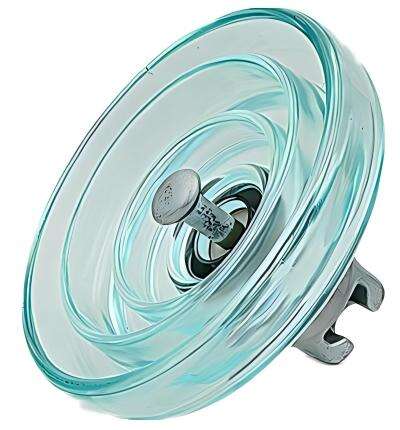
large glass insulator
Large glass insulators represent a critical component in electrical power transmission and distribution systems, serving as essential barriers that prevent electrical current from flowing where it should not. These robust ceramic-glass devices are specifically engineered to support and isolate electrical conductors from their mounting structures, ensuring safe and efficient power delivery across vast networks. The primary function of a large glass insulator involves creating an electrical barrier between energized conductors and grounded support structures such as utility poles, towers, and crossarms. This isolation prevents dangerous electrical faults, protects equipment from damage, and maintains system reliability. Large glass insulators are manufactured using specialized borosilicate glass formulations that provide exceptional mechanical strength, thermal stability, and electrical resistance properties. The manufacturing process involves precise molding techniques that create distinctive bell-shaped or disk-shaped profiles with multiple sheds and ribs designed to maximize electrical performance under various environmental conditions. These insulators feature advanced surface treatments and glaze compositions that resist contamination buildup, reduce flashover incidents, and maintain consistent performance throughout their operational lifespan. Technological features include optimized creepage distances, enhanced tracking resistance, and superior mechanical load-bearing capabilities that enable reliable operation in demanding applications. Large glass insulators find extensive applications in overhead transmission lines, substations, switchyards, and distribution networks where high-voltage electrical systems require dependable insulation performance. Their applications span residential power distribution, industrial electrical infrastructure, renewable energy installations, and critical utility operations where system reliability cannot be compromised. The unique properties of large glass insulators make them indispensable for maintaining electrical safety standards, preventing power outages, and ensuring continuous energy delivery to communities and businesses worldwide.
 ×
×



 EN
EN