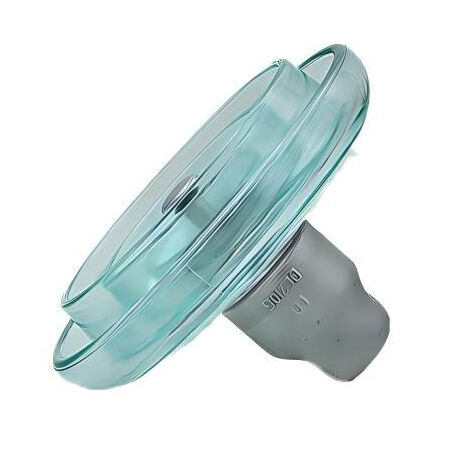
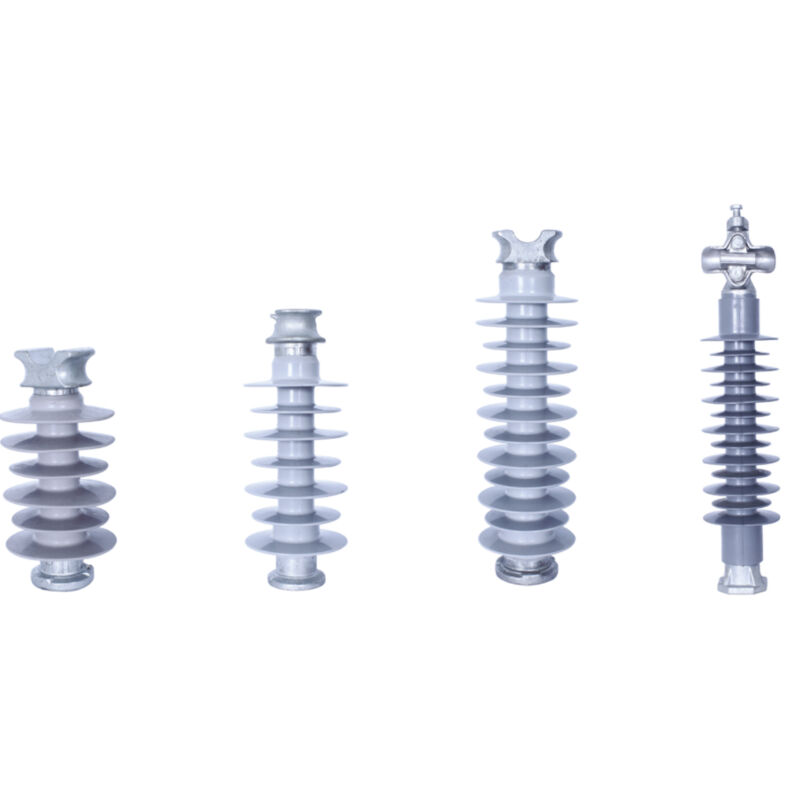
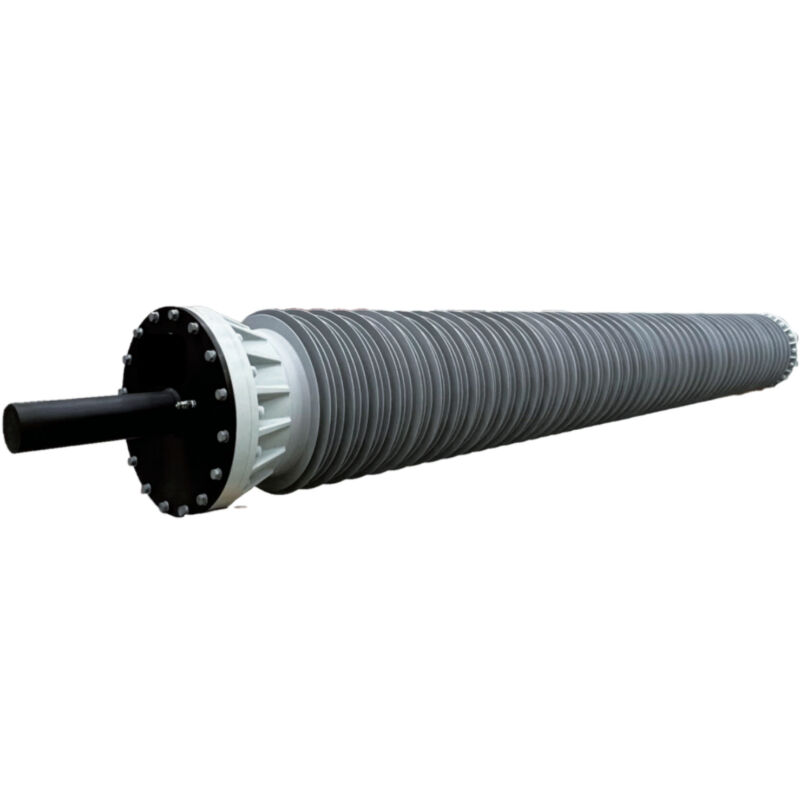
high voltage insulator
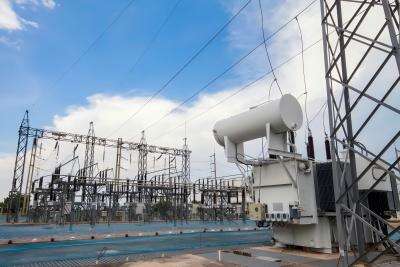
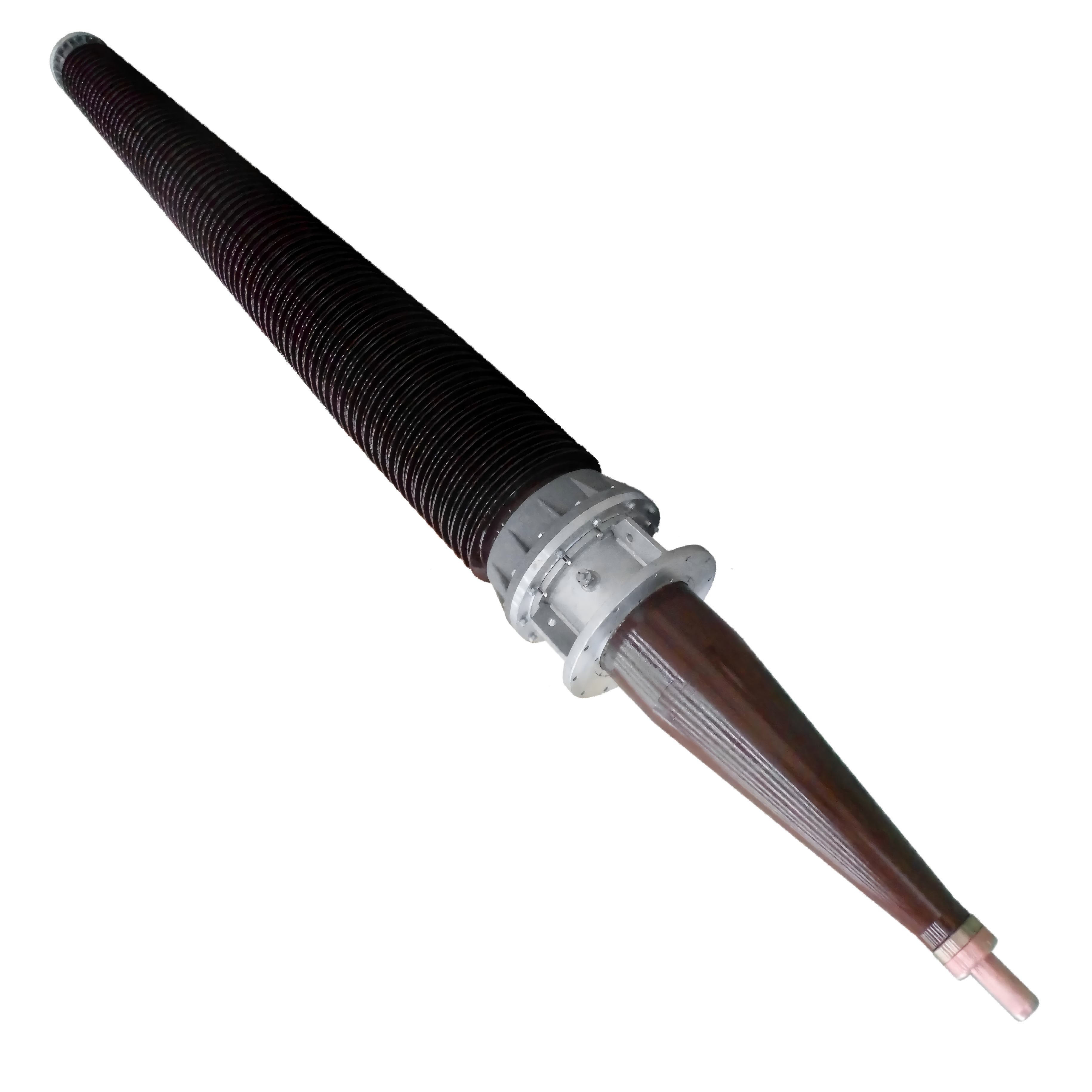
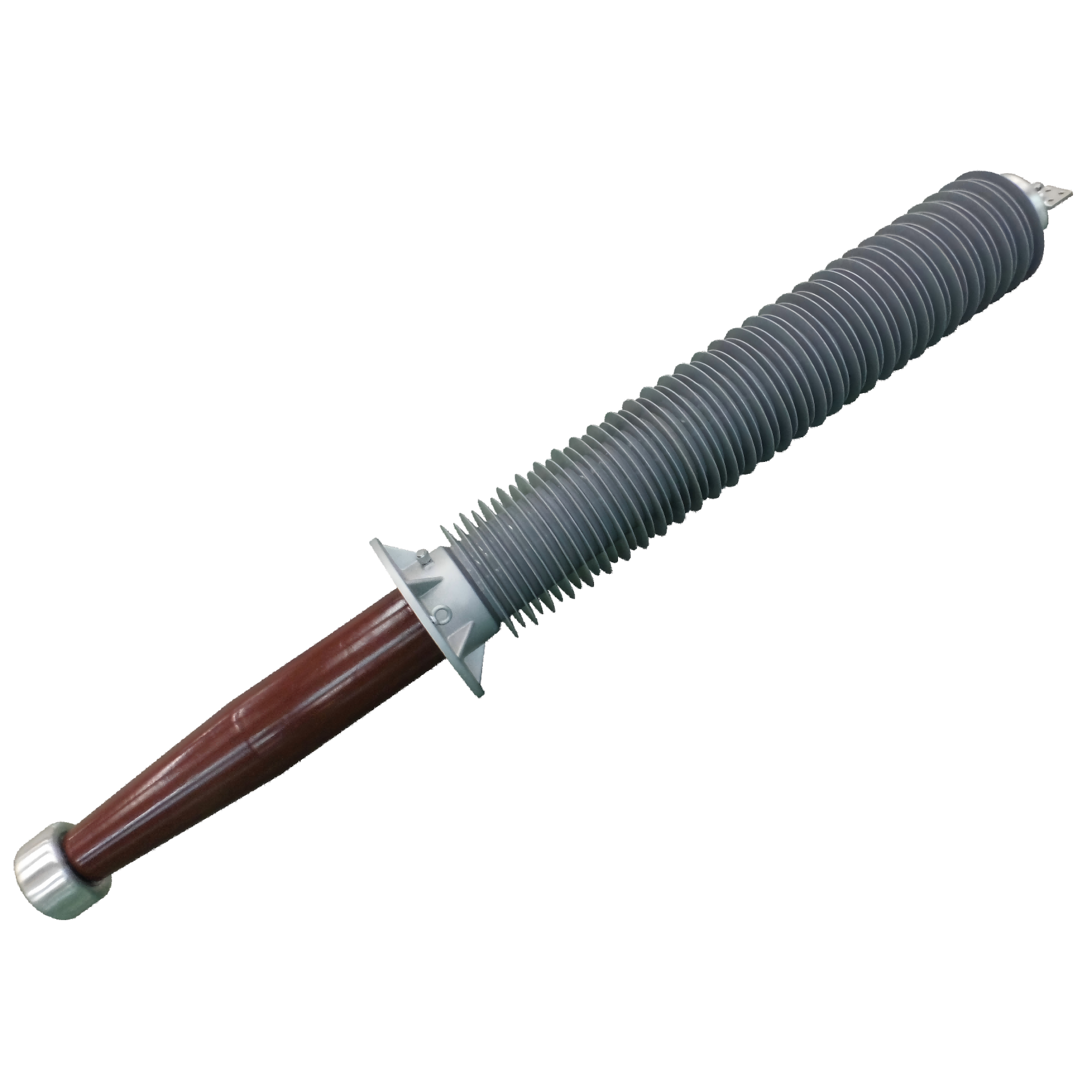
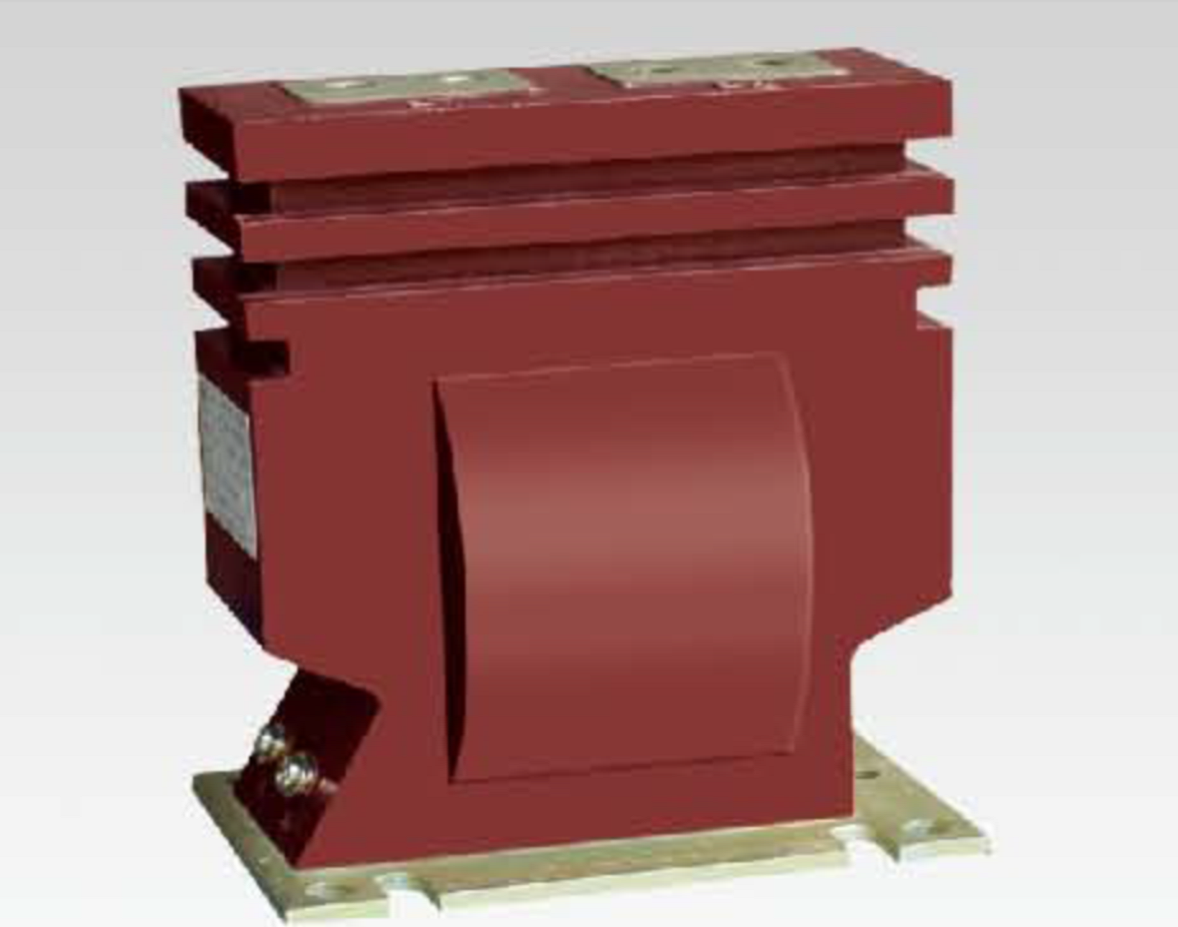
A high voltage insulator serves as a critical component in electrical power systems, designed to prevent unwanted current flow between conductors and support structures while maintaining electrical isolation. These essential devices operate by creating a barrier that blocks electrical current from traveling through unintended paths, ensuring safe and efficient power transmission across various voltage levels. High voltage insulators are manufactured using specialized materials such as porcelain, glass, or composite polymers that possess excellent dielectric properties and mechanical strength. The primary function of a high voltage insulator involves supporting overhead power lines, underground cables, and substation equipment while preventing electrical faults that could lead to power outages or safety hazards. Modern high voltage insulator technology incorporates advanced engineering principles to withstand extreme environmental conditions including temperature fluctuations, moisture, pollution, and mechanical stress. The technological features of these devices include optimized creepage distance, superior tracking resistance, and enhanced flashover voltage characteristics that ensure reliable performance under challenging operating conditions. High voltage insulators find extensive applications in power generation facilities, transmission networks, distribution systems, industrial plants, and renewable energy installations. These components are essential for maintaining grid stability and protecting expensive electrical equipment from damage. The design considerations for high voltage insulators encompass factors such as voltage rating, pollution severity, seismic activity, and climatic conditions specific to installation locations. Advanced manufacturing processes ensure consistent quality and performance standards that meet international specifications and regulatory requirements. High voltage insulators contribute significantly to overall system reliability by preventing ground faults, phase-to-phase faults, and equipment damage that could result in costly repairs and extended downtime.
 ×
×


 EN
EN