substation insulator
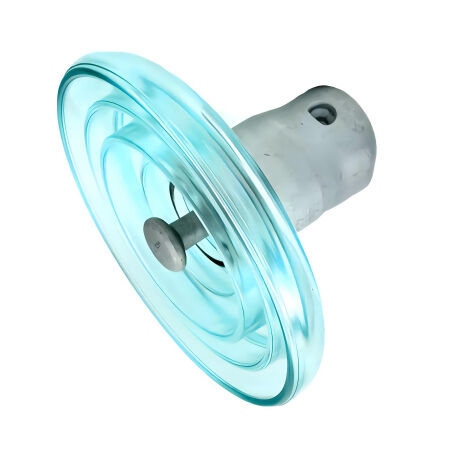
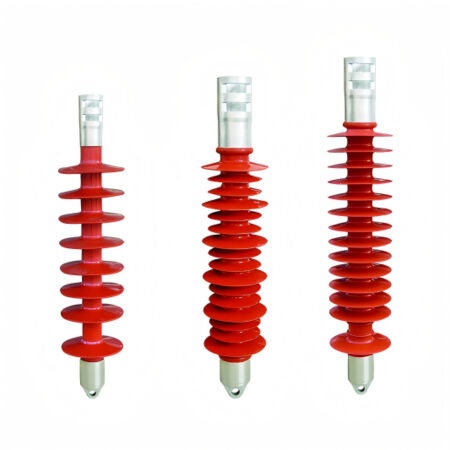
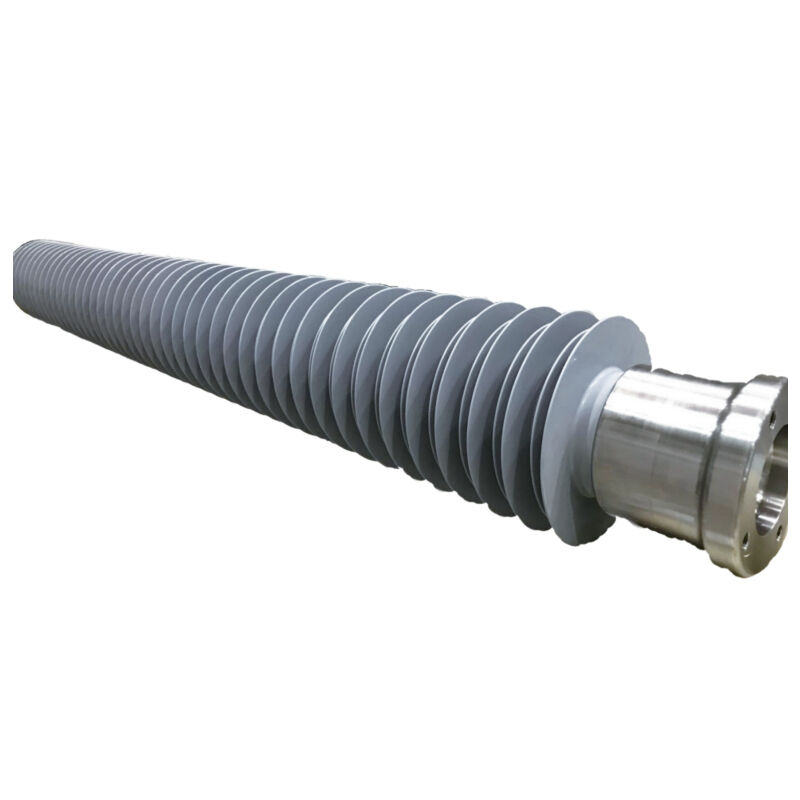
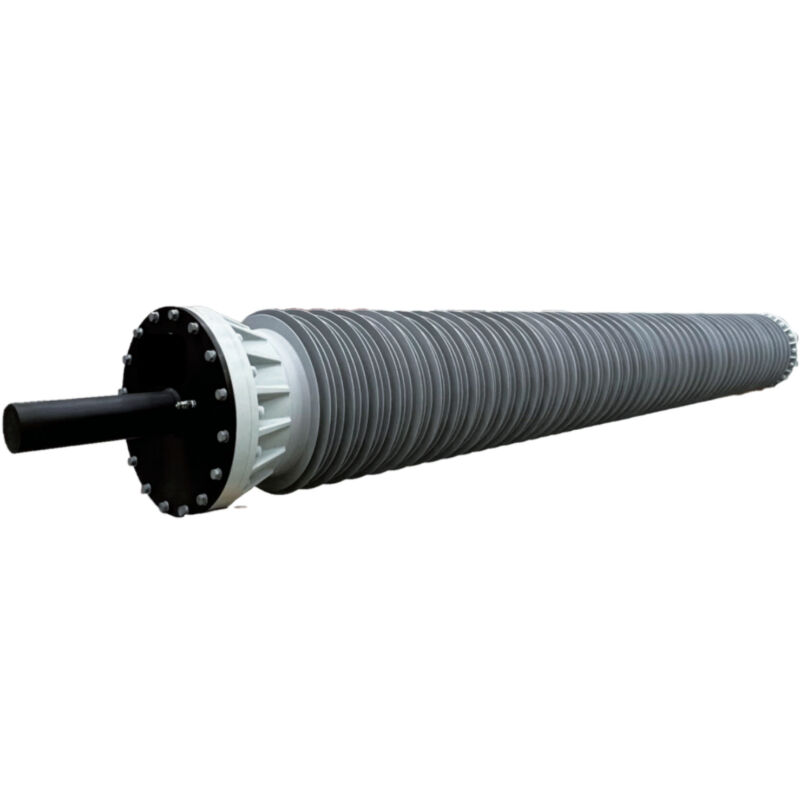
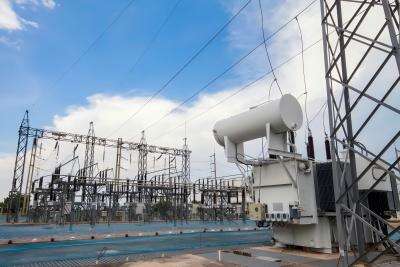
Substation insulators serve as critical components in electrical power transmission and distribution systems, providing essential electrical isolation between energized conductors and grounded structures. These specialized devices maintain safe operation of substations by preventing unwanted electrical current flow while supporting the mechanical weight of transmission lines, busbars, and other equipment. A substation insulator functions as both an electrical barrier and structural support element, ensuring reliable power delivery across various voltage levels from medium voltage distribution to extra high voltage transmission applications. The primary technological features of modern substation insulators include advanced ceramic or composite materials that deliver superior dielectric strength, weather resistance, and mechanical durability. Porcelain insulators utilize high-grade ceramic compounds fired at extreme temperatures to create dense, non-porous surfaces that resist electrical tracking and contamination buildup. Composite insulators incorporate polymer housings with fiberglass core rods, offering lighter weight construction and enhanced performance in polluted environments. The insulator design incorporates multiple sheds or skirts that increase the creepage distance, forcing electrical discharge to travel longer paths across the surface. This extended path significantly improves flashover voltage ratings and operational safety margins. Surface treatments and glazing techniques further enhance contamination resistance and self-cleaning properties during rainfall. Applications for substation insulators span across transformer installations, switchgear assemblies, circuit breaker mounting systems, and overhead line terminations. Distribution substations typically employ insulators rated from 15kV to 69kV, while transmission facilities require higher voltage ratings extending to 800kV and beyond. Specialized designs accommodate different environmental conditions including coastal salt spray, industrial pollution, desert sand storms, and extreme temperature variations. The mechanical strength specifications ensure reliable performance under wind loading, ice accumulation, seismic activity, and thermal expansion stresses that occur during normal operation and extreme weather events.
 ×
×



 EN
EN