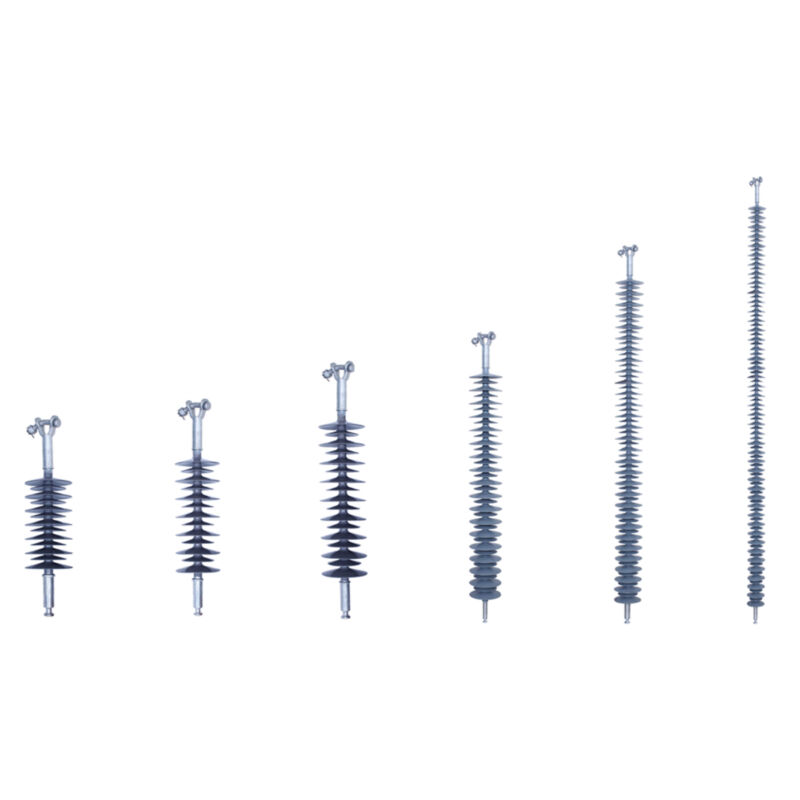
high voltage on ships
High voltage on ships represents a revolutionary advancement in marine electrical systems, transforming how vessels manage power distribution and energy efficiency. Modern maritime operations demand sophisticated electrical infrastructure capable of handling substantial power requirements for propulsion, navigation, cargo handling, and onboard systems. High voltage on ships typically operates at levels ranging from 3.3kV to 15kV, significantly higher than traditional low-voltage systems found on conventional vessels. This elevated voltage system serves multiple critical functions including main propulsion power distribution, auxiliary machinery operation, and specialized equipment support. The technological features of high voltage on ships encompass advanced switchgear systems, transformers, and protection devices designed specifically for marine environments. These systems incorporate robust insulation materials, corrosion-resistant components, and sophisticated monitoring capabilities to ensure reliable operation in challenging maritime conditions. The main functions extend beyond basic power distribution to include frequency conversion, voltage regulation, and seamless integration with various propulsion technologies such as electric motors and pod drives. High voltage on ships enables efficient power transfer over long distances within the vessel, reducing cable weight and installation complexity. Applications span across multiple vessel types including cruise ships, cargo carriers, offshore platforms, and naval vessels. The system supports critical operations such as dynamic positioning, cargo refrigeration, passenger accommodation services, and emergency power backup. Advanced control systems integrated with high voltage on ships provide real-time monitoring, fault detection, and automated switching capabilities. The technology incorporates redundancy features ensuring continuous operation even during component failures. Environmental considerations drive the adoption of high voltage on ships as these systems contribute to reduced emissions through improved energy efficiency and enable integration with renewable energy sources and battery storage systems.
 ×
×




 EN
EN