low voltage to high voltage transformer
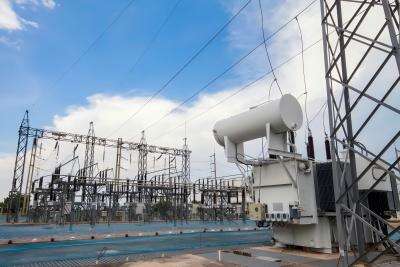
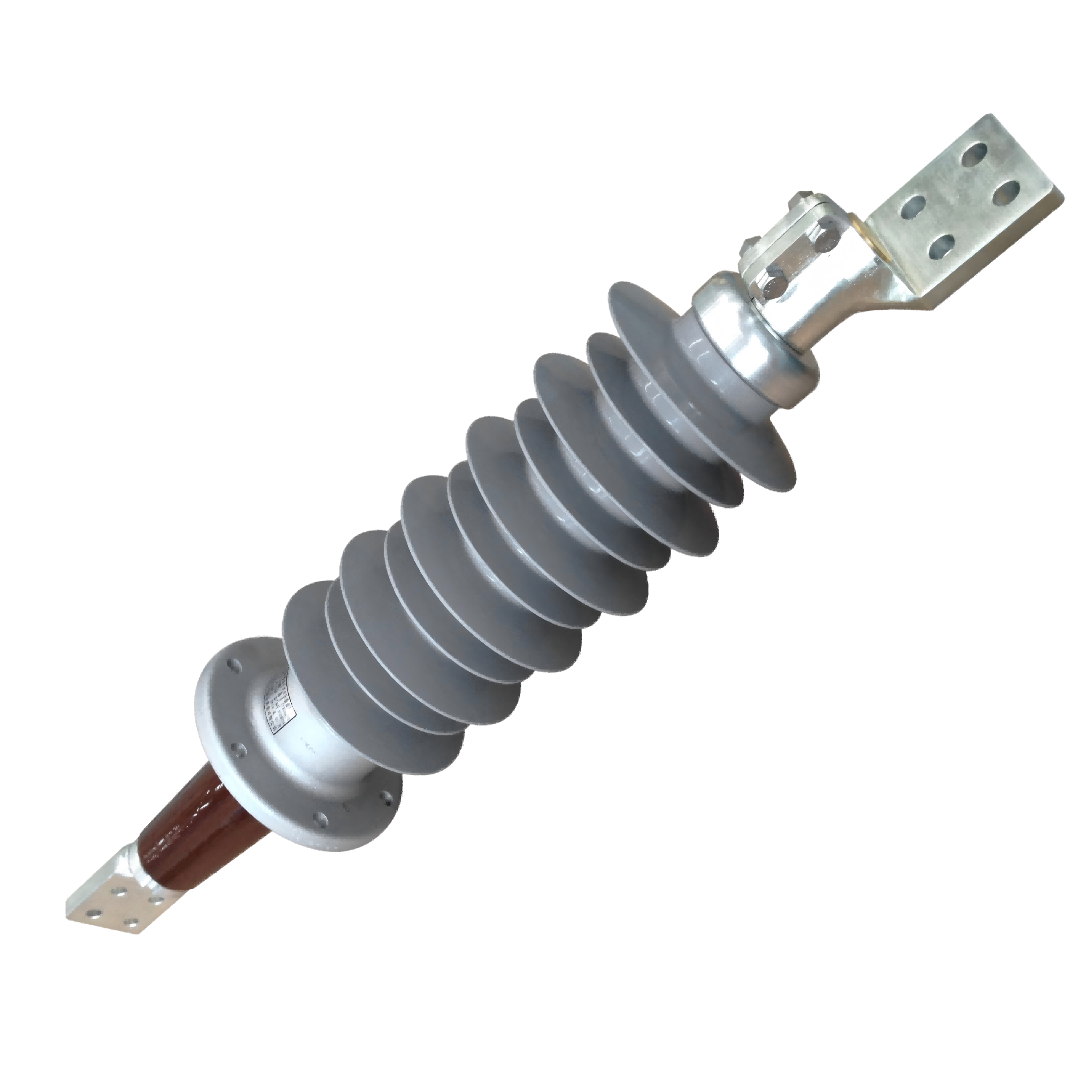
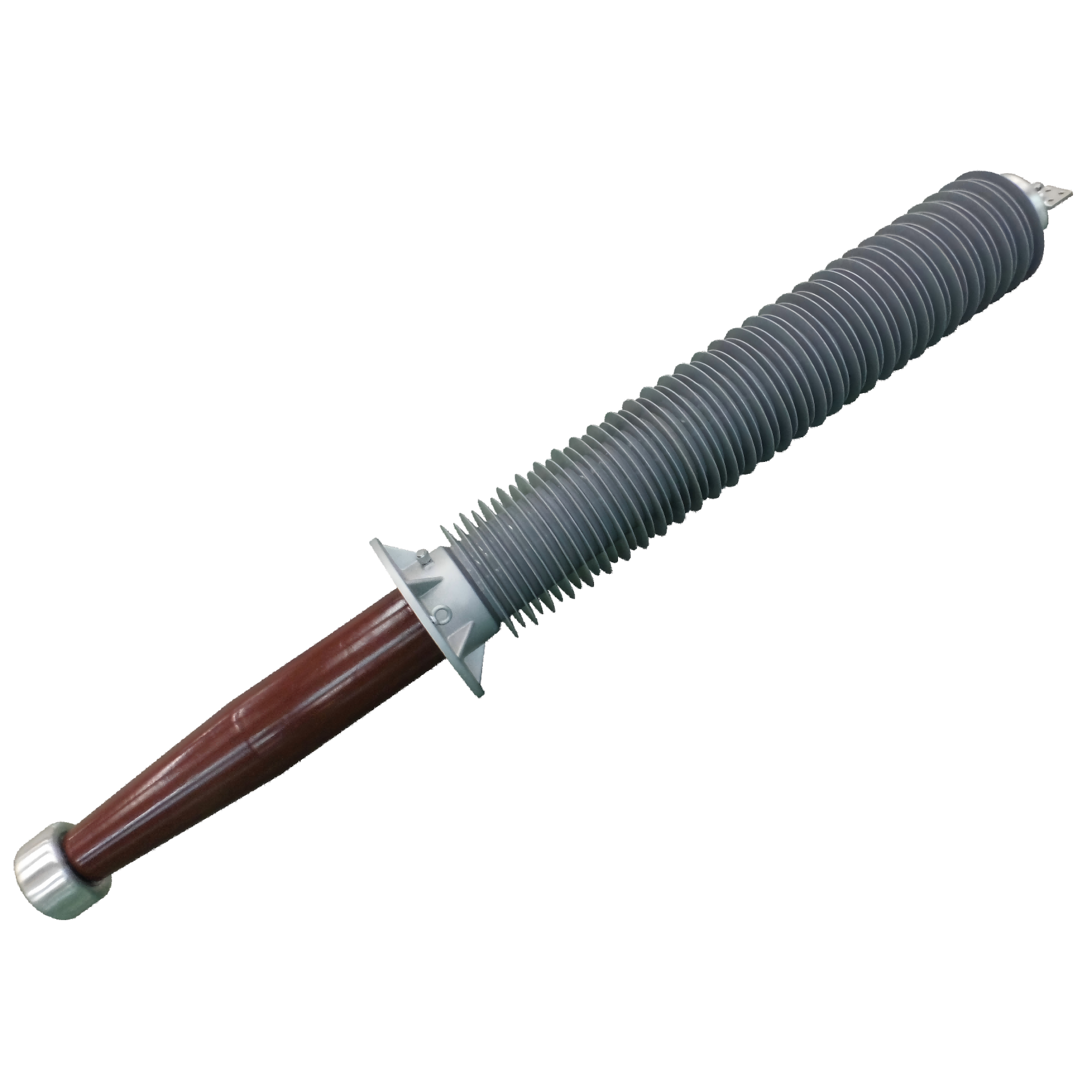
A low voltage to high voltage transformer represents a crucial electrical device designed to convert electrical energy from lower voltage levels to higher voltage levels through electromagnetic induction principles. This sophisticated equipment operates by utilizing primary and secondary windings wound around a magnetic core, typically constructed from high-grade silicon steel or ferrite materials. The primary winding receives low voltage input while the secondary winding delivers high voltage output, with the transformation ratio determined by the turns ratio between these windings. The low voltage to high voltage transformer incorporates advanced insulation systems, including oil-filled chambers or solid dielectric materials, ensuring safe operation under extreme electrical stress conditions. Modern designs feature enhanced cooling systems, protective relays, and monitoring equipment to maintain optimal performance and prevent equipment damage. The magnetic core design maximizes flux coupling while minimizing losses, utilizing grain-oriented steel laminations that reduce eddy current losses and improve overall efficiency. These transformers incorporate sophisticated voltage regulation mechanisms, including tap changers that allow fine-tuning of output voltage levels to meet specific application requirements. The low voltage to high voltage transformer design includes robust bushings, surge arresters, and grounding systems that provide comprehensive protection against electrical faults and atmospheric disturbances. Temperature monitoring systems, pressure relief valves, and gas detection equipment ensure safe operation under various environmental conditions. The construction emphasizes durability and reliability, featuring weather-resistant enclosures suitable for outdoor installations. Advanced diagnostic capabilities enable predictive maintenance strategies, extending operational lifespan while reducing downtime. The low voltage to high voltage transformer technology continues evolving with smart grid integration capabilities, remote monitoring systems, and digital control interfaces that enhance operational flexibility and maintenance efficiency.
 ×
×

 EN
EN