Fiber Optic Current Transformer: Advanced Digital Measurement Solutions for Modern Power Systems

Get a Free Quote

Our representative will contact you soon.
Email
Name
Company Name
Message
0/1000

fiber optic current transformer

The fiber optic current transformer represents a revolutionary advancement in electrical measurement technology, fundamentally transforming how electrical utilities and industrial facilities monitor current flow in power systems. This sophisticated device utilizes the Faraday effect principle, where polarized light traveling through an optical fiber experiences rotation when exposed to magnetic fields generated by electrical current. Unlike traditional current transformers that rely on magnetic cores and copper windings, the fiber optic current transformer employs optical sensing technology to measure electrical current with unprecedented precision and safety. The system consists of several key components: a sensing fiber that wraps around the conductor carrying the current to be measured, optical electronics that generate and process light signals, and digital processing units that convert optical data into usable electrical measurements. The primary function involves transmitting polarized light through the sensing fiber, which becomes magnetically biased by the current-carrying conductor. This magnetic field causes the light's polarization plane to rotate proportionally to the current magnitude, creating measurable optical phase shifts that directly correlate to current values. The fiber optic current transformer provides galvanic isolation between high-voltage conductors and measurement circuits, eliminating safety risks associated with conventional transformers. Its design enables accurate measurement across wide frequency ranges, from DC to several megahertz, making it suitable for diverse applications including power grid monitoring, renewable energy systems, and industrial process control. The technology offers exceptional linearity, wide dynamic range, and immunity to electromagnetic interference that commonly affects traditional measurement systems. Modern fiber optic current transformer systems integrate seamlessly with digital protection relays, supervisory control and data acquisition systems, and smart grid infrastructure, providing real-time current monitoring capabilities essential for efficient power system operation and protection.

New Product Recommendations

The fiber optic current transformer delivers remarkable advantages that address critical challenges in modern electrical measurement systems. Safety represents the most significant benefit, as this technology eliminates direct electrical connection between high-voltage conductors and measurement equipment. Traditional current transformers create potential safety hazards through magnetic saturation and insulation breakdown, particularly in high-voltage applications. The fiber optic current transformer completely isolates measurement circuits from primary conductors using non-conductive optical fibers, eliminating shock hazards and reducing installation risks for maintenance personnel. This isolation also prevents dangerous secondary circuit open conditions that can generate lethal voltages in conventional transformers. Accuracy improvements are substantial, with typical measurement errors below 0.2 percent across wide operating ranges. The linear response characteristics ensure consistent performance from very low currents to maximum rated values, unlike traditional transformers that suffer from magnetic core saturation and frequency-dependent errors. The wide frequency response capability extends from DC measurements to several megahertz, enabling accurate monitoring of harmonics, transients, and power quality parameters that conventional transformers cannot detect. Electromagnetic interference immunity provides another crucial advantage, as optical signals remain unaffected by electrical noise, radio frequency interference, and magnetic fields that commonly distort conventional measurement systems. This immunity ensures reliable operation in substations and industrial environments with high electromagnetic activity levels. Installation flexibility increases significantly due to lightweight optical components that require minimal space compared to bulky traditional transformers. The absence of oil-filled insulation eliminates environmental concerns and maintenance requirements associated with conventional designs. Long-term reliability improves through reduced component count and elimination of magnetic materials subject to aging and degradation. Temperature stability exceeds conventional transformers, maintaining accuracy across extreme environmental conditions without compensation circuits. The digital output capability enables direct integration with modern protection and control systems, eliminating analog-to-digital conversion errors and providing enhanced measurement resolution. Cost benefits emerge through reduced installation complexity, lower maintenance requirements, and extended service life spanning decades without performance degradation.

Practical Tips

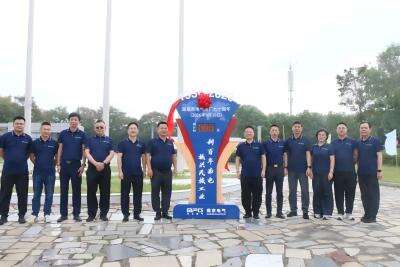
Nanjing Electric Holds Grand 89th Anniversary Celebration

26

Jan

Nanjing Electric Holds Grand 89th Anniversary Celebration

View More
Setting Sail for the World  From Export to Global Expansion, Baiyun Electric Accelerates Its Internationalization

26

Nov

Setting Sail for the World From Export to Global Expansion, Baiyun Electric Accelerates Its Internationalization

View More
International Exhibition | Nanjing Electric Showcases at Middle East Energy 2025

26

Jan

International Exhibition | Nanjing Electric Showcases at Middle East Energy 2025

View More

Get a Free Quote

Our representative will contact you soon.
Email
Name
Company Name
Message
0/1000

fiber optic current transformer

Superior Safety Through Complete Galvanic Isolation

Superior Safety Through Complete Galvanic Isolation

The fiber optic current transformer revolutionizes electrical safety by providing complete galvanic isolation between high-voltage conductors and measurement systems through non-conductive optical technology. Traditional current transformers create inherent safety risks due to their direct magnetic coupling with primary conductors, potentially exposing personnel to dangerous voltages during installation, maintenance, or equipment failure conditions. The magnetic core saturation in conventional designs can generate unpredictable voltage spikes, while insulation breakdown creates immediate electrocution hazards. Secondary circuit disconnection in traditional transformers produces lethal voltage levels that have caused numerous workplace fatalities. The fiber optic current transformer eliminates these risks entirely by using light transmission through glass fibers that provide absolute electrical isolation. Personnel can safely work on measurement circuits while primary conductors remain energized, significantly reducing shutdown requirements and maintenance costs. The optical sensing approach prevents arc flash incidents that commonly occur with conventional transformer failures, as no electrical energy can transfer through the optical link. Installation procedures become inherently safer because technicians never handle electrically conductive components connected to high-voltage systems. This isolation extends beyond basic safety, providing protection against electromagnetic pulse events and lightning strikes that can damage conventional measurement systems. The optical fibers maintain their insulating properties indefinitely, unlike traditional insulation materials that degrade over time due to thermal cycling, chemical exposure, and electrical stress. Emergency response procedures simplify dramatically because first responders can approach optical measurement equipment without specialized high-voltage safety protocols. The elimination of oil-filled insulation removes environmental hazards associated with potential leaks and fire risks. Quality control processes benefit from safer testing procedures that allow full-scale verification without energizing dangerous voltage levels. Training requirements reduce substantially as maintenance personnel need not undergo extensive high-voltage safety certification for optical measurement systems. Insurance costs typically decrease due to improved safety profiles and reduced liability exposure. The comprehensive safety advantages make fiber optic current transformers essential for modern electrical installations where personnel protection and operational reliability are paramount concerns.
Exceptional Accuracy and Wide Dynamic Range Performance

Exceptional Accuracy and Wide Dynamic Range Performance

The fiber optic current transformer delivers unmatched measurement accuracy through advanced optical sensing technology that eliminates the fundamental limitations plaguing conventional magnetic-based designs. Traditional current transformers suffer from magnetic core saturation, hysteresis effects, and frequency-dependent errors that compromise measurement precision, particularly during fault conditions when accurate readings are most critical. The fiber optic current transformer achieves typical accuracy levels of 0.1 to 0.2 percent across its entire operating range, maintaining this precision from minimal load currents to maximum fault levels without saturation effects. This exceptional accuracy stems from the linear relationship between magnetic field strength and optical polarization rotation, providing inherently stable measurement characteristics unaffected by core magnetization phenomena. The wide dynamic range capability extends from microampere sensitivity levels to hundreds of kiloamperes, enabling single-device monitoring of both normal operating currents and extreme fault conditions without range switching or multiple transformer configurations. Frequency response characteristics remain flat from DC through several megahertz, accurately capturing harmonics, transients, and power quality disturbances that conventional transformers cannot detect due to magnetic core limitations. Temperature coefficient performance significantly exceeds traditional designs, with drift characteristics typically below 0.01 percent per degree Celsius across industrial temperature ranges. Long-term stability maintains measurement accuracy for decades without recalibration requirements, as optical components do not experience magnetic aging or mechanical wear that degrades conventional transformer performance over time. Phase angle accuracy reaches levels impossible with traditional designs, enabling precise power measurements and protection relay coordination essential for modern power system operation. The absence of burden effects means measurement accuracy remains constant regardless of connected instrumentation loading, unlike conventional transformers where secondary circuit impedance affects measurement precision. Harmonic measurement capabilities extend beyond the 50th harmonic with maintained accuracy, providing comprehensive power quality analysis for renewable energy integration and non-linear load monitoring. Resolution capabilities achieve 16-bit or higher precision through digital signal processing, enabling detection of subtle current variations important for predictive maintenance and system optimization. Calibration procedures simplify through traceable optical standards that provide more stable references than conventional electrical calibration methods.
Advanced Digital Integration and Smart Grid Compatibility

Advanced Digital Integration and Smart Grid Compatibility

The fiber optic current transformer seamlessly integrates with modern digital protection, control, and monitoring systems through native digital output capabilities that eliminate conversion errors and enhance measurement resolution beyond conventional analog interfaces. Traditional current transformers require analog-to-digital conversion processes that introduce quantization errors, noise, and bandwidth limitations incompatible with advanced smart grid applications requiring precise real-time measurements for optimal system operation. The fiber optic current transformer generates digital measurement data directly from optical signal processing, providing standardized communication protocols including IEC 61850, DNP3, and Modbus for direct integration with supervisory control and data acquisition systems, energy management platforms, and automated protection schemes. Sample rates exceed conventional transformer capabilities by several orders of magnitude, enabling accurate capture of transient phenomena, fault inception characteristics, and power quality events essential for modern power system analysis and protection. Time synchronization capabilities utilize GPS or IEEE 1588 precision timing protocols to provide microsecond-accurate time stamps for measurements across geographically distributed installations, enabling synchronized phasor measurements critical for wide-area protection and control applications. The digital architecture supports advanced algorithms including adaptive protection settings, machine learning-based fault detection, and predictive maintenance analytics that require high-resolution data unavailable from conventional measurement systems. Remote monitoring capabilities enable centralized data collection and analysis from multiple installation sites through secure communication networks, reducing inspection requirements and enabling proactive maintenance scheduling based on actual equipment performance trends. Configuration management becomes straightforward through digital interfaces that allow remote parameter adjustment, calibration verification, and diagnostic monitoring without site visits or specialized test equipment. Cybersecurity features include encrypted data transmission, authentication protocols, and secure access controls that protect measurement integrity in networked environments where conventional analog systems remain vulnerable to tampering and signal injection attacks. Interoperability standards ensure compatibility with equipment from multiple manufacturers, avoiding vendor lock-in situations common with proprietary conventional transformer designs. Data storage capabilities enable local logging of measurement histories for forensic analysis, regulatory compliance, and performance optimization studies. The digital platform supports over-the-air firmware updates that add new features and improve performance throughout the equipment lifecycle, maintaining technological currency impossible with fixed analog designs.

Get a Free Quote

Our representative will contact you soon.
Email
Name
Company Name
Message
0/1000
Newsletter
Please Leave A Message With Us