High Voltage Cell Technology: Advanced Energy Storage Solutions for Industrial Applications

Get a Free Quote

Our representative will contact you soon.
Email
Name
Company Name
Message
0/1000

high voltage cell

The high voltage cell represents a revolutionary advancement in energy storage technology, designed specifically to meet the demanding requirements of modern industrial and commercial applications. These sophisticated power storage systems operate at elevated voltage levels, typically ranging from 400V to 1500V, making them ideal for high-performance applications that require substantial energy output and efficient power delivery. Unlike conventional battery cells that operate at lower voltages, the high voltage cell incorporates advanced electrochemical engineering to handle increased electrical potential while maintaining superior safety standards and operational reliability. The core functionality of these systems revolves around their ability to store and discharge electrical energy at significantly higher voltage levels than traditional alternatives. This capability stems from innovative cell chemistry and sophisticated battery management systems that monitor and control every aspect of operation. The technological features include advanced thermal management systems that prevent overheating during high-demand operations, intelligent charge controllers that optimize energy input and output cycles, and robust safety mechanisms that protect against voltage spikes and electrical faults. The high voltage cell finds extensive applications across multiple industries, from electric vehicle manufacturing where they power next-generation automotive systems, to renewable energy installations where they store solar and wind-generated electricity for grid distribution. Industrial manufacturing facilities utilize these cells for backup power systems and peak load management, while telecommunications companies rely on them for critical infrastructure support. Data centers increasingly depend on high voltage cell technology to ensure uninterrupted power supply during outages and to manage fluctuating energy demands. The construction industry benefits from portable high voltage cell units that power heavy equipment in remote locations where traditional electrical infrastructure is unavailable. These versatile energy storage solutions continue to evolve, incorporating cutting-edge materials science and electronic control systems to deliver unprecedented performance levels while reducing environmental impact through improved energy efficiency and longer operational lifespans.

Popular Products

The high voltage cell delivers exceptional performance benefits that directly translate into significant cost savings and operational improvements for businesses across various industries. These advanced energy storage systems provide superior energy density compared to traditional battery technologies, allowing companies to store more power in smaller spaces while reducing facility footprint requirements and associated real estate costs. The enhanced efficiency of high voltage cell systems means less energy waste during charging and discharging cycles, resulting in lower electricity bills and reduced environmental impact over the system's operational lifetime. Businesses experience faster charging capabilities that minimize downtime and maximize productivity, particularly crucial for operations that depend on continuous power availability or rapid equipment turnaround times. The extended lifespan of these cells reduces replacement frequency and maintenance costs, providing excellent return on investment through reduced total cost of ownership calculations. Safety represents another critical advantage, as modern high voltage cell designs incorporate multiple protection layers that prevent accidents and equipment damage, reducing insurance costs and liability exposure while ensuring worker protection. The scalability of these systems allows organizations to start with smaller installations and expand capacity as needs grow, providing flexible investment options that align with business growth patterns. Reliability improvements mean fewer unexpected shutdowns and reduced emergency service calls, translating to consistent operations and maintained customer satisfaction levels. Environmental benefits include reduced carbon footprint through improved energy efficiency and support for renewable energy integration, helping companies meet sustainability goals and regulatory compliance requirements. The intelligent monitoring capabilities of high voltage cell systems provide real-time data analytics that enable predictive maintenance scheduling, preventing costly failures before they occur and optimizing system performance throughout the operational lifecycle. These systems also offer grid independence capabilities, allowing businesses to reduce reliance on utility companies and protect against power outages or rate fluctuations. The compact design and modular construction facilitate easy installation and future upgrades without major infrastructure modifications, reducing implementation costs and minimizing business disruption during deployment. Additionally, many high voltage cell systems qualify for government incentives and tax benefits related to clean energy adoption, further improving the financial advantages for early adopters and environmentally conscious organizations.

Latest News

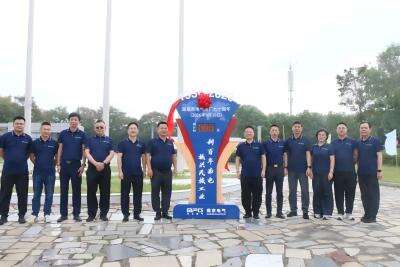
Nanjing Electric Holds Grand 89th Anniversary Celebration

26

Jan

Nanjing Electric Holds Grand 89th Anniversary Celebration

View More
Setting Sail for the World  From Export to Global Expansion, Baiyun Electric Accelerates Its Internationalization

26

Nov

Setting Sail for the World From Export to Global Expansion, Baiyun Electric Accelerates Its Internationalization

View More
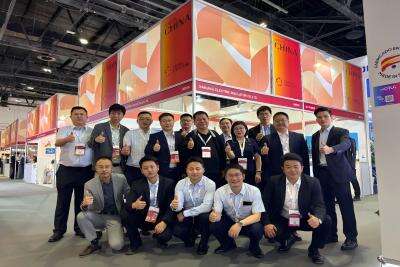
International Exhibition | Nanjing Electric Showcases at Middle East Energy 2025

26

Jan

International Exhibition | Nanjing Electric Showcases at Middle East Energy 2025

View More

Get a Free Quote

Our representative will contact you soon.
Email
Name
Company Name
Message
0/1000

high voltage cell

Advanced Energy Density and Space Optimization

Advanced Energy Density and Space Optimization

The high voltage cell excels in delivering exceptional energy density that fundamentally transforms how businesses approach power storage and space utilization. This remarkable capability allows organizations to store significantly more electrical energy within substantially smaller physical footprints compared to traditional battery systems, creating immediate value through reduced facility requirements and associated infrastructure costs. The advanced energy density stems from sophisticated electrochemical engineering that maximizes the power-to-size ratio while maintaining optimal safety standards and operational reliability. Companies benefit from this technology by eliminating the need for expansive battery rooms or dedicated storage buildings, freeing up valuable real estate for revenue-generating activities or other critical business operations. The space optimization becomes particularly valuable in urban environments where property costs are premium and every square foot represents significant financial investment. Manufacturing facilities can integrate these compact high voltage cell systems without major facility modifications or production line disruptions, maintaining operational continuity while upgrading their power infrastructure. The reduced footprint also simplifies installation procedures, requiring fewer construction permits and minimizing site preparation requirements, which accelerates deployment timelines and reduces project costs. This space efficiency extends beyond initial installation to include reduced cooling and ventilation requirements, as the concentrated energy storage generates less heat per unit of stored power compared to distributed traditional systems. Maintenance operations become more efficient when technicians can access multiple power storage units within confined spaces rather than traversing large battery farms, reducing service time and associated labor costs. The compact design also enhances security by concentrating valuable energy storage assets in smaller, more easily monitored and protected areas. Organizations can implement comprehensive surveillance and access control systems more cost-effectively when protecting concentrated high voltage cell installations rather than sprawling traditional battery arrays. This space optimization directly correlates to improved return on investment calculations, as businesses can achieve their power storage objectives while minimizing real estate investments and maximizing facility utilization efficiency.
Enhanced Safety and Reliability Features

Enhanced Safety and Reliability Features

The high voltage cell incorporates comprehensive safety mechanisms and reliability features that provide unparalleled protection for personnel, equipment, and facilities while ensuring consistent operational performance under demanding conditions. These sophisticated safety systems represent a quantum leap beyond traditional battery technology, implementing multiple layers of protection that automatically respond to potential hazards before they can escalate into dangerous situations. The advanced battery management system continuously monitors critical parameters including temperature, voltage, current flow, and cell balance, instantly detecting anomalies and implementing corrective actions to prevent failures or safety incidents. Thermal protection systems prevent overheating through intelligent cooling management and automatic shutdown procedures, while electrical isolation mechanisms protect against short circuits and ground faults that could pose fire risks or equipment damage. The reliability features include redundant communication systems that maintain operational control even if primary monitoring circuits fail, ensuring continuous safety oversight throughout the high voltage cell operational lifecycle. These systems undergo rigorous testing and certification processes that exceed industry safety standards, providing businesses with confidence in their power infrastructure investments and reducing insurance liability concerns. The fail-safe design philosophy ensures that any system malfunction defaults to safe operational states rather than potentially hazardous conditions, protecting personnel and assets while minimizing business disruption during maintenance or emergency situations. Emergency response protocols are integrated directly into the high voltage cell control systems, automatically notifying maintenance personnel and emergency responders when incidents occur while simultaneously implementing containment procedures to limit potential damage. The robust construction materials and environmental sealing protect against moisture, dust, and corrosive atmospheric conditions that might compromise traditional battery systems, ensuring reliable operation in challenging industrial environments. Predictive maintenance capabilities analyze operational data to identify potential issues before they result in system failures, allowing scheduled maintenance during planned downtime rather than emergency situations that could disrupt business operations. The enhanced reliability translates directly into improved business continuity, reduced insurance costs, and increased customer satisfaction through consistent service delivery that depends on reliable power infrastructure.

Intelligent Grid Integration and Energy Management

Intelligent Grid Integration and Energy Management

The high voltage cell features sophisticated grid integration capabilities and intelligent energy management systems that optimize power usage patterns, reduce operational costs, and provide seamless interaction with utility grids and renewable energy sources. This advanced functionality transforms traditional power consumption models by enabling dynamic load balancing, peak shaving, and demand response participation that can significantly reduce electricity costs while improving overall energy efficiency. The intelligent control systems continuously analyze energy usage patterns, utility rate structures, and grid conditions to automatically optimize charging and discharging cycles for maximum economic benefit while maintaining required power availability for critical operations. These systems can participate in utility demand response programs, providing additional revenue streams for businesses while contributing to grid stability and reducing overall energy costs across the electrical network. The high voltage cell seamlessly integrates with renewable energy installations, storing excess solar and wind power during peak generation periods and releasing stored energy during high-demand periods or when renewable sources are unavailable. This capability enables organizations to maximize their renewable energy investments while reducing dependence on grid electricity and associated carbon emissions. The advanced power electronics and control algorithms enable precise power quality management, providing clean, stable electricity that protects sensitive electronic equipment from voltage fluctuations and power quality issues that can cause expensive equipment failures or data loss. Real-time monitoring and control capabilities allow facility managers to track energy consumption patterns, identify inefficiencies, and optimize operational schedules to minimize energy costs while maintaining required service levels. The system's ability to provide uninterruptible power during utility outages ensures business continuity for critical operations while reducing the need for expensive emergency generators and associated fuel costs. Smart charging algorithms extend the operational life of the high voltage cell by optimizing charging cycles based on usage patterns, ambient conditions, and battery chemistry requirements, reducing replacement costs and improving return on investment calculations. The grid integration features also enable micro-grid development, allowing facilities to operate independently from utility grids when necessary while maintaining the ability to sell excess power back to utilities during favorable rate periods, creating additional revenue opportunities and improving overall energy economics.

Get a Free Quote

Our representative will contact you soon.
Email
Name
Company Name
Message
0/1000
Newsletter
Please Leave A Message With Us