Superior Environmental Resistance and Longevity
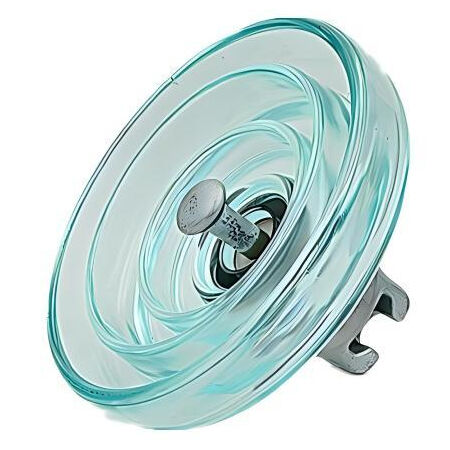
Environmental durability represents one of the most compelling advantages of porcelain pin insulators, delivering exceptional resistance to weathering, contamination, and degradation factors that challenge electrical infrastructure components. The dense, vitrified ceramic structure provides outstanding protection against moisture absorption, preventing internal degradation processes that can compromise both electrical and mechanical performance over time. Ultraviolet radiation from prolonged sun exposure has minimal impact on porcelain materials, unlike polymer alternatives that may suffer from UV-induced degradation and reduced service life in outdoor applications. Chemical resistance properties enable porcelain pin insulators to withstand exposure to industrial pollutants, acid rain, salt spray in coastal environments, and other corrosive substances without significant deterioration of surface properties or structural integrity. The glazed surface finish creates a barrier that prevents contamination buildup while facilitating natural cleaning through rainfall and wind action, reducing maintenance requirements and ensuring consistent electrical performance. Temperature cycling resistance allows these insulators to endure repeated freeze-thaw cycles without developing cracks or surface defects, a critical capability for installations in climates with significant seasonal temperature variations. Biological resistance prevents algae growth, fungal development, or other organic contamination that might affect insulator performance or create maintenance challenges in humid environments. The non-organic nature of porcelain materials eliminates concerns about insect attraction or nesting activities that can sometimes affect other insulator types. Long-term stability testing demonstrates that porcelain pin insulators maintain their original properties for decades, with many installations continuing reliable service after 40 or 50 years of operation. Environmental impact considerations favor porcelain insulators due to their inert nature, recyclability, and absence of harmful chemicals that could leach into soil or groundwater systems. Manufacturing sustainability benefits include the use of abundant natural raw materials and established recycling processes for end-of-life products. Field experience across diverse climatic conditions, from arctic environments to tropical regions, consistently validates the exceptional environmental resistance of porcelain pin insulators, providing confidence for utility planners and engineers selecting components for critical electrical infrastructure projects.
 ×
×


 EN
EN