Exceptional Weather Resistance and Environmental Durability
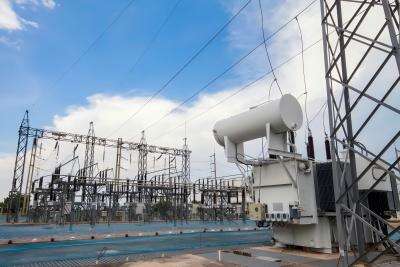
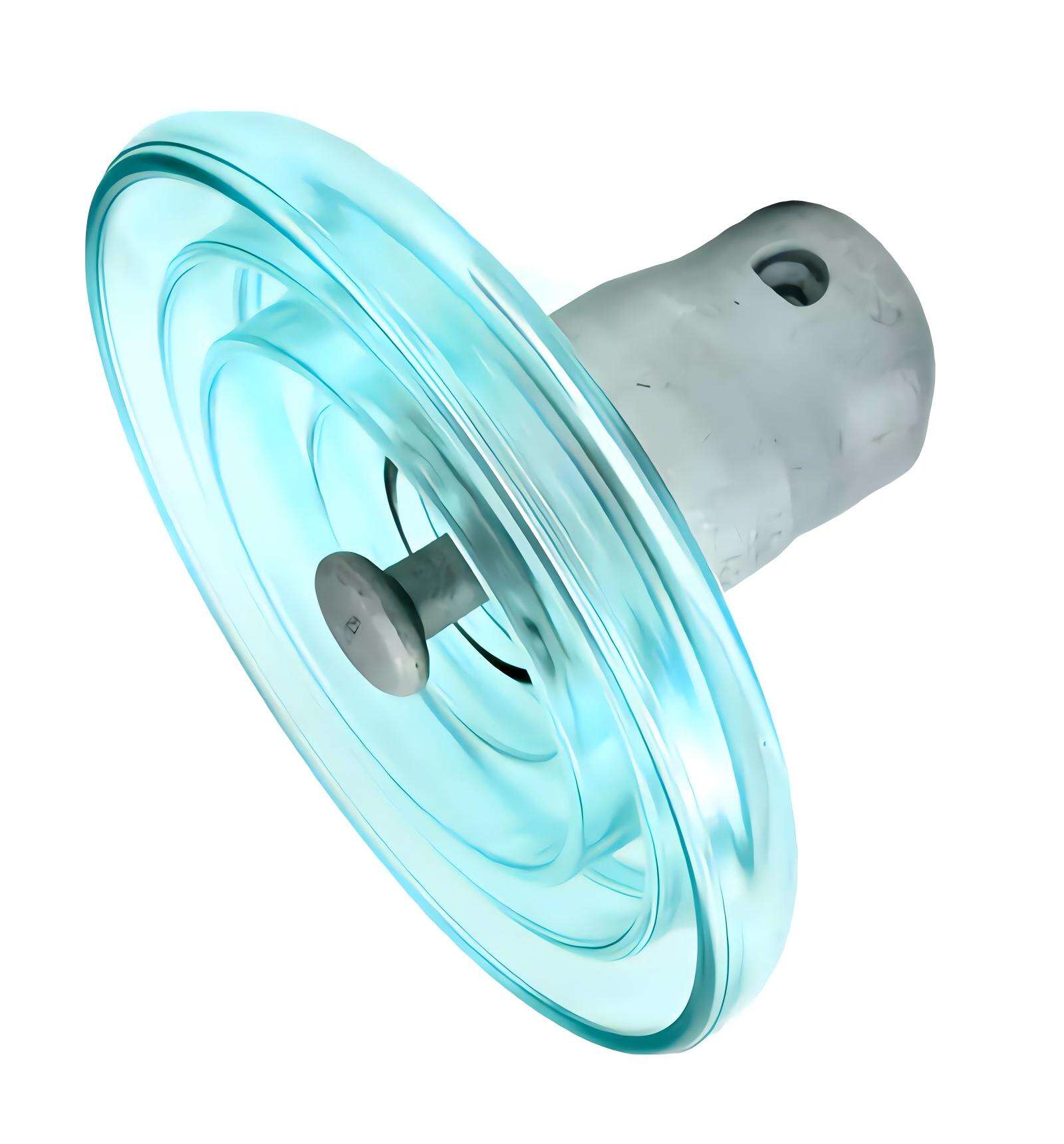
High voltage porcelain insulators excel in harsh environmental conditions through their superior weather resistance properties that ensure reliable electrical performance regardless of climatic challenges. The advanced ceramic composition provides outstanding resistance to UV radiation, preventing degradation that commonly affects polymer alternatives over time. This UV stability maintains the insulator's mechanical and electrical properties for decades, eliminating the need for frequent inspections and replacements that increase operational costs. The dense porcelain structure effectively resists moisture penetration, preventing internal deterioration that could compromise electrical integrity during humid conditions or seasonal weather changes. Freeze-thaw cycles, which can damage inferior materials through expansion and contraction, have minimal impact on high voltage porcelain insulators due to their low water absorption rate and thermal stability. The glazed surface finish creates a protective barrier that sheds water efficiently, reducing the risk of flashover during wet conditions while maintaining consistent electrical performance. Salt fog resistance is particularly important for coastal installations, where high voltage porcelain insulators demonstrate superior performance compared to other materials that may suffer from salt crystal formation and subsequent tracking. Industrial environments with chemical exposure benefit from the chemical inertness of porcelain, which resists degradation from acid rain, industrial pollutants, and other corrosive substances that could compromise alternative insulator materials. Temperature cycling from extreme cold to intense heat does not affect the dimensional stability of high voltage porcelain insulators, ensuring reliable mechanical support for conductors throughout seasonal variations. The robust construction withstands severe weather events including high winds, ice loading, and storm conditions that might damage less durable alternatives. This exceptional environmental durability translates into reduced maintenance schedules, lower replacement costs, and improved system reliability for utility companies and industrial facilities investing in long-term electrical infrastructure solutions.
 ×
×

 EN
EN