power insulator
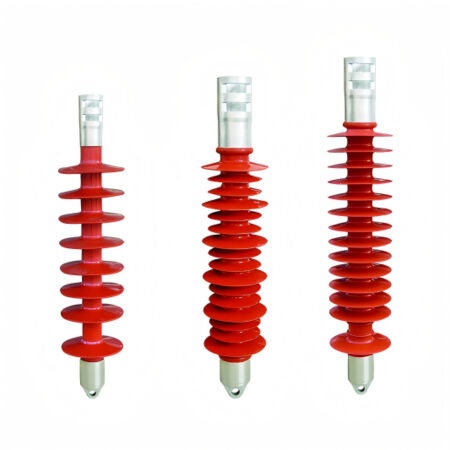
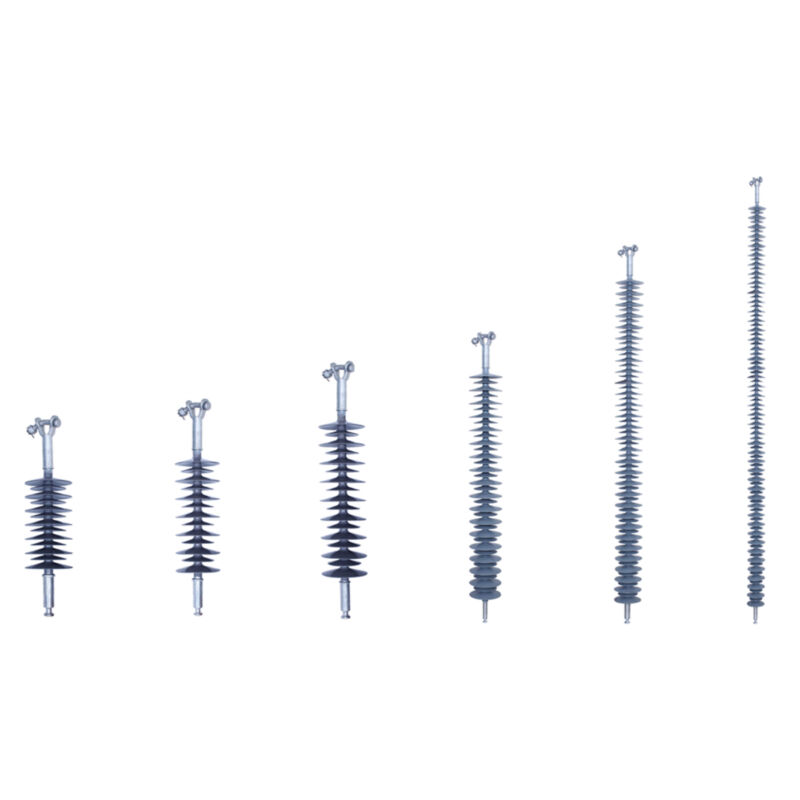
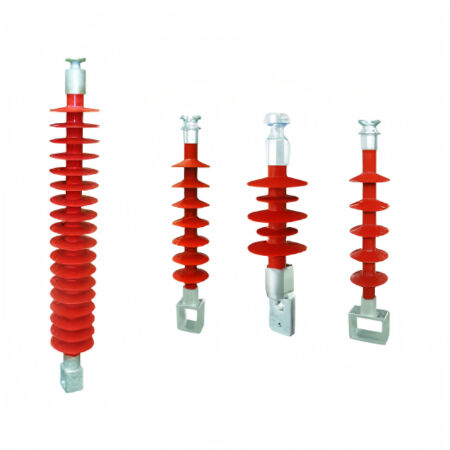
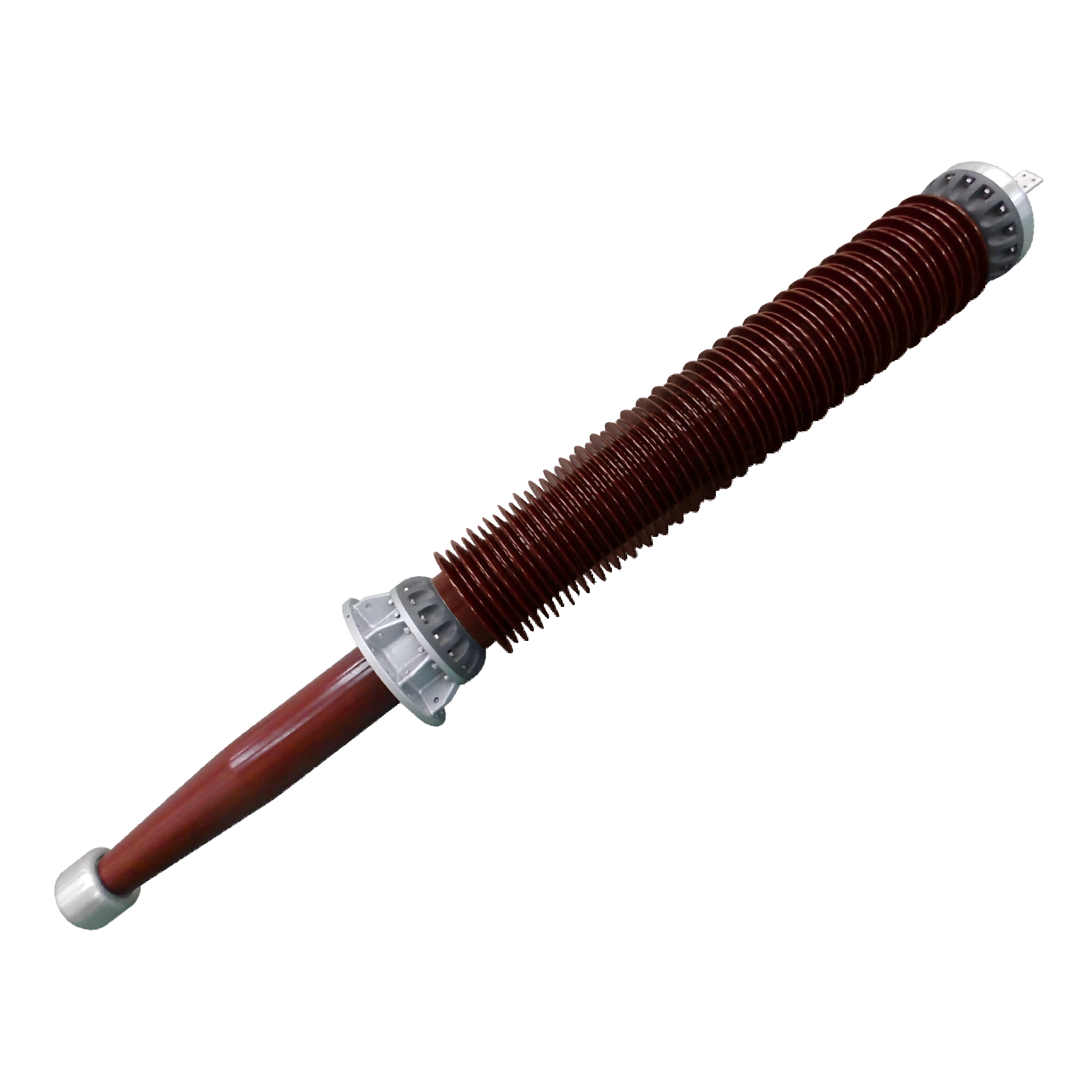
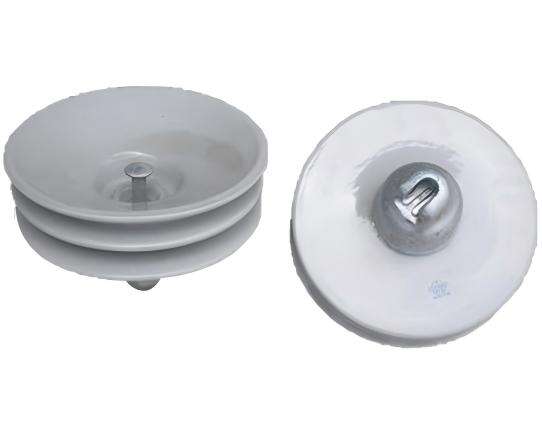
Power insulators represent critical components in electrical transmission and distribution systems, serving as the fundamental barrier between energized conductors and grounded structures. These specialized devices prevent unwanted electrical current flow while maintaining mechanical support for overhead power lines. A power insulator functions by creating an electrical barrier using materials with high dielectric strength, typically porcelain, glass, or polymer composites. The primary role involves isolating live conductors from supporting towers, poles, and other grounded equipment, ensuring safe and reliable power transmission across vast distances. Modern power insulator designs incorporate advanced materials science and engineering principles to withstand extreme environmental conditions including temperature fluctuations, moisture, pollution, and mechanical stress. The technological features of contemporary power insulators include enhanced surface profiles that improve flashover resistance, superior hydrophobic properties that repel water and contaminants, and robust construction that maintains performance integrity throughout extended service life. These components must demonstrate exceptional mechanical strength to support heavy conductor loads while resisting wind forces and ice loading. The insulation system prevents electrical faults that could cause power outages, equipment damage, and safety hazards. Power insulator applications span residential distribution networks, industrial power systems, and high-voltage transmission corridors. They are essential in substations, overhead lines, and underground cable terminations. Different voltage classes require specific insulator configurations, from low-voltage residential applications to extra-high-voltage transmission systems exceeding 800 kilovolts. The selection criteria consider environmental factors, pollution levels, seismic activity, and maintenance accessibility. Quality power insulators contribute significantly to grid reliability, reducing unplanned outages and maintenance costs while ensuring worker safety and public protection from electrical hazards.
 ×
×



 EN
EN