Three Winding Transformer Solutions: Advanced Multi-Voltage Power Distribution Systems

Get a Free Quote

Our representative will contact you soon.
Email
Name
Company Name
Message
0/1000

three winding transformer

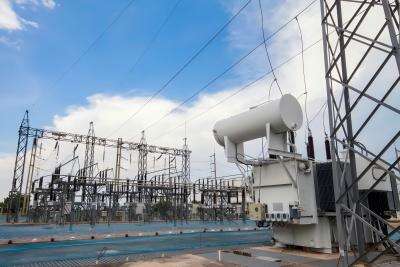
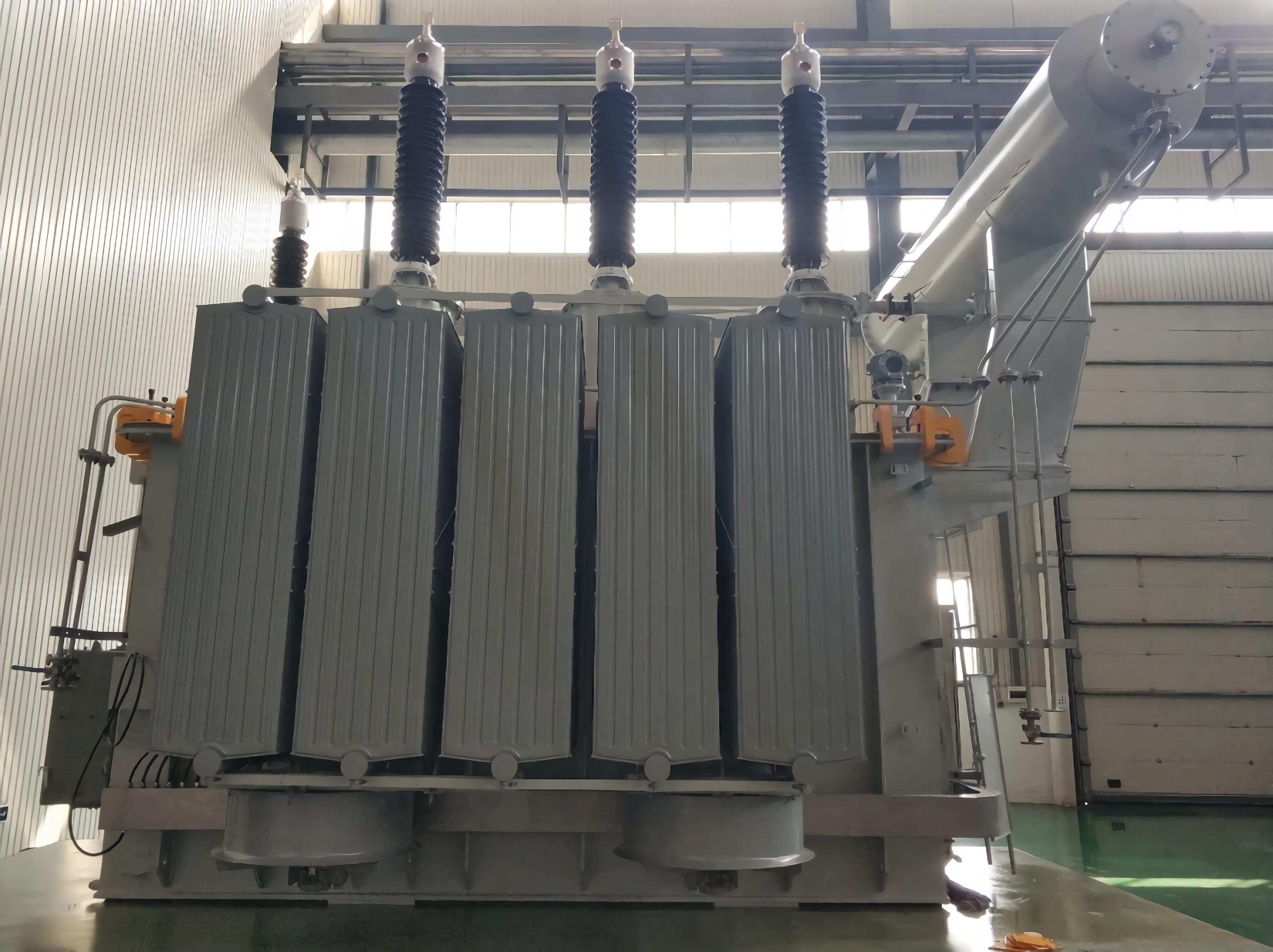
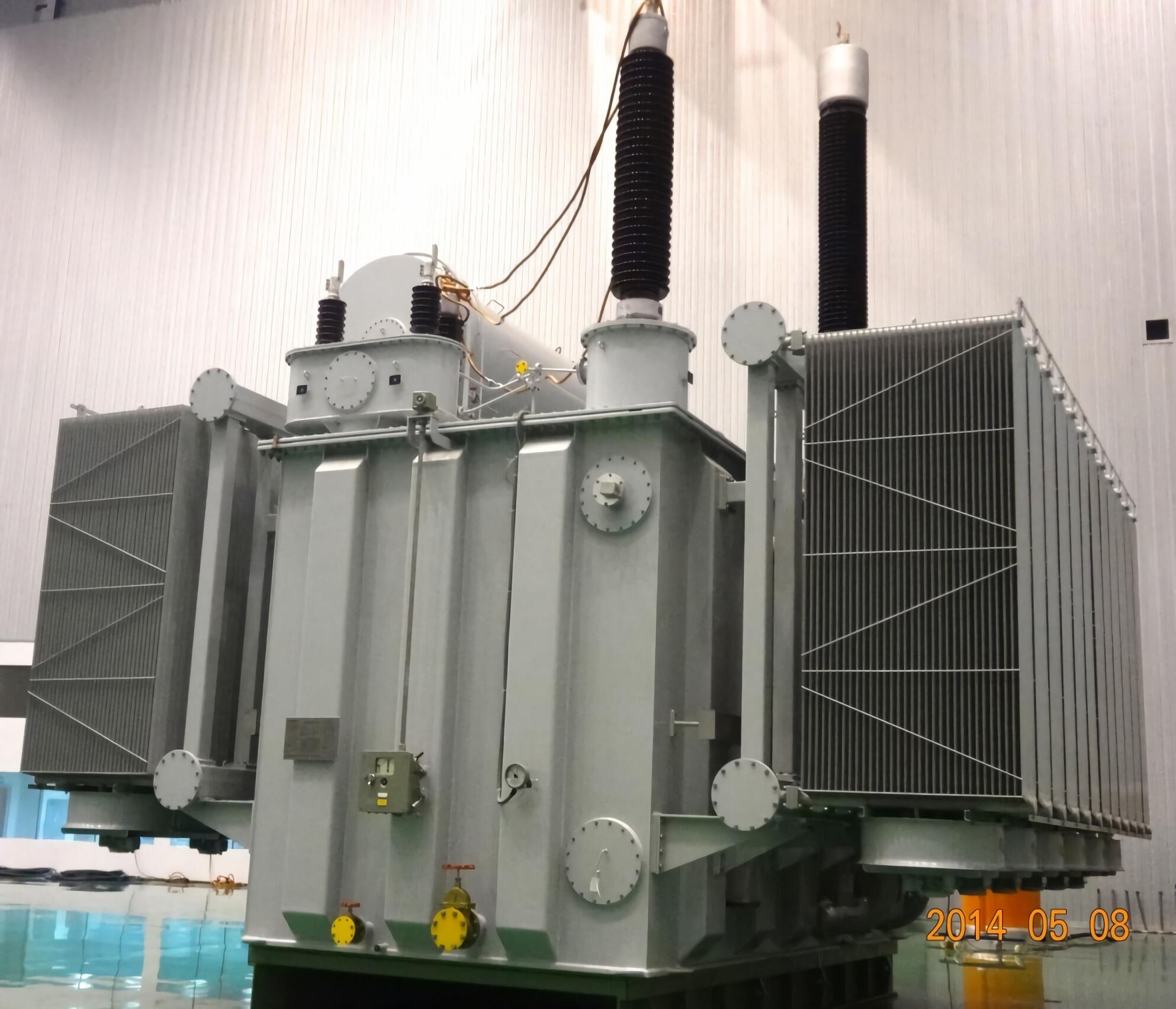
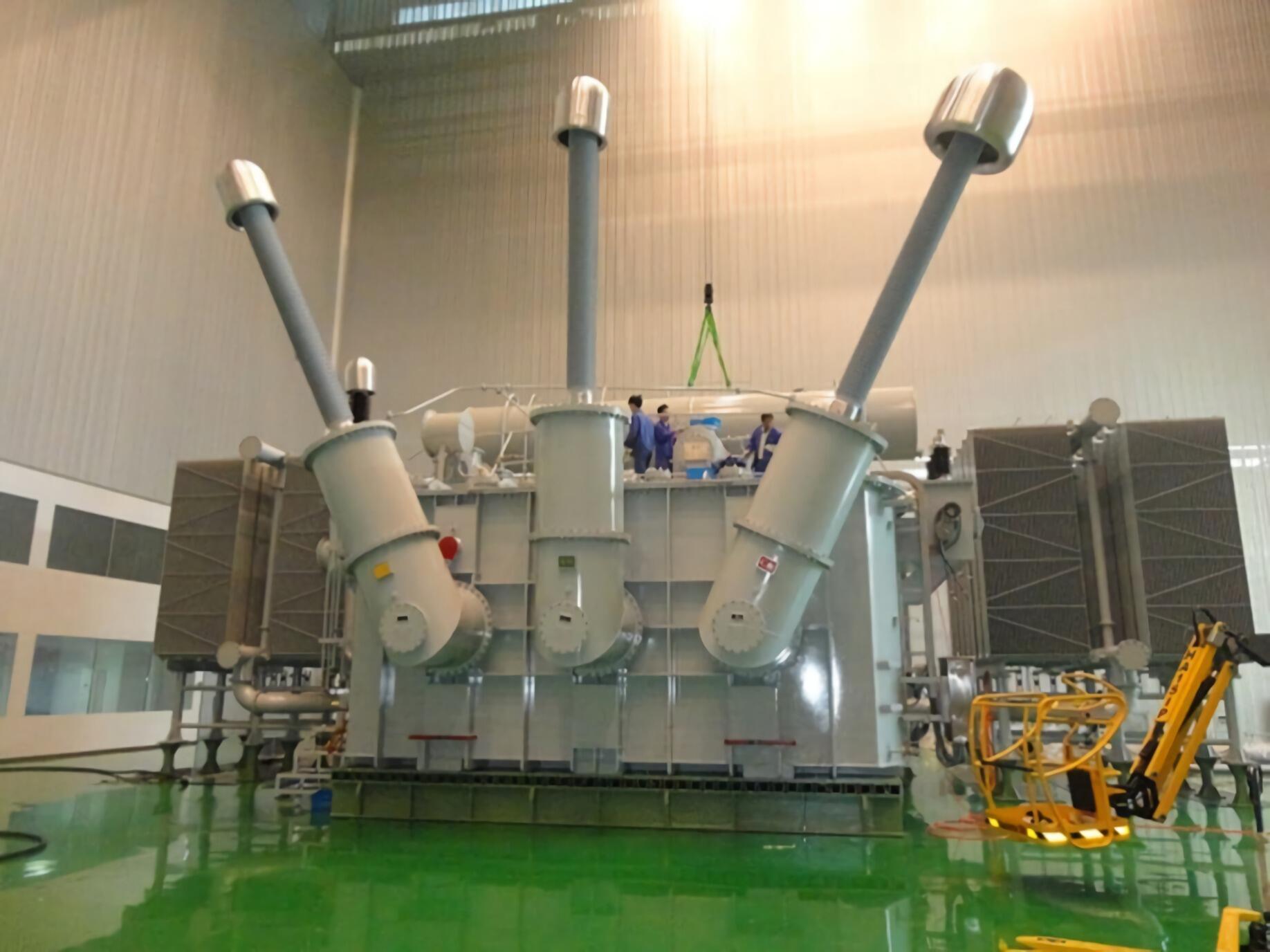
A three winding transformer represents a sophisticated electrical device engineered to handle multiple voltage levels simultaneously within a single unit. Unlike conventional two-winding transformers that operate between primary and secondary circuits, the three winding transformer incorporates an additional tertiary winding that enables versatile power distribution and enhanced operational flexibility. This advanced configuration allows the transformer to serve multiple voltage requirements from a single input source, making it an essential component in complex electrical systems. The primary winding connects to the high-voltage input source, while the secondary and tertiary windings provide two different output voltage levels, each independently regulated and isolated. The three winding transformer utilizes electromagnetic induction principles across all three windings, ensuring efficient energy transfer while maintaining electrical isolation between circuits. Core materials typically consist of high-grade silicon steel laminations that minimize losses and optimize magnetic flux distribution. The winding configuration can be arranged in various combinations such as star-star-delta or delta-delta-star, depending on specific application requirements. Advanced insulation systems protect each winding from electrical stress and environmental factors, ensuring reliable long-term operation. Modern three winding transformer designs incorporate temperature monitoring systems, protective relays, and cooling mechanisms that enhance safety and performance. These transformers find extensive applications in power generation facilities, industrial complexes, utility substations, and renewable energy installations where multiple voltage levels are required. The technology enables efficient power distribution across different load categories while reducing infrastructure costs compared to multiple separate transformer installations. Manufacturing processes involve precision winding techniques, vacuum impregnation, and rigorous testing procedures that guarantee consistent quality and performance standards. The three winding transformer continues to evolve with smart grid technologies, incorporating digital monitoring capabilities and remote control features that enhance operational efficiency and maintenance scheduling.

Popular Products

The three winding transformer delivers exceptional cost-effectiveness by eliminating the need for multiple separate transformer units in facilities requiring different voltage levels. This consolidation approach reduces initial capital investment significantly while minimizing installation space requirements and simplifying electrical infrastructure design. Maintenance becomes more streamlined with a single unit requiring attention instead of multiple transformers, resulting in lower operational costs and reduced downtime. Energy efficiency improves substantially through the three winding transformer design, as power losses decrease compared to cascaded transformer arrangements. The single magnetic core shared among all three windings optimizes flux utilization, reducing no-load losses and improving overall system efficiency. This efficiency translates directly into reduced electricity costs and environmental benefits through lower energy consumption. Reliability increases dramatically with the three winding transformer configuration, as the risk of system failure decreases when fewer individual components are involved. Each winding operates independently, allowing partial system operation even if one winding experiences issues, ensuring continuous power supply to critical loads. The robust construction and advanced protection systems built into modern three winding transformers provide superior fault tolerance and extended service life. Installation flexibility represents another significant advantage, as the three winding transformer adapts easily to various system configurations and load requirements. Engineers can optimize power distribution schemes without being constrained by standard two-winding limitations, enabling creative solutions for complex electrical challenges. The compact design reduces substation footprint requirements, making it ideal for urban installations where space is premium. Load balancing capabilities improve through the three winding transformer, as different load types can be distributed across separate windings, reducing harmonic distortion and improving power quality. Voltage regulation becomes more precise with independent control of secondary and tertiary outputs, ensuring stable power delivery to sensitive equipment. The three winding transformer also provides enhanced safety features through better isolation between different voltage systems, reducing the risk of cross-contamination and improving personnel protection. Future expansion becomes simpler as additional loads can be connected to existing spare capacity without requiring new transformer installations.

Latest News

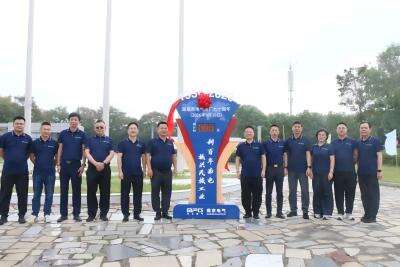
Nanjing Electric Holds Grand 89th Anniversary Celebration

26

Jan

Nanjing Electric Holds Grand 89th Anniversary Celebration

View More
Setting Sail for the World  From Export to Global Expansion, Baiyun Electric Accelerates Its Internationalization

26

Nov

Setting Sail for the World From Export to Global Expansion, Baiyun Electric Accelerates Its Internationalization

View More
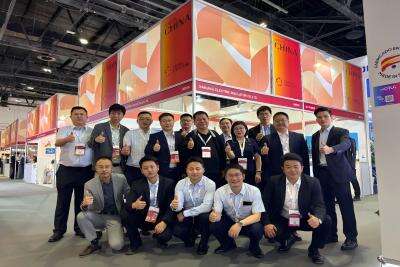
International Exhibition | Nanjing Electric Showcases at Middle East Energy 2025

26

Jan

International Exhibition | Nanjing Electric Showcases at Middle East Energy 2025

View More

Get a Free Quote

Our representative will contact you soon.
Email
Name
Company Name
Message
0/1000

three winding transformer

Superior Power Distribution Flexibility

Superior Power Distribution Flexibility

The three winding transformer revolutionizes electrical power distribution by providing unmatched flexibility in handling multiple voltage requirements from a single compact unit. This innovative design eliminates the traditional constraints of two-winding systems, allowing engineers to create sophisticated power distribution networks that serve diverse load categories simultaneously. The primary advantage lies in the ability to supply two completely different secondary voltage levels while maintaining electrical isolation and independent control over each output. This capability proves invaluable in industrial facilities where manufacturing equipment operates at different voltage levels, office buildings requiring separate lighting and HVAC power supplies, or data centers needing multiple power feeds for redundancy. The three winding transformer enables system designers to optimize power flow patterns, reduce transmission losses, and improve overall network efficiency. Load management becomes significantly more effective as different types of electrical loads can be segregated across separate windings, preventing interference and improving power quality. The transformer's ability to provide stepped voltage levels from a single source eliminates the need for additional voltage conversion equipment, reducing complexity and potential failure points. This flexibility extends to system expansion scenarios, where growing electrical demands can be accommodated by utilizing spare capacity in existing windings rather than installing additional transformers. The independent operation of each winding ensures that maintenance or fault conditions affecting one output do not compromise power delivery to other circuits. Engineering teams appreciate the design freedom provided by three winding transformers, as they can implement creative solutions for challenging electrical requirements without being limited by conventional transformer constraints. The technology supports various winding configurations including different connection methods and turns ratios, allowing customization for specific application needs while maintaining optimal performance characteristics across all operating conditions.
Enhanced Economic Efficiency and Cost Reduction

Enhanced Economic Efficiency and Cost Reduction

The three winding transformer delivers substantial economic benefits that significantly impact both initial investment and long-term operational costs for electrical installations. By consolidating multiple voltage transformation functions into a single unit, organizations achieve immediate capital cost savings compared to purchasing and installing separate transformers for each voltage requirement. This consolidation approach reduces procurement complexity, simplifies vendor management, and often qualifies for bulk purchasing discounts that further enhance cost effectiveness. Installation expenses decrease substantially as electrical contractors handle one transformer installation instead of multiple units, reducing labor costs, crane rental fees, and foundation requirements. The compact footprint of the three winding transformer minimizes land use requirements, particularly valuable in urban environments where real estate costs are significant. Maintenance costs experience dramatic reduction through the simplified infrastructure approach, as technicians service one transformer instead of multiple units, reducing inspection schedules, spare parts inventory, and specialized training requirements. Energy efficiency improvements translate directly into reduced electricity bills, as the three winding transformer typically operates with lower losses than equivalent separate transformer arrangements. The shared magnetic core optimizes flux utilization across all windings, minimizing no-load losses that occur continuously regardless of loading conditions. Insurance premiums often decrease due to reduced equipment count and simplified electrical systems that present fewer potential failure points. Project financing becomes more attractive as lower capital requirements reduce borrowing needs and improve return on investment calculations. The three winding transformer also provides hedge against future expansion costs, as additional loads can utilize existing spare capacity without requiring new equipment purchases. Depreciation benefits improve as the single asset replaces multiple items on accounting records, simplifying tax calculations and asset management procedures. Operational efficiency gains extend beyond direct cost savings to include improved system reliability, reduced outage costs, and enhanced productivity through more stable power delivery to critical equipment and processes.
Advanced Technical Performance and Reliability

Advanced Technical Performance and Reliability

The three winding transformer incorporates cutting-edge engineering technologies that deliver superior performance characteristics and exceptional reliability compared to conventional transformer solutions. Advanced magnetic core designs utilize high-grade grain-oriented electrical steel with optimized lamination patterns that minimize core losses and reduce audible noise levels. The sophisticated winding arrangement employs precision manufacturing techniques that ensure optimal electromagnetic coupling between all three windings while maintaining excellent voltage regulation under varying load conditions. Insulation systems incorporate modern materials and construction methods that provide superior dielectric strength and thermal performance, enabling operation in demanding environmental conditions while maintaining safety margins. Temperature management systems include multiple monitoring points, advanced cooling mechanisms, and intelligent thermal protection that prevents overheating and extends transformer service life significantly. The three winding transformer features enhanced fault tolerance through independent winding operation, allowing continued service to unaffected circuits even when one winding experiences problems. Protection systems integrate sophisticated relay schemes, differential protection, and communication capabilities that enable rapid fault detection and isolation. Modern three winding transformers incorporate digital monitoring technologies that provide real-time performance data, predictive maintenance alerts, and remote diagnostic capabilities that improve operational efficiency. Harmonic mitigation features help maintain power quality by isolating different load types and preventing harmonic distortion from propagating between circuits. Voltage regulation capabilities exceed conventional transformer performance through optimized turns ratios and tap changing mechanisms that maintain stable output voltages despite input fluctuations. The robust mechanical construction withstands transportation stresses, seismic events, and extreme weather conditions while maintaining operational integrity. Quality assurance procedures include comprehensive factory testing, thermal cycling, and performance verification that ensures consistent operation throughout the transformer's service life. Environmental considerations include recyclable materials, reduced oil volumes, and energy-efficient operation that supports sustainability initiatives while delivering reliable electrical service for decades of dependable performance.

Get a Free Quote

Our representative will contact you soon.
Email
Name
Company Name
Message
0/1000
Newsletter
Please Leave A Message With Us