Complete Guide to Types of Bushings in Transformer Applications: Features, Benefits & Selection

Get a Free Quote

Our representative will contact you soon.
Email
Name
Company Name
Message
0/1000

types of bushings in transformer

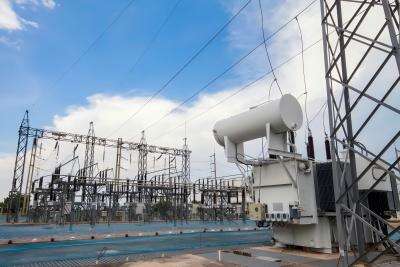
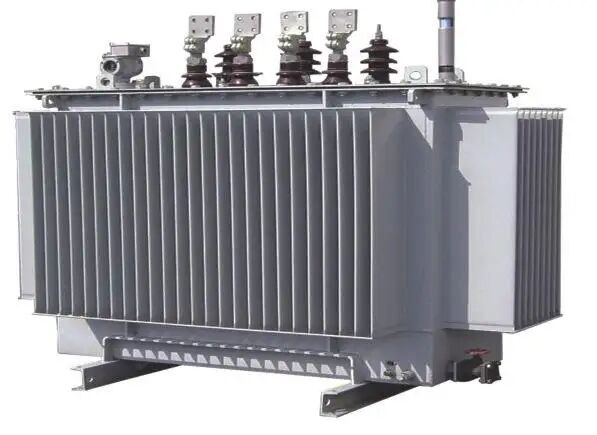
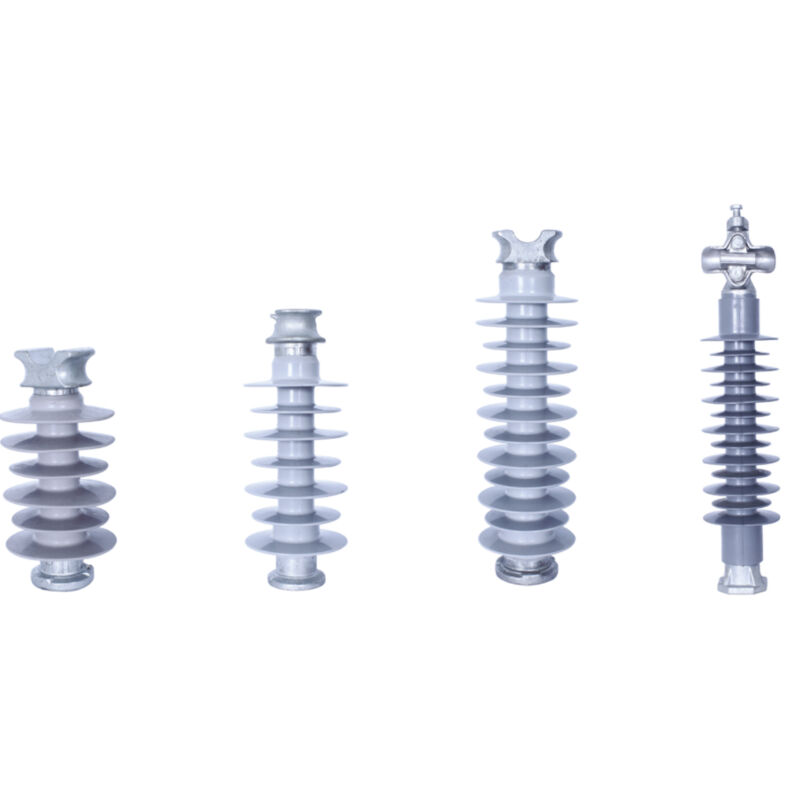
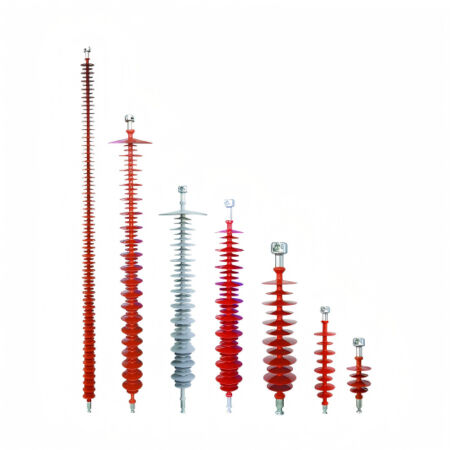
Transformer bushings serve as critical electrical components that enable safe and reliable connections between transformers and external electrical systems. These specialized insulating devices facilitate the passage of high-voltage conductors through transformer tank walls while maintaining electrical isolation and preventing oil leakage. Understanding the various types of bushings in transformer applications is essential for optimal electrical system performance. The primary function of transformer bushings involves providing secure electrical pathways while ensuring proper insulation between live conductors and grounded transformer tanks. These components must withstand extreme electrical stresses, mechanical forces, and environmental conditions throughout their operational lifetime. Different types of bushings in transformer installations include porcelain bushings, epoxy resin bushings, oil-impregnated paper (OIP) bushings, resin impregnated paper (RIP) bushings, and gas-filled bushings. Each variant offers unique technological features designed for specific voltage levels and operating requirements. Porcelain bushings utilize ceramic materials with excellent dielectric properties and weather resistance, making them suitable for outdoor applications. Epoxy resin bushings provide superior mechanical strength and pollution resistance through advanced polymer technology. Oil-impregnated paper bushings employ cellulose insulation systems saturated with mineral oil, delivering exceptional electrical performance for high-voltage applications. Resin impregnated paper bushings combine paper insulation with synthetic resin systems, offering improved moisture resistance and enhanced reliability. Gas-filled bushings utilize sulfur hexafluoride (SF6) or other insulating gases to achieve compact designs with superior electrical properties. The selection of appropriate types of bushings in transformer systems depends on factors including voltage rating, current capacity, environmental conditions, installation requirements, and maintenance considerations. Modern bushing designs incorporate advanced materials and manufacturing techniques to enhance performance, reliability, and service life while reducing maintenance requirements and operational costs.

New Products

The various types of bushings in transformer applications offer numerous practical benefits that directly impact system performance and operational efficiency. First, these specialized components significantly enhance electrical safety by providing reliable insulation between high-voltage conductors and grounded equipment. This safety enhancement protects personnel and equipment from dangerous electrical faults while maintaining consistent power delivery. Different types of bushings in transformer installations also deliver superior environmental protection, with weatherproof designs that resist moisture, pollution, and temperature extremes. This environmental resilience ensures consistent performance across diverse climatic conditions and extends equipment service life. Modern bushing designs incorporate maintenance-friendly features that reduce long-term operational costs. These components require minimal routine maintenance while providing clear visual indicators for condition monitoring. This reduced maintenance requirement translates into lower labor costs and decreased system downtime. The various types of bushings in transformer systems also offer flexible installation options to accommodate different mounting configurations and space constraints. This versatility enables optimal transformer placement and system design efficiency. Advanced bushing technologies provide enhanced electrical performance through improved dielectric properties and reduced partial discharge activity. These performance improvements contribute to overall system reliability and power quality. Different types of bushings in transformer applications also offer cost-effective solutions for various voltage levels and capacity requirements. Users can select appropriate bushing types based on their specific needs without over-engineering or under-specifying critical components. The standardized designs of modern bushings ensure compatibility with existing equipment while facilitating future upgrades and replacements. This standardization reduces inventory requirements and simplifies procurement processes. Additionally, these components contribute to improved system aesthetics through clean, professional appearances that enhance overall installation presentation. The robust construction of quality bushings also provides excellent mechanical strength to withstand transportation stresses, installation forces, and operational vibrations. This mechanical reliability prevents premature failures and ensures consistent electrical connections throughout the equipment lifecycle.

Practical Tips

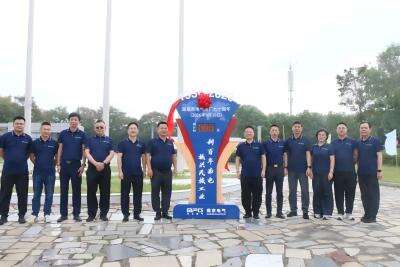
Nanjing Electric Holds Grand 89th Anniversary Celebration

26

Jan

Nanjing Electric Holds Grand 89th Anniversary Celebration

View More
Setting Sail for the World  From Export to Global Expansion, Baiyun Electric Accelerates Its Internationalization

26

Nov

Setting Sail for the World From Export to Global Expansion, Baiyun Electric Accelerates Its Internationalization

View More
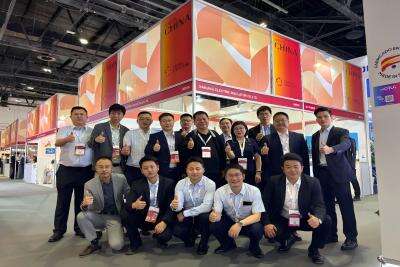
International Exhibition | Nanjing Electric Showcases at Middle East Energy 2025

26

Jan

International Exhibition | Nanjing Electric Showcases at Middle East Energy 2025

View More

Get a Free Quote

Our representative will contact you soon.
Email
Name
Company Name
Message
0/1000

types of bushings in transformer

Advanced Insulation Technology for Maximum Safety and Reliability

Advanced Insulation Technology for Maximum Safety and Reliability

The sophisticated insulation systems found in modern types of bushings in transformer applications represent a significant advancement in electrical safety technology. These advanced insulation designs utilize multiple barrier systems that provide redundant protection against electrical breakdown and ensure consistent performance under extreme operating conditions. The insulation technology incorporates carefully engineered dielectric materials that maintain their properties across wide temperature ranges and resist degradation from electrical stresses, moisture, and environmental contaminants. Different types of bushings in transformer installations employ various insulation approaches, including solid dielectric systems, oil-paper combinations, and gas-filled designs, each optimized for specific voltage levels and operating environments. The layered insulation structure creates multiple protective barriers that prevent electrical flashover while maintaining compact overall dimensions. This advanced technology enables safe operation at voltages ranging from distribution levels to extra-high-voltage transmission applications. The insulation systems also incorporate stress control elements that manage electric field distribution and prevent localized stress concentrations that could lead to premature failure. These stress control features include carefully shaped electrodes, grading materials, and optimized geometry that ensure uniform field distribution throughout the bushing structure. Quality manufacturing processes ensure consistent insulation performance through precise material application, controlled curing processes, and rigorous testing protocols. The result is enhanced electrical safety that protects both equipment and personnel while providing reliable long-term performance. Modern insulation technology also incorporates diagnostic capabilities that enable condition monitoring and predictive maintenance strategies. These diagnostic features allow operators to assess insulation condition without removing bushings from service, supporting proactive maintenance programs that prevent unexpected failures and extend equipment life.
Weather-Resistant Construction for Outdoor Performance Excellence

Weather-Resistant Construction for Outdoor Performance Excellence

The weather-resistant construction of various types of bushings in transformer applications ensures reliable outdoor performance regardless of environmental challenges. These robust designs incorporate specialized materials and protective features that withstand extreme weather conditions including intense sunlight, temperature cycling, humidity, precipitation, and pollution exposure. The exterior surfaces utilize advanced ceramic glazes, polymer coatings, or specially formulated compounds that resist UV degradation, thermal shock, and chemical attack from atmospheric pollutants. This weather resistance maintains both electrical performance and aesthetic appearance throughout extended service periods. Different types of bushings in transformer installations feature optimized shed designs that prevent water accumulation and enhance pollution performance through improved self-cleaning characteristics. These carefully engineered shed profiles direct water runoff while minimizing the collection of contaminants that could compromise electrical performance. The materials selection process emphasizes long-term stability under outdoor conditions, with proven track records in diverse climatic environments. Advanced polymer formulations resist cracking, chalking, and other forms of weathering that could create maintenance issues or performance degradation. The construction also incorporates effective sealing systems that prevent moisture ingress while accommodating thermal expansion and contraction cycles. These sealing technologies utilize elastomeric materials and precision-machined interfaces that maintain integrity throughout the equipment lifecycle. Quality outdoor bushings also feature corrosion-resistant hardware and connections that ensure reliable electrical performance and mechanical strength. The combination of superior materials and proven design principles delivers exceptional outdoor performance that reduces maintenance requirements and operational costs while maintaining consistent electrical characteristics in challenging environmental conditions.
Flexible Design Options for Diverse Application Requirements

Flexible Design Options for Diverse Application Requirements

The remarkable flexibility inherent in different types of bushings in transformer designs enables optimal solutions for diverse application requirements and installation constraints. This design versatility encompasses multiple configuration options including various mounting styles, conductor arrangements, voltage ratings, and dimensional specifications that accommodate unique project needs. Engineers can select from standardized designs or specify custom configurations that address specific technical requirements while maintaining compatibility with existing systems. The flexible approach includes options for different conductor materials, sizes, and termination methods that optimize electrical performance and installation convenience. Different types of bushings in transformer applications also offer various insulation systems that enable selection based on environmental conditions, maintenance preferences, and performance requirements. This flexibility extends to mechanical considerations including different flange designs, mounting orientations, and support structures that accommodate diverse installation scenarios. The modular design approach allows for easy field modifications and future upgrades without requiring complete system replacement. Quality manufacturers provide comprehensive selection guides and application support that help users identify optimal bushing configurations for their specific requirements. This selection support includes detailed performance data, dimensional drawings, and installation guidance that simplifies the specification process. The flexible design philosophy also incorporates standardized interfaces that ensure compatibility with various transformer designs and facilitate interchangeability between different bushing types when operational requirements change. Advanced manufacturing capabilities enable cost-effective production of both standard and custom configurations, providing users with optimal solutions regardless of project scale or complexity. This flexibility also extends to testing and certification options that meet various international standards and regional requirements. The result is comprehensive design flexibility that supports optimal system performance while maintaining cost-effectiveness and reliability across diverse applications and operating environments.

Get a Free Quote

Our representative will contact you soon.
Email
Name
Company Name
Message
0/1000
Newsletter
Please Leave A Message With Us