Premium Transformer Secondary Bushings - Advanced Insulation Solutions for Electrical Power Systems

Get a Free Quote

Our representative will contact you soon.
Email
Name
Company Name
Message
0/1000

transformer secondary bushings

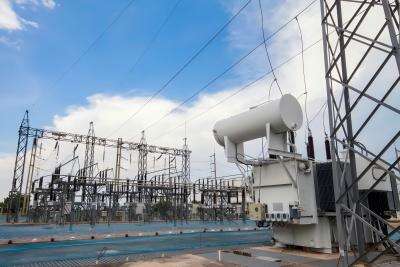
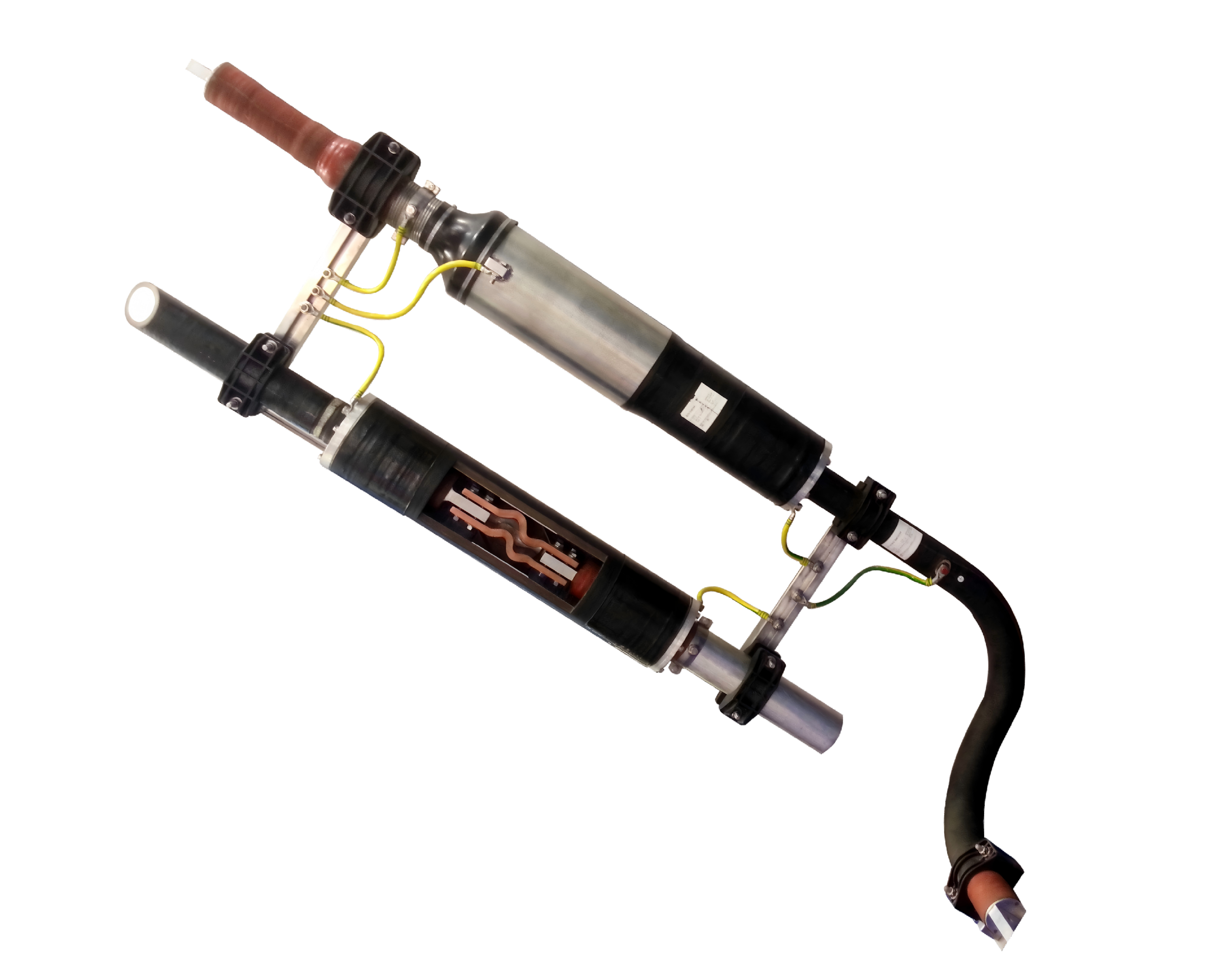
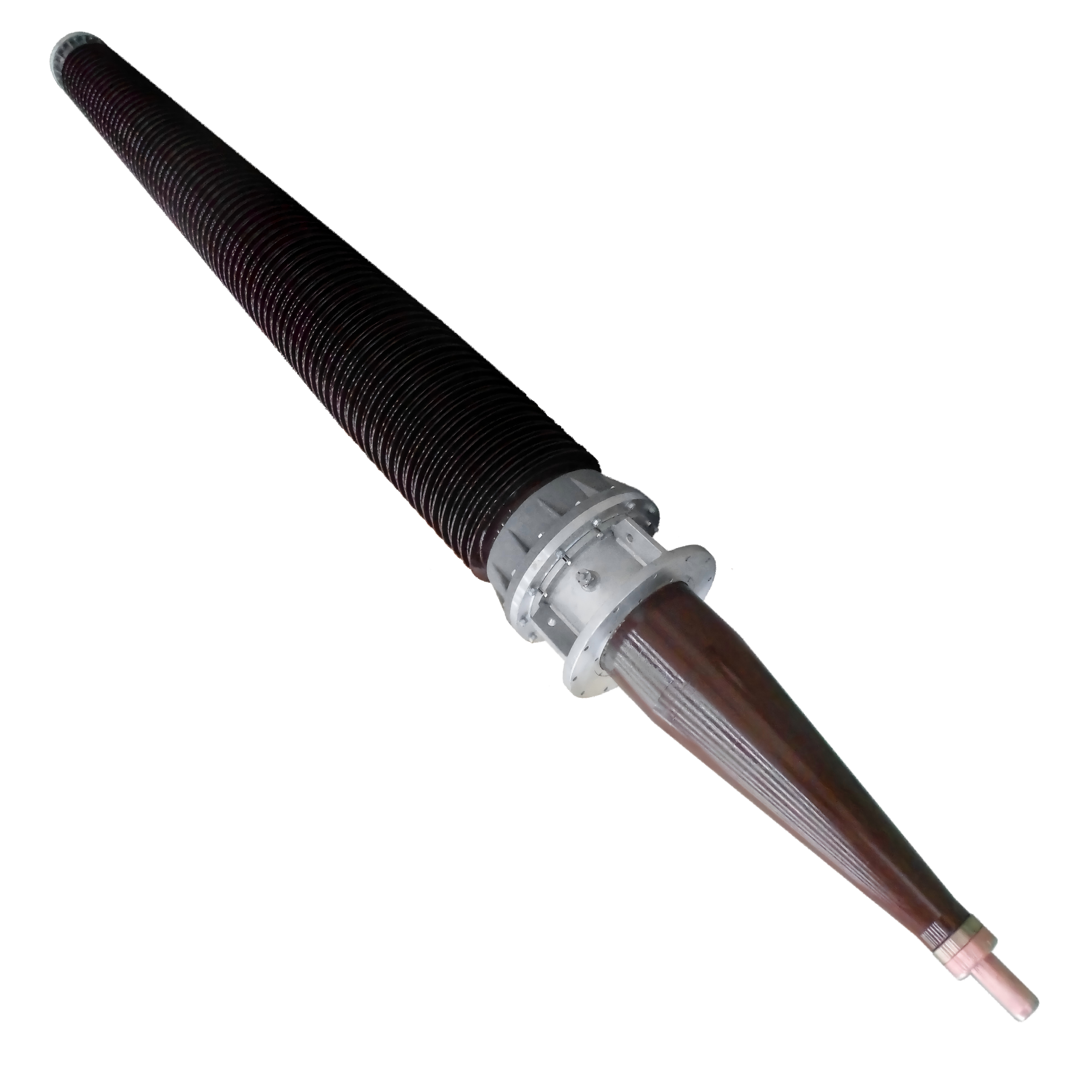
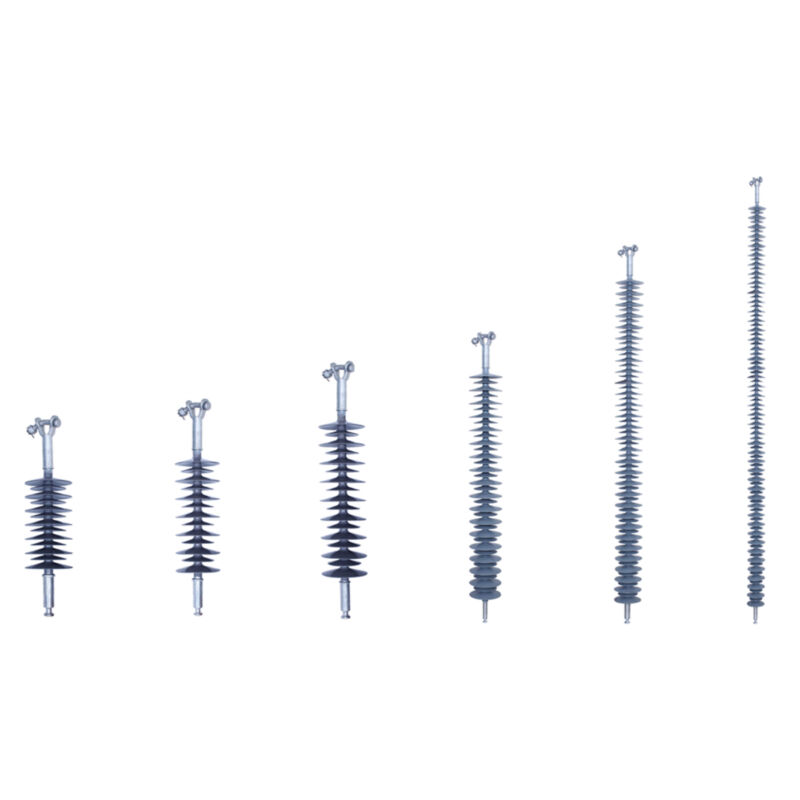
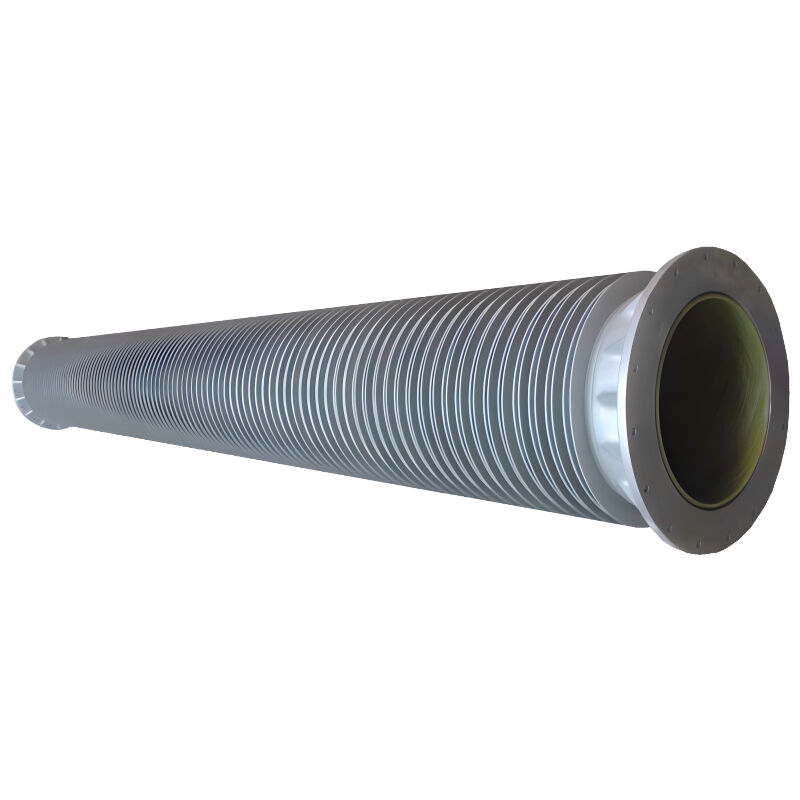
Transformer secondary bushings represent critical components in electrical power systems, serving as essential insulation and connection interfaces between the transformer's internal secondary windings and external electrical networks. These specialized devices facilitate the safe passage of electrical current from the transformer's secondary circuit to distribution systems while maintaining optimal insulation properties. The primary function of transformer secondary bushings centers on providing reliable electrical conductivity paired with robust dielectric strength to prevent voltage breakdown and ensure operational safety. Modern transformer secondary bushings incorporate advanced materials and engineering designs that accommodate various voltage levels and current capacities. The technological architecture typically features a central conductor surrounded by multiple layers of insulation materials, often including porcelain, composite materials, or specialized polymers. These insulation systems must withstand both electrical stress and environmental conditions including temperature fluctuations, moisture, and mechanical vibrations. The bushings also incorporate capacitive grading systems that distribute electrical stress uniformly across the insulation structure, preventing localized high-field concentrations that could lead to premature failure. Applications for transformer secondary bushings span across diverse sectors including power generation facilities, electrical substations, industrial manufacturing plants, and commercial distribution networks. In power generation stations, these bushings connect transformers to transmission lines, enabling efficient power transfer from generators to the electrical grid. Industrial applications often require specialized transformer secondary bushings designed for specific voltage ratings and environmental conditions. The design considerations include factors such as creepage distance, flashover voltage, mechanical strength, and thermal performance. Quality transformer secondary bushings undergo rigorous testing procedures including dielectric strength testing, partial discharge measurements, and thermal cycling evaluations to ensure long-term reliability and performance consistency in demanding electrical environments.

New Product Releases

Transformer secondary bushings deliver numerous practical benefits that directly impact system reliability, operational efficiency, and maintenance costs for electrical infrastructure owners. The superior insulation performance provides exceptional protection against electrical faults, significantly reducing the risk of costly outages and equipment damage. This enhanced protection translates into improved system uptime and reduced maintenance expenses over the equipment's operational lifetime. The robust construction of quality transformer secondary bushings ensures extended service life, often exceeding twenty-five years with proper maintenance protocols. This longevity provides excellent return on investment by minimizing replacement costs and reducing downtime associated with bushing replacements. The advanced materials used in modern transformer secondary bushings offer superior resistance to environmental stressors including UV radiation, temperature extremes, and chemical exposure. This environmental resilience ensures consistent performance across diverse installation locations and climate conditions. Installation flexibility represents another significant advantage, as transformer secondary bushings accommodate various mounting configurations and connection requirements. This adaptability simplifies integration into existing systems and reduces installation complexity and associated labor costs. The compact design of contemporary transformer secondary bushings optimizes space utilization in substations and electrical facilities, allowing for more efficient facility layouts and potentially reducing real estate requirements. Enhanced safety features built into transformer secondary bushings protect personnel and equipment from electrical hazards through improved insulation coordination and fault containment capabilities. The standardized designs ensure compatibility with industry specifications and regulatory requirements, simplifying procurement processes and ensuring compliance with safety standards. Maintenance advantages include simplified inspection procedures and clear visual indicators that help identify potential issues before they develop into costly failures. The modular construction of many transformer secondary bushings enables selective replacement or refurbishment without requiring complete transformer shutdown, minimizing operational disruption. Advanced monitoring capabilities available in newer transformer secondary bushings provide real-time condition assessment data, enabling predictive maintenance strategies that optimize maintenance scheduling and resource allocation. These monitoring systems can detect developing problems early, allowing for proactive intervention before catastrophic failures occur, ultimately protecting valuable transformer assets and maintaining grid reliability.

Latest News

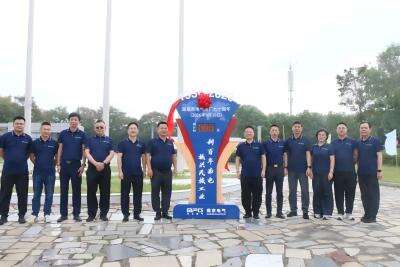
Nanjing Electric Holds Grand 89th Anniversary Celebration

26

Jan

Nanjing Electric Holds Grand 89th Anniversary Celebration

View More
Setting Sail for the World  From Export to Global Expansion, Baiyun Electric Accelerates Its Internationalization

26

Nov

Setting Sail for the World From Export to Global Expansion, Baiyun Electric Accelerates Its Internationalization

View More
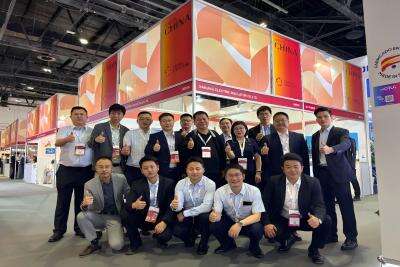
International Exhibition | Nanjing Electric Showcases at Middle East Energy 2025

26

Jan

International Exhibition | Nanjing Electric Showcases at Middle East Energy 2025

View More

Get a Free Quote

Our representative will contact you soon.
Email
Name
Company Name
Message
0/1000

transformer secondary bushings

Advanced Insulation Technology for Maximum Electrical Safety

Advanced Insulation Technology for Maximum Electrical Safety

The cornerstone of superior transformer secondary bushings lies in their sophisticated insulation technology that ensures maximum electrical safety and system reliability. Modern transformer secondary bushings employ multi-layer insulation systems engineered with cutting-edge materials science to withstand extreme electrical stresses while maintaining optimal performance characteristics. The insulation structure typically incorporates high-grade porcelain or advanced composite materials that provide exceptional dielectric strength, ensuring reliable operation even under challenging electrical conditions. These materials undergo extensive quality testing to verify their ability to resist electrical breakdown, moisture ingress, and thermal stress. The capacitive grading system integrated within the insulation design represents a breakthrough in electrical field management, distributing voltage stress uniformly throughout the bushing structure. This uniform stress distribution prevents the formation of localized high-field areas that could compromise insulation integrity and lead to premature failure. The grading system utilizes precisely calculated capacitive elements that create a controlled voltage gradient, ensuring that no single point experiences excessive electrical stress. Environmental sealing technologies incorporated into transformer secondary bushings provide comprehensive protection against moisture, contamination, and atmospheric pollutants that could degrade insulation performance over time. Advanced sealing materials and gasket systems create multiple barriers against environmental intrusion, maintaining the insulation system's integrity throughout the bushing's operational life. Temperature compensation features built into the insulation design account for thermal expansion and contraction cycles, preventing mechanical stress that could damage insulation components during normal operating temperature variations. The insulation system's design also incorporates provisions for partial discharge suppression, utilizing specialized materials and geometric configurations that minimize the occurrence of partial discharges that could gradually degrade insulation materials. Quality assurance protocols for the insulation system include comprehensive factory testing procedures that verify dielectric strength, impulse withstand capability, and long-term aging characteristics under accelerated test conditions. These rigorous testing procedures ensure that each transformer secondary bushing meets or exceeds industry standards for electrical safety and reliability, providing customers with confidence in their electrical infrastructure investments.
Enhanced Durability and Weather Resistance for Long-Term Performance

Enhanced Durability and Weather Resistance for Long-Term Performance

Transformer secondary bushings engineered for enhanced durability deliver exceptional long-term performance through advanced materials selection and robust construction methodologies designed to withstand harsh environmental conditions and operational stresses. The weather-resistant properties of premium transformer secondary bushings stem from carefully selected materials that resist degradation from ultraviolet radiation, temperature cycling, chemical exposure, and mechanical stress. High-quality porcelain glazes or advanced polymer compounds used in the external housing provide superior resistance to weathering effects, maintaining both electrical and mechanical properties throughout decades of service. The material composition undergoes rigorous testing for UV stability, ensuring that prolonged exposure to sunlight does not compromise the bushing's structural integrity or electrical performance characteristics. Thermal management capabilities built into transformer secondary bushings accommodate the significant temperature variations encountered in outdoor electrical installations. The thermal design incorporates materials with appropriate expansion coefficients and thermal conductivity properties to manage heat generation and dissipation effectively. This thermal management prevents the development of hot spots that could accelerate aging processes or create mechanical stress within the bushing structure. Mechanical strength characteristics of robust transformer secondary bushings enable them to withstand dynamic loads from wind, seismic activity, and operational vibrations without compromising electrical integrity. The structural design incorporates safety factors that account for extreme weather conditions including ice loading, high winds, and temperature extremes. Corrosion resistance features protect metallic components from electrochemical degradation in challenging environments, utilizing specialized coatings, galvanization, or corrosion-resistant alloys as appropriate for specific installation conditions. The connection hardware incorporates materials and designs that maintain low contact resistance throughout the service life, preventing the development of hot spots that could lead to premature failure. Maintenance accessibility features facilitate routine inspection and preventive maintenance procedures, enabling early detection of potential issues before they compromise system reliability. The modular construction approach employed in advanced transformer secondary bushings allows for selective component replacement or refurbishment, extending the overall service life while minimizing maintenance costs and system downtime.
Optimized Performance Monitoring and Predictive Maintenance Capabilities

Optimized Performance Monitoring and Predictive Maintenance Capabilities

Modern transformer secondary bushings incorporate sophisticated performance monitoring and predictive maintenance capabilities that revolutionize asset management strategies and enhance system reliability through data-driven maintenance approaches. Integrated monitoring systems within advanced transformer secondary bushings continuously collect operational data including temperature profiles, electrical parameters, and mechanical stress indicators that provide comprehensive insights into bushing health and performance trends. These monitoring capabilities utilize advanced sensor technologies strategically positioned throughout the bushing structure to capture critical performance metrics without compromising electrical integrity or introducing additional failure modes. Temperature monitoring systems track thermal gradients and hot spot development, enabling operators to identify developing problems before they progress to failure conditions. The thermal monitoring data helps optimize loading conditions and identify maintenance requirements based on actual operating conditions rather than arbitrary time-based schedules. Partial discharge monitoring capabilities detect the onset of insulation degradation processes that could lead to catastrophic failures if left unaddressed. These systems employ sophisticated signal processing algorithms to differentiate between normal operational transients and genuine partial discharge activity, providing reliable early warning of developing insulation problems. Vibration monitoring features track mechanical stress and dynamic loading conditions that could affect bushing integrity over time, particularly in installations subject to seismic activity or high wind conditions. The monitoring data enables predictive analytics that forecast maintenance requirements based on actual usage patterns and environmental exposure rather than conservative generic maintenance schedules. Remote monitoring capabilities allow centralized condition assessment across multiple installations, enabling efficient resource allocation and coordinated maintenance planning. The data communication systems utilize secure protocols to transmit monitoring information to central control systems while maintaining cybersecurity standards appropriate for critical infrastructure applications. Trending analysis capabilities identify gradual degradation patterns that might not be apparent through periodic manual inspections, enabling proactive maintenance intervention before problems affect system reliability. The monitoring systems also provide valuable data for optimizing transformer loading and operating procedures to maximize equipment life while maintaining reliable service. Integration with broader asset management systems allows transformer secondary bushing monitoring data to contribute to comprehensive substation and power system health assessment programs, supporting strategic maintenance planning and capital investment decisions.

Get a Free Quote

Our representative will contact you soon.
Email
Name
Company Name
Message
0/1000
Newsletter
Please Leave A Message With Us