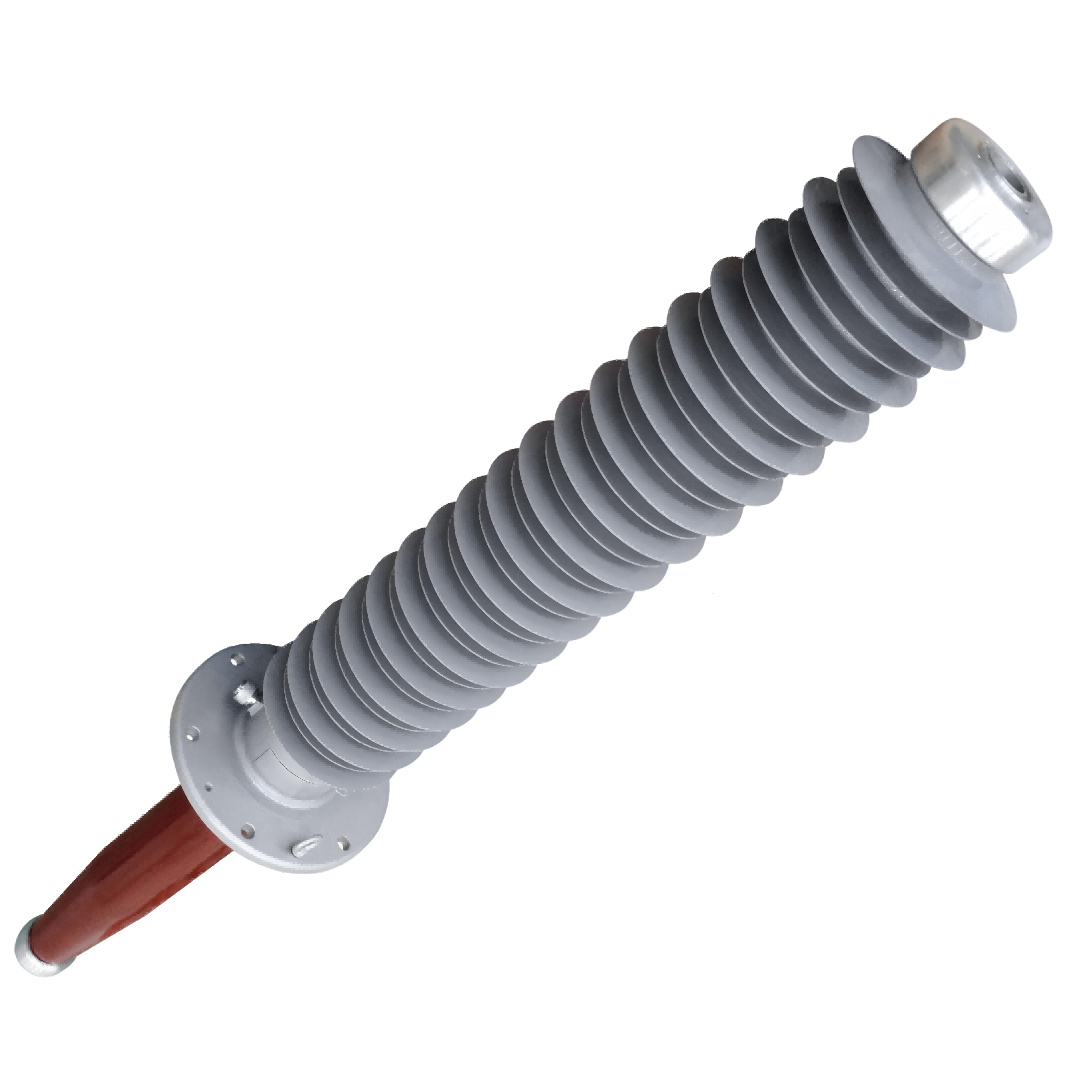
transformer ht bushing
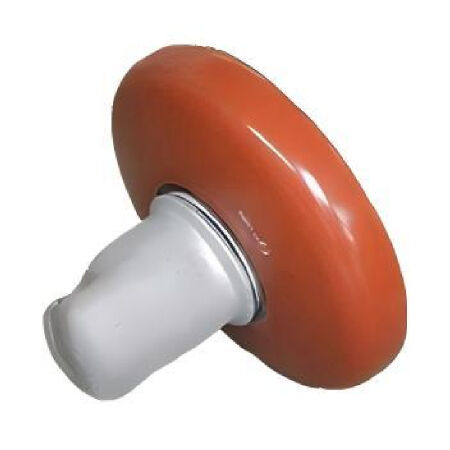
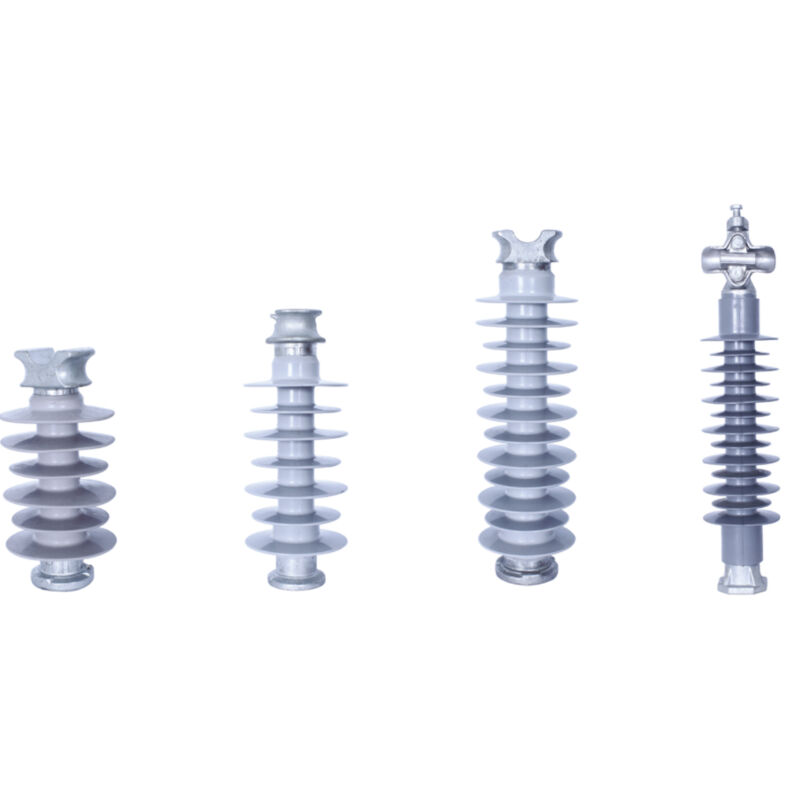
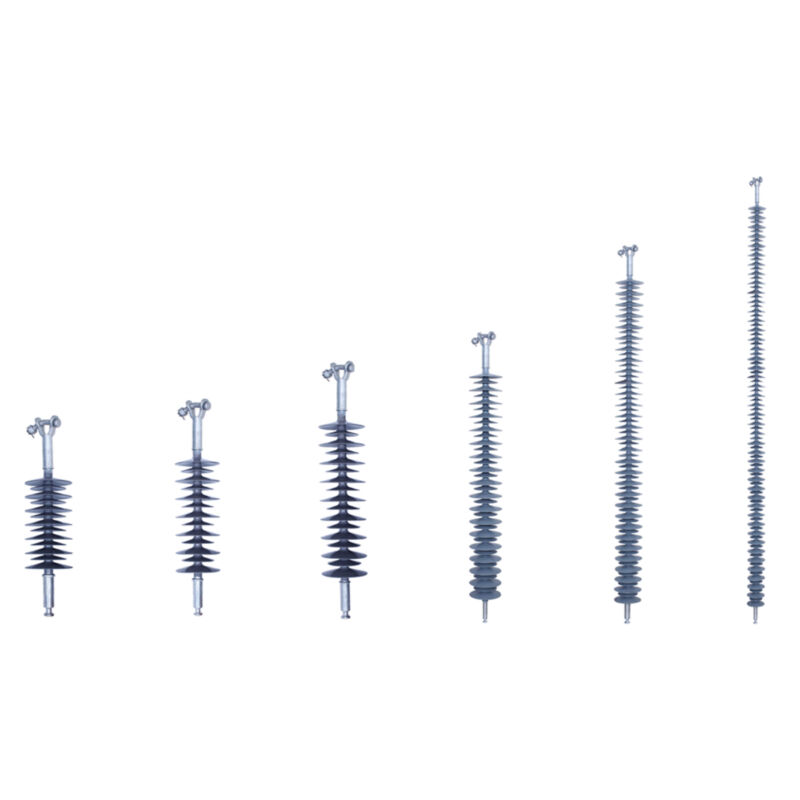
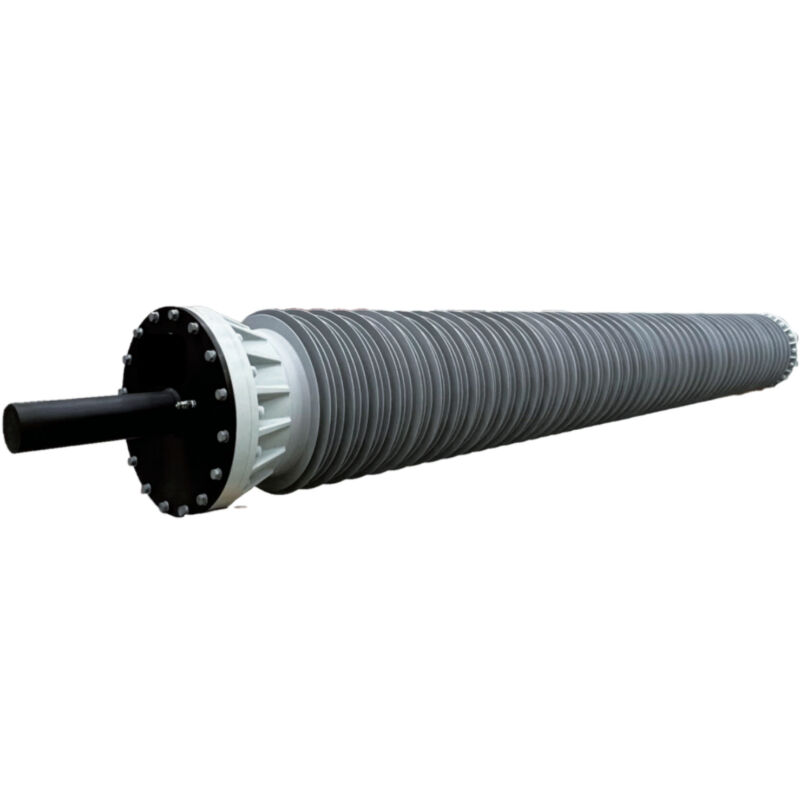
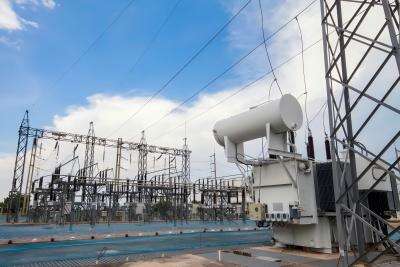
Transformer HT bushing represents a critical component in high-voltage electrical systems, serving as the essential interface between external power lines and transformer windings. These specialized devices facilitate the safe passage of electrical current through transformer tank walls while maintaining proper insulation and protection against environmental factors. The transformer HT bushing operates under extreme electrical stress conditions, requiring sophisticated engineering to ensure reliable performance in power transmission and distribution networks. Modern transformer HT bushing designs incorporate advanced materials and construction techniques to withstand high voltages, typically ranging from 33kV to 800kV or higher. The primary function involves providing a secure electrical connection while preventing electrical breakdown between live conductors and grounded transformer tanks. Each transformer HT bushing features multiple layers of insulation, including porcelain or composite materials for external protection and oil-impregnated paper or resin systems for internal insulation. The technological architecture includes capacitive grading systems that distribute electrical stress evenly across the bushing length, preventing dangerous voltage concentrations that could cause failure. Advanced transformer HT bushing models integrate monitoring capabilities, allowing real-time assessment of insulation condition and operating parameters. These components find extensive applications in power stations, substations, industrial facilities, and renewable energy installations where reliable high-voltage connections are essential. The robust construction ensures long service life even under harsh environmental conditions, including extreme temperatures, humidity, and pollution. Manufacturing standards require rigorous testing protocols to verify electrical, mechanical, and thermal performance characteristics. Quality transformer HT bushing designs incorporate features like creepage distance optimization, weather sealing, and corrosion resistance to maintain operational integrity throughout their service life, typically spanning several decades in properly maintained electrical systems.
 ×
×

 EN
EN