
 EN
EN



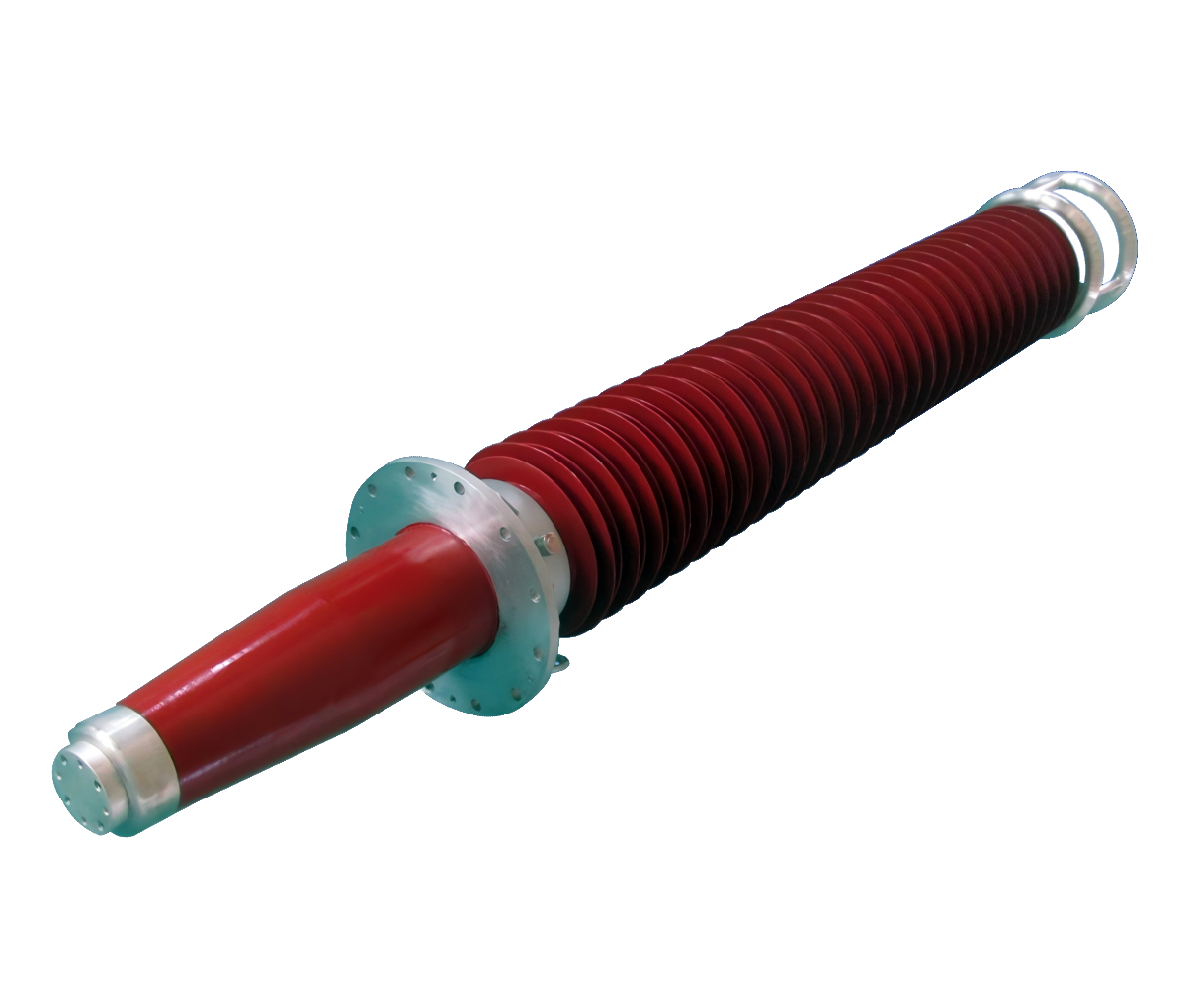
Gas-insulated switchgear represents one of the most advanced electrical distribution solutions available today, and the gis bushing plays a critical role in maintaining system safety and performance. Understanding how a gis bushing functions and contributes to overall switchgear protection is essential for utility operators, electrical engineers, and facility managers who depend on reliable power infrastructure. A gis bushing serves as the critical interface between the high-voltage components inside the switchgear and the external circuit connections, making it a fundamental safety component that cannot be overlooked.
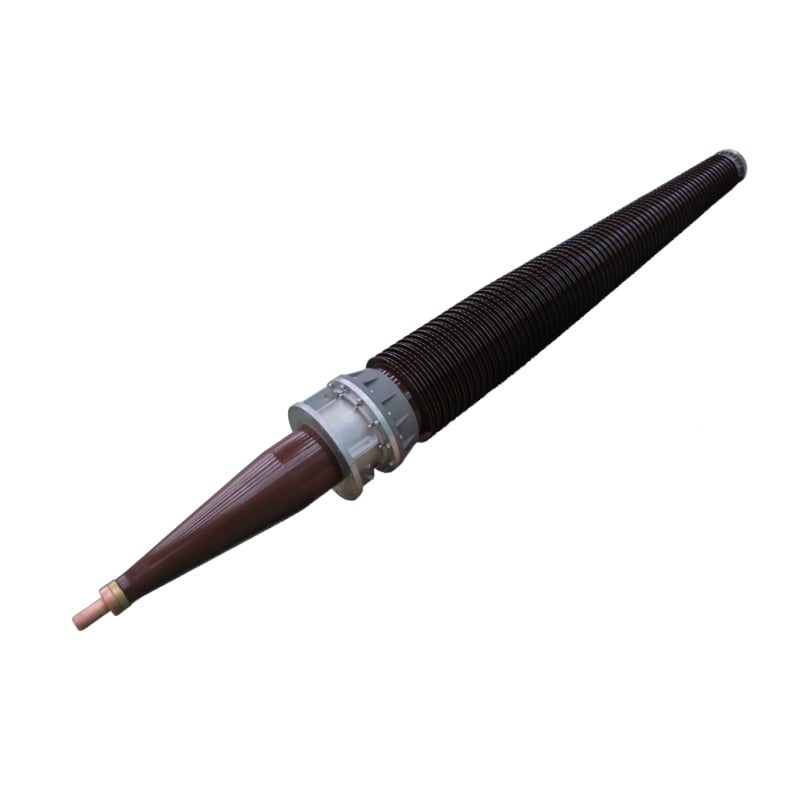
The engineering excellence embedded in a modern gis bushing directly translates into measurable safety improvements across electrical distribution networks. By maintaining precise electrical insulation, preventing contamination, and enabling reliable connections, a gis bushing reduces the likelihood of catastrophic failures, equipment damage, and operational disruptions. This comprehensive guide explains the mechanisms through which a gis bushing enhances safety, the technical features that make this enhancement possible, and the practical implications for long-term system reliability.
Electrical Insulation and Arc Prevention
The Role of Advanced Insulation Materials in a GIS Bushing
Electrical insulation stands as the primary safety mechanism within a gis bushing, protecting against unwanted electrical discharge and arc formation. A modern gis bushing incorporates composite materials and ceramic elements specifically engineered to withstand transient overvoltages, switching surges, and sustained high-voltage stress. These materials are selected based on rigorous testing protocols to ensure that a gis bushing maintains dielectric strength across the full operational temperature range and throughout its service life. The insulation system within a gis bushing must resist both thermal stress and electrical stress simultaneously, requiring careful material selection and manufacturing precision.
Voltage Stress Distribution Within a GIS Bushing
One of the most important safety functions of a gis bushing is its ability to distribute electrical stress evenly across its structure, preventing localized field concentrations that could trigger failure. A gis bushing achieves this through graduated electrode designs and precisely controlled geometric dimensions that shape the electric field uniformly. When voltage stress concentrates in small areas, arc inception becomes likely; however, a properly designed gis bushing distributes this stress so broadly that the material remains safe even under extreme transient conditions. This stress management capability makes a gis bushing essential for protecting downstream equipment and preventing cascade failures in complex switchgear assemblies.
Contamination Control and Sealed System Protection
Preventing Environmental Degradation Through a GIS Bushing Design
A gis bushing operates within a sealed gas environment designed to exclude moisture, dust, and reactive contaminants that would otherwise accelerate material degradation. The physical structure of a gis bushing includes multiple seal points and surface geometries that actively prevent moisture ingress and environmental contamination. Unlike traditional air-insulated equipment, a gis bushing benefits from the inherent purity of sulfur hexafluoride gas, which maintains its insulation properties even as surfaces accumulate age. This contamination resistance means a gis bushing can maintain consistent safety performance over decades of operation without the surface cleaning and maintenance that air-insulated bushings require.
Maintaining Gas Purity Around a GIS Bushing
The integrity of the insulating gas surrounding a gis bushing is fundamental to its safety function, and system design ensures that a gis bushing remains immersed in consistently pure gas. Any degradation of a gis bushing surface produces particulate matter that could compromise gas quality, so manufacturers employ smooth surface finishes and corrosion-resistant coatings that minimize such degradation. Monitoring systems that track gas condition around a gis bushing provide early warning of potential issues, allowing operators to address problems before a gis bushing performance deteriorates. This proactive approach transforms a gis bushing into part of a comprehensive system health management strategy rather than a standalone component.
Mechanical Integrity and Connection Reliability
Structural Stability Provided by a GIS Bushing Assembly
A gis bushing must withstand not only electrical stress but also significant mechanical forces generated during switching transients and fault conditions. The structural design of a gis bushing incorporates reinforced flanges, stress-limiting geometries, and precision manufacturing that ensures consistent performance across millions of switching cycles. A gis bushing that fails mechanically can create internal gaps and gas escape pathways that compromise the entire switchgear system, making mechanical reliability as critical as electrical safety. Modern manufacturing standards for a gis bushing include ultrasonic inspection, dimensional verification, and pressure testing that confirm structural integrity before installation.
Ensuring Reliable External Connections from a GIS Bushing
The external connection point of a gis bushing serves as the critical interface where internal high-voltage components link to the external circuit network. A poorly designed or improperly maintained gis bushing terminal can become a failure initiation point, leading to tracking, corrosion, and eventual electrical failure. A robust gis bushing terminal design incorporates weather-resistant materials, carefully engineered surface geometries, and connection hardware that resists corrosion and vibration. Proper installation of a gis bushing includes torque-controlled fastening, alignment verification, and sometimes temperature monitoring to ensure that the external connection remains secure throughout the operational life. These connection standards make a gis bushing as reliable as the switchgear system it serves.
Real-World Safety Impact and System Benefits
Reducing Downtime Through Improved GIS Bushing Reliability
The safety improvements provided by a gis bushing translate directly into operational benefits that utilities and industrial facilities can quantify and plan for. A gis bushing failure forces extended shutdowns for repair or replacement, disrupting power delivery and creating revenue losses for utilities and operational disruptions for end customers. A well-maintained gis bushing system significantly extends mean time between failures, allowing operators to schedule maintenance proactively rather than responding to emergencies. Condition monitoring systems that track parameters around a gis bushing provide visibility into component health, enabling predictive maintenance strategies that protect system reliability.
Supporting Network Resilience with a GIS Bushing System
Modern electrical grids depend on high-availability switchgear, and a reliable gis bushing is fundamental to achieving the uptime requirements that contemporary energy systems demand. When a gis bushing operates within design parameters and benefits from appropriate maintenance, the entire switchgear unit becomes more stable and predictable. A gis bushing failure can cascade into broader system damage, so preventing such failure protects not just the immediate switchgear installation but the wider network that depends on it. Investing in high-quality gis bushing components and maintaining them to manufacturer specifications represents essential infrastructure stewardship that benefits all stakeholders in the power system.
FAQ
What makes a GIS bushing safer than traditional air-insulated bushings?
A gis bushing operates in a sealed, pure gas environment that prevents moisture and contamination from reaching insulation surfaces, whereas traditional bushings are exposed to atmospheric conditions. The superior dielectric strength of sulfur hexafluoride gas allows a gis bushing to maintain insulation integrity in a more compact design. A gis bushing also benefits from controlled internal pressure monitoring and systematic maintenance protocols that can detect degradation before failure occurs, making the overall system more predictable and safer.
How often should a GIS bushing be inspected and maintained?
A gis bushing should be inspected as part of regular switchgear maintenance schedules, typically annually or according to manufacturer recommendations specific to your installation. Visual inspection of a gis bushing external surfaces should check for corrosion, deposits, or visible damage, while gas quality analysis indirectly monitors gis bushing condition by detecting decomposition products. Thermography and electrical testing can reveal developing issues in a gis bushing before they become critical, allowing preventive replacement or repair to occur during planned maintenance windows rather than during emergencies.
Can a GIS bushing be repaired or must it always be replaced?
Minor external corrosion or deposits on a gis bushing can often be cleaned and treated without full replacement, though internal defects typically require replacement of the entire gis bushing assembly. gis bushing components are engineered as sealed units, and attempting to open or repair internal elements risks compromising the insulation system. Qualified service providers can assess whether a specific gis bushing condition warrants repair or replacement, weighing the cost of intervention against the safety implications and remaining service life of the component.