
 EN
EN



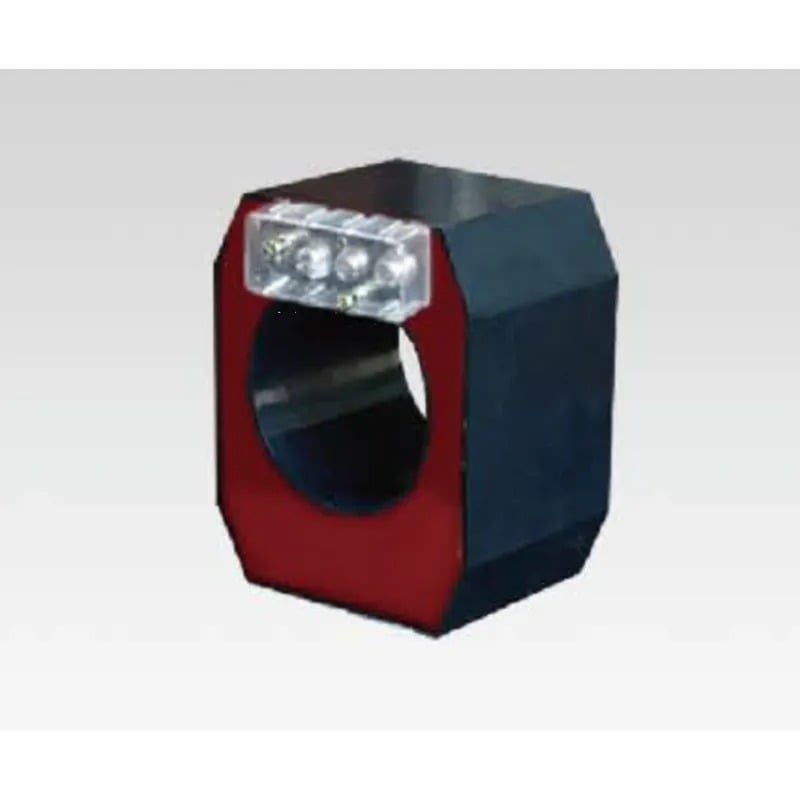
A distribution current transformer serves as a critical measurement device in electrical power systems, converting high amperage into lower, measurable currents for protection relays, metering equipment, and control circuits. Understanding how load conditions impact the accuracy of a distribution current transformer is essential for maintaining system reliability, ensuring proper equipment protection, and achieving accurate energy measurement across industrial and utility networks. The performance of a distribution current transformer depends on numerous factors, with load conditions representing one of the most significant variables affecting measurement precision and operational efficiency.
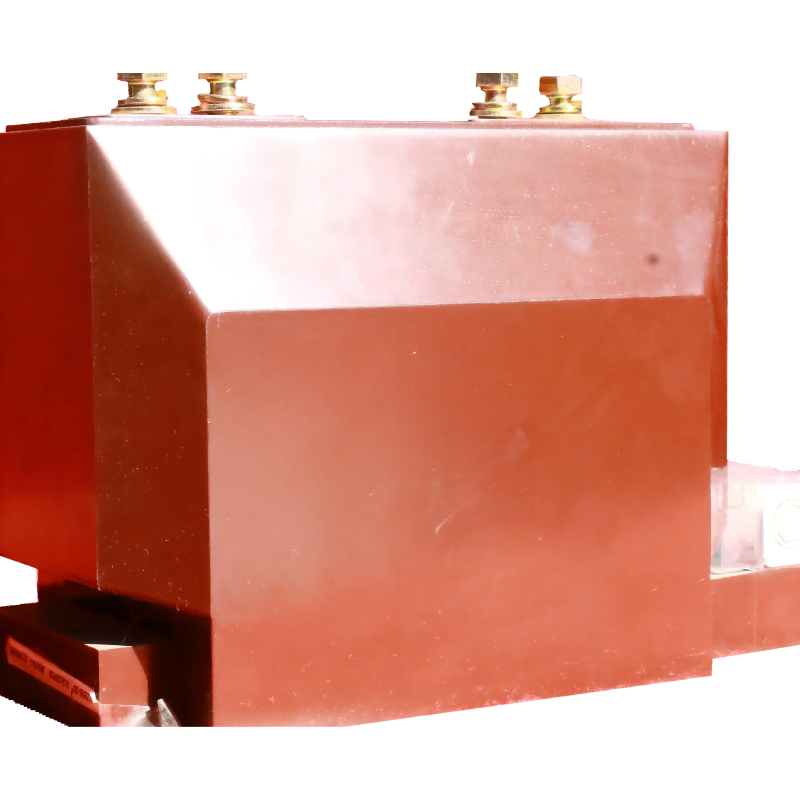
The accuracy of a distribution current transformer directly influences protective relay coordination, billing accuracy, and system diagnostics. When load conditions deviate from design specifications, the distribution current transformer may experience saturation, increased core losses, and phase shift errors that compromise measurement integrity. Load variations—whether from sudden demand spikes, equipment disconnections, or seasonal fluctuations—create dynamic stress on the distribution current transformer core and secondary winding, necessitating careful evaluation of operating conditions.
How Load Conditions Affect Distribution Current Transformer Core Saturation
Understanding Core Saturation in Distribution Current Transformers
Core saturation occurs when the magnetic flux density in a distribution current transformer exceeds the material's capability to support additional magnetization. At rated load, a distribution current transformer operates within its designed flux range, maintaining linear relationship between primary and secondary currents. However, excessive load currents push the core into saturation, where incremental changes in primary current produce disproportionately small changes in secondary output. This nonlinear behavior directly degrades the accuracy of a distribution current transformer, causing measurement errors that propagate through protection and metering systems. The saturation point varies based on core material composition, cross-sectional area, and design margins built into the distribution current transformer.
Load Transients and Saturation Dynamics
Sudden load changes generate transient currents that impose momentary extreme stress on a distribution current transformer's magnetic circuit. When a large motor starts or a feeder switches, the resulting inrush current can momentarily exceed the distribution current transformer's rated capability by several multiples, forcing rapid core saturation. During these transients, the distribution current transformer secondary voltage spike increases dramatically, potentially causing protection relay misoperation or temporary loss of accurate measurement. The recovery time for a distribution current transformer following saturation depends on the remnant flux in the core and the magnitude of the overstress event. Properly designed protection circuits must account for saturation behavior of the distribution current transformer to prevent nuisance trips while maintaining sensitivity to genuine faults.
Secondary Burden and Load Effects on Distribution Current Transformer Accuracy
Impact of Secondary Circuit Load on Measurement Precision
The secondary burden of a distribution current transformer—the total impedance connected to its secondary winding—significantly influences measurement accuracy and voltage development across the secondary circuit. When secondary burden exceeds the rated value, the distribution current transformer must work harder to develop sufficient secondary voltage, increasing core flux density and moving the operating point closer to saturation. Excessive secondary burden causes the distribution current transformer accuracy class to degrade, introducing ratio errors that falsify metering records and compromise protection selectivity. Modern distribution current transformer designs include burden ratings specified in volt-amperes at rated current, with typical values ranging from 2.5 to 10 VA depending on application class. When integrators, digital relays, or multiple protection devices connect to a single distribution current transformer secondary, cumulative burden can easily exceed design limits, necessitating careful circuit engineering and periodic verification.
Secondary Voltage Development and Load Current Interaction
At light load conditions, a distribution current transformer secondary develops minimal voltage across its burden impedance, allowing the core to operate at lower flux densities where linearity remains excellent and accuracy approaches ideal specifications. As load current increases, secondary voltage development rises proportionally until approaching knee-point conditions where core saturation accelerates. The relationship between primary current and secondary voltage in a distribution current transformer becomes increasingly nonlinear under heavy load, particularly when secondary burden is substantial. For accurate energy measurement and reliable protection operation, the distribution current transformer must remain linear across its entire expected load range. Engineers select distribution current transformer accuracy classes—such as 0.2S, 0.5S, or 1.0S for metering applications—based on anticipated maximum load conditions and acceptable measurement error limits. Undersizing a distribution current transformer for actual load conditions creates chronic accuracy degradation that accumulates into significant billing errors or protection failures over time.
Temperature Rise and Load-Related Performance Degradation
Thermal Effects on Distribution Current Transformer Materials and Accuracy
Sustained high load conditions generate heat in the distribution current transformer windings and core through resistive and eddy current losses, raising internal temperature well above ambient levels. The copper resistance in the distribution current transformer secondary winding increases approximately 0.4% per degree Celsius, directly affecting the voltage drop across secondary burden and introducing ratio errors proportional to temperature rise. The core permeability of ferromagnetic material in a distribution current transformer decreases with increasing temperature, causing the saturation knee to shift to lower flux densities and reducing the current range over which the distribution current transformer maintains rated accuracy class. Operating temperatures exceeding design specifications—typically 65 to 100 degrees Celsius depending on insulation class—accelerate aging of the distribution current transformer winding insulation and reduce component lifespan. Seasonal load variations and intermittent peak demand periods can cause temperature cycling that stresses mechanical connections and dielectric insulation within the distribution current transformer structure.
Load Duration and Thermal Stability of Distribution Current Transformer Performance
Short-duration load peaks typically cause minimal thermal stress to a distribution current transformer because core and winding temperatures remain within acceptable ranges and rapidly return to baseline after the transient passes. Conversely, sustained high load conditions over hours or days create cumulative thermal stress that gradually shifts the operating characteristics of the distribution current transformer. The accuracy class rating of a distribution current transformer assumes operation at rated burden and rated primary current under specified ambient temperature conditions; sustained operation significantly above these parameters voids accuracy guarantees. In utility substations and industrial facilities, load profiling and thermal analysis of the distribution current transformer inform decisions about asset replacement, reinforcement, or operational load shedding. Advanced monitoring systems now track the operating temperature and burden of critical distribution current transformers, alerting operators when conditions risk accuracy degradation or accelerated equipment aging.
FAQ
What is the primary cause of accuracy loss in a distribution current transformer under high load?
Core saturation represents the primary mechanism of accuracy loss in a distribution current transformer during high load operation. When primary current exceeds design parameters, the magnetic flux density in the ferromagnetic core exceeds the saturation threshold, causing the secondary current to become nonlinear relative to primary current. This nonlinearity introduces ratio errors and phase shift that corrupt measurement signals sent to protective relays and metering devices. Additionally, excessive secondary burden combined with high primary current accelerates saturation by forcing higher core flux density, amplifying the accuracy degradation of the distribution current transformer.
How do engineers select a distribution current transformer to ensure accuracy under anticipated load conditions?
Selection of an appropriate distribution current transformer requires detailed analysis of maximum expected primary current, anticipated secondary burden from all connected protection and metering devices, and required accuracy class for the specific application. Engineers calculate the distribution current transformer knee-point voltage and compare it against the voltage that develops across secondary burden at maximum load; the distribution current transformer must remain well below saturation across the entire load range to maintain rated accuracy class. For metering applications requiring high accuracy, distribution current transformer designers typically specify lower accuracy classes such as 0.2S or 0.5S, accepting higher cost to ensure measurement precision despite load variations. Secondary burden must be verified and documented during design; future additions of digital relays or monitoring equipment must not exceed the rated burden of the selected distribution current transformer without causing accuracy degradation.
Can load conditions cause permanent damage to a distribution current transformer?
While transient overload during normal operation typically does not cause permanent damage to a properly designed distribution current transformer, sustained operation under extreme load conditions accelerates aging and eventually causes failure. Thermal stress from continuous overheating damages winding insulation, eventually leading to short circuits within the distribution current transformer secondary winding or loss of magnetic coupling between primary and secondary. Mechanical stress from repeated load transients and core saturation cycles can eventually cause winding displacement or core delamination. In utility systems, distribution current transformer replacement becomes necessary when thermal damage compromises accuracy or when insulation breakdown introduces safety risks and measurement errors that cannot be tolerated.