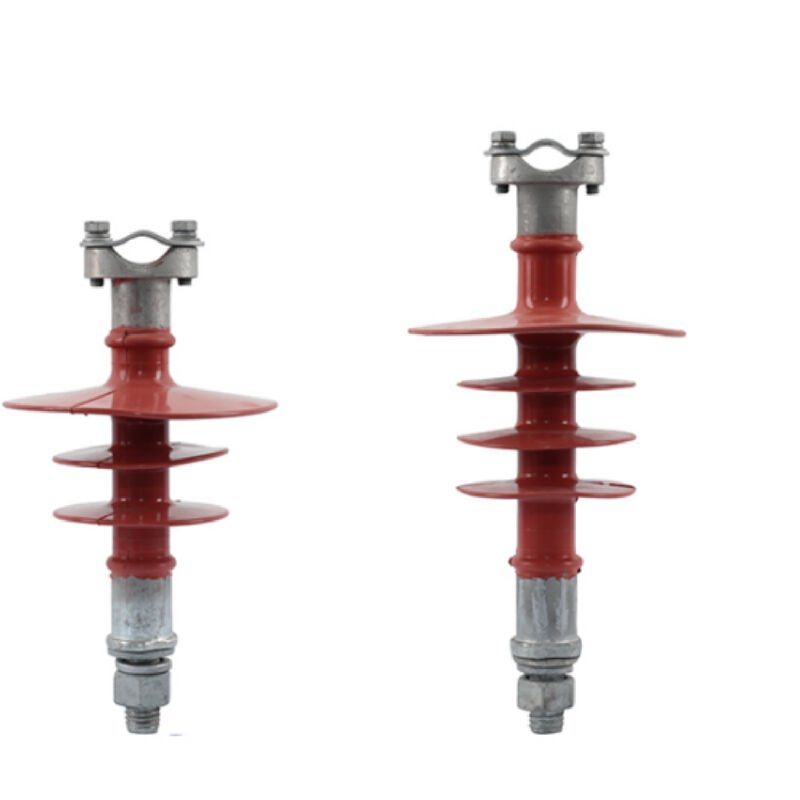
Industrial High Voltage Systems: Advanced Power Solutions for Modern Industrial Applications

Get a Free Quote

Our representative will contact you soon.
Email
Name
Company Name
Message
0/1000

industrial high voltage

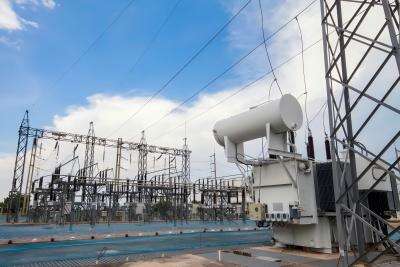
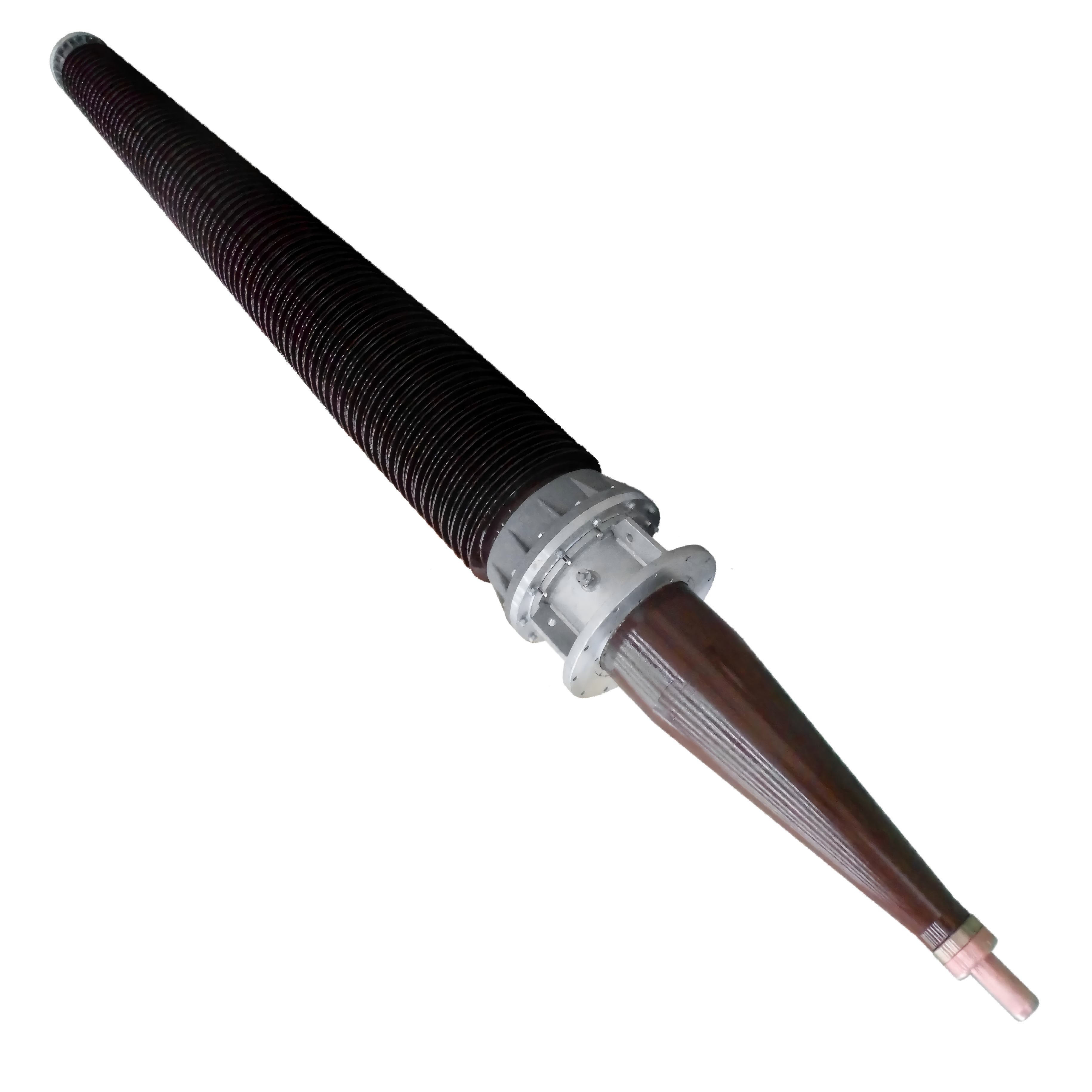
Industrial high voltage systems represent critical infrastructure components that handle electrical power transmission and distribution at voltage levels typically ranging from 1,000 volts to several hundred thousand volts. These sophisticated electrical systems serve as the backbone of modern industrial operations, enabling efficient power delivery across vast distances while maintaining operational reliability and safety standards. The primary function of industrial high voltage equipment involves stepping up electrical voltage for long-distance transmission, then stepping it down for safe distribution to manufacturing facilities, processing plants, and commercial installations. Industrial high voltage technology incorporates advanced insulation materials, precision-engineered transformers, switchgear assemblies, and protective relay systems that work together to ensure consistent power flow. Key technological features include electromagnetic induction principles for voltage transformation, corona discharge prevention through specialized insulation designs, and fault detection mechanisms that automatically isolate problematic sections to prevent widespread outages. Modern industrial high voltage systems utilize computer-controlled monitoring systems that provide real-time data on system performance, temperature variations, and potential maintenance requirements. Applications span across multiple sectors including steel manufacturing, chemical processing, mining operations, data centers, and renewable energy facilities where consistent high-power delivery remains essential. The technology also supports electric arc furnaces, large-scale motor drives, electrochemical processes, and industrial heating systems that require substantial electrical input. Safety mechanisms built into industrial high voltage systems include ground fault protection, overcurrent detection, voltage regulation controls, and emergency shutdown capabilities. Environmental considerations have driven innovations in industrial high voltage design, incorporating eco-friendly insulating materials and energy-efficient components that reduce overall system losses while maintaining peak performance standards.

New Product Releases

Industrial high voltage systems deliver exceptional power transmission efficiency that significantly reduces energy losses during long-distance electrical transport. Unlike lower voltage alternatives, these systems minimize current flow while maintaining the same power output, resulting in substantially reduced resistive losses and improved overall system efficiency. This translates directly into lower operational costs for businesses that rely on consistent high-power delivery for their manufacturing processes. The enhanced efficiency means companies can allocate more resources toward production activities rather than compensating for energy waste. Industrial high voltage equipment provides superior reliability through robust construction methods and advanced fault detection capabilities. These systems undergo rigorous testing procedures to ensure they withstand extreme environmental conditions, voltage fluctuations, and mechanical stress without compromising performance. The reliability factor becomes particularly valuable for continuous production environments where power interruptions can result in significant financial losses and operational disruptions. Companies benefit from reduced downtime, improved production schedules, and enhanced customer satisfaction through consistent product delivery. Cost-effectiveness emerges as another major advantage of industrial high voltage systems. While initial investment requirements may appear substantial, the long-term operational savings through reduced energy costs, minimal maintenance requirements, and extended equipment lifespan create compelling return on investment scenarios. The systems require fewer conductor materials for equivalent power transmission compared to low voltage alternatives, reducing material costs and installation complexity. Maintenance intervals extend significantly due to the robust design and quality components used in industrial high voltage construction. Safety features integrated into modern industrial high voltage systems protect both personnel and equipment from electrical hazards. Advanced protection schemes automatically detect abnormal conditions and initiate protective actions before dangerous situations develop. These safety mechanisms include arc fault detection, ground fault protection, and overcurrent protection that work continuously to maintain safe operating conditions. Training programs and safety protocols developed specifically for industrial high voltage operations ensure that maintenance personnel can work safely around these powerful systems. Flexibility in system design allows industrial high voltage installations to adapt to changing power requirements and facility expansions. Modular components enable easy system modifications without complete infrastructure replacement, providing businesses with scalable solutions that grow alongside their operational needs.

Latest News

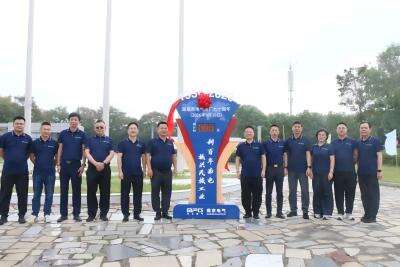
Nanjing Electric Holds Grand 89th Anniversary Celebration

26

Jan

Nanjing Electric Holds Grand 89th Anniversary Celebration

View More
Setting Sail for the World  From Export to Global Expansion, Baiyun Electric Accelerates Its Internationalization

26

Nov

Setting Sail for the World From Export to Global Expansion, Baiyun Electric Accelerates Its Internationalization

View More
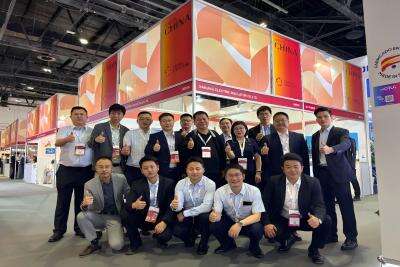
International Exhibition | Nanjing Electric Showcases at Middle East Energy 2025

26

Jan

International Exhibition | Nanjing Electric Showcases at Middle East Energy 2025

View More

Get a Free Quote

Our representative will contact you soon.
Email
Name
Company Name
Message
0/1000

industrial high voltage

Advanced Power Transmission Efficiency

Advanced Power Transmission Efficiency

Industrial high voltage systems achieve remarkable power transmission efficiency through sophisticated engineering principles that minimize energy losses during electrical transport. The fundamental advantage lies in the inverse relationship between voltage and current for equivalent power transmission, where higher voltages require proportionally lower currents to deliver the same electrical power output. This relationship becomes crucial for long-distance power transmission because electrical losses occur primarily through resistive heating in conductors, which increases exponentially with current levels. By utilizing industrial high voltage technology, facilities can transmit substantial amounts of electrical power over considerable distances while experiencing minimal energy waste. The efficiency gains translate directly into reduced operational expenses and improved environmental sustainability. Modern industrial high voltage systems incorporate state-of-the-art transformer technology that achieves efficiency ratings exceeding 98 percent under optimal operating conditions. These transformers utilize advanced core materials, precision winding techniques, and optimized cooling systems that minimize both no-load and full-load losses. The cooling systems employ either natural air circulation, forced air cooling, or specialized oil circulation methods depending on the power rating and installation requirements. Temperature monitoring systems continuously track thermal conditions to ensure optimal performance and prevent overheating that could compromise efficiency. Power factor correction capabilities built into industrial high voltage systems further enhance overall efficiency by reducing reactive power consumption and improving the phase relationship between voltage and current waveforms. This correction reduces the total current required for equivalent useful power delivery, resulting in additional reductions in transmission losses and improved system capacity utilization. The economic impact of improved efficiency becomes particularly significant for large industrial operations where even small percentage improvements in efficiency can result in substantial cost savings over the system's operational lifetime, typically spanning 25 to 30 years.
Unmatched Reliability and System Protection

Unmatched Reliability and System Protection

Industrial high voltage systems deliver exceptional reliability through comprehensive protection schemes and robust construction methods designed to withstand extreme operating conditions while maintaining consistent performance. The reliability foundation begins with high-quality materials and precision manufacturing processes that ensure each component meets stringent performance standards. Insulation systems utilize advanced materials such as cross-linked polyethylene, ethylene propylene rubber, and specialized paper-oil combinations that provide superior dielectric strength and long-term stability under electrical stress. These materials undergo extensive testing including impulse voltage tests, partial discharge measurements, and accelerated aging studies to verify their performance characteristics. Protection systems integrated into industrial high voltage installations provide multi-layered defense against various fault conditions that could compromise system integrity. Differential protection schemes compare current flows at different points in the system to detect internal faults with high sensitivity and selectivity. Overcurrent protection responds rapidly to excessive current conditions that indicate short circuits or overload situations. Distance protection measures impedance changes that occur during fault conditions, providing backup protection for transmission line segments. Ground fault protection detects current leakage to earth that could indicate insulation breakdown or equipment damage. These protection systems work together to isolate faulted sections quickly while maintaining power supply to unaffected areas. Condition monitoring technology enhances reliability by providing continuous assessment of system health through various measurement parameters. Dissolved gas analysis monitors transformer oil for gases produced by internal faults or aging components. Partial discharge monitoring detects early signs of insulation deterioration before complete failure occurs. Temperature monitoring tracks thermal conditions throughout the system to identify developing problems. Vibration analysis detects mechanical issues in rotating equipment such as generator sets or motor drives. This comprehensive monitoring approach enables predictive maintenance strategies that address potential problems before they cause system failures, significantly improving overall reliability and reducing unplanned downtime costs.
Comprehensive Safety and Environmental Benefits

Comprehensive Safety and Environmental Benefits

Industrial high voltage systems incorporate extensive safety measures and environmental considerations that protect personnel, equipment, and surrounding communities while promoting sustainable electrical power management. Safety protocols begin with proper system design that includes adequate clearances, appropriate grounding systems, and physical barriers that prevent accidental contact with energized components. Arc flash protection systems detect the rapid current rise associated with electrical arcs and initiate circuit interruption within milliseconds to limit arc energy and prevent injury to nearby personnel. Personal protective equipment specifically designed for industrial high voltage work includes arc-rated clothing, voltage-rated gloves, and specialized tools that provide safe working conditions during maintenance activities. Safety training programs educate personnel on proper procedures, hazard recognition, and emergency response protocols specific to industrial high voltage environments. Environmental benefits of industrial high voltage systems extend beyond improved efficiency to include reduced electromagnetic field exposure through optimized conductor arrangements and shielding techniques. Modern installations utilize compact designs that minimize land use requirements while maintaining safe operating clearances. SF6 gas alternatives and vacuum interruption technology reduce the environmental impact of switching devices by eliminating greenhouse gas emissions associated with older circuit breaker designs. Noise reduction measures include specialized transformer designs and sound barriers that minimize acoustic impact on surrounding areas. Wildlife protection measures such as bird guards, animal barriers, and proper conductor spacing prevent animal-related outages while protecting local ecosystems. Recyclable materials used in industrial high voltage construction enable responsible end-of-life disposal and component recovery. Copper conductors, steel structures, and aluminum components can be recycled efficiently when equipment reaches end of service life. Oil-filled equipment utilizes biodegradable or recyclable insulating fluids that minimize environmental impact in case of containment failure. Regular environmental monitoring ensures that industrial high voltage installations comply with local and federal environmental regulations while maintaining community acceptance. These comprehensive safety and environmental measures demonstrate the commitment of industrial high voltage technology to responsible electrical power management that benefits both users and society as a whole.

Get a Free Quote

Our representative will contact you soon.
Email
Name
Company Name
Message
0/1000
Newsletter
Please Leave A Message With Us