Composite Long Rod Insulator: Advanced High-Voltage Electrical Insulation Solutions for Modern Power Systems

Get a Free Quote

Our representative will contact you soon.
Email
Name
Company Name
Message
0/1000

composite long rod insulator

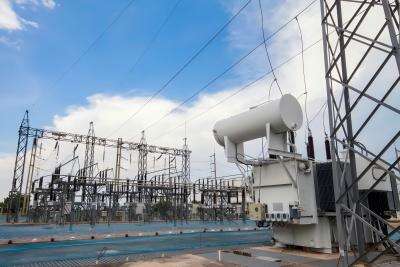
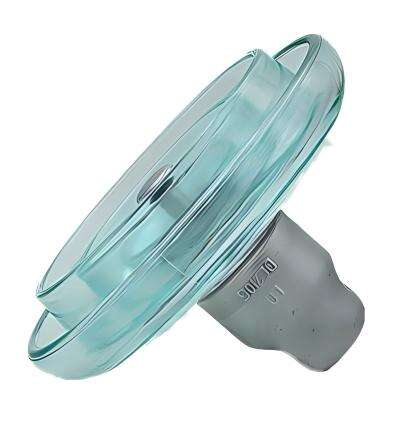
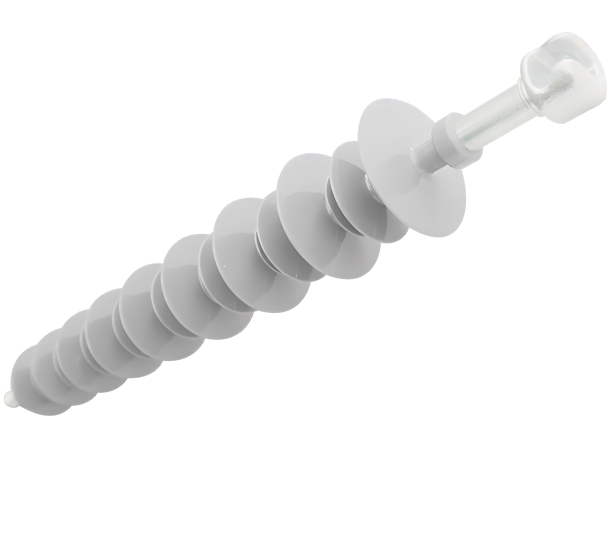
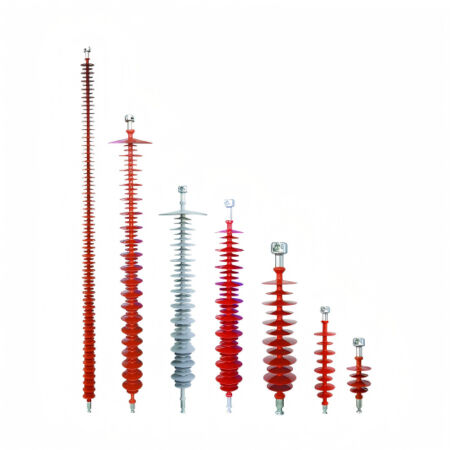
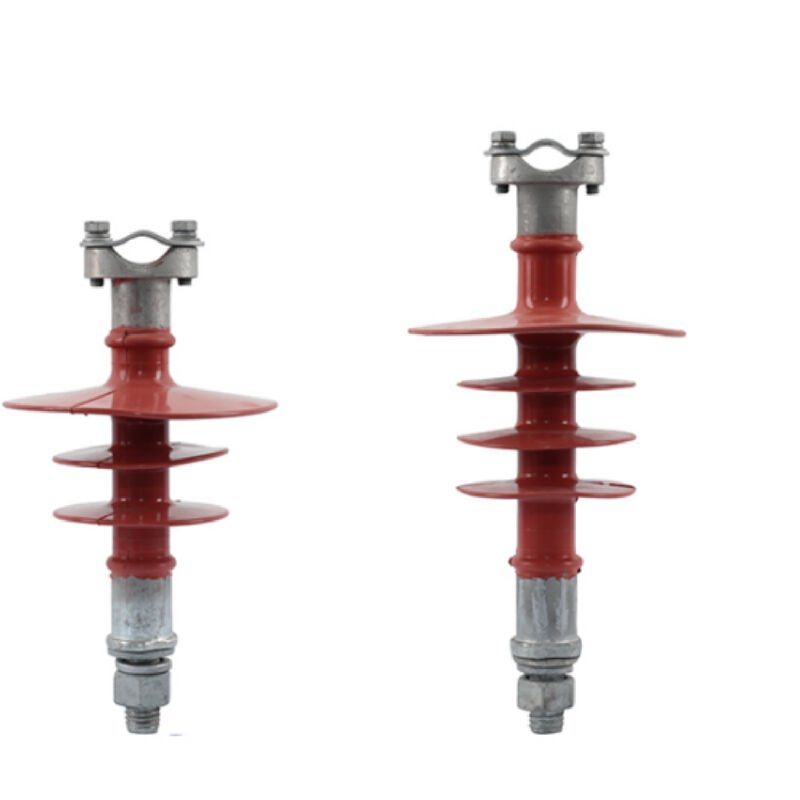
The composite long rod insulator represents a revolutionary advancement in electrical power transmission technology, designed to provide superior insulation performance in high-voltage applications. This innovative component combines advanced polymer materials with fiberglass reinforcement to create a durable, lightweight solution for electrical grid infrastructure. The composite long rod insulator serves as a critical barrier between energized conductors and grounded structures, preventing electrical flashover while maintaining structural integrity under extreme environmental conditions. Its primary function involves supporting transmission lines while providing electrical isolation between different voltage levels, ensuring safe and reliable power distribution across vast networks. The technological foundation of the composite long rod insulator centers on its unique construction methodology, which integrates silicone rubber housings with high-strength fiberglass cores. This design approach delivers exceptional mechanical strength while maintaining excellent electrical properties throughout extended service periods. The manufacturing process involves precision molding techniques that create uniform wall thickness and consistent material distribution, resulting in predictable performance characteristics. Environmental resistance stands as a defining feature, with the composite long rod insulator demonstrating remarkable durability against ultraviolet radiation, temperature fluctuations, and chemical exposure. Applications for the composite long rod insulator span multiple sectors within the electrical power industry, including transmission substations, distribution networks, and renewable energy installations. These components excel in coastal environments where salt contamination poses significant challenges to traditional ceramic insulators. The composite long rod insulator also finds extensive use in pollution-heavy industrial areas where conventional materials suffer rapid degradation. Modern power grids increasingly rely on composite long rod insulator technology to enhance system reliability while reducing maintenance requirements, making them essential components for sustainable electrical infrastructure development and long-term operational efficiency in diverse geographical locations worldwide.

New Product Releases

The composite long rod insulator delivers substantial operational benefits that directly impact system performance and cost-effectiveness for electrical utilities and industrial operators. Weight reduction represents one of the most immediate advantages, with composite long rod insulator units weighing approximately sixty percent less than equivalent ceramic alternatives. This significant weight reduction translates to reduced structural loading on transmission towers and support equipment, enabling utilities to utilize lighter-weight support structures and reduce foundation requirements. Installation teams appreciate the handling benefits, as lighter components reduce physical strain and accelerate installation procedures, directly lowering labor costs and project timelines. Maintenance advantages of the composite long rod insulator become apparent through extended service life and reduced inspection requirements. Traditional ceramic insulators require frequent cleaning and replacement due to contamination buildup and mechanical stress failures, while composite long rod insulator technology maintains performance levels through self-cleaning surface properties. The hydrophobic characteristics of silicone rubber housings prevent water accumulation and reduce flashover incidents during adverse weather conditions. This reliability improvement results in fewer system outages and reduced emergency maintenance calls, providing substantial operational savings over the component lifecycle. Environmental resilience offers another compelling advantage, with composite long rod insulator units demonstrating superior performance across diverse climatic conditions. These components withstand extreme temperature variations without cracking or degrading, unlike ceramic alternatives that suffer thermal shock damage. Ultraviolet resistance ensures long-term surface integrity, preventing material breakdown that commonly affects other insulator types in high-solar environments. Chemical resistance protects against industrial pollutants and salt spray, making composite long rod insulator technology ideal for coastal installations and heavy industrial areas. Economic benefits extend beyond initial cost considerations to encompass total lifecycle value propositions. The composite long rod insulator requires minimal maintenance intervention while delivering consistent electrical performance throughout extended service periods. Reduced replacement frequency and lower transportation costs contribute to improved project economics. Utilities report significant cost savings through reduced outage incidents and improved system reliability when implementing composite long rod insulator technology across their transmission networks, making these components essential investments for modern electrical infrastructure optimization.

Latest News

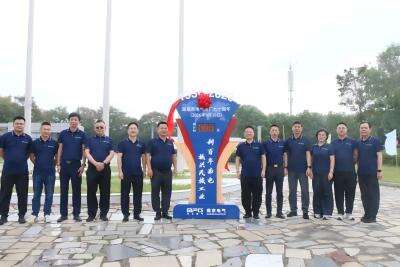
Nanjing Electric Holds Grand 89th Anniversary Celebration

26

Jan

Nanjing Electric Holds Grand 89th Anniversary Celebration

View More
Setting Sail for the World  From Export to Global Expansion, Baiyun Electric Accelerates Its Internationalization

26

Nov

Setting Sail for the World From Export to Global Expansion, Baiyun Electric Accelerates Its Internationalization

View More
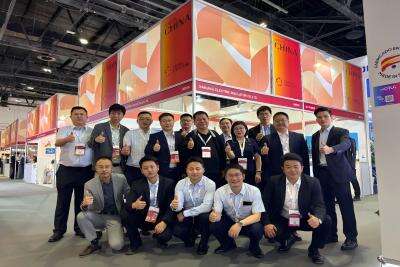
International Exhibition | Nanjing Electric Showcases at Middle East Energy 2025

26

Jan

International Exhibition | Nanjing Electric Showcases at Middle East Energy 2025

View More

Get a Free Quote

Our representative will contact you soon.
Email
Name
Company Name
Message
0/1000

composite long rod insulator

Superior Environmental Performance and Durability

Superior Environmental Performance and Durability

The composite long rod insulator demonstrates exceptional environmental performance through advanced material engineering that addresses the most challenging conditions faced by electrical power systems. The silicone rubber housing provides outstanding resistance to environmental stressors including ultraviolet radiation, ozone exposure, and extreme temperature fluctuations ranging from negative forty to positive eighty degrees Celsius. This temperature resilience prevents the thermal cracking and expansion issues that plague traditional ceramic insulators, ensuring consistent electrical performance across seasonal variations. The hydrophobic surface characteristics of the composite long rod insulator create a natural self-cleaning effect that prevents contamination buildup, maintaining electrical integrity even in heavily polluted environments. Salt fog resistance makes these components particularly valuable for coastal installations where sodium chloride exposure rapidly degrades conventional insulator materials. The composite long rod insulator maintains its electrical properties even after prolonged exposure to industrial pollutants, acid rain, and chemical vapors that typically compromise other insulator technologies. Weathering tests demonstrate that composite long rod insulator units retain structural integrity and electrical performance after decades of service exposure, with minimal surface degradation or electrical property deterioration. The advanced polymer formulation resists tracking and erosion, preventing the formation of conductive paths that can lead to flashover incidents. This environmental resilience translates directly to improved system reliability and reduced maintenance requirements, providing utilities with predictable performance characteristics that support long-term planning and budget allocation. Field experience confirms that composite long rod insulator technology delivers consistent performance across diverse geographical locations, from desert environments with intense solar exposure to arctic conditions with extreme temperature cycling. The combination of chemical resistance, temperature stability, and contamination prevention makes the composite long rod insulator an ideal solution for critical power transmission applications where reliability cannot be compromised by environmental factors.
Enhanced Electrical Performance and Safety Features

Enhanced Electrical Performance and Safety Features

The electrical performance characteristics of the composite long rod insulator represent significant advancement over traditional insulator technologies, delivering superior flashover resistance and improved safety margins for high-voltage applications. The carefully engineered shed design optimizes electric field distribution along the insulator surface, preventing voltage concentration points that can initiate electrical breakdown. This design approach increases the electrical path length while maintaining compact physical dimensions, maximizing insulation effectiveness within space-constrained installations. The composite long rod insulator demonstrates exceptional wet flashover performance, maintaining electrical integrity even during severe weather conditions that compromise conventional insulator types. Laboratory testing confirms that composite long rod insulator units provide flashover voltages significantly higher than ceramic alternatives of equivalent dimensions, offering improved safety margins for system operation. The dielectric strength of the core material ensures reliable performance under impulse conditions, protecting against lightning strikes and switching surges that can damage electrical equipment. Partial discharge resistance represents another critical electrical advantage, with the composite long rod insulator demonstrating minimal internal discharge activity that can degrade insulator performance over time. The homogeneous core material prevents void formation and moisture ingress that contribute to electrical degradation in other insulator types. Electrical aging characteristics remain stable throughout the service life, with consistent electrical properties maintained even after decades of operation under high electrical stress. The composite long rod insulator also provides superior performance under contaminated conditions, maintaining electrical integrity when surface contamination would cause flashover in ceramic units. This contamination tolerance results from the hydrophobic surface properties that prevent wet layer formation and the optimized shed configuration that maximizes leakage distance. Arc resistance testing demonstrates that the composite long rod insulator withstands electrical arc exposure without permanent damage, allowing continued operation after temporary fault conditions. These electrical performance advantages directly translate to improved system reliability, reduced outage frequency, and enhanced safety for personnel working in proximity to energized equipment, making the composite long rod insulator essential for modern electrical infrastructure.
Cost-Effective Installation and Maintenance Benefits

Cost-Effective Installation and Maintenance Benefits

The composite long rod insulator delivers exceptional economic value through reduced installation costs, simplified maintenance procedures, and extended service life that significantly improves total cost of ownership for electrical power systems. Installation advantages begin with the lightweight construction that reduces handling requirements and accelerates installation procedures, allowing crews to complete projects faster while reducing labor expenses. The reduced weight also minimizes structural loading on support equipment, enabling utilities to specify lighter towers and foundations that lower overall project costs. Transportation benefits include higher shipping densities and reduced freight expenses compared to ceramic alternatives, with composite long rod insulator units requiring less protective packaging and suffering fewer shipping damages. Installation crews appreciate the improved safety characteristics, as lighter components reduce injury risks and handling challenges associated with heavy ceramic insulators. The composite long rod insulator requires no special handling equipment or lifting devices, streamlining installation procedures and reducing equipment rental costs. Maintenance advantages become apparent immediately after installation, with composite long rod insulator technology requiring minimal routine maintenance compared to ceramic alternatives. The self-cleaning surface properties eliminate the need for frequent washing schedules that consume significant maintenance resources with traditional insulators. Inspection procedures are simplified because composite long rod insulator units rarely develop the surface contamination and degradation patterns that require detailed examination in ceramic components. The absence of brittle failure modes means that composite long rod insulator units provide predictable performance characteristics without sudden catastrophic failures that create emergency replacement situations. Lifecycle cost analysis demonstrates that composite long rod insulator technology delivers substantial savings through extended service periods and reduced replacement frequency. Utilities report service lives exceeding thirty years with minimal performance degradation, compared to ceramic insulators that often require replacement after fifteen to twenty years. The composite long rod insulator maintains electrical and mechanical properties throughout its service life, providing consistent system performance without the gradual degradation common in other insulator technologies. These economic advantages, combined with improved reliability and reduced outage costs, make composite long rod insulator technology a compelling investment for utilities focused on optimizing operational efficiency and controlling long-term infrastructure costs.

Get a Free Quote

Our representative will contact you soon.
Email
Name
Company Name
Message
0/1000
Newsletter
Please Leave A Message With Us