
 EN
EN



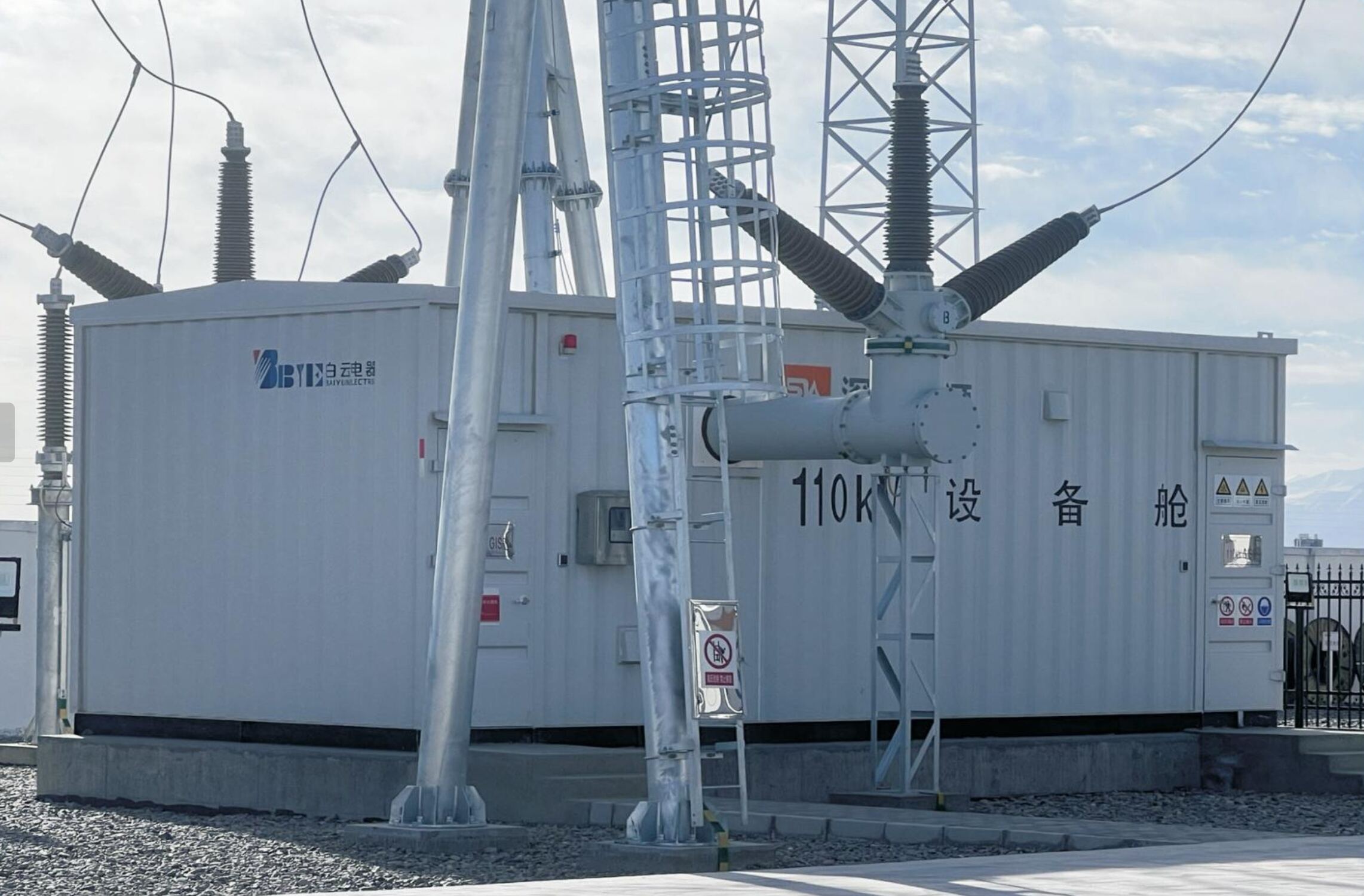
Środowisko instalacji odgrywa kluczową rolę przy określaniu dokładności i wydajności sprzętu pomiarowego w systemach elektroenergetycznych. Czynniki środowiskowe, takie jak wahania temperatury, poziom wilgotności, zakłócenia elektromagnetyczne oraz wibracje mechaniczne, mogą znacząco wpływać na precyzję pomiarów oraz długoterminową niezawodność sprzętu. Zrozumienie tych wpływów środowiskowych jest niezbędne dla inżynierów i techników, którzy muszą zapewnić optymalną wydajność systemu, jednocześnie gwarantując zgodność ze standardami branżowymi oraz przepisami bezpieczeństwa.
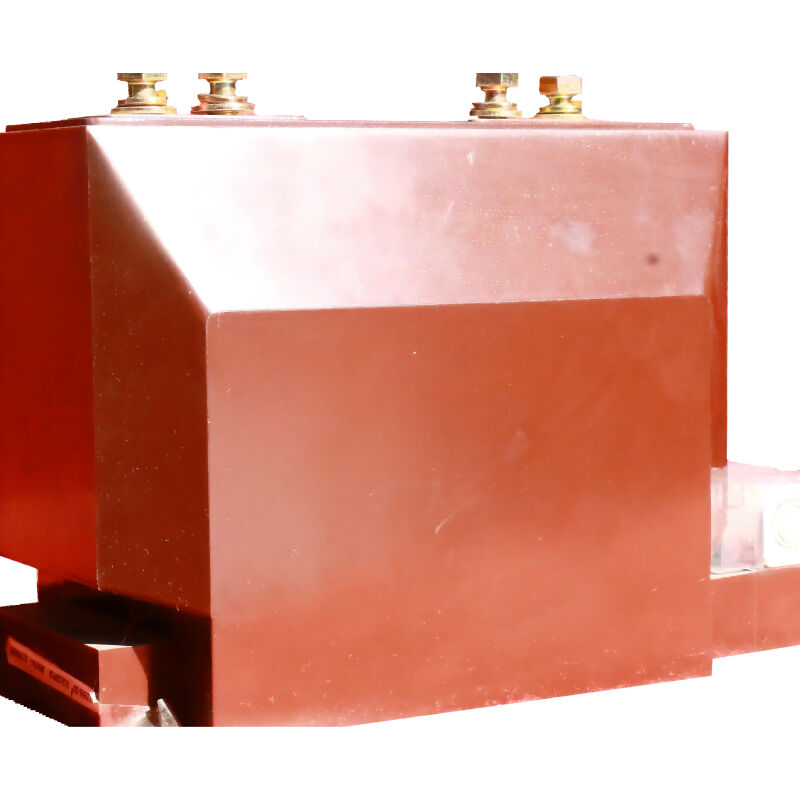
Wpływ temperatury na dokładność pomiarów
Rozszerzalność termiczna i właściwości materiałów
Wahania temperatury bezpośrednio wpływają na właściwości fizyczne materiałów stosowanych w elektrycznych urządzeniach pomiarowych. Pod wpływem ekstremalnych temperatur materiały rdzenia i uzwojeń przekładnika prądowego ulegają rozszerzalności lub kurczeniu cieplnemu, co może zmieniać przenikalność magnetyczną i charakterystykę rezystancji elektrycznej. Zmiany te powodują wahania współczynnika transformacji i mogą wprowadzać błędy pomiarowe, które z czasem narastają, jeśli nie zostaną odpowiednio skorygowane za pomocą kontroli środowiskowych.
Materiały rdzeni magnetycznych są szczególnie wrażliwe na zmiany temperatury, ponieważ ich cechy przenikalności magnetycznej zmieniają się wraz z wahaniem temperatury. Wyższe temperatury zwykle zmniejszają przenikalność magnetyczną, podczas gdy niższe temperatury mogą ją zwiększać, co prowadzi do odpowiadających im zmian współczynnika przekształcenia prądu. Ta zależność od temperatury wymaga starannego rozważenia podczas planowania instalacji, zwłaszcza w środowiskach zewnętrznych, gdzie wahania temperatury mogą być znaczne w różnych porach roku.
Techniki kompensacji i uwagi projektowe
Współczesne konstrukcje przekładników prądowych zawierają mechanizmy kompensacji temperatury, mające na celu zminimalizowanie degradacji dokładności w zakresie temperatur roboczych. Do technik kompensacji należą m.in. specjalne materiały rdzeni o poprawionej stabilności termicznej, uzwojenia skonfigurowane z uwzględnieniem kompensacji temperatury oraz obudowy ochronne zaprojektowane tak, aby utrzymywać stałą temperaturę wewnętrzną. Wybór odpowiednich metod kompensacji zależy od konkretnego środowiska instalacyjnego oraz wymaganego stopnia dokładności systemu pomiarowego.
Wytyczne dotyczące instalacji zwykle określają dopuszczalne zakresy temperatur zapewniające optymalną wydajność; większość precyzyjnych urządzeń wymaga temperatury otoczenia w zakresie od minus czterdziestu do plus siedemdziesięciu stopni Celsjusza. Przekroczenie tych granic temperatury może spowodować trwałe uszkodzenie przetwornicy prądowej lub nieodwracalne zmiany jej charakterystyk dokładnościowych, co czyni odpowiednią ocenę warunków środowiskowych kluczowym elementem fazy planowania każdego projektu instalacji elektrycznej.
Wpływ wilgotności i wilgoci
Mechanizmy degradacji izolacji
Wysokie poziomy wilgotności stanowią istotne zagrożenie dla dokładności i trwałości urządzeń pomiarowych elektrycznych poprzez różne mechanizmy degradacji. Przenikanie wilgoci może uszkodzić materiały izolacyjne, prowadząc do obniżenia wytrzymałości dielektrycznej oraz wzrostu prądów upływu, co wpływa na precyzję pomiarów. Obecność skroplin na elementach wewnętrznych tworzy ścieżki przewodzące, które mogą powodować wyładowania częściowe, a ostatecznie – przebicie izolacji i błędy pomiarowe.
Materiały higroskopijne stosowane przy budowie przekładników prądowych mogą pochłaniać wilgoć z otoczenia, powodując zmiany wymiarowe oraz modyfikację właściwości elektrycznych. Proces ten jest szczególnie uciążliwy w instalacjach przybrzeżnych lub w klimatach tropikalnych, gdzie poziomy wilgotności względnej często przekraczają zalecane granice. Stopniowa degradacja układów izolacyjnych spowodowana narażeniem na wilgoć objawia się najczęściej dryfem dokładności w czasie, a nie natychmiastowym awariami.
Środki ochronne i technologie uszczelniania
Skuteczna ochrona przed wilgocią wymaga kompleksowych strategii uszczelniania, które zapobiegają przedostawaniu się wody, jednocześnie umożliwiając rozszerzanie i kurczenie się termiczne. Zaawansowane technologie uszczelniania obejmują obudowy hermetyczne, systemy wentylacyjne z odsączaczami wilgoci oraz specjalne materiały uszczelkowe zachowujące swoje właściwości w całym zakresie cykli temperaturowych. Dobór odpowiednich metod ochrony musi uwzględniać konkretne warunki środowiskowe oraz stopień krytyczności wymagań dotyczących dokładności pomiarów.
Regularne programy konserwacji powinny obejmować monitorowanie wilgotności oraz kontrolę stanu systemów uszczelniających, aby zapewnić ciągłą ochronę przed degradacją spowodowaną wilgocią. W przypadku szczególnie wilgotnych środowisk może okazać się konieczna implementacja środków kontroli środowiska, takich jak systemy odwilżania lub ogrzewane obudowy, celem utrzymania optymalnej wydajności precyzyjnego sprzętu pomiarowego przez cały okres jego użytkowania.
Uwagi dotyczące zakłóceń elektromagnetycznych
Wpływ zewnętrznych pól na dokładność
Zakłócenia elektromagnetyczne pochodzące od pobliskiego sprzętu elektrycznego, linii energetycznych lub maszyn przemysłowych mogą znacząco wpływać na dokładność systemów pomiaru prądu. Zewnętrzne pola magnetyczne mogą oddziaływać na obwód magnetyczny transformator prądowy , powodując dodatkowy strumień, który zmienia stosunek przekształcenia i wprowadza błędy pomiarowe. Wielkość tych efektów zależy od natężenia pola, jego charakterystyki częstotliwościowej oraz względnego położenia źródła zakłóceń.
Zakłócenia elektromagnetyczne o wysokiej częstotliwości mogą również indukować w uzwojeniach wtórnych prądy nieproporcjonalne do prądu pierwotnego, co prowadzi do niedokładności pomiarowych, szczególnie w zastosowaniach wymagających dużej precyzji. Bliskość urządzeń przełączających, przemienników częstotliwości lub systemów komunikacyjnych może tworzyć środowisko elektromagnetyczne przekraczające poziomy odporności określone dla standardowych urządzeń pomiarowych, co wymaga zastosowania dodatkowych środków ochronnych lub specjalistycznych rozwiązań konstrukcyjnych.
Metody ekranowania i montażu
Skuteczna zgodność elektromagnetyczna wymaga starannej uwagi poświęconej praktykom montażowym oraz zastosowaniu odpowiednich środków ekranowania. Poprawne systemy uziemienia, przewody ekranowane oraz strategiczne rozmieszczenie sprzętu pomiarowego względem źródeł zakłóceń mogą znacznie zmniejszyć wpływ zakłóceń elektromagnetycznych na dokładność pomiarów. W środowiskach o wysokim natężeniu pól elektromagnetycznych może okazać się konieczne zastosowanie osłon ferrytmagnetycznych lub zachowanie odpowiedniej odległości od źródeł zakłóceń.
Standardy instalacji zawierają wytyczne dotyczące minimalnych odległości oddzielających od potencjalnych źródeł zakłóceń i określają wymagania dotyczące uziemienia, które pomagają zminimalizować efekty sprzężenia elektromagnetycznego. Wybór obecnych konstrukcji transformatorów o zwiększonej odporności elektromagnetycznej może być konieczny w przypadku instalacji w szczególnie trudnych środowiskach elektromagnetycznych, takich jak obiekty przemysłowe z dużymi obciążeniami silnika lub instalacje energii odnawialnej z elektronicznymi przetwornikami mocy.
Wibracje mechaniczne i stabilność
Integralność strukturalna w warunkach dynamicznych
Wibracje mechaniczne pochodzące od maszyn obrotowych, aktywności sejsmicznej lub sprzętu transportowego mogą wpływać na dokładność i niezawodność instalacji przekładników prądowych. Ciągła ekspozycja na wibracje może powodować poluzowanie połączeń, zużycie mechaniczne elementów oraz stopniowe przesunięcie wewnętrznych komponentów, co zmienia charakterystyki obwodu magnetycznego. Te skutki mechaniczne zwykle rozwijają się stopniowo w czasie, co utrudnia ich wykrycie bez zastosowania systematycznych programów monitoringu.
Podczas instalacji należy uwzględnić charakterystykę częstotliwości rezonansowej zespołów przekładników prądowych, aby uniknąć warunków, w których wibracje środowiskowe mogłyby zostać wzmocnione poprzez rezonans strukturalny. Poprawne systemy montażu oraz techniki tłumienia wibracji są niezbędne do zapewnienia dokładności pomiarów w instalacjach narażonych na znaczne zakłócenia mechaniczne, np. w pobliżu ciężkiego sprzętu przemysłowego lub korytarzy transportowych.
Systemy montażowe i techniki izolacji
Zaawansowane systemy montażowe zawierają elementy izolacji wibracji, które odłączają przekładnik prądowy od wibracji konstrukcyjnych, zachowując przy tym połączenie elektryczne oraz wymagania bezpieczeństwa. Takie systemy izolacji muszą być zaprojektowane tak, aby uwzględniać rozszerzalność cieplną, utrzymywać odpowiednie odstępy oraz zapewniać wystarczające wsparcie mechaniczne we wszystkich przewidywanych warunkach obciążenia. Wybór odpowiednich technik izolacji zależy od charakterystyki wibracji oraz wymagań dotyczących dokładności danej aplikacji pomiarowej.
Regularne inspekcje i konserwacja systemów montażowych są kluczowe dla zapewnienia ciągłej skuteczności izolacji wibracji przez cały okres eksploatacji urządzenia. Programy monitoringu powinny obejmować ocenę stanu technicznego elementów mocujących, weryfikację skuteczności systemu izolacji oraz pomiar poziomów wibracji, aby zapewnić, że pozostają one w dopuszczalnych granicach zgodnie ze specyfikacją zainstalowanego przekładnika prądowego.
Badania i walidacja środowiskowa
Standardowe protokoły testowania
Kompleksowe protokoły testów środowiskowych zapewniają, że wydajność przekładnika prądowego spełnia określone wymagania dotyczące dokładności w warunkach przewidywanych dla danego miejsca instalacji. Programy te obejmują cyklowanie temperatury, narażenie na wilgoć, badania wibracyjne oraz oceny zgodności elektromagnetycznej, które potwierdzają prawidłową pracę urządzenia w całym zakresie oczekiwanych warunków środowiskowych. Standardowe procedury testowe zapewniają spójne kryteria oceny i umożliwiają porównanie charakterystyk wydajności różnych opcji sprzętu.
Testy typowe i testy rutynowe potwierdzają, że wyprodukowane wyposażenie spełnia specyfikacje projektowe oraz zapewnia stałość jego wydajności w ramach poszczególnych partii produkcyjnych. Wyniki testów środowiskowych dostarczają niezbędnych danych do właściwego doboru zastosowania oraz pomagają zidentyfikować wszelkie szczególne wymagania dotyczące instalacji lub kontrolę warunków środowiskowych konieczne do osiągnięcia optymalnej wydajności w konkretnych środowiskach montażu.
Weryfikacja terenowa i monitorowanie wydajności
Programy walidacji w terenie uzupełniają badania laboratoryjne poprzez ocenę rzeczywistej wydajności w warunkach rzeczywistej instalacji przez dłuższy okres czasu. Te programy monitoringu śledzą dryf dokładności, korelację z parametrami środowiskowymi oraz cechy stabilności długoterminowej, które mogą nie być widoczne podczas krótkotrwałych badań laboratoryjnych.
Systemy ciągłego monitoringu mogą zapewnić wcześniejsze ostrzeżenie przed wpływem czynników środowiskowych na dokładność przekładników prądowych, zanim dojdzie do istotnego pogorszenia ich stanu. Zaawansowane technologie monitoringu obejmują bezprzewodowe czujniki śledzące temperaturę, wilgotność, drgania oraz parametry elektryczne, umożliwiając strategie konserwacji predykcyjnej, które optymalizują wydajność urządzeń i wydłużają ich żywotność eksploatacyjną, zachowując przy tym wymagania dotyczące dokładności pomiarów.
Najlepsze praktyki instalacji
Ocena terenu i analiza środowiska
Dogłębna ocena miejsca instalacji jest podstawą skutecznej instalacji przekładnika prądowego oraz długotrwałego utrzymania jego dokładności. Analiza środowiskowa powinna obejmować charakterystykę zakresów temperatur, poziomów wilgotności, natężeń pól elektromagnetycznych, źródeł wibracji oraz potencjalnych problemów z zanieczyszczeniami, które mogą wpływać na wydajność urządzenia. Dane uzyskane w trakcie tej oceny kierują doborem odpowiednich specyfikacji technicznych urządzeń oraz środków ochrony środowiskowej niezbędnych w konkretnych warunkach instalacji.
Działania przygotowawcze na miejscu instalacji powinny uwzględniać wymagania dotyczące kontroli środowiska, określone w fazie oceny, w tym zapewnienie odpowiedniego odpływu wody, systemów regulacji temperatury, ekranowania przed polami elektromagnetycznymi oraz izolacji przeciwdrganiowej – w zależności od potrzeb. Poprawne przygotowanie miejsca instalacji jest kluczowe dla zapewnienia, że warunki środowiskowe pozostaną w granicach dopuszczalnych przez cały okres eksploatacji przekładnika prądowego.
Puszczenie do eksploatacji i weryfikacja wydajności
Kompleksowe procedury uruchomieniowe zapewniają, że warunki środowiskowe spełniają wymagania projektowe oraz że dokładność działania przekładników prądowych mieści się w określonych granicach przy rzeczywistych warunkach instalacji. Początkowe badania wydajności powinny ustalić podstawowe pomiary dokładności, które można wykorzystać w przyszłości do porównań i analizy trendów. Dokumentacja parametrów środowiskowych sporządzona w trakcie uruchamiania stanowi dane odniesienia dla ciągłego monitorowania i programów konserwacji.
Procedury zapewnienia jakości w trakcie uruchamiania powinny obejmować weryfikację wszystkich środków ochrony przed czynnikami zewnętrznymi, sprawdzenie funkcjonalności systemu monitoringu oraz potwierdzenie zgodności zastosowanych metod montażu ze stosownymi normami i zaleceniami producenta. Poprawna dokumentacja uruchomieniowa zapewnia, że osoby odpowiedzialne za późniejszą konserwację będą miały dostęp do niezbędnych informacji potrzebnych do utrzymania optymalnej wydajności przekładników prądowych przez cały okres ich eksploatacji.
Często zadawane pytania
Jaki zakres temperatur jest dopuszczalny do instalacji przetworników prądowych
Większość przetworników prądowych została zaprojektowana tak, aby działać z wysoką dokładnością w zakresie temperatur otoczenia od minus czterdziestu do plus siedemdziesięciu stopni Celsjusza, choć konkretne zakresy mogą się różnić w zależności od producenta oraz klasy dokładności. Skrajne temperatury poza tymi granicami mogą spowodować trwałą degradację dokładności lub uszkodzenie sprzętu. Instalacja w środowiskach o skrajnych temperaturach może wymagać sterowania warunkami środowiskowymi lub zastosowania specjalistycznego sprzętu zaprojektowanego z uwzględnieniem rozszerzonych zakresów temperaturowych.
W jaki sposób wilgotność wpływa na dokładność przetworników prądowych w czasie
Wysokie poziomy wilgotności mogą powodować stopniowe pogorszenie się izolacji, co prowadzi do wzrostu prądów upływu oraz błędów pomiarowych, które nasilają się wraz z upływem czasu. Wchłanianie wilgoci przez materiały higroskopijne może również powodować zmiany wymiarowe wpływające na charakterystykę obwodu magnetycznego. Prawidłowe uszczelnienie i kontrola warunków środowiskowych są niezbędne do zapewnienia długotrwałej dokładności w wilgotnych środowiskach; zaleca się regularne monitorowanie w celu wykrycia wczesnych objawów degradacji spowodowanej wilgocią.
Jakie poziomy zakłóceń elektromagnetycznych mogą wpływać na dokładność pomiarów
Wpływ zakłóceń elektromagnetycznych zależy od natężenia pola, charakterystyki częstotliwościowej oraz poziomu odporności urządzeń, jednak istotne skutki mogą wystąpić przy natężeniach pola przekraczających kilka amperów na metr lub przy zakłóceniach wysokoczęstotliwościowych przekraczających określone progi odporności. Prawidłowe praktyki instalacyjne, w tym zachowanie odpowiednich odległości rozdzielczych, ekranowanie oraz systemy uziemienia, są niezbędne do minimalizacji wpływu zakłóceń. Dobór urządzeń powinien uwzględniać charakterystykę środowiska elektromagnetycznego konkretnego miejsca instalacji.
Jak często należy wykonywać monitorowanie środowiskowe w przypadku zastosowań krytycznych?
Kluczowe instalacje przekładników prądowych powinny być objęte ciągłym monitorowaniem warunków środowiskowych lub – w minimalnym zakresie – miesięcznymi inspekcjami ręcznymi, przy czym częstotliwość monitorowania powinna być zwiększona w warunkach ekstremalnych pogody lub po znaczących zdarzeniach środowiskowych. Zautomatyzowane systemy monitoringu mogą generować alerty w czasie rzeczywistym w przypadku przekroczenia przez parametry środowiskowe dopuszczalnych granic, umożliwiając działania konserwacyjne na etapie zapobiegawczym, jeszcze przed wystąpieniem degradacji dokładności. Częstotliwość monitorowania powinna być dostosowana do stopnia krytyczności danej aplikacji oraz poziomu obciążeń środowiskowych występujących w miejscu instalacji.
Spis treści
- Wpływ temperatury na dokładność pomiarów
- Wpływ wilgotności i wilgoci
- Uwagi dotyczące zakłóceń elektromagnetycznych
- Wibracje mechaniczne i stabilność
- Badania i walidacja środowiskowa
- Najlepsze praktyki instalacji
-
Często zadawane pytania
- Jaki zakres temperatur jest dopuszczalny do instalacji przetworników prądowych
- W jaki sposób wilgotność wpływa na dokładność przetworników prądowych w czasie
- Jakie poziomy zakłóceń elektromagnetycznych mogą wpływać na dokładność pomiarów
- Jak często należy wykonywać monitorowanie środowiskowe w przypadku zastosowań krytycznych?