High Voltage Winding Solutions - Advanced Electrical Components for Power Systems

Get a Free Quote

Our representative will contact you soon.
Email
Name
Company Name
Message
0/1000

high voltage winding

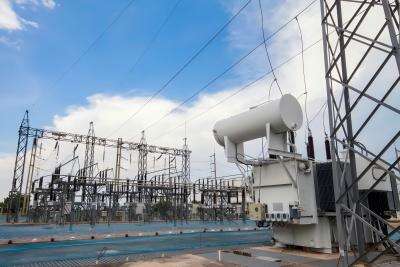
High voltage winding represents a critical component in electrical power systems, serving as the primary mechanism for voltage transformation and electrical energy distribution across various industrial and commercial applications. This sophisticated electrical element operates by utilizing electromagnetic induction principles to step up or step down voltage levels according to specific operational requirements. The high voltage winding consists of carefully engineered copper or aluminum conductors wound around a magnetic core, creating a precise configuration that enables efficient electrical energy transfer. Modern high voltage winding systems incorporate advanced insulation materials and cooling mechanisms to ensure optimal performance under demanding conditions. The primary function involves converting electrical energy from one voltage level to another while maintaining power efficiency and system reliability. These windings play an essential role in power transformers, electrical motors, generators, and distribution equipment. The technological design features multiple layers of specialized insulation, precise wire gauge selection, and strategic winding patterns that optimize electromagnetic field distribution. High voltage winding applications span across power generation facilities, industrial manufacturing plants, commercial buildings, and residential distribution networks. The construction methodology involves precise calculation of turn ratios, conductor sizing, and insulation coordination to meet specific voltage and current requirements. Quality high voltage winding systems demonstrate exceptional durability, operating reliably for decades under proper maintenance conditions. The electromagnetic design ensures minimal energy losses during voltage transformation processes, contributing to overall system efficiency. Advanced manufacturing techniques incorporate computer-aided design tools to optimize winding geometry and reduce electromagnetic interference. Temperature management systems within high voltage winding assemblies prevent overheating and extend operational lifespan. Modern high voltage winding technology integrates smart monitoring capabilities that provide real-time performance data and predictive maintenance insights.

New Product Releases

High voltage winding technology offers numerous practical benefits that directly impact operational efficiency and cost-effectiveness for businesses and organizations. The primary advantage centers on superior voltage transformation capabilities that enable seamless power distribution across extensive electrical networks. This technology provides exceptional reliability, ensuring continuous power supply even under challenging environmental conditions and varying load demands. Energy efficiency represents another significant benefit, as high voltage winding systems minimize power losses during electrical transmission and distribution processes. The robust construction delivers long-term durability, reducing replacement costs and maintenance requirements over the equipment lifecycle. Advanced insulation systems protect against electrical faults and environmental factors, enhancing overall system safety and operational security. High voltage winding designs accommodate flexible installation configurations, allowing adaptation to various space constraints and architectural requirements. The technology supports precise voltage regulation, ensuring stable power quality that protects sensitive electronic equipment and industrial machinery. Cost-effective operation stems from reduced energy consumption and lower maintenance overhead compared to alternative voltage transformation methods. Enhanced power handling capacity enables high voltage winding systems to manage substantial electrical loads without performance degradation. The standardized design specifications facilitate easy integration with existing electrical infrastructure, minimizing installation complexity and project timelines. Superior thermal management prevents overheating issues that commonly affect electrical equipment, extending operational lifespan and reducing downtime risks. High voltage winding technology demonstrates excellent scalability, allowing system expansion to meet growing power demands without complete infrastructure replacement. The proven track record across diverse industries provides confidence in performance reliability and investment protection. Modern manufacturing processes ensure consistent quality standards and compliance with international safety regulations. Environmental resilience enables operation in harsh conditions including extreme temperatures, humidity, and atmospheric pressure variations. The technology supports automated monitoring and control systems that optimize performance and provide early warning of potential issues.

Latest News

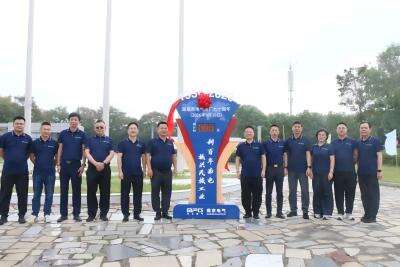
Nanjing Electric Holds Grand 89th Anniversary Celebration

26

Jan

Nanjing Electric Holds Grand 89th Anniversary Celebration

View More
Setting Sail for the World  From Export to Global Expansion, Baiyun Electric Accelerates Its Internationalization

26

Nov

Setting Sail for the World From Export to Global Expansion, Baiyun Electric Accelerates Its Internationalization

View More
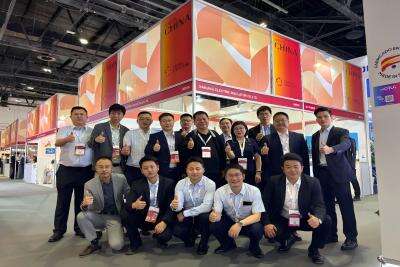
International Exhibition | Nanjing Electric Showcases at Middle East Energy 2025

26

Jan

International Exhibition | Nanjing Electric Showcases at Middle East Energy 2025

View More

Get a Free Quote

Our representative will contact you soon.
Email
Name
Company Name
Message
0/1000

high voltage winding

Advanced Electromagnetic Design for Optimal Performance

Advanced Electromagnetic Design for Optimal Performance

The electromagnetic design of high voltage winding systems represents a pinnacle of electrical engineering excellence, incorporating sophisticated principles that maximize efficiency and reliability. This advanced design approach utilizes precise mathematical calculations to determine optimal conductor arrangements, magnetic flux distribution patterns, and electromagnetic field optimization. The engineering process begins with comprehensive analysis of voltage requirements, current carrying capacity, and operational environment factors to create customized winding configurations. Advanced computer modeling software simulates electromagnetic behavior under various operating conditions, ensuring the high voltage winding design meets exact performance specifications before manufacturing begins. The electromagnetic design incorporates strategic layering techniques that minimize eddy current losses and reduce electromagnetic interference with surrounding equipment. Specialized core materials enhance magnetic coupling efficiency while reducing energy dissipation through hysteresis losses. The winding pattern optimization ensures uniform current distribution across all conductors, preventing hot spots and extending operational lifespan. Advanced electromagnetic shielding techniques protect against external interference while containing electromagnetic emissions within acceptable limits. The design methodology considers harmonic distortion factors that can affect power quality and equipment performance in connected systems. Precise impedance matching ensures optimal energy transfer efficiency between primary and secondary circuits. The electromagnetic design enables superior short-circuit withstand capabilities, protecting the high voltage winding system during fault conditions. Advanced modeling techniques predict electromagnetic stress distribution under various load conditions, ensuring structural integrity throughout the operational lifecycle. The sophisticated electromagnetic design facilitates precise voltage regulation across varying load conditions, maintaining stable output voltages essential for sensitive equipment operation. This engineering excellence translates into measurable benefits including reduced energy consumption, enhanced reliability, and extended equipment lifespan that directly impact operational costs and system performance.
Superior Insulation Technology for Enhanced Safety and Reliability

Superior Insulation Technology for Enhanced Safety and Reliability

The insulation technology integrated within high voltage winding systems provides exceptional safety margins and operational reliability through advanced materials science and engineering innovations. This comprehensive insulation approach utilizes multiple barrier layers that provide redundant protection against electrical breakdown and environmental degradation. The primary insulation system incorporates high-performance polymer materials that maintain dielectric strength across wide temperature ranges and varying humidity conditions. Secondary insulation barriers provide additional protection layers that ensure system integrity even if primary insulation experiences partial degradation over time. The insulation design considers partial discharge phenomena that can gradually erode insulation materials, incorporating materials specifically engineered to resist this degradation mechanism. Advanced vacuum pressure impregnation processes ensure complete insulation penetration into all winding spaces, eliminating air pockets that could lead to electrical failures. The high voltage winding insulation system demonstrates exceptional resistance to chemical contamination, moisture ingress, and thermal cycling stresses that commonly affect electrical equipment. Specialized corona protection measures prevent electrical discharge at sharp edges and conductor terminations where electrical stress concentrates. The insulation technology incorporates tracking-resistant materials that prevent surface carbonization under contaminated conditions. Advanced aging characteristics ensure insulation properties remain stable throughout extended operational periods, maintaining safety margins and performance reliability. The multi-layer insulation approach provides superior mechanical strength that withstands electromagnetic forces during fault conditions and normal operation. Temperature-resistant formulations maintain insulation integrity across industrial temperature ranges from extreme cold to elevated operating temperatures. The insulation system design facilitates effective heat dissipation while maintaining electrical isolation, preventing thermal runaway conditions. Quality control processes ensure consistent insulation thickness and material properties across all high voltage winding components. The proven insulation technology provides confidence in long-term reliability and safety performance that protects personnel, equipment, and facility infrastructure investments.
Exceptional Thermal Management for Extended Operational Life

Exceptional Thermal Management for Extended Operational Life

The thermal management capabilities of high voltage winding systems ensure optimal temperature control that significantly extends equipment lifespan and maintains peak performance efficiency. This comprehensive thermal design approach addresses heat generation sources while providing effective dissipation pathways that prevent overheating under all operating conditions. The thermal management system begins with careful analysis of heat generation patterns within the high voltage winding structure, identifying areas requiring enhanced cooling attention. Advanced cooling channel designs facilitate natural convection airflow that removes heat from critical winding components without requiring external cooling systems. The thermal design incorporates high-conductivity materials that efficiently transfer heat from internal winding areas to external cooling surfaces. Strategic placement of thermal sensors enables continuous temperature monitoring that provides early warning of potential overheating conditions. The high voltage winding construction utilizes thermal expansion accommodation features that prevent mechanical stress during temperature cycling operations. Advanced computational fluid dynamics modeling optimizes cooling airflow patterns to maximize heat removal efficiency while minimizing pressure drop across cooling channels. The thermal management approach considers ambient temperature variations and seasonal changes that affect cooling system performance throughout the operational year. Specialized thermal interface materials enhance heat transfer between winding components and cooling structures, reducing thermal resistance pathways. The design methodology incorporates thermal time constants that predict temperature response characteristics during varying load conditions and operational scenarios. Emergency thermal protection systems automatically reduce loading or initiate shutdown procedures if temperatures exceed safe operating limits. The thermal management technology enables higher power density operation while maintaining safe operating temperatures, maximizing electrical performance within available installation space. Advanced materials with superior thermal conductivity properties enhance heat dissipation while maintaining excellent electrical insulation characteristics. The comprehensive thermal design ensures consistent temperature distribution across all high voltage winding components, preventing localized overheating that could compromise system reliability and operational safety.

Get a Free Quote

Our representative will contact you soon.
Email
Name
Company Name
Message
0/1000
Newsletter
Please Leave A Message With Us