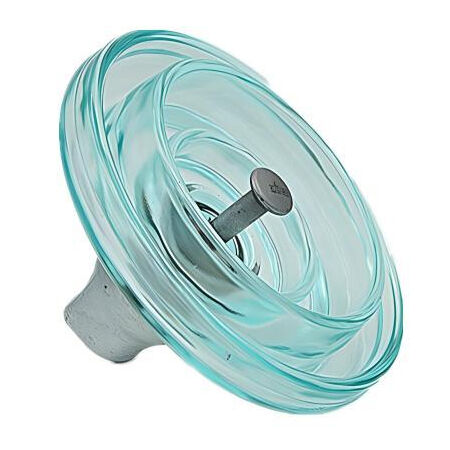
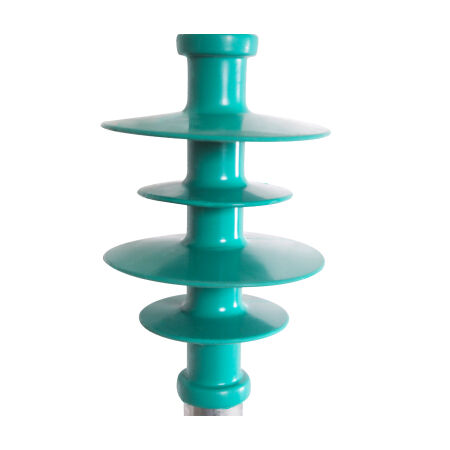
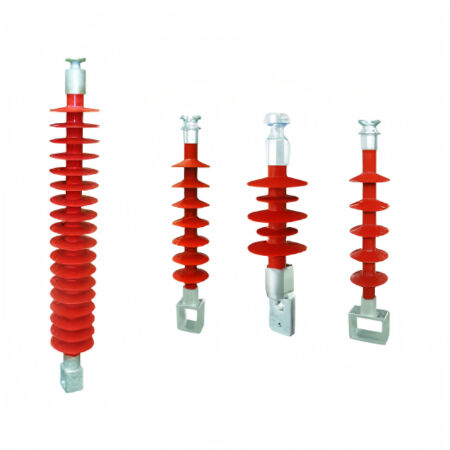
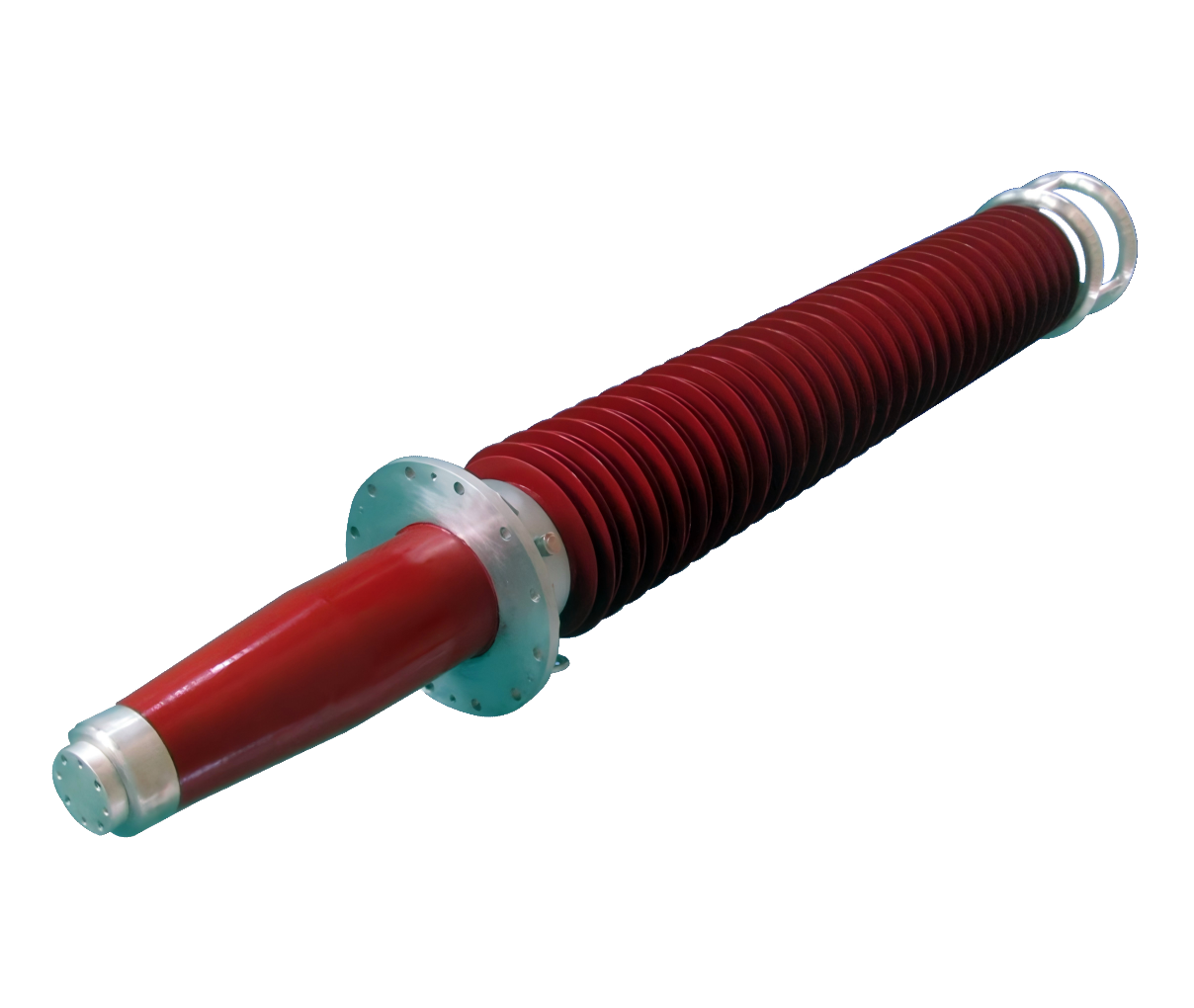
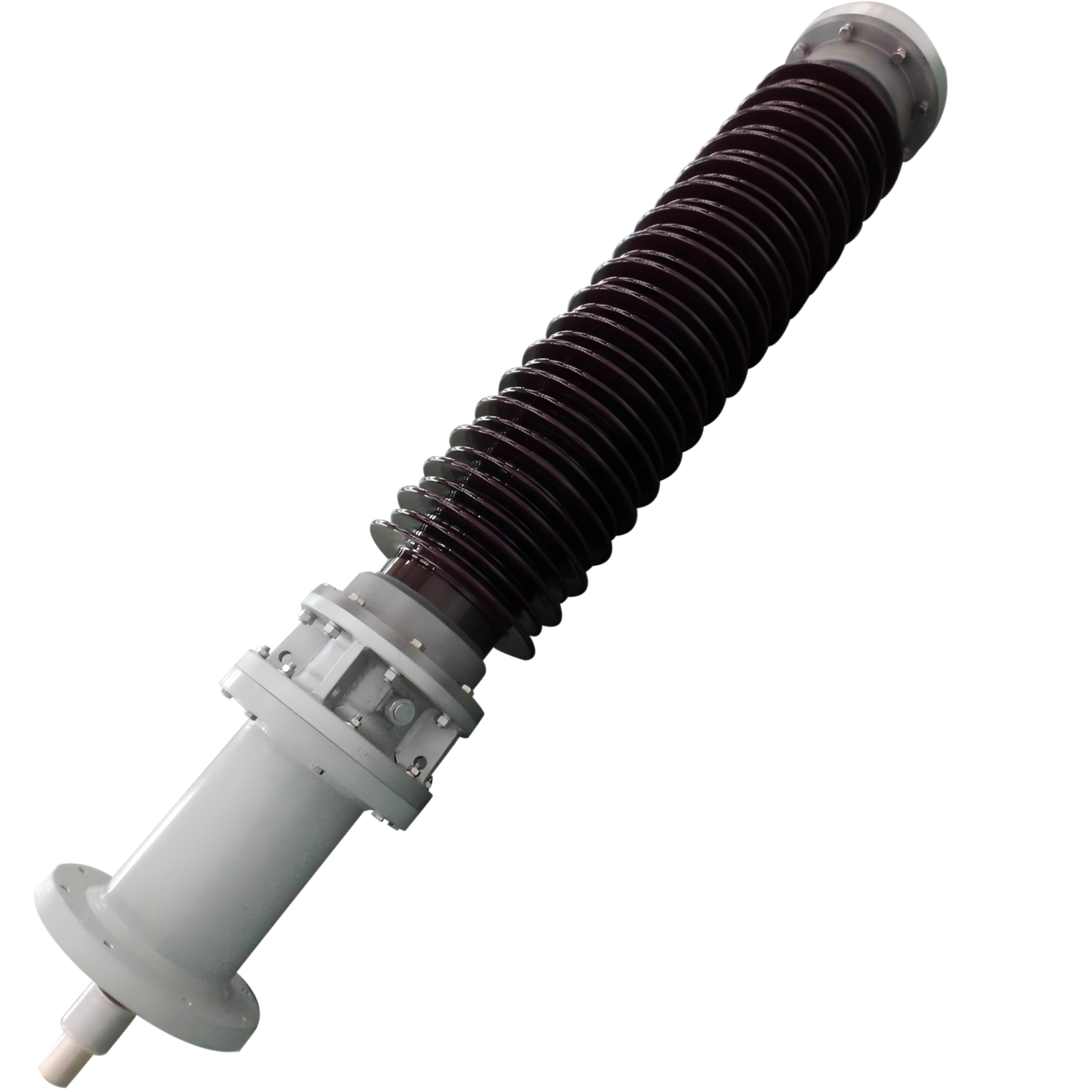
132 kv transformer bushing
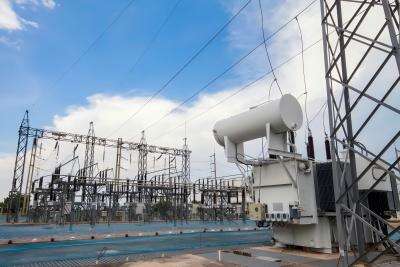
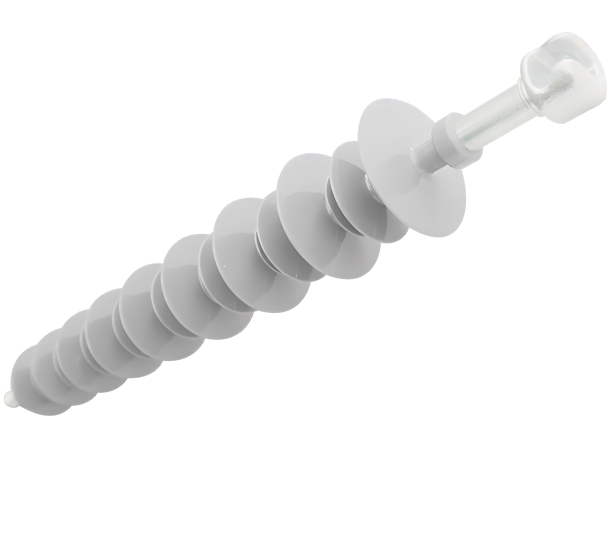
The 132 kv transformer bushing serves as a critical component in high-voltage electrical systems, providing essential insulation and connection capabilities for power transformers operating at 132 kilovolt levels. This specialized equipment enables safe electrical connections between internal transformer windings and external power lines while maintaining proper insulation integrity. The 132 kv transformer bushing incorporates advanced ceramic or composite materials that withstand extreme electrical stress and environmental conditions. These bushings feature robust construction with porcelain or polymer housings that protect internal conductors from moisture, contamination, and mechanical damage. The design includes multiple insulation layers and grading systems that distribute electrical stress evenly across the bushing length. Modern 132 kv transformer bushing units utilize oil-filled or gas-filled insulation systems that provide superior dielectric properties compared to traditional air-insulated designs. The conductor core typically consists of copper or aluminum materials with optimized cross-sectional areas for efficient current carrying capacity. Surface treatment technologies enhance the bushing's performance by reducing corona discharge and improving long-term reliability. Installation flexibility represents another key feature, as these bushings accommodate various mounting configurations including vertical, horizontal, and angled positions. The 132 kv transformer bushing finds extensive applications in power generation facilities, electrical substations, industrial complexes, and utility distribution networks. Manufacturing processes incorporate stringent quality control measures including high-voltage testing, partial discharge measurements, and thermal cycling evaluations. These comprehensive testing procedures ensure that each 132 kv transformer bushing meets international standards such as IEC and IEEE specifications. The operational temperature range typically spans from negative forty to positive eighty degrees Celsius, making these bushings suitable for diverse climatic conditions. Maintenance requirements remain minimal due to sealed construction and durable materials, contributing to reduced operational costs and extended service life expectancy exceeding twenty-five years under normal operating conditions.
 ×
×

 EN
EN