antique glass railroad insulators
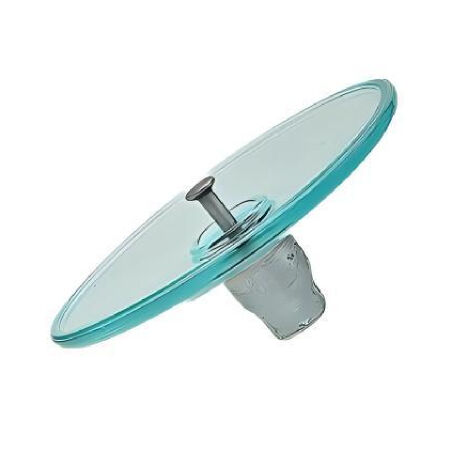
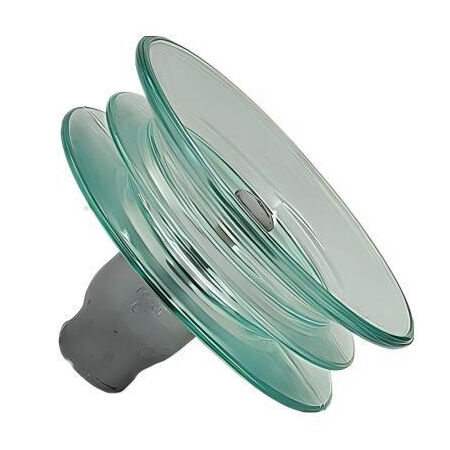
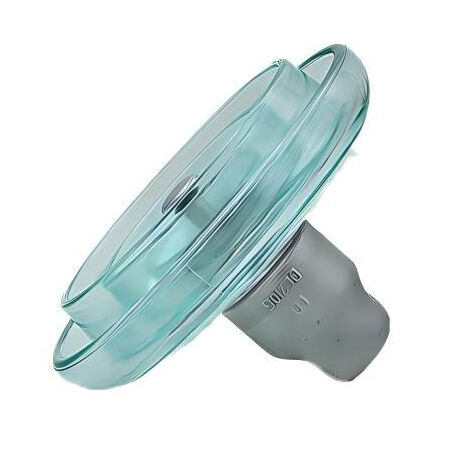
Antique glass railroad insulators represent a fascinating intersection of industrial heritage and functional design that captivated collectors and history enthusiasts worldwide. These remarkable artifacts served as essential components in early telegraph and electrical systems, specifically designed to prevent electrical current from grounding through wooden poles and metal hardware. The primary function of antique glass railroad insulators centered on creating a barrier between live electrical wires and supporting structures, ensuring safe and reliable transmission of electrical signals across vast railroad networks. Manufactured primarily between 1850 and 1970, these insulators featured distinctive glass construction that provided superior insulation properties compared to alternative materials available during that era. The technological features of antique glass railroad insulators included carefully engineered threading systems that allowed secure attachment to crossarms and pins, while maintaining optimal electrical isolation. Glass composition varied among manufacturers, with some utilizing aqua-colored glass from iron impurities, while others produced clear, amber, or cobalt blue variations depending on raw materials and production techniques. The threading patterns, known as drip points and petticoat designs, served dual purposes of mechanical stability and water drainage, preventing moisture accumulation that could compromise insulation effectiveness. Applications for antique glass railroad insulators extended beyond railroad communications to include telephone lines, power distribution systems, and early electrical infrastructure projects. Railroad companies relied heavily on these insulators to maintain communication networks spanning thousands of miles, enabling coordination of train schedules, emergency communications, and operational efficiency. The durability and weather resistance of glass made these insulators ideal for outdoor installations exposed to harsh environmental conditions including extreme temperatures, precipitation, and wind loads. Today, antique glass railroad insulators continue to serve practical applications in restoration projects, educational displays, and specialized electrical installations where historical accuracy or aesthetic appeal takes precedence over modern alternatives.
 ×
×



 EN
EN