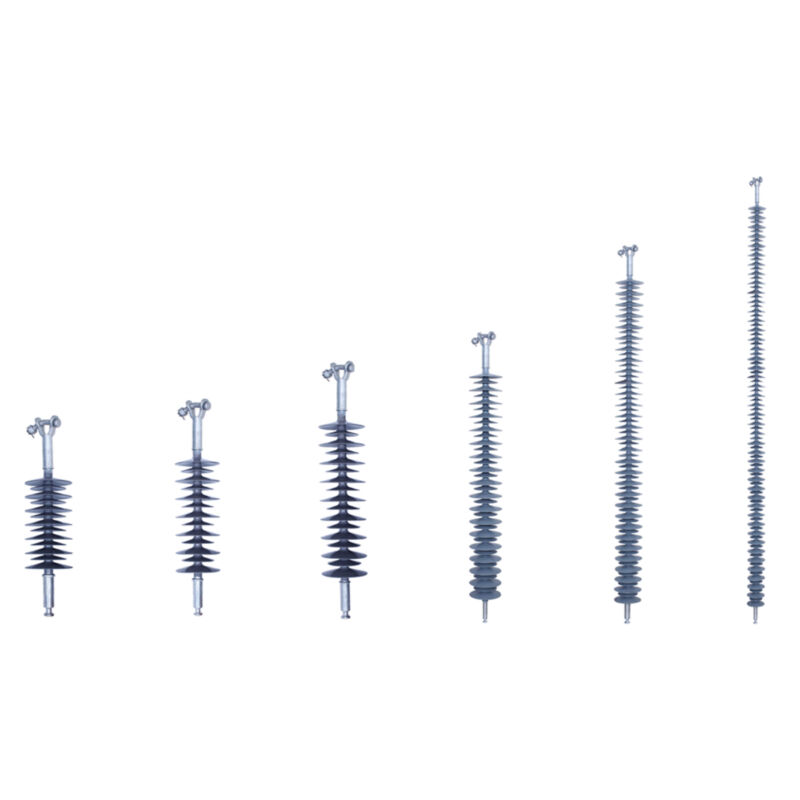
Premium Small Glass Insulators - Superior Electrical Protection and Durability

Get a Free Quote

Our representative will contact you soon.
Email
Name
Company Name
Message
0/1000

small glass insulators

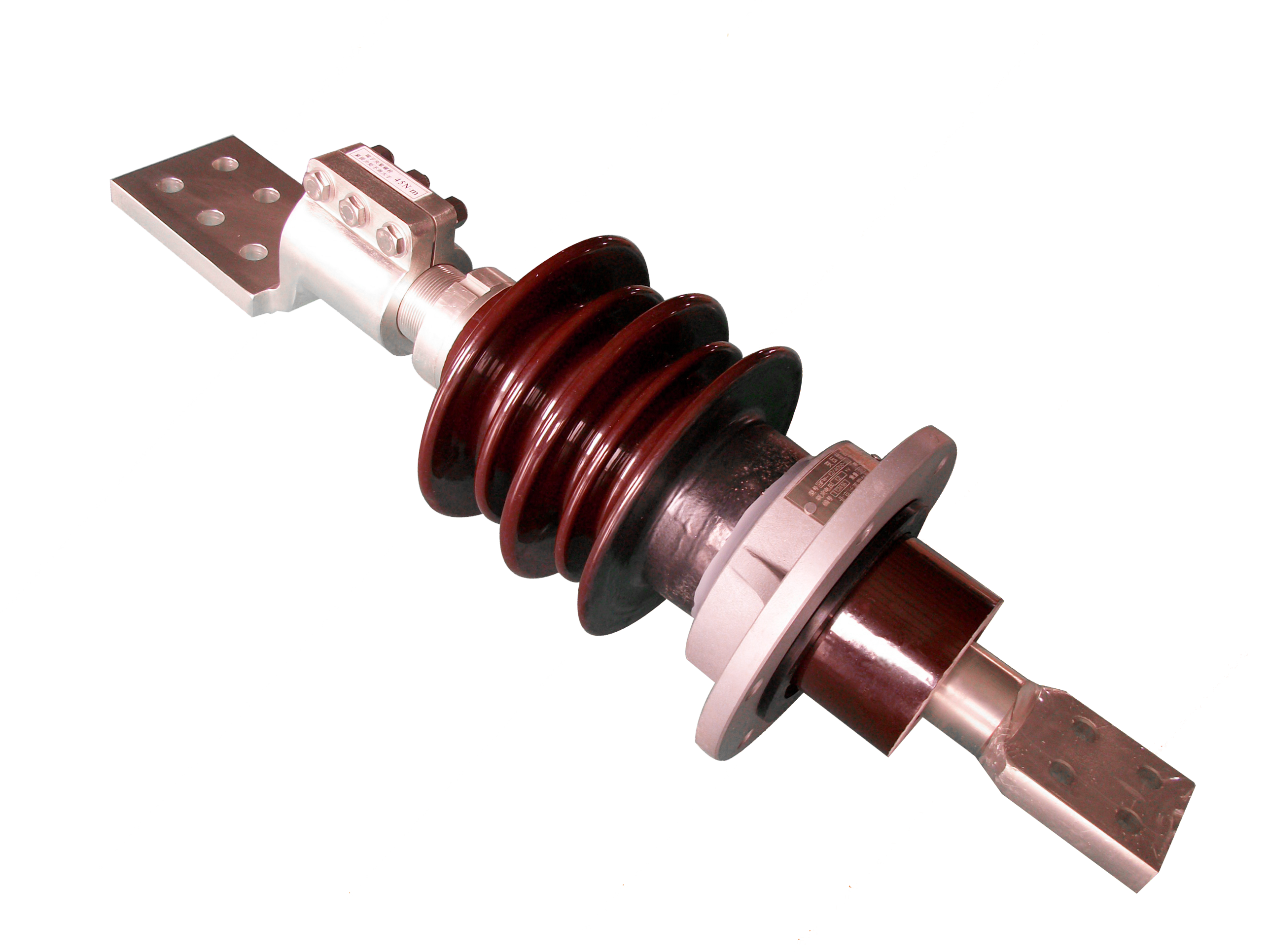
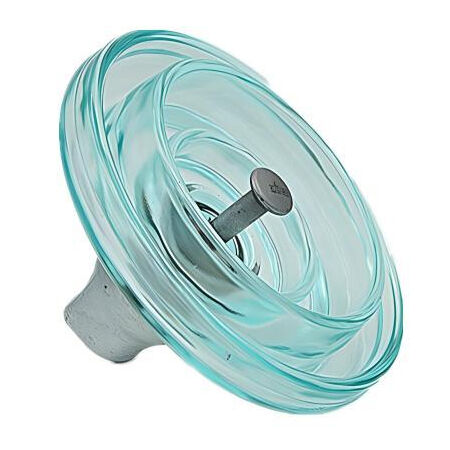
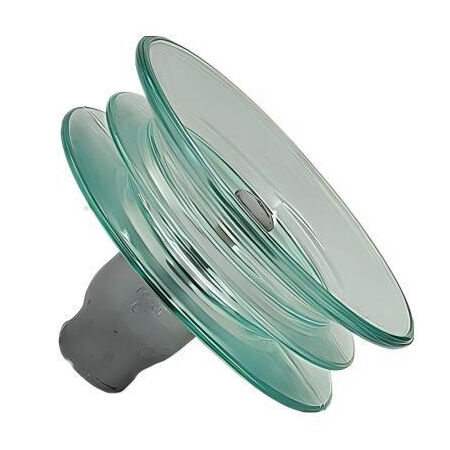
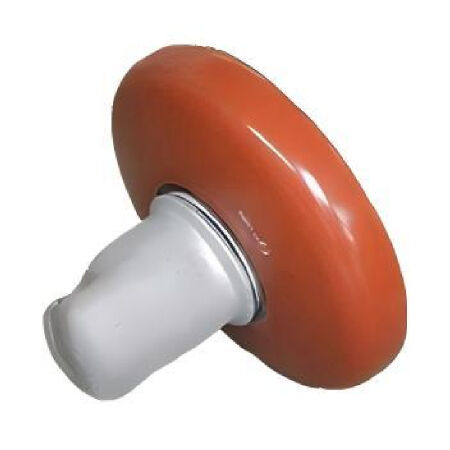
Small glass insulators represent a crucial component in electrical systems, serving as protective barriers that prevent unwanted electrical current flow between conductors and supporting structures. These compact yet robust devices are manufactured from high-quality glass materials, specifically designed to withstand various environmental conditions while maintaining superior electrical isolation properties. The primary function of small glass insulators revolves around electrical safety and system reliability, ensuring that power transmission and distribution networks operate efficiently without compromising personnel safety or equipment integrity. These insulators work by creating an effective barrier between live electrical conductors and grounded structures, preventing dangerous electrical discharge that could result in system failures, fires, or electrocution incidents. The technological features of small glass insulators include exceptional dielectric strength, which enables them to resist electrical breakdown under high voltage conditions. Their glass composition provides outstanding resistance to chemical corrosion, making them suitable for diverse environmental applications including coastal areas with salt exposure, industrial zones with chemical pollutants, and regions experiencing extreme temperature variations. Small glass insulators demonstrate remarkable mechanical strength, capable of supporting substantial weight loads while maintaining their insulating properties. The manufacturing process involves precise molding techniques that create uniform wall thickness and optimal surface finish, contributing to their reliable performance characteristics. Applications for small glass insulators span numerous industries and electrical installations. They are commonly found in residential electrical systems, commercial building infrastructure, industrial power distribution networks, telecommunications equipment, and outdoor electrical installations. These versatile components prove essential in overhead power lines, electrical substations, railway electrification systems, and various electronic equipment where electrical isolation is paramount. Their compact size makes them particularly valuable in space-constrained applications where larger insulators would be impractical, yet reliable electrical isolation remains critical for safe operation and regulatory compliance.

New Products

Small glass insulators offer numerous compelling advantages that make them the preferred choice for electrical isolation applications across various industries. The superior electrical performance of these insulators stems from their exceptional dielectric properties, which provide reliable insulation even under challenging conditions. Users benefit from consistent electrical isolation that maintains system integrity and prevents costly downtime associated with electrical failures. The longevity of small glass insulators represents a significant economic advantage for customers seeking cost-effective solutions. Unlike alternative materials that may degrade over time, glass maintains its insulating properties for decades, reducing replacement costs and maintenance requirements. This durability translates into lower total ownership costs and improved return on investment for electrical system operators. Weather resistance stands as another major benefit of small glass insulators, as they perform reliably across extreme temperature ranges without experiencing thermal expansion issues that could compromise their effectiveness. Rain, snow, ice, and intense sunlight do not affect their insulating capabilities, ensuring consistent performance regardless of seasonal variations or geographic location. The chemical inertness of glass provides exceptional resistance to corrosive substances, making these insulators ideal for harsh industrial environments where chemical exposure could damage other materials. Customers operating in chemical processing facilities, coastal areas, or polluted urban environments particularly benefit from this resistance, as their electrical systems remain protected without requiring frequent component replacements. Installation simplicity represents a practical advantage that reduces labor costs and project timelines. Small glass insulators feature standardized mounting configurations that facilitate quick installation and replacement procedures, minimizing system downtime and reducing maintenance expenses. Their lightweight nature compared to ceramic alternatives makes handling easier and safer for installation personnel. The visual inspection capability of glass insulators allows maintenance teams to quickly identify potential issues such as cracks or surface contamination, enabling proactive maintenance strategies that prevent unexpected failures. This transparency feature helps maintain system reliability through regular visual monitoring without requiring specialized testing equipment. Environmental sustainability adds another layer of value, as glass insulators are recyclable and manufactured from abundant raw materials, supporting corporate sustainability initiatives while providing reliable electrical isolation performance that meets modern environmental standards.

Latest News

Nanjing Electric Holds Grand 89th Anniversary Celebration

26

Jan

Nanjing Electric Holds Grand 89th Anniversary Celebration

View More
Setting Sail for the World  From Export to Global Expansion, Baiyun Electric Accelerates Its Internationalization

26

Nov

Setting Sail for the World From Export to Global Expansion, Baiyun Electric Accelerates Its Internationalization

View More
International Exhibition | Nanjing Electric Showcases at Middle East Energy 2025

26

Jan

International Exhibition | Nanjing Electric Showcases at Middle East Energy 2025

View More

Get a Free Quote

Our representative will contact you soon.
Email
Name
Company Name
Message
0/1000

small glass insulators

Exceptional Dielectric Strength and Electrical Performance

Exceptional Dielectric Strength and Electrical Performance

The exceptional dielectric strength of small glass insulators represents their most significant technical advantage, providing superior electrical isolation that ensures safe and reliable operation across diverse applications. This fundamental property stems from the molecular structure of glass, which creates an extremely effective barrier against electrical current flow. The dielectric strength typically ranges from 12 to 16 kV per millimeter of thickness, significantly exceeding the requirements for most electrical applications and providing substantial safety margins. This superior electrical performance translates into enhanced system reliability, as small glass insulators can withstand voltage surges, lightning strikes, and other electrical disturbances that might compromise inferior insulating materials. The uniform molecular structure of glass ensures consistent dielectric properties throughout the insulator body, eliminating weak points that could lead to electrical breakdown. Manufacturing processes create precise control over glass composition and density, resulting in predictable and reliable electrical characteristics that engineers can confidently specify for critical applications. The high resistivity of glass material prevents leakage currents that could cause energy losses and create safety hazards in electrical systems. This property becomes particularly valuable in sensitive electronic applications where even minimal current leakage could affect system performance or data integrity. Small glass insulators maintain their dielectric strength across wide temperature ranges, ensuring consistent performance in environments experiencing seasonal temperature variations or industrial heat sources. The thermal stability of glass prevents degradation of electrical properties that might occur with polymer-based alternatives, providing long-term reliability that reduces maintenance requirements and replacement costs. Surface treatment options further enhance the electrical performance of small glass insulators, with specialized coatings available to improve performance in specific environmental conditions such as high humidity or pollution exposure. These treatments create hydrophobic surfaces that shed moisture effectively, preventing the formation of conductive paths that could compromise insulating effectiveness. The electrical performance advantages extend to frequency response characteristics, as glass insulators demonstrate excellent performance across broad frequency ranges, making them suitable for both power frequency applications and high-frequency electronic systems.
Outstanding Environmental Durability and Weather Resistance

Outstanding Environmental Durability and Weather Resistance

Small glass insulators demonstrate remarkable environmental durability that ensures reliable performance across diverse weather conditions and challenging environmental exposures. This exceptional weather resistance stems from the inherent properties of glass material, which remains chemically stable and mechanically robust when exposed to natural elements including rain, snow, ice, ultraviolet radiation, and extreme temperatures. The non-porous surface of glass prevents moisture absorption that could compromise electrical performance or lead to freeze-thaw damage in cold climates. This characteristic proves particularly valuable in outdoor electrical installations where insulators must withstand decades of weather exposure while maintaining their protective capabilities. Temperature cycling resistance represents a critical advantage of small glass insulators, as they accommodate thermal expansion and contraction without developing stress fractures that could compromise their integrity. The low thermal expansion coefficient of glass minimizes dimensional changes during temperature variations, ensuring stable mechanical connections and consistent electrical clearances throughout seasonal temperature swings. This thermal stability proves essential in geographic regions experiencing extreme temperature variations or industrial applications involving heat-generating equipment. Chemical resistance provides another dimension of environmental durability, as glass remains unaffected by most chemicals encountered in industrial environments. Acid rain, salt spray in coastal areas, industrial pollutants, and cleaning chemicals do not degrade glass insulators, maintaining their performance characteristics throughout extended service periods. This chemical inertness eliminates concerns about material degradation that could compromise electrical safety or require premature replacement of insulating components. Ultraviolet radiation resistance ensures that small glass insulators maintain their mechanical and electrical properties even under intense solar exposure. Unlike polymer materials that may become brittle or discolored when exposed to UV radiation, glass remains stable and transparent, allowing for visual inspection of internal conditions while maintaining structural integrity. The surface hardness of glass provides excellent resistance to wind-blown debris, hail, and other mechanical impacts that might damage softer insulating materials. This durability reduces maintenance requirements and extends service life, providing economic benefits through reduced replacement costs and improved system reliability. Pollution resistance capabilities allow small glass insulators to perform effectively in urban and industrial environments where airborne contaminants might accumulate on insulator surfaces, as the smooth glass surface facilitates easy cleaning and prevents contaminant buildup that could create conductive paths.
Cost-Effective Long-Term Value and Maintenance Benefits

Cost-Effective Long-Term Value and Maintenance Benefits

Small glass insulators provide exceptional long-term value through their combination of durability, low maintenance requirements, and extended service life that significantly reduces total cost of ownership for electrical system operators. The initial investment in quality glass insulators pays dividends through decades of reliable service, eliminating the frequent replacement cycles associated with less durable alternatives and reducing both material and labor costs over the system lifetime. The maintenance advantages of small glass insulators begin with their transparent nature, which allows visual inspection of internal conditions without requiring disassembly or specialized testing equipment. Maintenance personnel can quickly identify potential issues such as internal cracks, foreign object contamination, or surface damage during routine inspections, enabling proactive maintenance strategies that prevent unexpected failures and costly system downtime. This visual inspection capability reduces maintenance costs by eliminating the need for complex diagnostic procedures while improving system reliability through early problem detection. The self-cleaning properties of glass surfaces contribute significantly to maintenance cost reduction, as rain and normal weather conditions naturally remove dust, pollen, and light contamination that might accumulate on insulator surfaces. This natural cleaning action maintains optimal electrical performance without requiring manual cleaning interventions, reducing maintenance labor requirements and associated costs. When cleaning becomes necessary due to heavy pollution exposure, the smooth glass surface facilitates easy cleaning with standard procedures and equipment, minimizing maintenance time and complexity. Replacement procedures for small glass insulators are straightforward and cost-effective due to standardized mounting configurations and lightweight construction. When replacement becomes necessary after decades of service, the process requires minimal specialized tools or extensive system modifications, reducing replacement costs and minimizing system downtime. The recyclable nature of glass materials provides additional economic and environmental benefits, as end-of-life insulators can be recycled into new glass products rather than contributing to landfill waste. Inventory management advantages emerge from the standardized designs and long shelf life of glass insulators, allowing system operators to maintain minimal spare parts inventories without concerns about material degradation during storage. The predictable performance characteristics and extended service life of small glass insulators enable better maintenance planning and budgeting, as replacement schedules can be established based on actual service experience rather than frequent inspections and unpredictable failure patterns associated with less reliable alternatives.

Get a Free Quote

Our representative will contact you soon.
Email
Name
Company Name
Message
0/1000
Newsletter
Please Leave A Message With Us