Premium Colored Glass Insulators - Superior Electrical Performance with Aesthetic Appeal

Get a Free Quote

Our representative will contact you soon.
Email
Name
Company Name
Message
0/1000

colored glass insulators

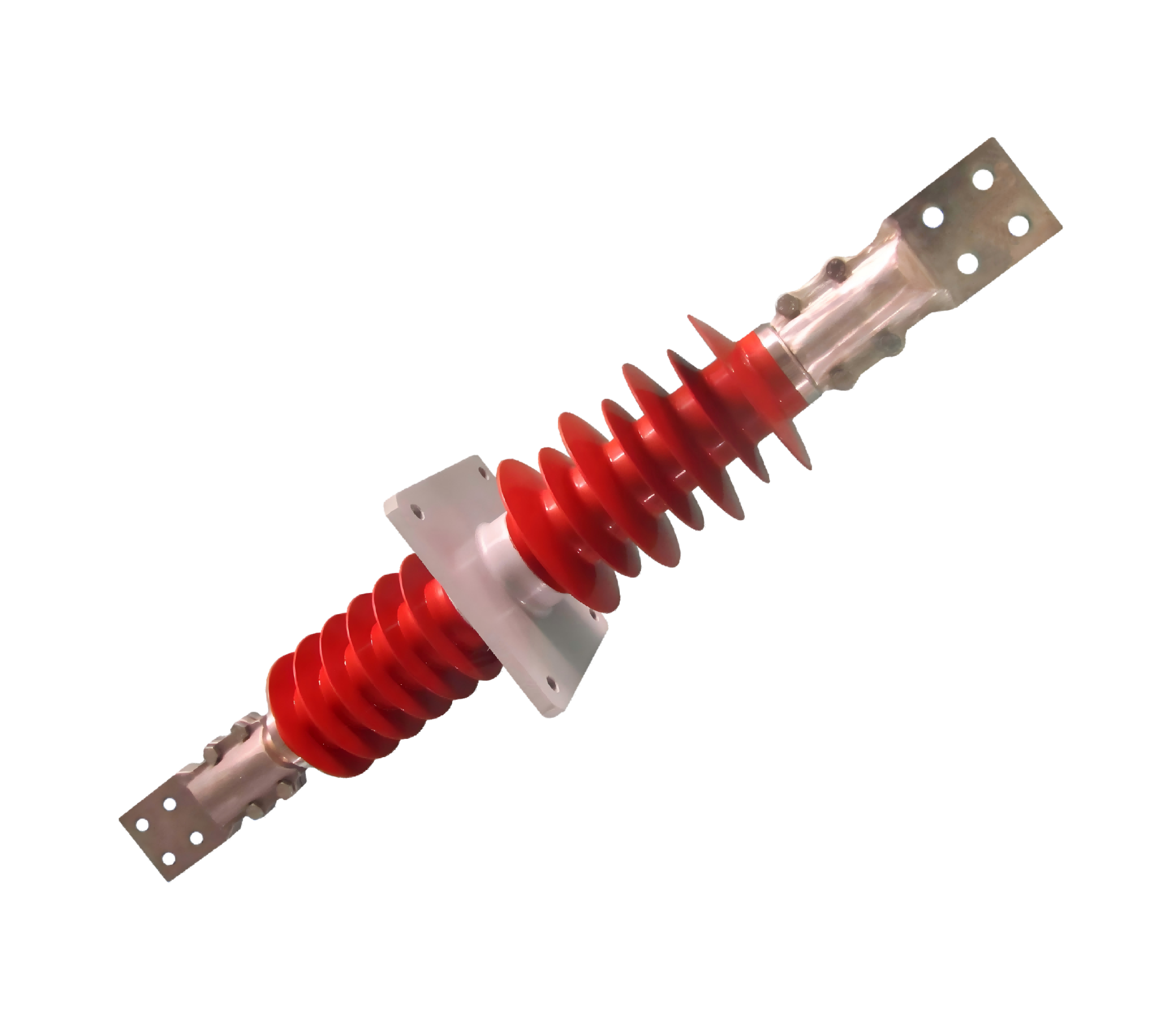
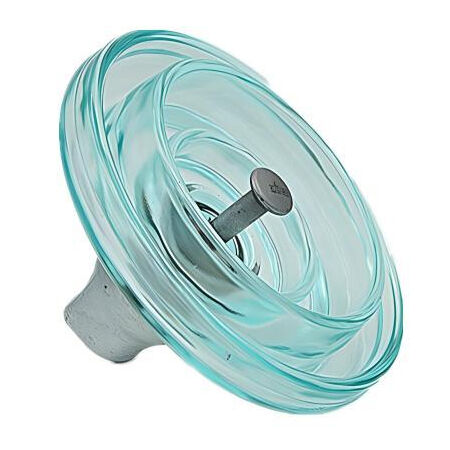
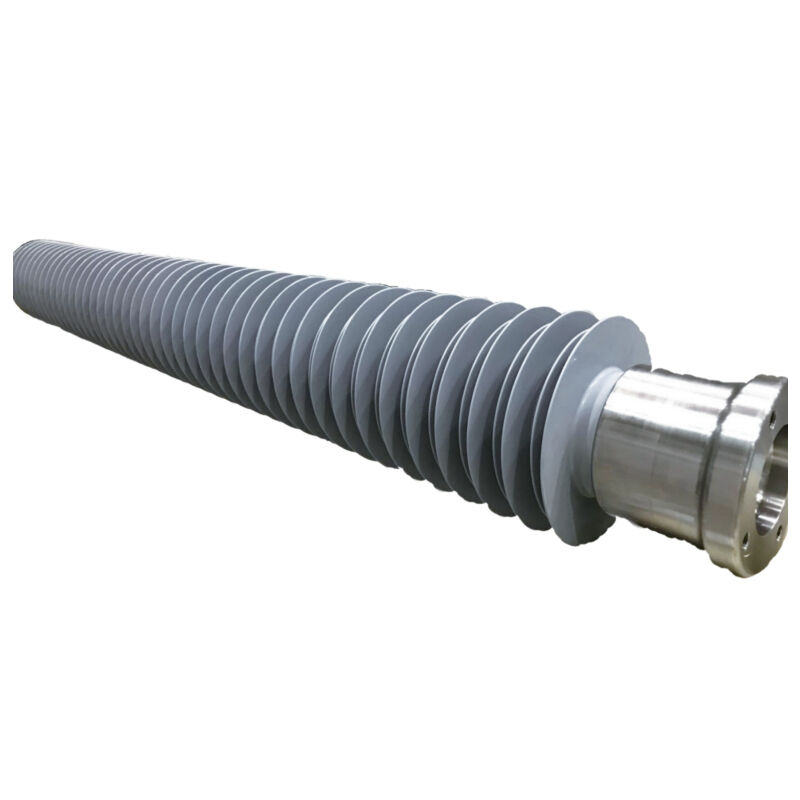
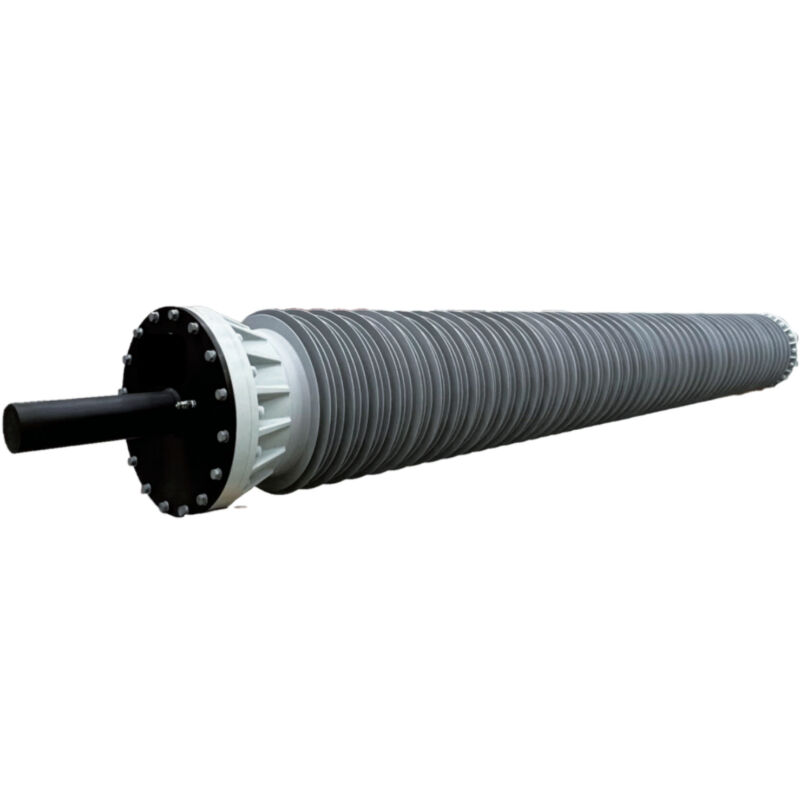
Colored glass insulators represent a sophisticated advancement in electrical infrastructure technology, combining functional excellence with aesthetic appeal. These specialized components serve as critical barriers between electrical conductors and supporting structures, preventing unwanted current flow while maintaining system integrity. Unlike traditional ceramic or porcelain alternatives, colored glass insulators offer superior performance characteristics through their unique material composition and manufacturing processes. The primary function of these insulators involves creating electrical isolation between high-voltage power lines and transmission towers, poles, or other support mechanisms. This isolation prevents dangerous electrical discharge and ensures safe power distribution across electrical networks. Technologically, colored glass insulators feature enhanced dielectric strength, meaning they can withstand higher voltage levels without breakdown. Their glass composition provides excellent resistance to environmental factors including moisture, temperature fluctuations, and chemical exposure. The coloring process involves incorporating metallic oxides during manufacturing, creating distinctive hues while maintaining electrical properties. These insulators demonstrate exceptional mechanical strength, supporting substantial weight loads from power cables while resisting wind stress and vibration. Their smooth surface design minimizes contamination buildup, reducing maintenance requirements and improving long-term reliability. Applications span residential electrical systems, commercial power distribution, industrial facilities, and utility-scale transmission networks. Colored glass insulators prove particularly valuable in urban environments where aesthetic considerations matter, historic districts requiring period-appropriate materials, and coastal areas demanding corrosion resistance. Their versatility extends to railway electrification systems, telecommunications infrastructure, and specialized industrial applications requiring reliable electrical isolation. Manufacturing quality control ensures consistent performance standards, with each colored glass insulator tested for dielectric strength, mechanical durability, and environmental resistance before deployment.

New Product Releases

Colored glass insulators deliver remarkable durability that surpasses conventional insulation materials in multiple performance categories. Their glass construction resists cracking, chipping, and degradation from ultraviolet radiation, ensuring decades of reliable service without replacement needs. This longevity translates directly into cost savings for property owners and utility companies through reduced maintenance expenses and fewer system interruptions. The superior electrical properties of colored glass insulators provide enhanced safety margins during operation. Their high dielectric strength prevents electrical flashover even under challenging weather conditions, protecting both equipment and personnel from dangerous electrical faults. This reliability proves especially valuable during storms or extreme weather events when electrical systems face maximum stress. Environmental resistance stands as another significant advantage, with colored glass insulators maintaining performance across wide temperature ranges and humidity levels. They resist corrosion from salt air in coastal locations, chemical exposure in industrial settings, and contamination from dust or pollution in urban areas. This adaptability makes them suitable for diverse geographical locations and application environments. Installation simplicity reduces labor costs and project timelines compared to complex insulation systems. Colored glass insulators mount easily onto existing hardware using standard connection methods, minimizing specialized equipment requirements. Their lightweight construction compared to ceramic alternatives reduces structural loading on support towers and poles. Maintenance benefits include self-cleaning properties during rainfall and resistance to biological growth that can compromise insulation performance. The smooth glass surface prevents accumulation of debris, bird nesting materials, and vegetation that plague other insulator types. Visual inspection quickly identifies any damage or contamination issues, enabling proactive maintenance strategies. Economic advantages extend beyond initial cost considerations to include improved system reliability and reduced outage frequencies. Colored glass insulators contribute to grid stability through consistent performance characteristics, supporting efficient power distribution and minimizing customer service disruptions that can result in significant financial penalties for utility providers.

Latest News

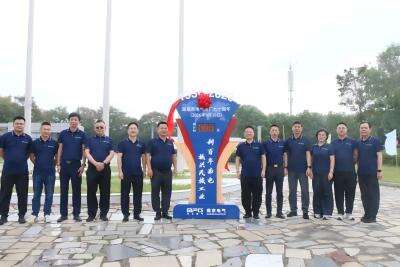
Nanjing Electric Holds Grand 89th Anniversary Celebration

26

Jan

Nanjing Electric Holds Grand 89th Anniversary Celebration

View More
Setting Sail for the World  From Export to Global Expansion, Baiyun Electric Accelerates Its Internationalization

26

Nov

Setting Sail for the World From Export to Global Expansion, Baiyun Electric Accelerates Its Internationalization

View More
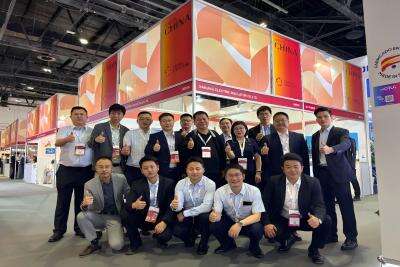
International Exhibition | Nanjing Electric Showcases at Middle East Energy 2025

26

Jan

International Exhibition | Nanjing Electric Showcases at Middle East Energy 2025

View More

Get a Free Quote

Our representative will contact you soon.
Email
Name
Company Name
Message
0/1000

colored glass insulators

Superior Weather Resistance and Environmental Durability

Superior Weather Resistance and Environmental Durability

Colored glass insulators excel in harsh environmental conditions where other insulation materials fail or degrade rapidly. The glass composition naturally resists moisture absorption, preventing internal damage from freeze-thaw cycles that commonly affect porous materials like ceramic or composite insulators. This moisture resistance proves critical in regions experiencing significant temperature variations, where water infiltration can cause catastrophic insulator failure through expansion and contraction stresses. Salt spray resistance makes colored glass insulators ideal for coastal installations where sodium chloride corrosion destroys metallic components and degrades organic materials. The non-porous glass surface prevents salt accumulation and chemical reactions that compromise electrical properties over time. Industrial environments benefit from the chemical inertness of glass, which resists attack from acidic emissions, alkaline compounds, and organic solvents that can dissolve or weaken other insulator materials. Ultraviolet radiation protection ensures long-term color stability and material integrity, preventing the surface degradation and chalking that affects polymer insulators exposed to intense sunlight. This UV resistance maintains both functional performance and aesthetic appearance throughout the service life. Temperature cycling performance allows colored glass insulators to function reliably across extreme temperature ranges without developing stress cracks or mechanical weakness. The low thermal expansion coefficient of glass minimizes dimensional changes during heating and cooling, maintaining secure mounting connections and electrical clearances. Pollution resistance capabilities enable reliable operation in dusty, smoky, or chemically contaminated environments where surface contamination can create conductive paths across insulator surfaces. The smooth glass finish facilitates natural cleaning during precipitation events, removing accumulated particles and restoring insulation properties without manual intervention. Wind loading resistance comes from the aerodynamic profile and mechanical strength of colored glass insulators, allowing them to withstand severe storms and high-velocity wind events without structural damage or displacement from mounting hardware.
Enhanced Electrical Performance and Safety Features

Enhanced Electrical Performance and Safety Features

Colored glass insulators deliver superior dielectric properties that ensure reliable electrical isolation under demanding operating conditions. Their high breakdown voltage capability provides substantial safety margins above normal operating voltages, preventing dangerous flashover events that could damage equipment or endanger personnel. This electrical strength remains consistent throughout the service life, unlike organic materials that may degrade and lose insulation effectiveness over time. The low dielectric loss characteristics of colored glass insulators minimize energy waste through parasitic current flow, contributing to overall system efficiency and reduced operating costs. This efficiency becomes particularly important in high-voltage transmission applications where even small losses can represent significant financial impacts across large electrical networks. Tracking resistance prevents the formation of conductive carbon paths across insulator surfaces when subjected to electrical stress combined with contamination. The glass composition naturally resists carbonization and surface degradation that can create permanent conductive channels in organic insulator materials. Corona discharge resistance protects against high-frequency electrical stress that can erode insulator surfaces and create radio frequency interference. The smooth glass surface and optimized geometry minimize electric field concentrations that initiate corona activity, extending equipment life and reducing electromagnetic emissions. Arc extinction properties help contain and extinguish electrical faults when they occur, preventing cascading failures that could affect larger portions of the electrical system. The thermal properties of glass enable rapid heat dissipation from fault currents, limiting damage and facilitating system recovery. Insulation coordination benefits from the predictable and stable electrical characteristics of colored glass insulators, allowing engineers to design electrical systems with confidence in long-term performance. The consistent dielectric properties simplify protection system coordination and reduce the risk of equipment damage from overvoltage conditions. Lightning protection capabilities include natural surge suppression through the high-voltage breakdown characteristics of glass, which can safely conduct lightning currents to ground without permanent damage when properly coordinated with system protection devices.
Aesthetic Integration and Architectural Compatibility

Aesthetic Integration and Architectural Compatibility

Colored glass insulators provide unique aesthetic benefits that enable seamless integration into diverse architectural and landscape environments while maintaining full electrical functionality. The availability of multiple colors allows designers and engineers to coordinate electrical infrastructure with surrounding buildings, natural settings, or community design standards. This visual compatibility proves especially valuable in historic districts where modern electrical equipment must blend with period architecture without compromising safety or performance standards. Custom color matching capabilities enable precise coordination with specific architectural elements, corporate branding requirements, or municipal design guidelines. The coloring process incorporates stable metallic oxides that maintain consistent appearance throughout decades of outdoor exposure, eliminating concerns about fading or color shifting that affect painted or coated alternatives. Urban planning benefits from the reduced visual impact of colored glass insulators compared to stark white or gray ceramic units that create harsh contrasts against natural or architectural backgrounds. The translucent properties of colored glass create subtle light interaction effects that soften the industrial appearance of electrical equipment, making power lines and substations less visually intrusive in residential or commercial areas. Heritage preservation projects utilize colored glass insulators to maintain authentic appearances while meeting modern electrical safety codes and performance requirements. The glass material naturally complements traditional building materials like brick, stone, and wood while providing contemporary electrical protection standards. Landscape architecture integration becomes possible through earth-tone and natural color options that blend with vegetation, terrain, and seasonal color changes in outdoor environments. The refined appearance of colored glass insulators supports property values by reducing the visual impact of necessary electrical infrastructure on residential, commercial, and industrial developments. Public acceptance improves when electrical utilities use colored glass insulators in visible locations, demonstrating environmental sensitivity and community consideration in infrastructure planning. Tourist areas and scenic locations particularly benefit from the aesthetic considerations of colored glass insulators, preserving visual appeal while ensuring reliable electrical service for visitors and local businesses.

Get a Free Quote

Our representative will contact you soon.
Email
Name
Company Name
Message
0/1000
Newsletter
Please Leave A Message With Us