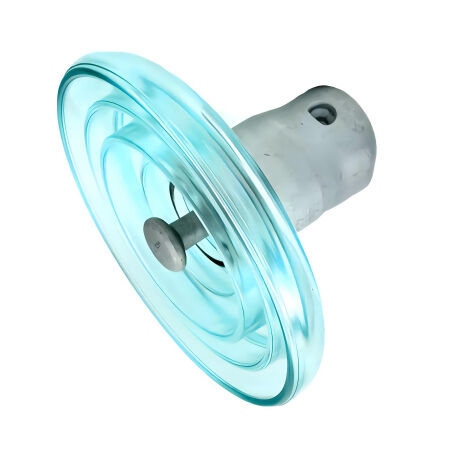
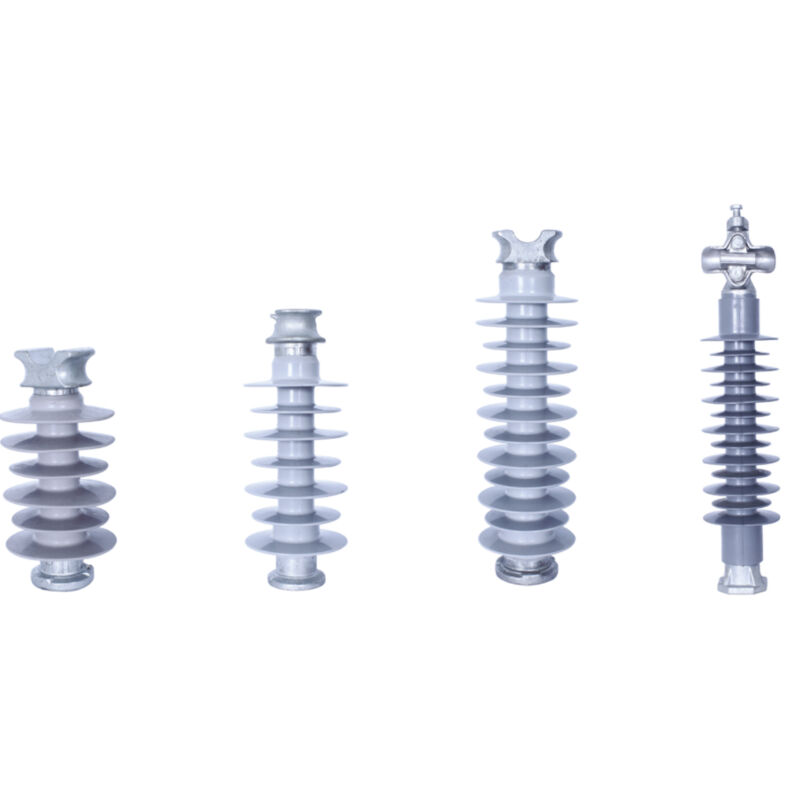
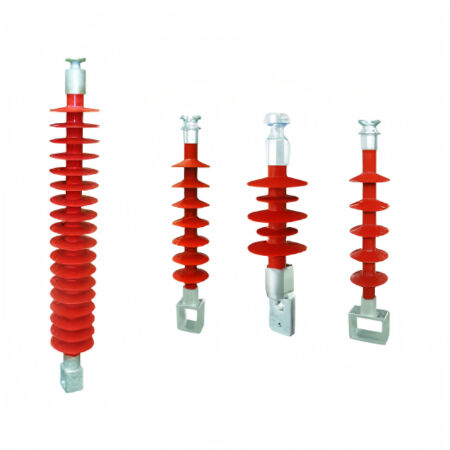
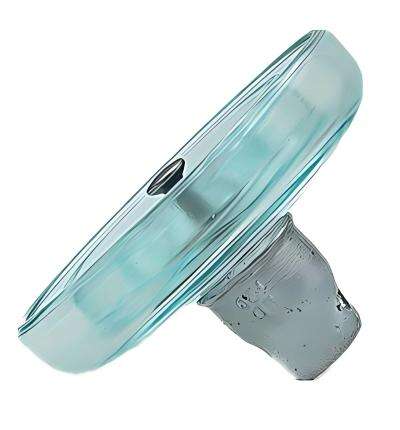
ceramic porcelain insulator
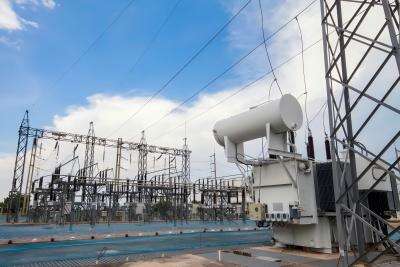
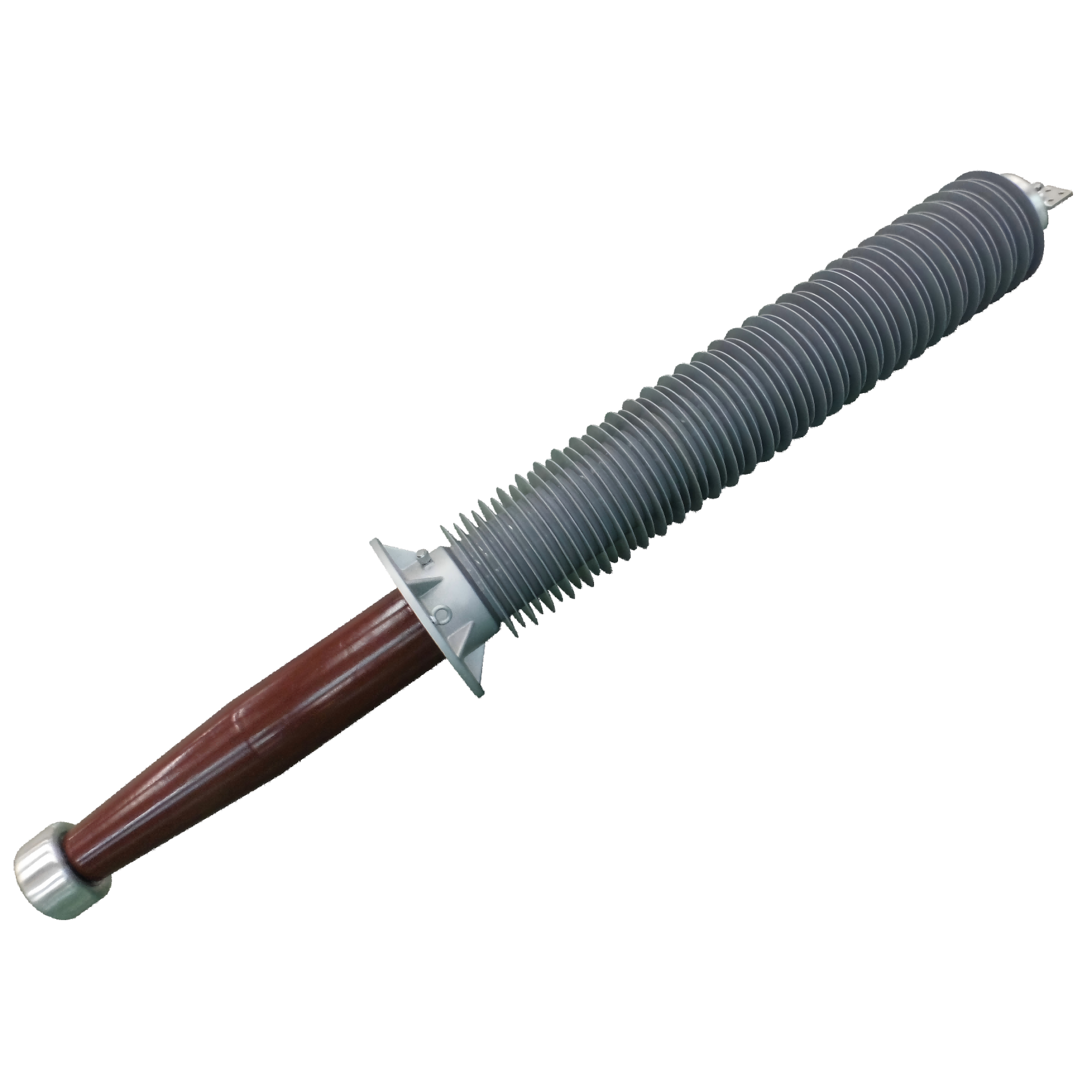
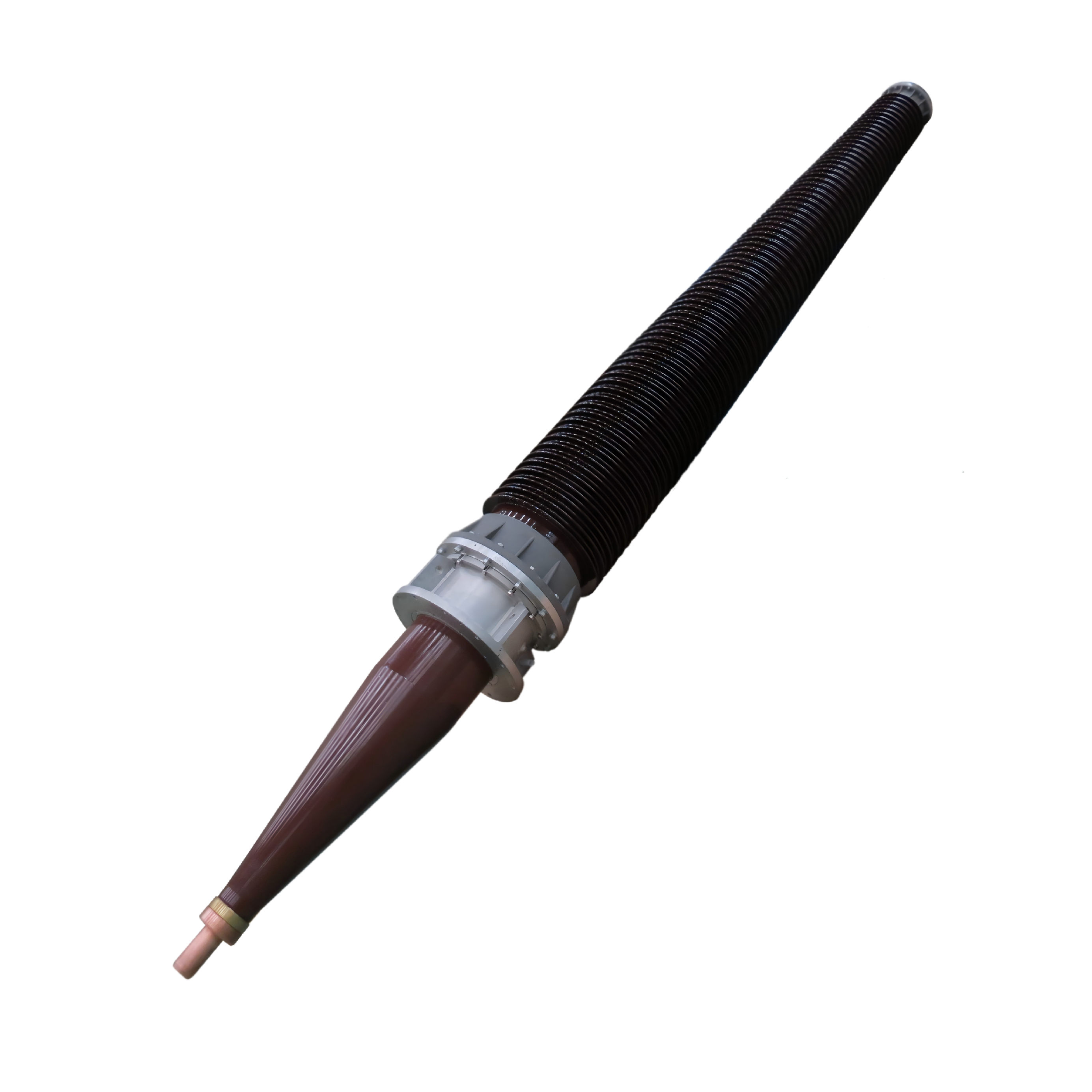
Ceramic porcelain insulators represent a critical component in electrical power transmission and distribution systems, serving as the primary barrier between energized conductors and grounded structures. These specialized devices are manufactured from high-grade porcelain materials that undergo precise firing processes to achieve optimal electrical and mechanical properties. The ceramic porcelain insulator functions by preventing unwanted electrical current flow while maintaining structural integrity under various environmental conditions and mechanical stresses. The technological foundation of ceramic porcelain insulators lies in their crystalline structure, which provides exceptional dielectric strength and resistance to electrical breakdown. Advanced manufacturing techniques ensure uniform density throughout the insulator body, eliminating potential weak points that could compromise performance. The glazed surface finish enhances pollution resistance and facilitates self-cleaning during rainfall, maintaining consistent electrical performance over extended service periods. These insulators incorporate sophisticated design elements including optimized creepage distances, strategically positioned sheds, and reinforced attachment points to accommodate specific voltage requirements and mechanical loads. Modern ceramic porcelain insulators find extensive applications across utility transmission lines, distribution networks, substations, and industrial facilities requiring reliable electrical isolation. Their robust construction enables operation in harsh environmental conditions including extreme temperatures, high humidity, salt spray exposure, and industrial contamination. The versatility of ceramic porcelain insulators makes them suitable for overhead line applications, bushing installations, surge arrester mounting, and specialized equipment isolation requirements. Quality ceramic porcelain insulators undergo rigorous testing protocols including wet power frequency withstand tests, impulse voltage tests, mechanical load verification, and thermal cycling evaluations to ensure compliance with international standards and long-term reliability expectations.
 ×
×

 EN
EN