porcelain strain insulator
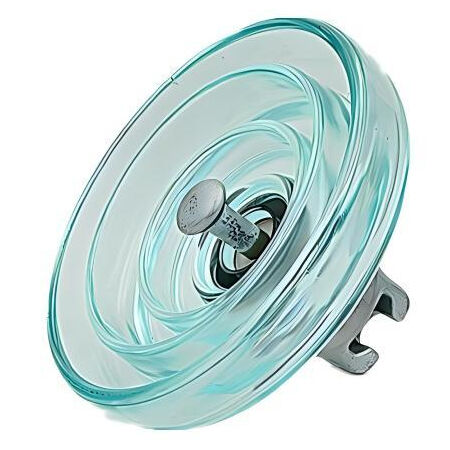
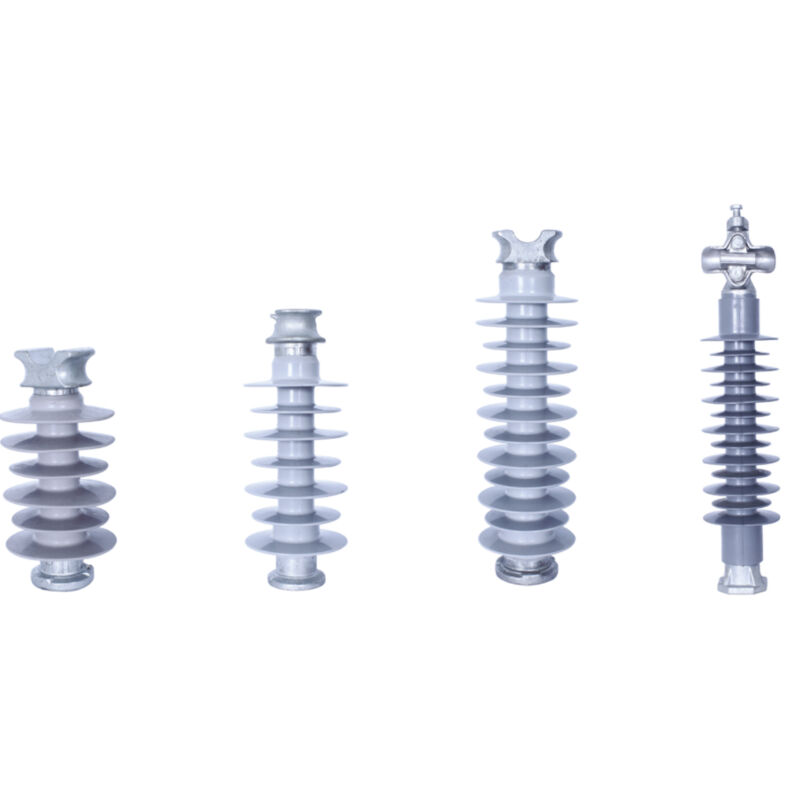
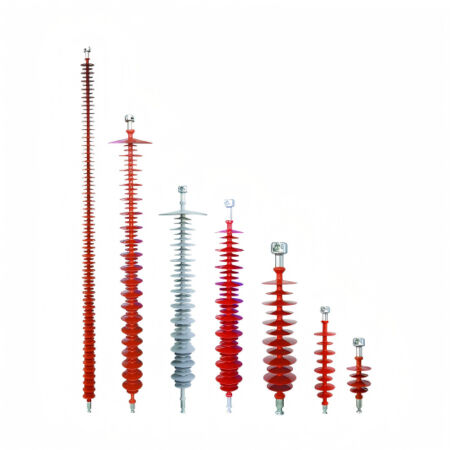
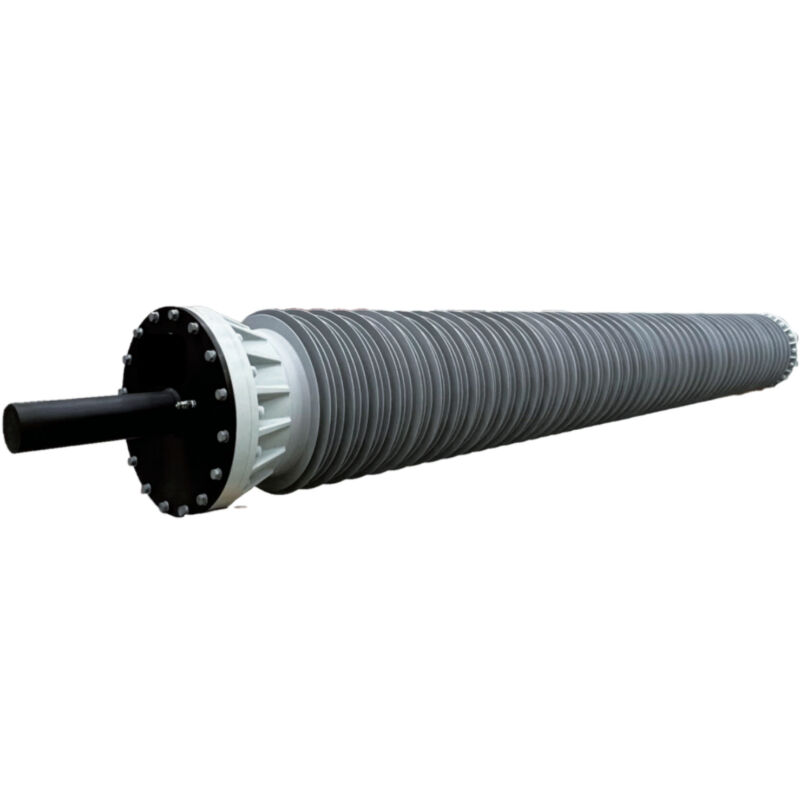
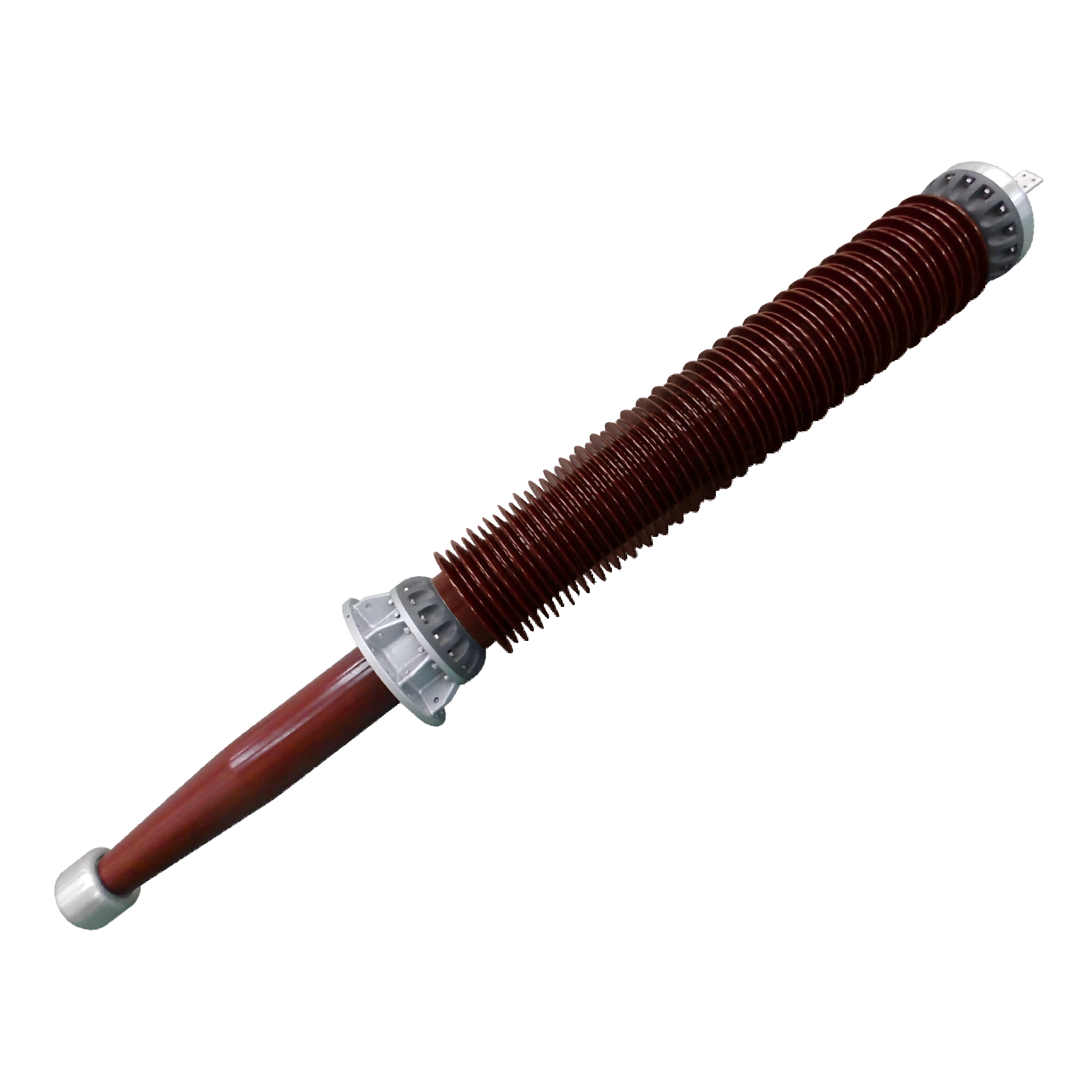
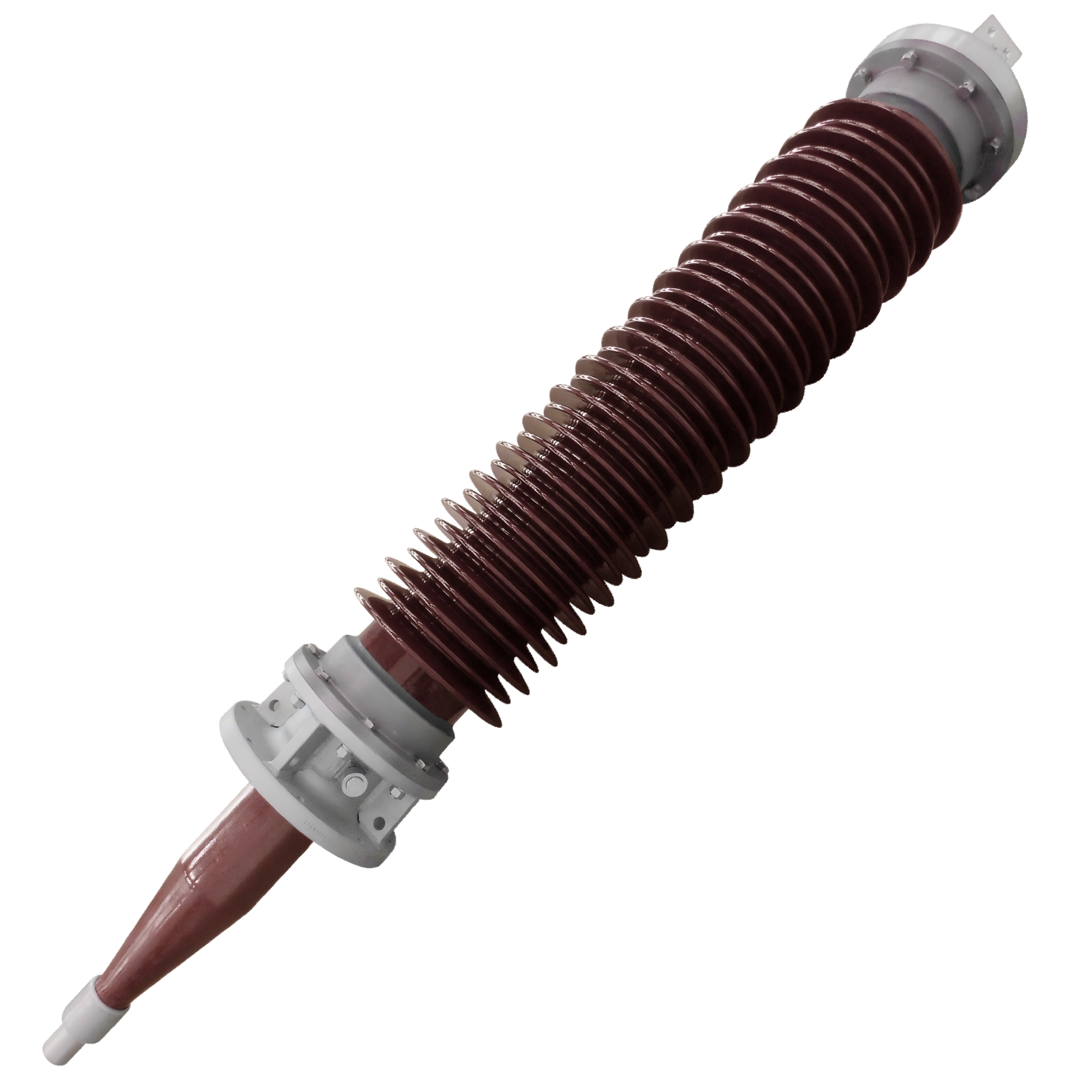
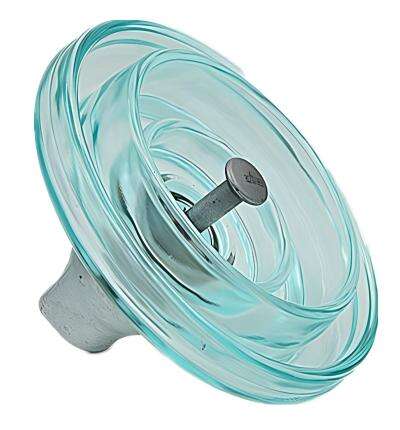
The porcelain strain insulator stands as a fundamental component in modern electrical power transmission and distribution systems, delivering exceptional mechanical strength and electrical insulation properties. These specialized devices are engineered specifically to handle both electrical isolation and significant mechanical stress simultaneously, making them indispensable for overhead power line applications. The porcelain strain insulator combines traditional ceramic manufacturing expertise with contemporary engineering requirements to create a reliable solution for high-voltage electrical systems. Unlike standard pin or post insulators, strain insulators are designed to bear substantial tensile forces while maintaining complete electrical isolation between conductors and grounding structures. The manufacturing process involves carefully selected clay materials, feldspathic compounds, and silica that undergo precise firing techniques at temperatures exceeding 1200 degrees Celsius. This controlled thermal treatment creates a dense, non-porous ceramic body with superior mechanical properties and exceptional dielectric strength. The glazed surface treatment provides additional protection against environmental contamination, moisture absorption, and surface tracking. These insulators feature multiple sheds or skirts that increase the creepage distance, enhancing performance under polluted atmospheric conditions. The unique bell-and-pin configuration allows for secure mechanical connection while distributing stress evenly across the insulator body. Modern porcelain strain insulators incorporate advanced design elements such as optimized shed profiles, improved cement formulations, and enhanced hardware specifications. The electrical performance characteristics include high flashover voltages, excellent power frequency withstand capabilities, and superior impulse strength ratings. Weather resistance represents another critical aspect, with porcelain strain insulators demonstrating remarkable durability against ultraviolet radiation, thermal cycling, acid rain, and industrial pollutants. The standardized dimensions and connection methods ensure compatibility with existing transmission line hardware and installation procedures, facilitating seamless integration into both new construction and retrofit applications across various voltage classes.
 ×
×

 EN
EN