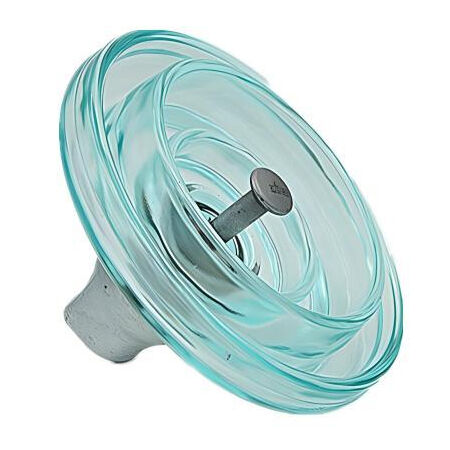
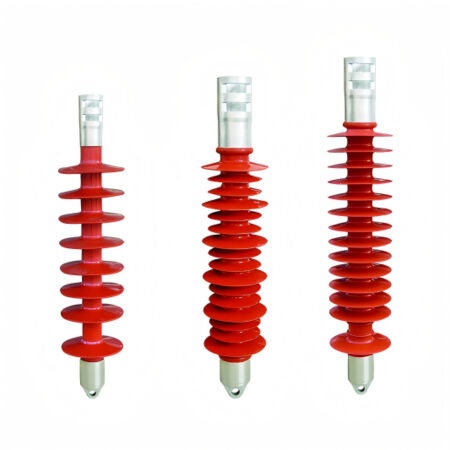
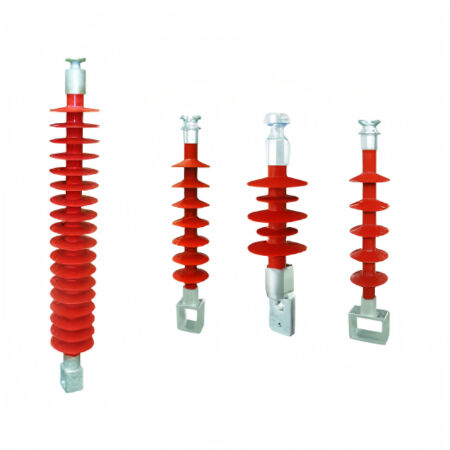
composite insulator
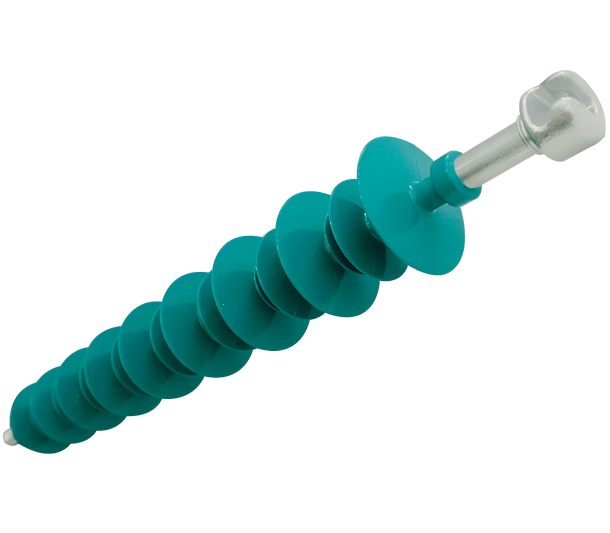
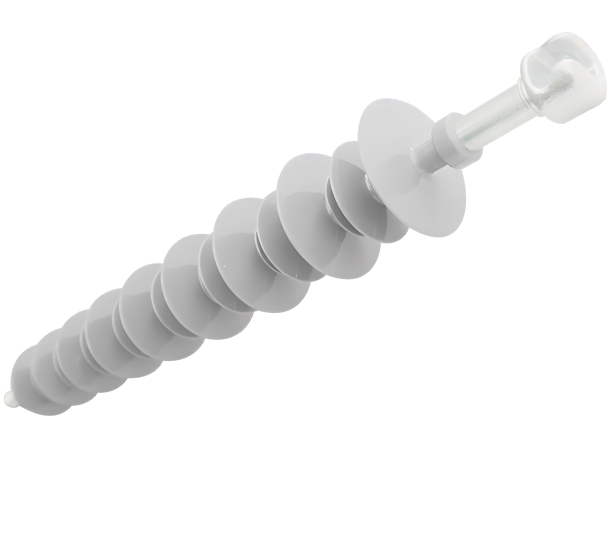
The composite insulator represents a revolutionary advancement in electrical power transmission and distribution technology, combining lightweight polymer materials with reinforced fiberglass cores to create superior insulation solutions. These sophisticated electrical components serve as critical barriers between live conductors and grounded structures, preventing dangerous electrical faults while maintaining optimal power flow efficiency. Modern composite insulators utilize advanced silicone rubber or polymer housings wrapped around fiberglass-reinforced plastic cores, creating exceptional mechanical strength combined with outstanding electrical performance. The main functions of composite insulators include providing electrical isolation between different voltage levels, supporting mechanical loads from power lines, and withstanding environmental stresses such as pollution, moisture, and extreme weather conditions. Their technological features encompass hydrophobic surface properties that naturally repel water and contaminants, lightweight construction that reduces installation costs and structural requirements, and superior tracking resistance that prevents electrical flashover. The composite insulator design incorporates weather-resistant materials that maintain performance integrity across diverse climatic conditions, from arctic cold to tropical heat and humidity. These insulators demonstrate exceptional resistance to vandalism and impact damage compared to traditional ceramic or glass alternatives. Their modular construction allows for customized voltage ratings and mechanical specifications to meet specific application requirements. The manufacturing process involves precise molding techniques that ensure consistent quality and performance characteristics throughout each composite insulator unit. Advanced testing protocols verify that every composite insulator meets stringent international standards for electrical, mechanical, and environmental performance. These insulators feature enhanced corona resistance, reduced radio interference, and improved safety characteristics that make them ideal for modern power grid applications. The composite insulator technology continues to evolve with ongoing research into new polymer formulations and manufacturing processes.
 ×
×


 EN
EN