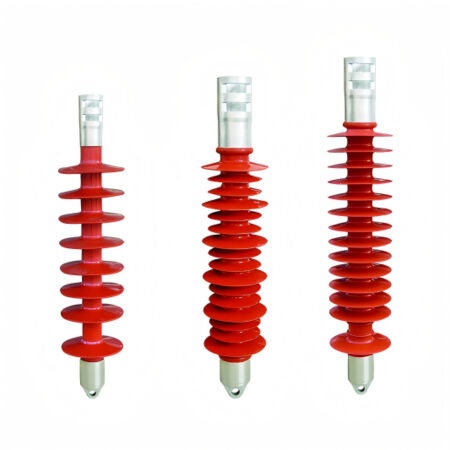
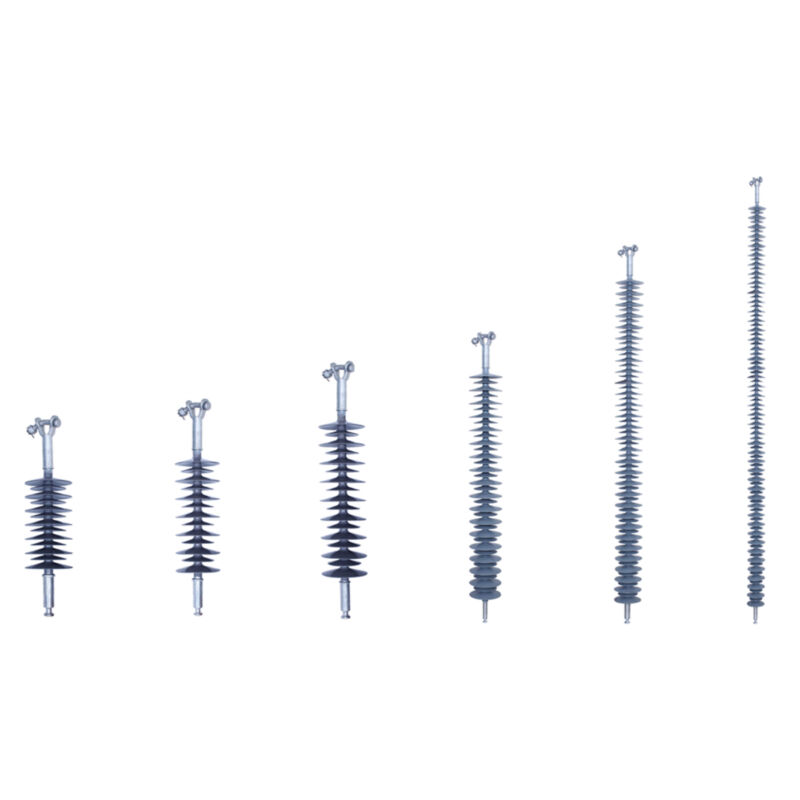
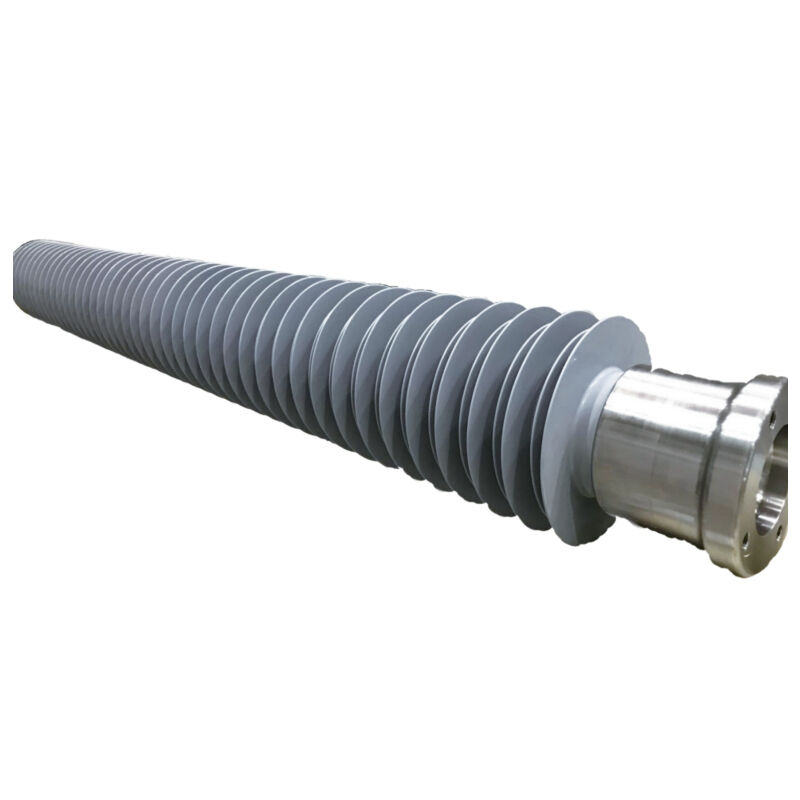
electric fence glass insulators
Electric fence glass insulators represent a fundamental component in modern agricultural and security fencing systems, serving as critical barriers that prevent electrical current from escaping through fence posts and support structures. These specialized glass insulators are engineered to maintain the electrical integrity of fence lines while providing exceptional durability and weather resistance. The primary function of electric fence glass insulators involves creating a non-conductive barrier between the electrified wire and the fence post, ensuring that electrical current flows continuously along the intended path rather than grounding out through wooden, metal, or concrete posts. This electrical isolation is essential for maintaining consistent voltage levels throughout the entire fence perimeter. Technologically, electric fence glass insulators are manufactured using high-grade tempered glass that exhibits superior electrical resistance properties compared to ceramic or plastic alternatives. The glass composition includes specific additives that enhance its dielectric strength, allowing it to withstand high voltage applications without breakdown or degradation. These insulators feature precision-molded designs that accommodate various wire configurations while providing secure attachment points that resist loosening under tension or weather stress. The manufacturing process involves controlled heating and cooling cycles that create internal stress patterns, resulting in glass that shatters safely into small, less dangerous fragments if damaged. Electric fence glass insulators find extensive applications across diverse sectors including livestock management, crop protection, wildlife control, and perimeter security systems. Agricultural operations utilize these insulators for containing cattle, horses, sheep, and other livestock within designated grazing areas while protecting valuable crops from animal intrusion. Security installations employ electric fence glass insulators in commercial and residential applications where reliable perimeter protection is essential for deterring unauthorized access.
 ×
×



 EN
EN