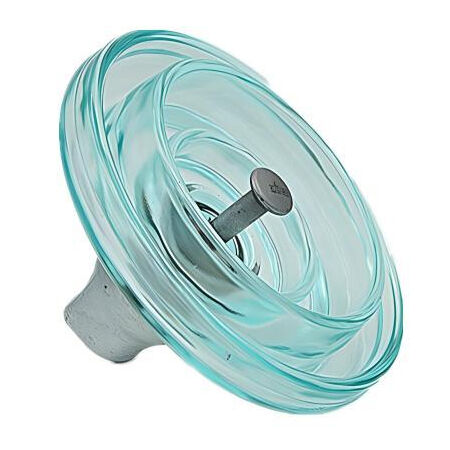
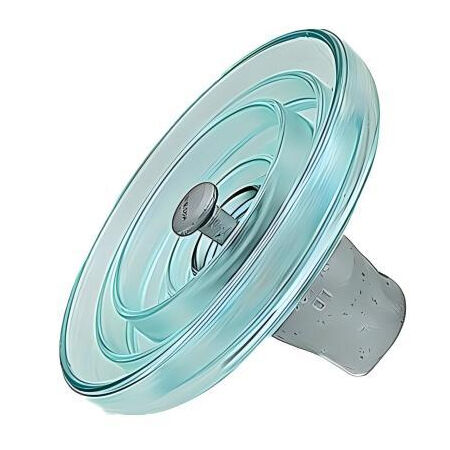
reproduction glass insulators
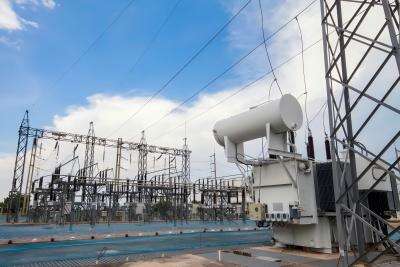
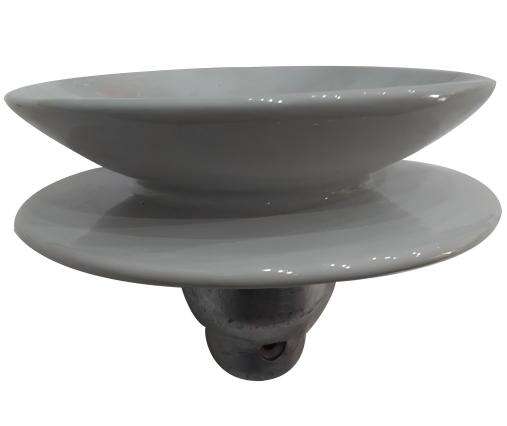
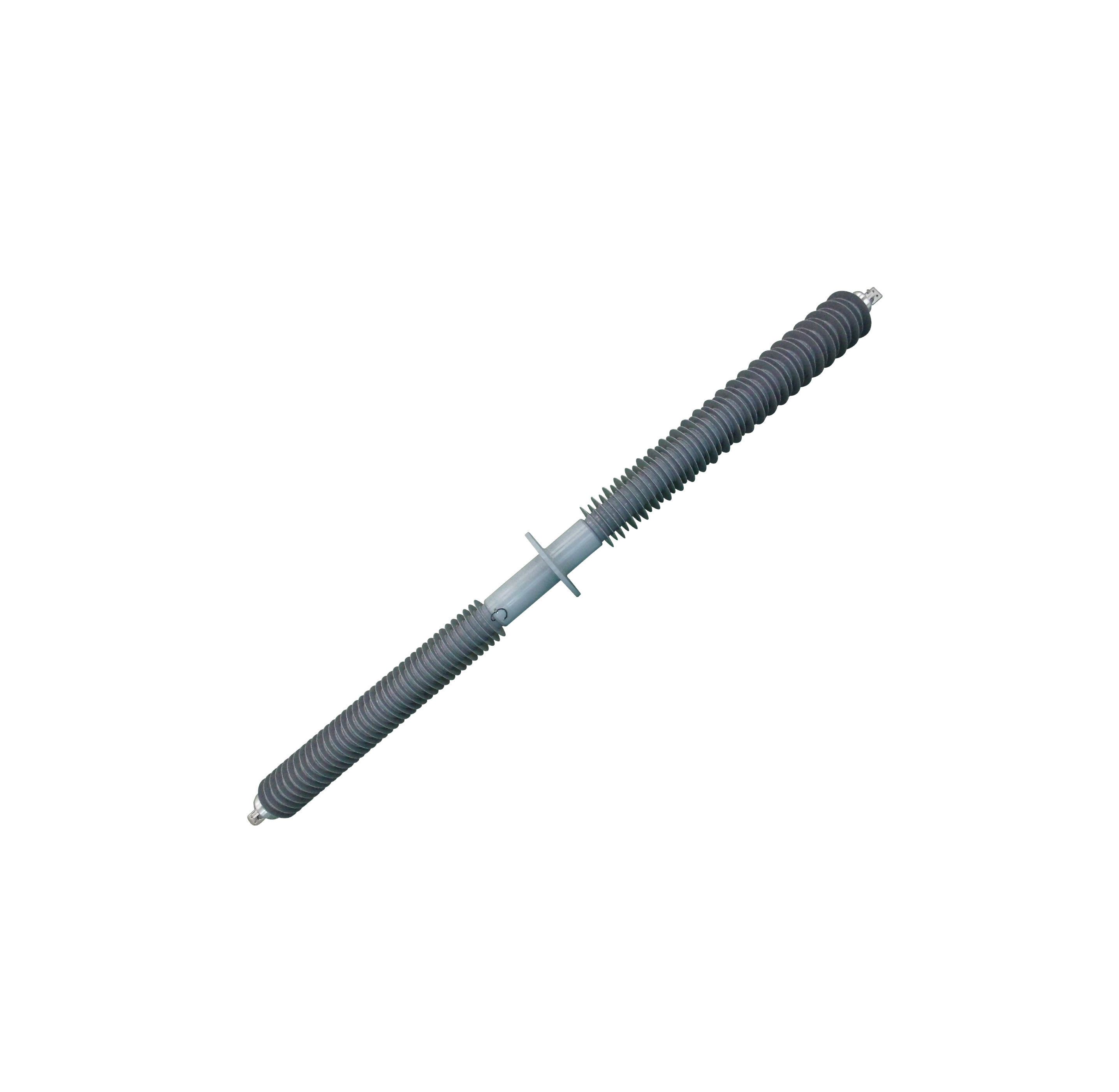
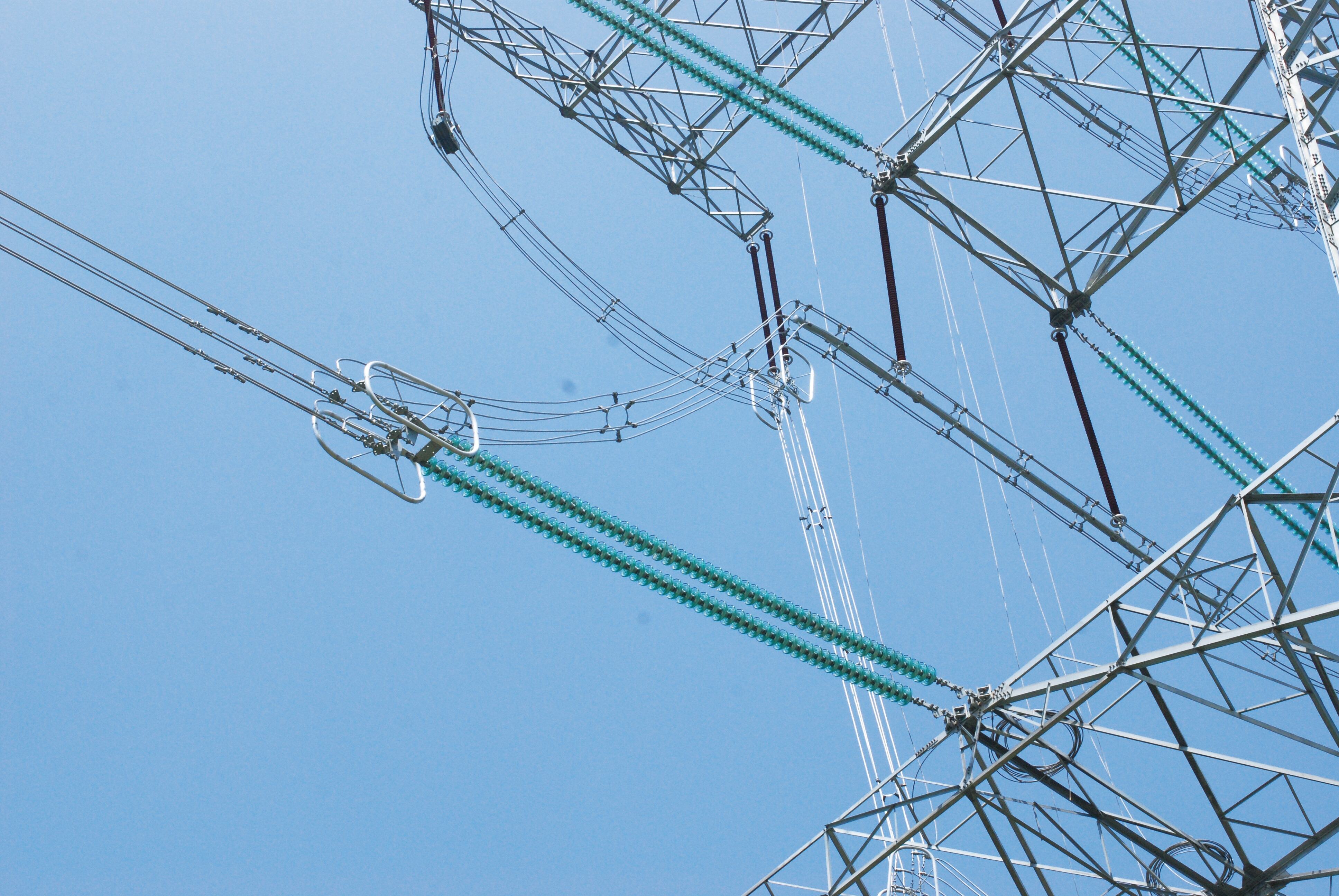
Reproduction glass insulators represent a remarkable fusion of traditional craftsmanship and modern manufacturing techniques, designed to meet both functional and aesthetic demands in today's electrical infrastructure. These specialized components serve as critical barriers between electrical conductors and supporting structures, preventing unwanted current flow while maintaining system integrity. Unlike their vintage counterparts, reproduction glass insulators are manufactured using contemporary quality control standards and materials science advancements, ensuring consistent performance across various environmental conditions. The primary function of these insulators centers on electrical isolation, where they create an effective barrier that prevents electricity from flowing where it should not go. This fundamental purpose extends beyond simple separation, as reproduction glass insulators must withstand mechanical stress from conductor weight, wind loading, and thermal expansion cycles. The glass composition utilized in modern reproduction glass insulators incorporates specific formulations that enhance durability, weather resistance, and electrical properties. Manufacturing processes employ precise temperature control, annealing procedures, and quality testing protocols that surpass historical production methods. These insulators find extensive application in power transmission systems, distribution networks, telecommunications infrastructure, and restoration projects where period-appropriate components are required. The technological features of reproduction glass insulators include improved dielectric strength, enhanced surface finish quality, and standardized dimensional tolerances that facilitate installation and maintenance procedures. Environmental resistance represents another crucial aspect, as these components must perform reliably under exposure to ultraviolet radiation, temperature fluctuations, pollution, and moisture. Modern reproduction glass insulators often incorporate design modifications that address known weaknesses in original designs while maintaining authentic visual characteristics. The manufacturing process ensures consistent electrical properties, mechanical strength, and dimensional accuracy that meets or exceeds contemporary industry standards while preserving the traditional appearance that makes glass insulators desirable for specific applications.
 ×
×


 EN
EN