drilling glass insulators
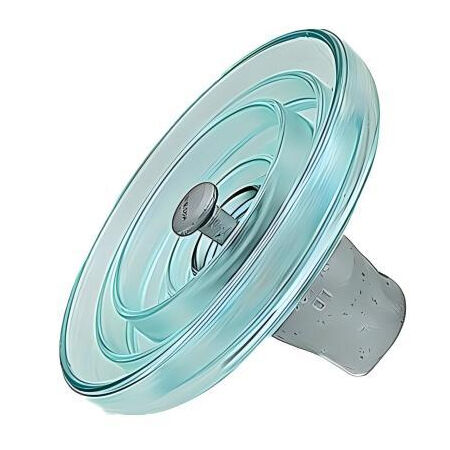
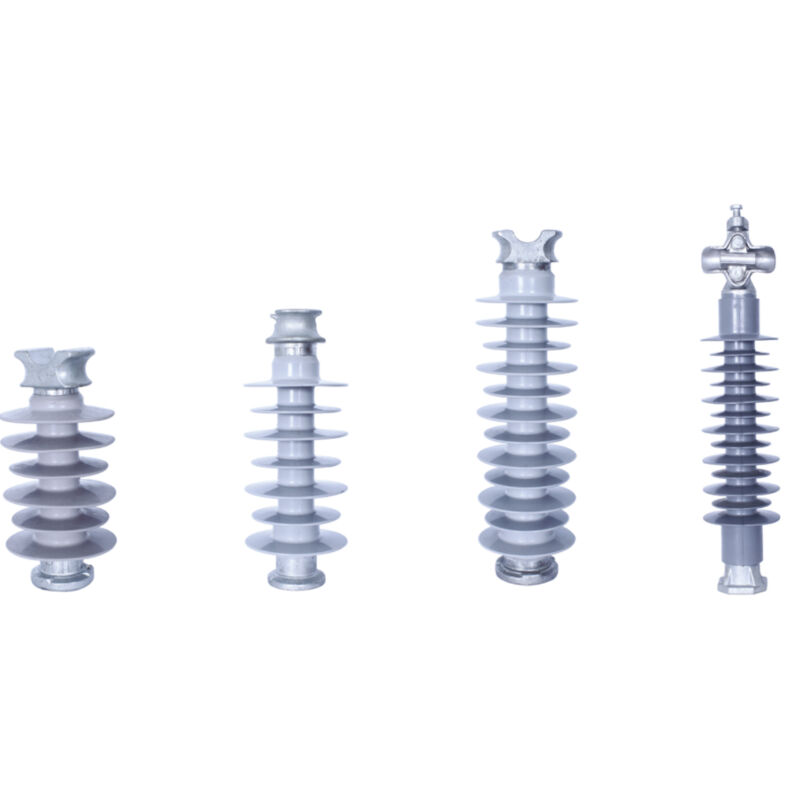
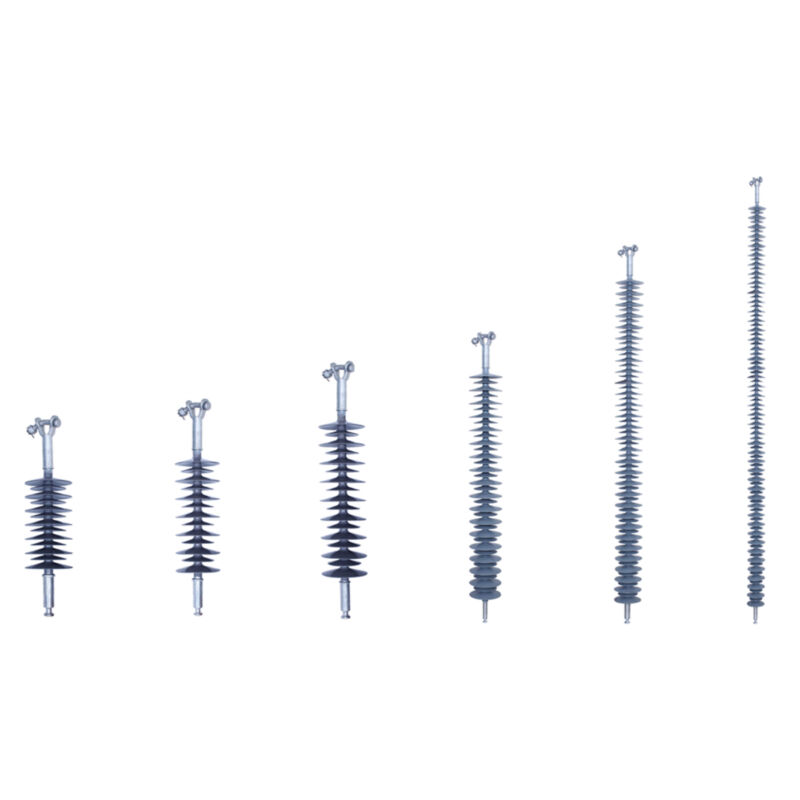
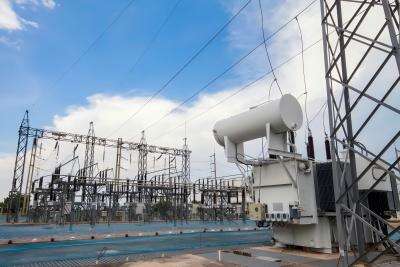
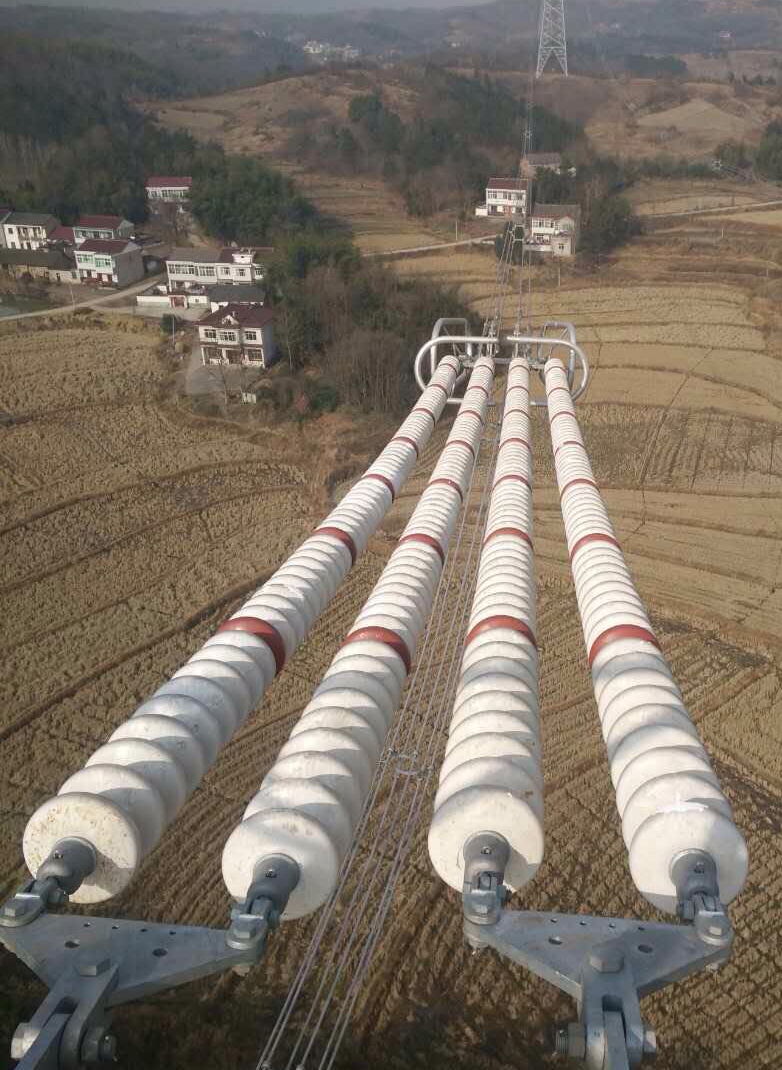
Drilling glass insulators represent a critical component in modern electrical infrastructure, designed specifically to provide superior insulation and protection in high-voltage transmission systems. These specialized insulators are manufactured using tempered glass materials that undergo precise engineering processes to create products capable of withstanding extreme electrical and environmental conditions. The primary function of drilling glass insulators revolves around preventing electrical current from flowing between conductors and supporting structures, ensuring safe and efficient power transmission across vast networks. These insulators feature strategically placed holes or perforations that serve multiple purposes, including weight reduction, improved grip for installation hardware, and enhanced electrical performance characteristics. The technological features of drilling glass insulators include advanced dielectric properties that maintain consistent performance across varying temperature ranges and weather conditions. The glass composition incorporates specific additives that enhance mechanical strength while preserving excellent electrical insulation properties. Manufacturing processes involve controlled heating and cooling cycles that create internal stress patterns, resulting in predictable failure characteristics that enhance overall system safety. When drilling glass insulators reach their failure point, they typically break in a controlled manner that maintains structural integrity until replacement can occur. Applications for drilling glass insulators span numerous sectors including power generation facilities, electrical substations, transmission towers, and distribution networks. These insulators prove particularly valuable in coastal environments where salt contamination poses significant challenges to traditional ceramic insulators. The drilling glass insulators also find extensive use in industrial applications where chemical resistance and long-term reliability are paramount concerns. Railway electrification systems frequently employ drilling glass insulators due to their ability to withstand vibration and mechanical stress while maintaining electrical isolation. Telecommunications infrastructure also benefits from these insulators, particularly in high-frequency applications where consistent dielectric properties are essential for signal integrity and system performance.
 ×
×



 EN
EN