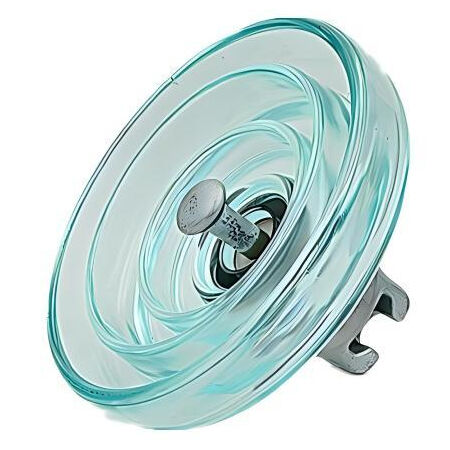
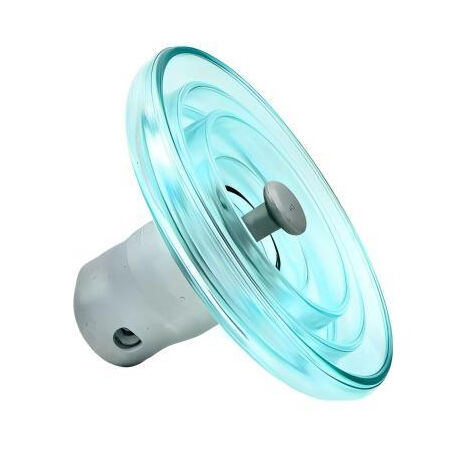
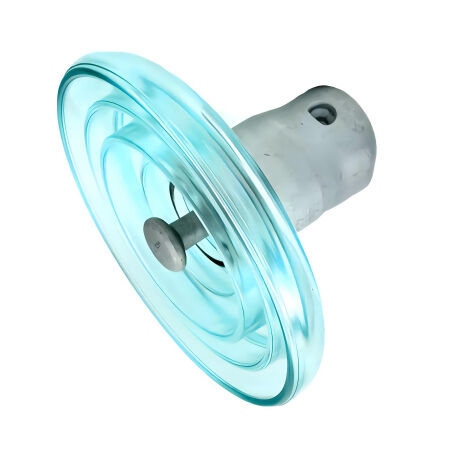
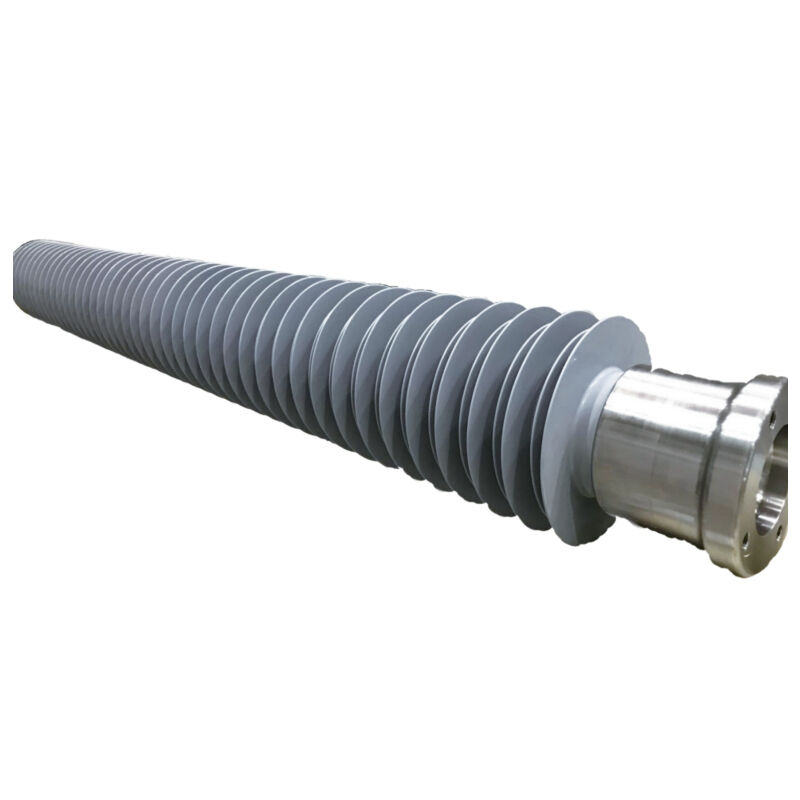
line post insulator
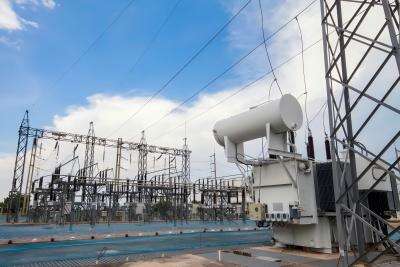
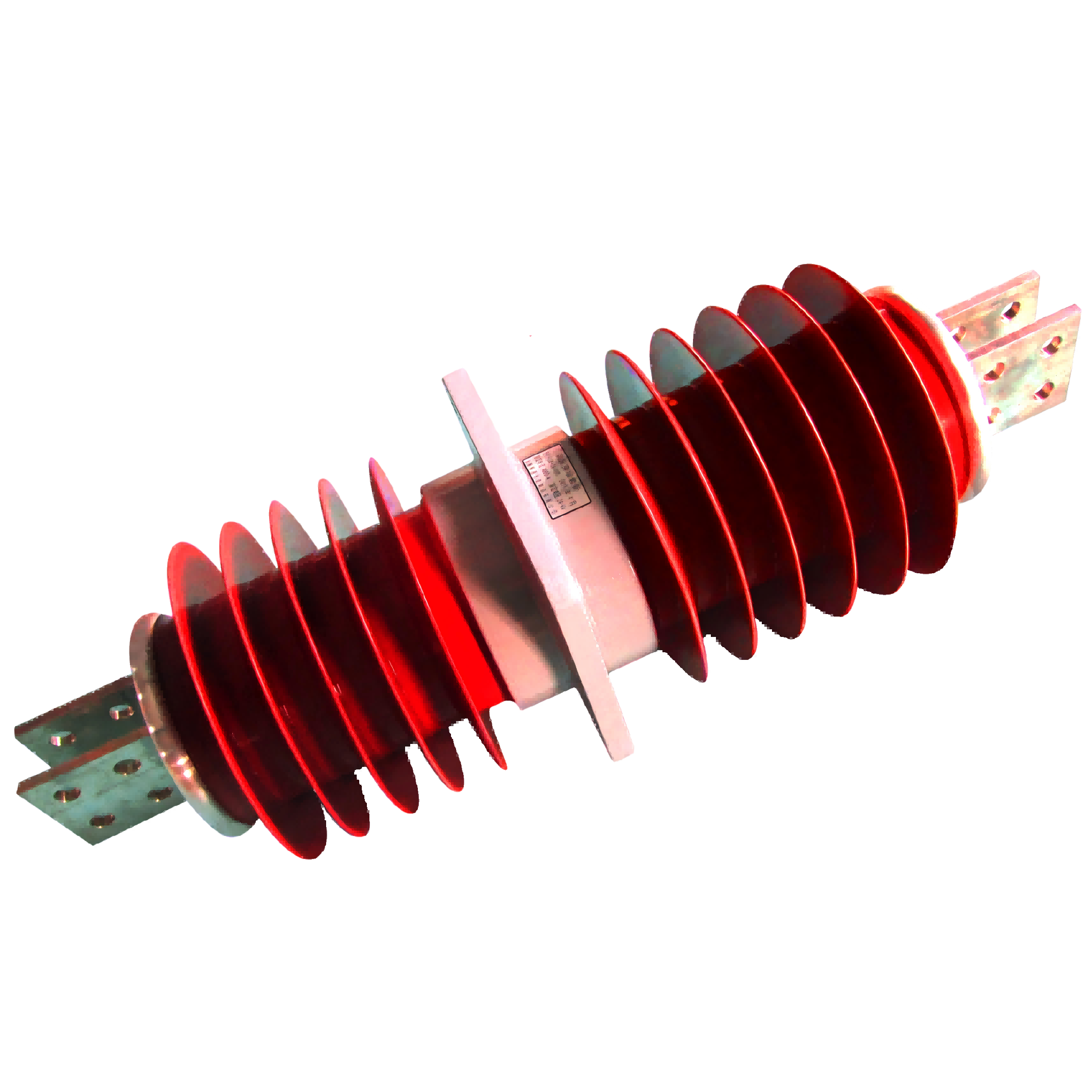
A line post insulator represents a critical component in electrical power transmission and distribution systems, serving as the primary barrier between energized conductors and grounded supporting structures. This specialized insulator is designed to mount directly onto transmission poles, substation equipment, and distribution lines, providing essential electrical isolation while maintaining mechanical support for overhead power lines. The line post insulator functions by creating a dielectric barrier that prevents electrical current from flowing between live conductors and earthed metallic structures, ensuring system safety and operational reliability. These insulators are engineered with advanced ceramic or composite materials that offer exceptional dielectric strength, weather resistance, and mechanical durability. The technological features of modern line post insulators include optimized shed profiles that enhance flashover performance, hydrophobic surface treatments that repel moisture and contaminants, and robust mounting systems that accommodate various installation requirements. The design incorporates multiple sheds or ribs along the insulator body, which increase the creepage distance and improve performance under polluted conditions. Advanced manufacturing techniques ensure consistent quality and performance characteristics, with each line post insulator undergoing rigorous testing to meet international standards for electrical, mechanical, and environmental performance. Applications for line post insulators span across various voltage levels, from medium voltage distribution networks to extra high voltage transmission systems. They are commonly used in substations for supporting bus bars, in transmission lines for dead-end and angle structures, and in distribution networks for sectionalizing switches and reclosers. The versatility of line post insulators makes them suitable for both indoor and outdoor installations, with specific designs optimized for different environmental conditions including coastal areas with high salt contamination, industrial zones with chemical pollution, and regions with extreme weather conditions.
 ×
×



 EN
EN