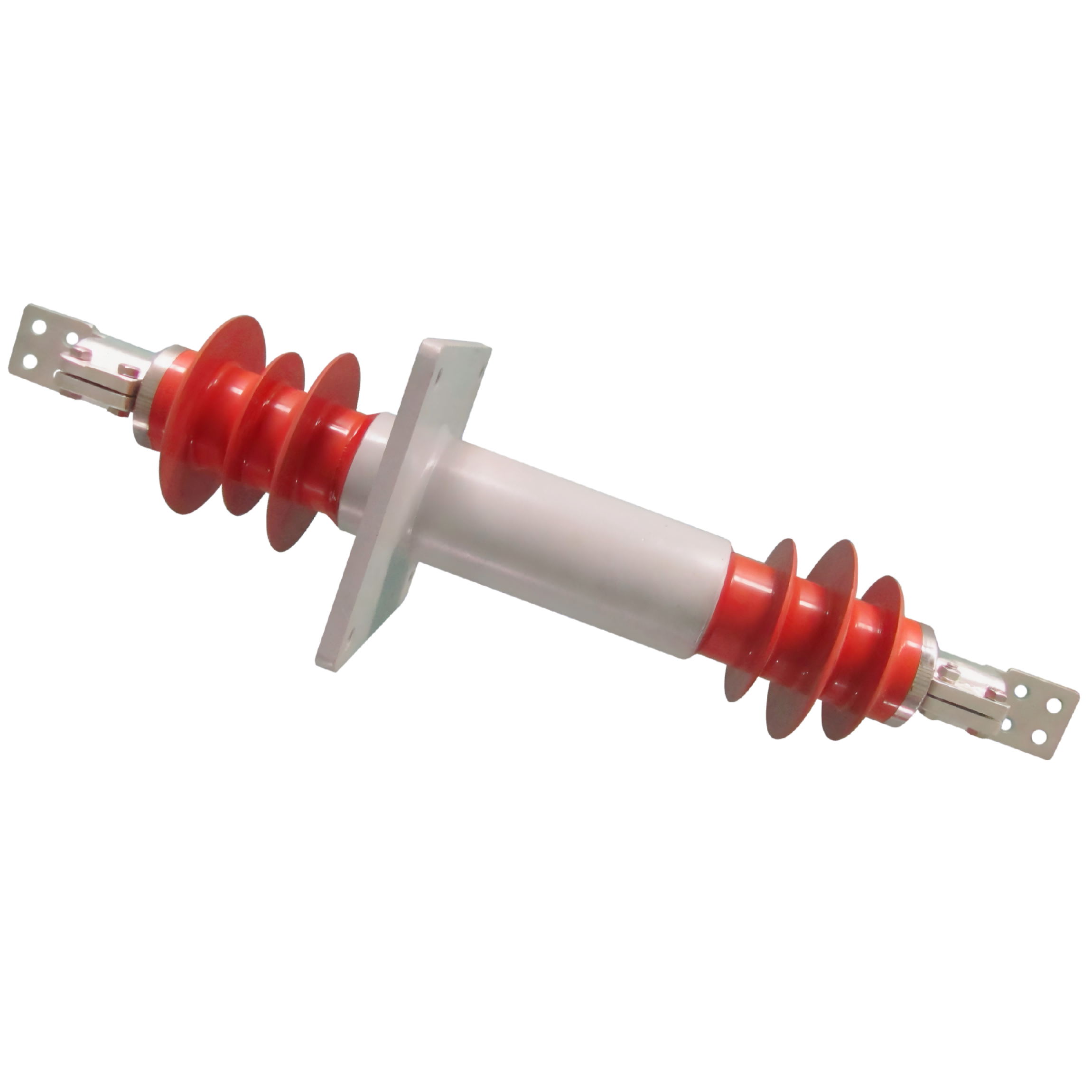
transformer bushing rod
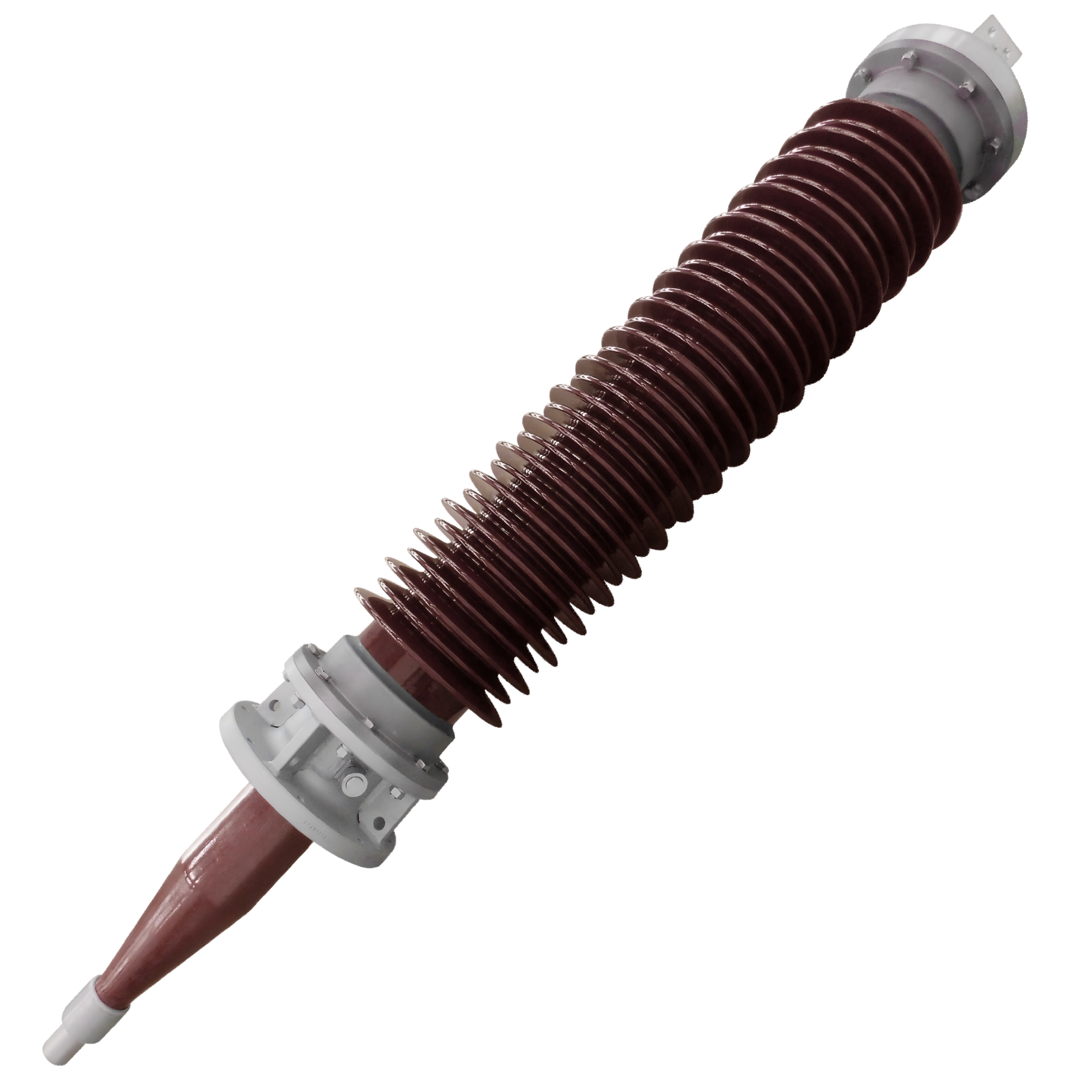
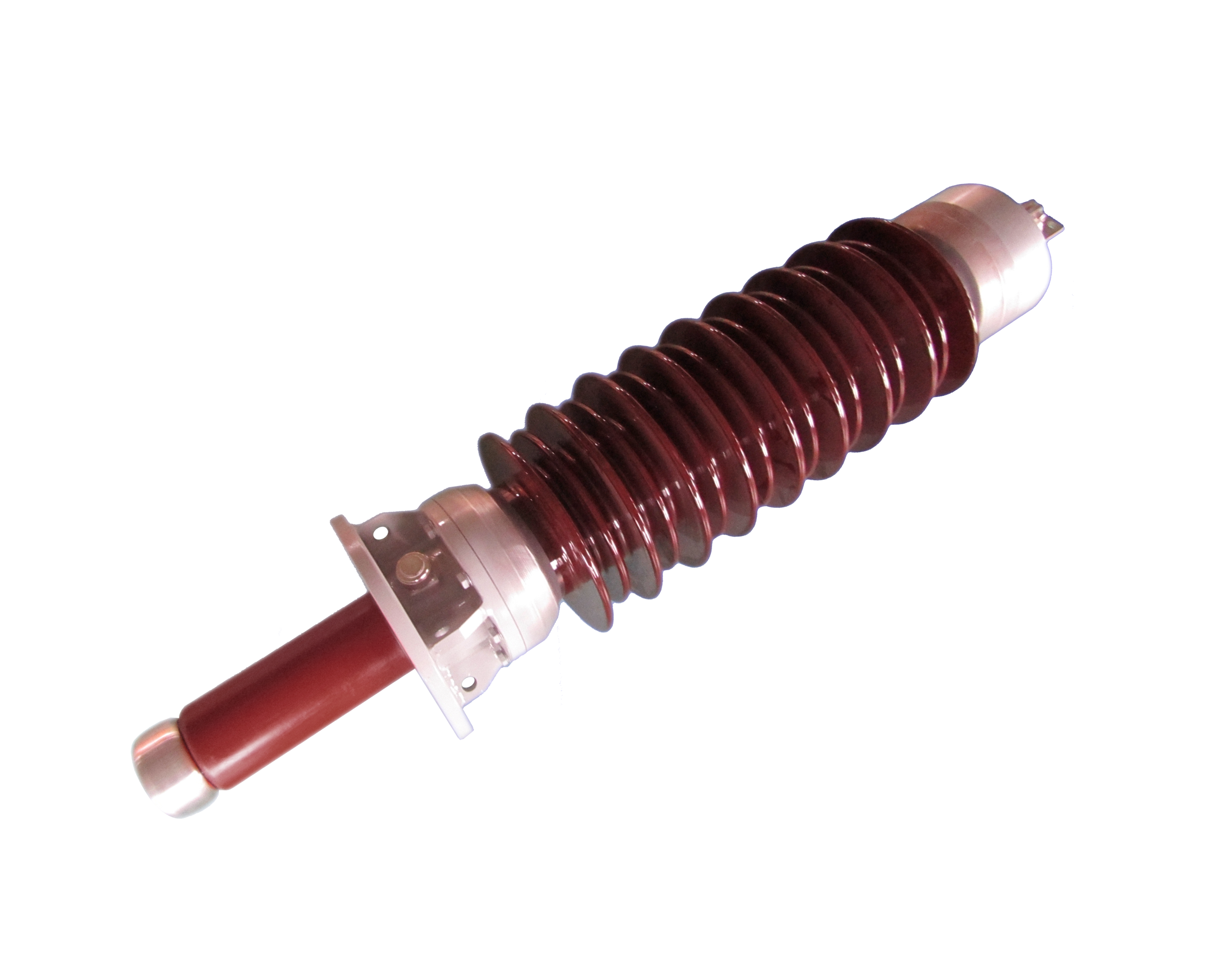
The transformer bushing rod represents a critical component in electrical power distribution systems, serving as the essential conductive pathway that connects external circuits to the internal windings of power transformers. This specialized component operates within the transformer bushing assembly, facilitating the safe and efficient transfer of electrical energy while maintaining proper insulation between high-voltage conductors and grounded transformer tanks. The transformer bushing rod is manufactured using high-grade conductive materials, typically copper or aluminum alloys, ensuring optimal electrical conductivity and minimal power losses during operation. Its design incorporates precise engineering specifications to withstand extreme electrical stresses, mechanical forces, and environmental conditions commonly encountered in power transmission applications. The rod's construction features smooth surfaces and rounded edges to prevent corona discharge and reduce electrical field concentrations that could compromise system reliability. Modern transformer bushing rod designs integrate advanced metallurgical processes and quality control measures to guarantee consistent performance across varying operational parameters. The component's dimensional accuracy and surface finish directly impact the overall efficiency of the transformer system, making precision manufacturing essential for optimal functionality. Installation procedures for the transformer bushing rod require specialized techniques and equipment to ensure proper alignment and secure connections within the bushing assembly. The rod's interface with insulating materials must maintain specific tolerances to prevent electrical breakdown and ensure long-term operational stability. Regular maintenance and inspection protocols focus on monitoring the transformer bushing rod for signs of corrosion, mechanical wear, or electrical degradation that could affect system performance. Quality standards governing transformer bushing rod production emphasize material purity, dimensional consistency, and electrical properties that meet or exceed industry specifications. The component's role in power system reliability makes it subject to rigorous testing procedures that validate its performance under various stress conditions and operational scenarios.
 ×
×

 EN
EN