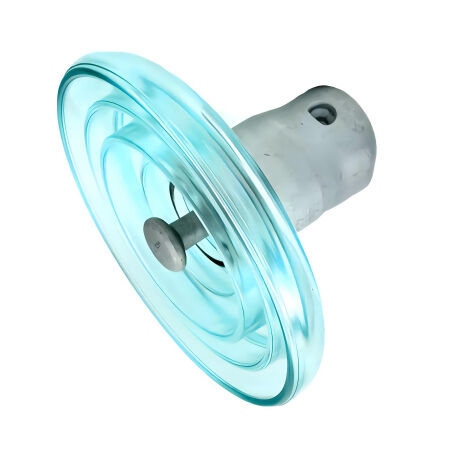
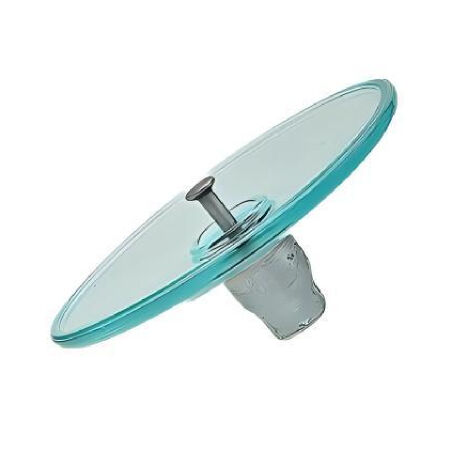
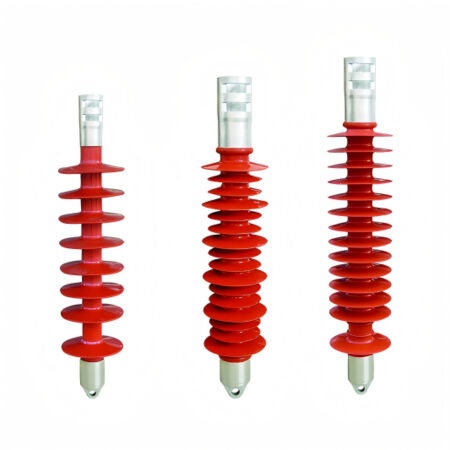
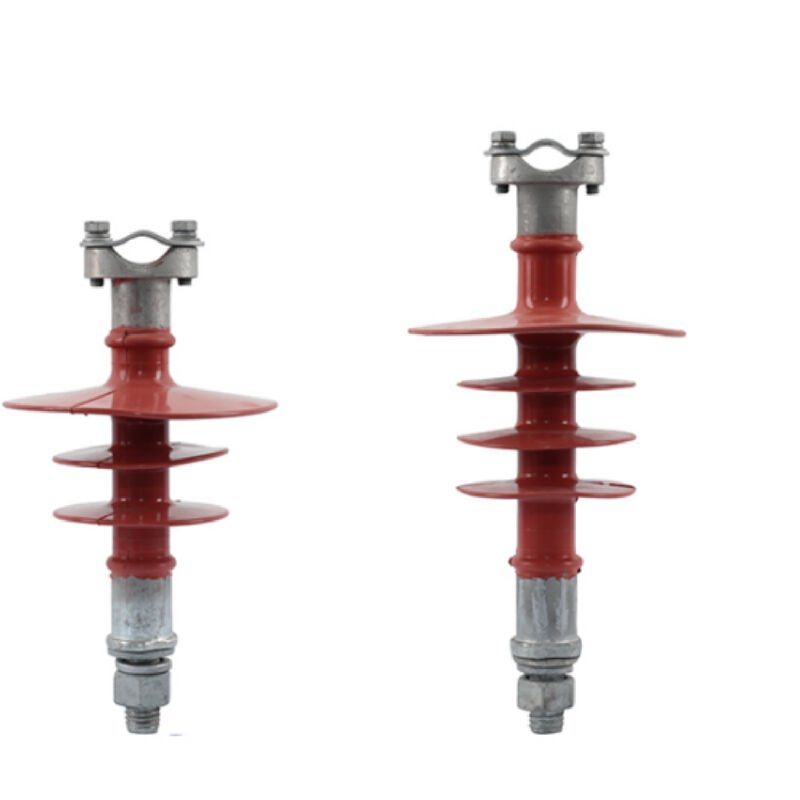
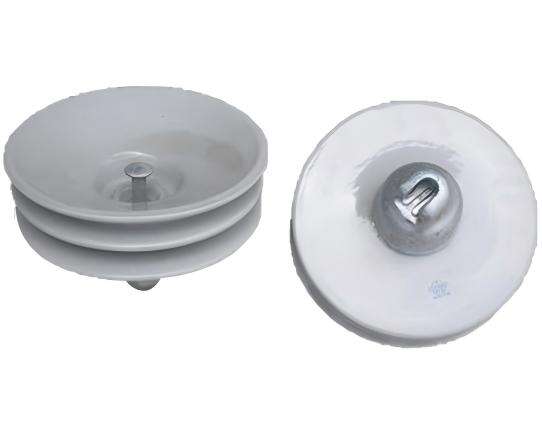
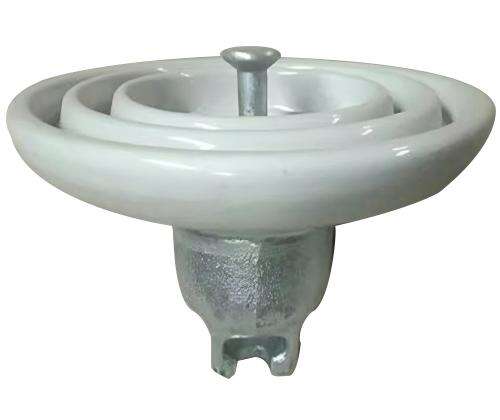
white porcelain insulator
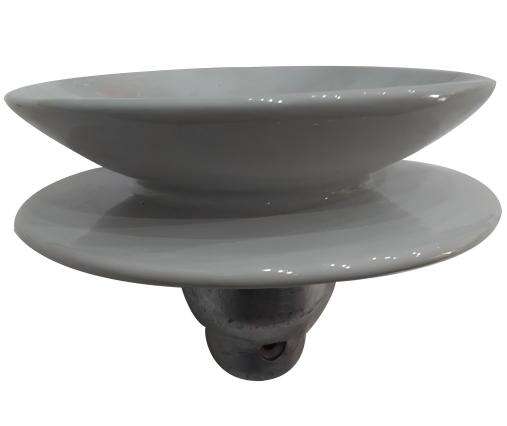
White porcelain insulators represent a cornerstone technology in electrical power transmission and distribution systems, serving as critical components that ensure safe and reliable electricity delivery across vast networks. These specialized ceramic devices are engineered to prevent unwanted electrical current flow between conductors and supporting structures, maintaining system integrity while protecting equipment and personnel from electrical hazards. The white porcelain insulator combines traditional ceramic manufacturing techniques with modern engineering principles to create a robust solution for high-voltage applications. Manufactured from high-grade porcelain clay through precise firing processes, these insulators demonstrate exceptional resistance to electrical breakdown, weathering, and mechanical stress. The characteristic white coloration results from the pure alumina content and controlled firing atmosphere, which enhances both aesthetic appeal and functional performance. The smooth, glazed surface of white porcelain insulators provides superior resistance to contamination buildup, reducing maintenance requirements and extending service life. These devices operate effectively across wide temperature ranges, from extreme cold to intense heat, making them suitable for diverse geographical locations and climate conditions. The non-conductive properties of white porcelain insulators remain stable over decades of service, ensuring consistent performance throughout their operational lifetime. Modern manufacturing processes incorporate stringent quality control measures, including electrical testing, mechanical strength verification, and thermal shock resistance evaluation. The modular design of white porcelain insulators allows for flexible system configurations, accommodating various voltage levels and mechanical loading requirements. Their proven track record in utility applications spans over a century, demonstrating reliability in the most demanding electrical environments while maintaining cost-effectiveness compared to alternative insulating technologies.
 ×
×

 EN
EN