porcelain spool insulator
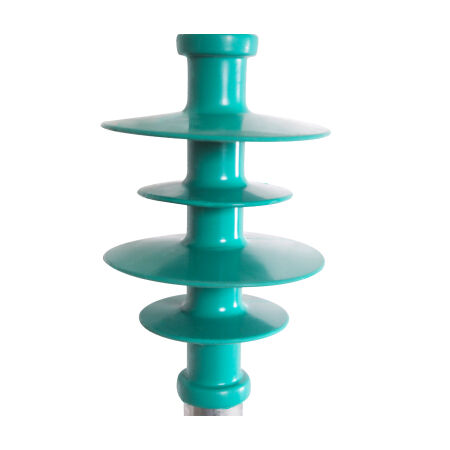
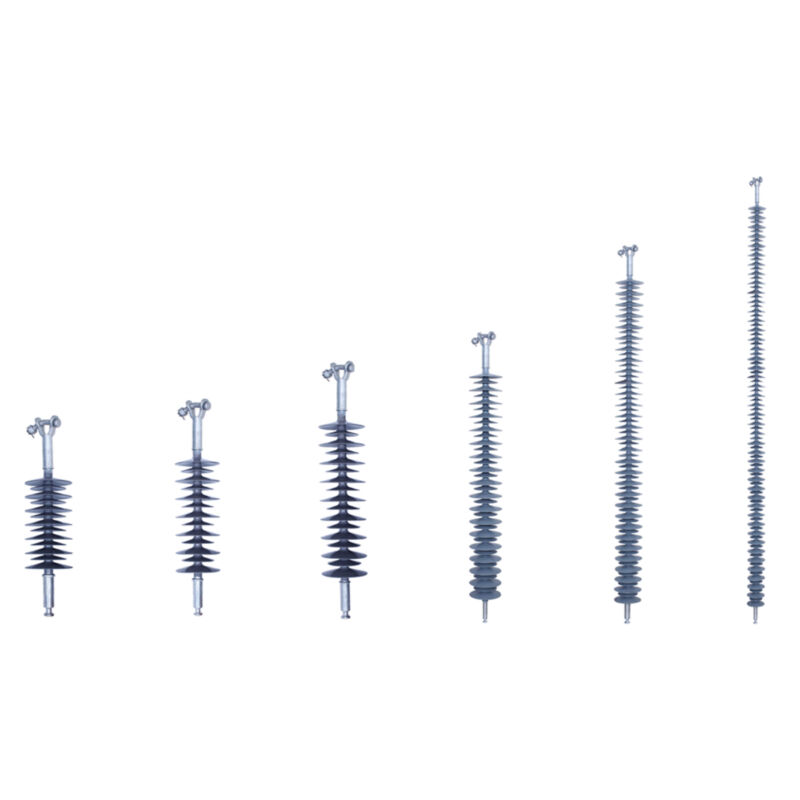
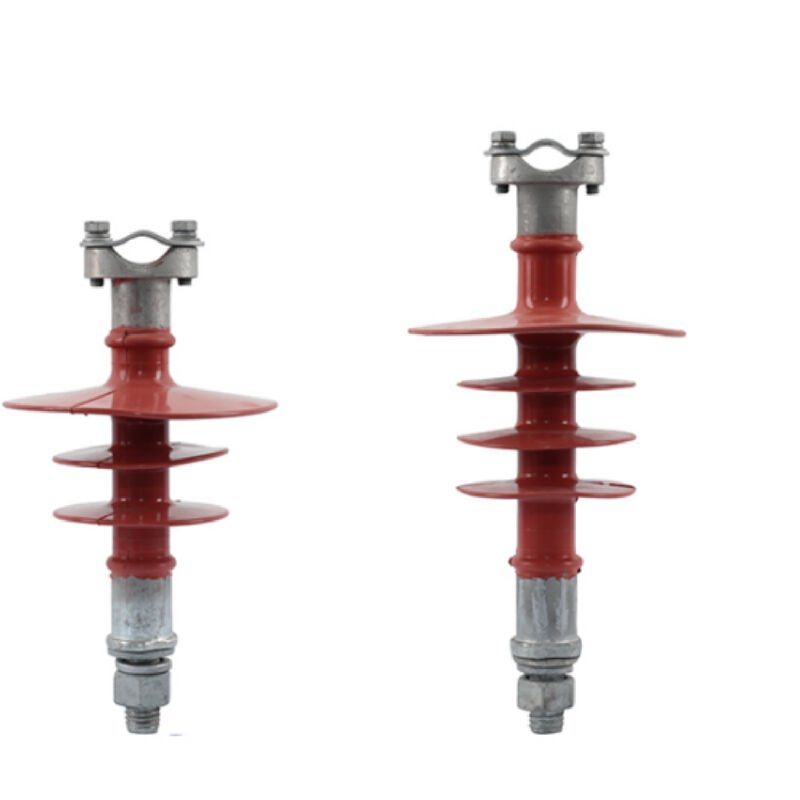
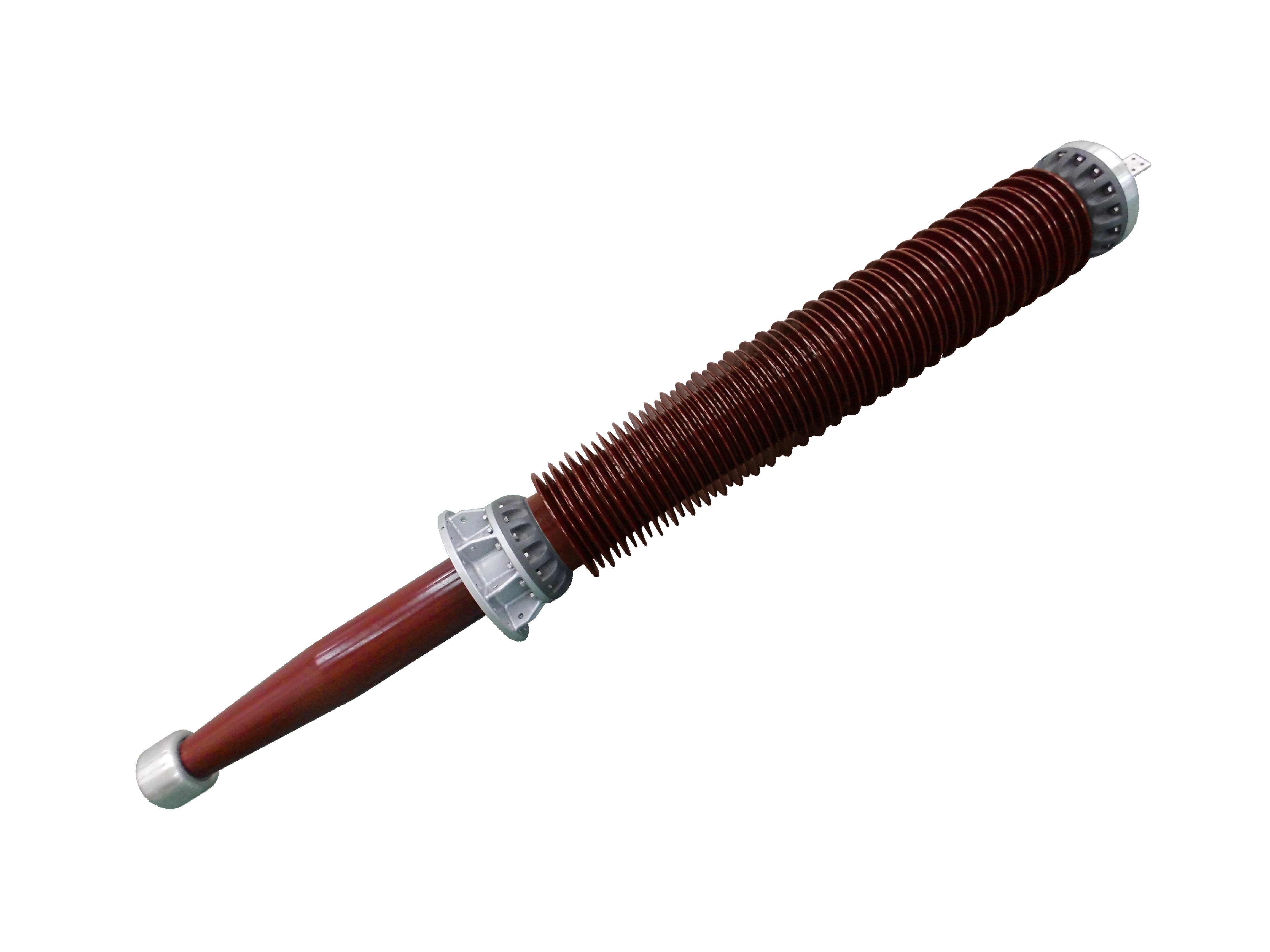
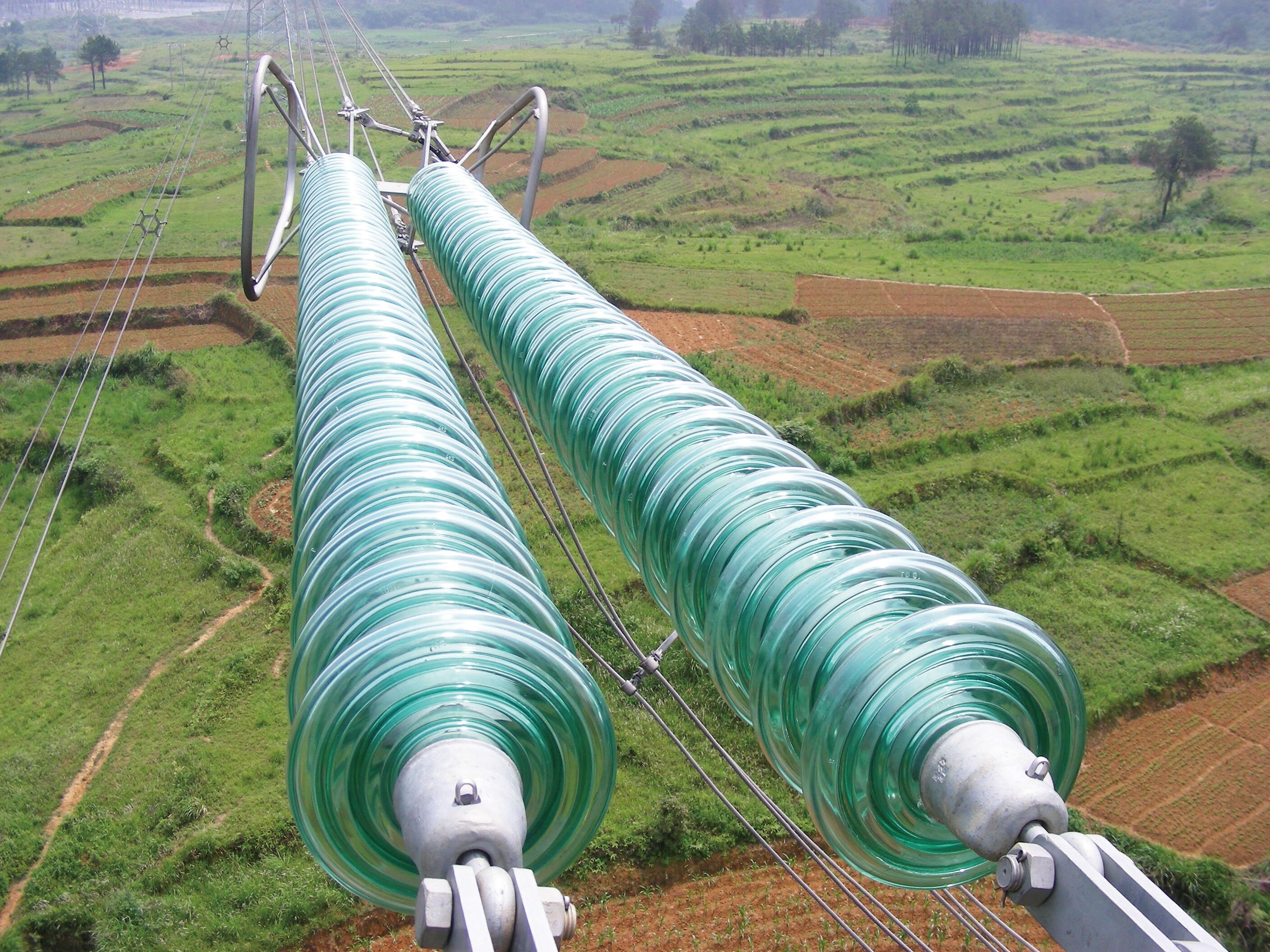
The porcelain spool insulator represents a critical component in electrical power systems, designed to provide reliable insulation and mechanical support for overhead power lines. These ceramic-based insulators feature a distinctive spool-shaped design that combines superior electrical properties with exceptional mechanical strength. Manufactured from high-grade porcelain materials, these insulators undergo rigorous firing processes at elevated temperatures to achieve optimal density and performance characteristics. The main function of a porcelain spool insulator involves preventing electrical current from flowing between conductors and supporting structures, effectively maintaining system safety and operational integrity. The technological features of porcelain spool insulators include enhanced dielectric strength, superior tracking resistance, and excellent weathering capabilities. Their ceramic composition provides outstanding resistance to environmental factors such as ultraviolet radiation, temperature fluctuations, and chemical contamination. The glazed surface finish ensures minimal moisture absorption and reduces the accumulation of contaminants that could compromise insulation performance. Applications for porcelain spool insulators span across various voltage levels in distribution and transmission networks. These components are commonly deployed in overhead power lines, substation equipment, and industrial electrical installations. The insulators prove particularly effective in rural electrification projects, urban power distribution systems, and heavy industrial applications where reliable performance is paramount. The robust construction of porcelain spool insulators enables them to withstand mechanical stresses from wind loading, ice accumulation, and conductor tension. Their modular design facilitates easy installation and maintenance procedures, reducing operational costs and downtime. Quality porcelain spool insulators demonstrate consistent performance across wide temperature ranges and maintain their insulating properties throughout extended service periods, making them an economical choice for long-term electrical infrastructure investments.
 ×
×

 EN
EN