Step Up Transformer Solutions: High-Efficiency Voltage Conversion Technology

Get a Free Quote

Our representative will contact you soon.
Email
Name
Company Name
Message
0/1000

a step up transformer

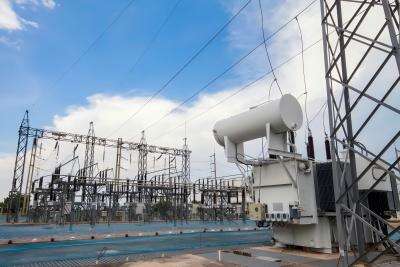
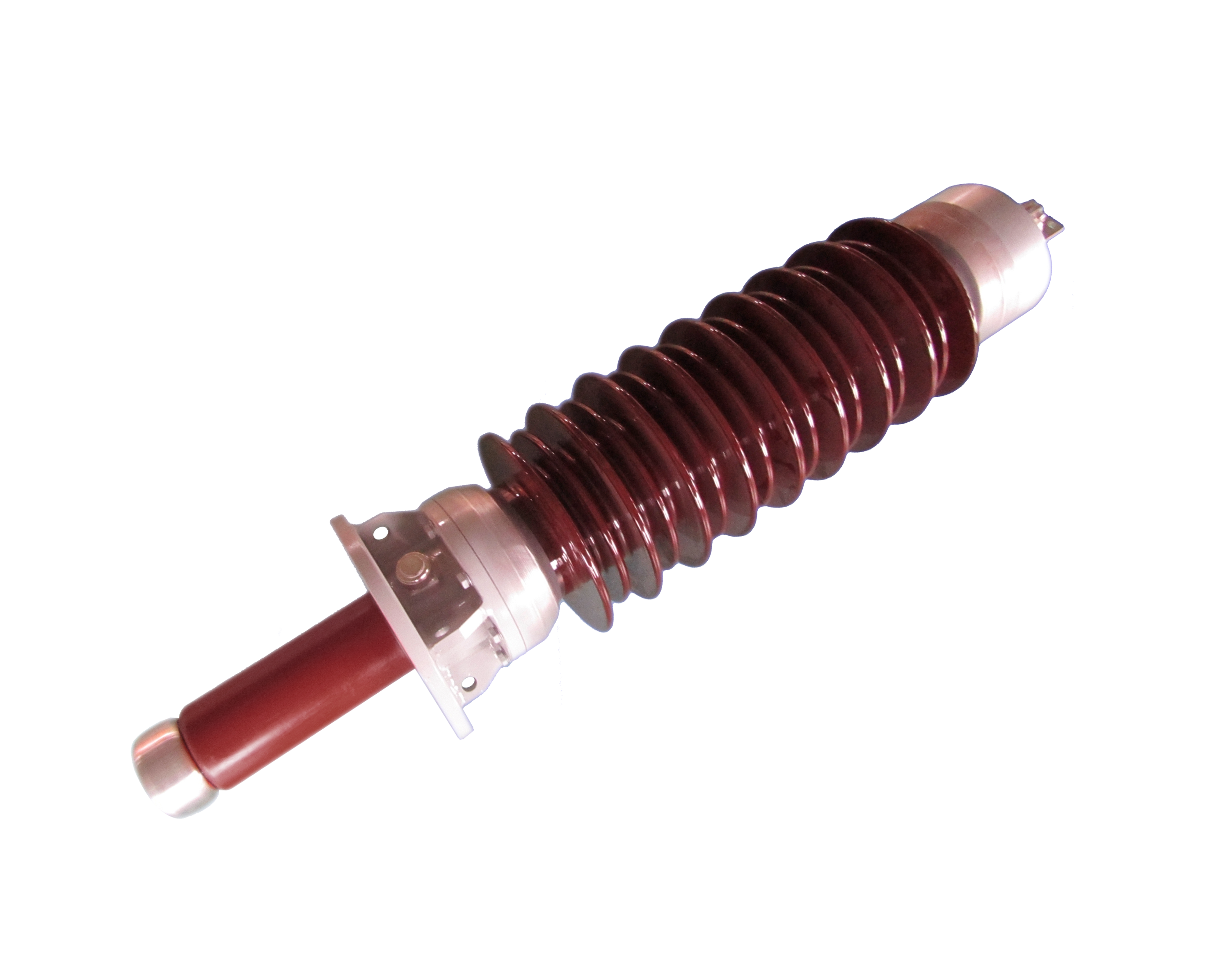
A step up transformer represents a fundamental electrical device engineered to increase voltage levels from primary to secondary windings while simultaneously decreasing current proportionally. This electromagnetic equipment operates on Faraday's principle of electromagnetic induction, utilizing two or more coils wound around a laminated iron core to achieve voltage transformation. The step up transformer features a primary winding with fewer turns compared to its secondary winding, creating a turns ratio that determines the voltage multiplication factor. When alternating current flows through the primary coil, it generates a changing magnetic field that induces a higher voltage in the secondary coil. Modern step up transformer designs incorporate advanced materials including high-grade silicon steel cores, copper or aluminum conductors, and specialized insulation systems to maximize efficiency and reliability. These transformers typically achieve efficiency ratings exceeding 95 percent in properly designed units. The construction involves precision winding techniques, optimal core geometry, and comprehensive thermal management systems. Step up transformer applications span numerous industries including power generation facilities, electrical distribution networks, renewable energy systems, industrial manufacturing plants, and residential installations requiring voltage elevation. Power plants utilize massive step up transformer units to convert generator output voltage to transmission levels, while smaller residential step up transformer models serve specialized equipment needs. The technological sophistication of modern step up transformer designs includes features like tap changers for voltage regulation, protective relay systems, temperature monitoring, and advanced cooling mechanisms. These devices play crucial roles in electrical infrastructure by enabling efficient long-distance power transmission, reducing energy losses, and facilitating grid interconnection. The step up transformer market continues evolving with smart grid integration capabilities, digital monitoring systems, and enhanced environmental resistance features.

New Product Recommendations

Step up transformer technology delivers significant economic benefits by enabling efficient long-distance electrical transmission that minimizes power losses during transportation. When electrical utilities transmit power at higher voltages using step up transformer equipment, they achieve substantially lower current levels for the same power delivery, which directly translates to reduced resistive losses in transmission lines. This efficiency improvement can save utilities millions of dollars annually in operational costs while providing consumers with more reliable electricity supply. The step up transformer approach allows power generation facilities to connect seamlessly with high-voltage transmission networks, maximizing the economic value of generated electricity. Industrial facilities benefit from step up transformer installations by accessing higher voltage levels that improve motor efficiency, reduce equipment costs, and enable the operation of specialized high-voltage machinery. The reliability advantages of step up transformer systems include robust construction designed for decades of continuous operation with minimal maintenance requirements. These devices feature overload protection capabilities, fault current handling capacity, and thermal management systems that ensure consistent performance under varying load conditions. Step up transformer units provide voltage stability that protects sensitive electronic equipment from power quality issues while maintaining consistent output levels regardless of input fluctuations. The scalability benefits allow customers to select step up transformer ratings that precisely match their power requirements, from small residential units handling a few kilowatts to massive utility-scale transformers managing hundreds of megawatts. Environmental advantages include reduced copper usage in transmission infrastructure due to lower current requirements, decreased electromagnetic field exposure, and improved overall system efficiency that reduces fossil fuel consumption at power plants. Safety features built into modern step up transformer designs include protective enclosures, grounding systems, surge protection, and automatic disconnect mechanisms that minimize risks to personnel and equipment. The versatility of step up transformer applications enables customers to adapt these devices for diverse voltage conversion needs, whether supporting renewable energy integration, industrial processes, or specialized equipment requirements. Installation flexibility allows step up transformer units to be configured for indoor or outdoor environments, with options for pad-mounted, pole-mounted, or substation-grade installations depending on specific site requirements and local regulations.

Latest News

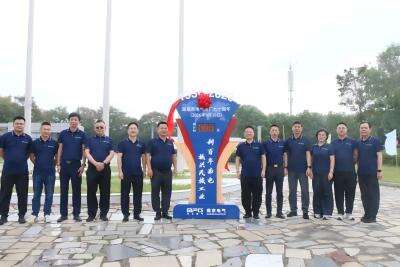
Nanjing Electric Holds Grand 89th Anniversary Celebration

26

Jan

Nanjing Electric Holds Grand 89th Anniversary Celebration

View More
Setting Sail for the World  From Export to Global Expansion, Baiyun Electric Accelerates Its Internationalization

26

Nov

Setting Sail for the World From Export to Global Expansion, Baiyun Electric Accelerates Its Internationalization

View More
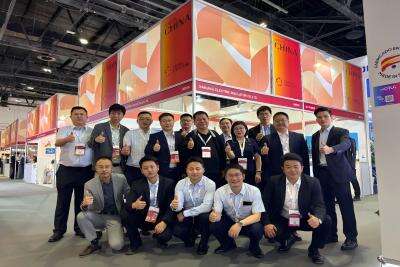
International Exhibition | Nanjing Electric Showcases at Middle East Energy 2025

26

Jan

International Exhibition | Nanjing Electric Showcases at Middle East Energy 2025

View More

Get a Free Quote

Our representative will contact you soon.
Email
Name
Company Name
Message
0/1000

a step up transformer

Advanced Electromagnetic Design for Maximum Efficiency

Advanced Electromagnetic Design for Maximum Efficiency

The electromagnetic design of a step up transformer incorporates cutting-edge engineering principles that maximize energy conversion efficiency while minimizing losses throughout the voltage transformation process. Modern step up transformer cores utilize high-grade grain-oriented silicon steel laminations that significantly reduce eddy current losses and hysteresis effects, achieving efficiency ratings that consistently exceed 98 percent in premium models. The laminated core construction features precisely controlled thickness and specialized coatings that further minimize energy dissipation during magnetic flux changes. Advanced winding techniques employed in step up transformer manufacturing include layered coil arrangements, optimized conductor spacing, and strategic insulation placement that reduces leakage inductance and improves voltage regulation characteristics. The geometric optimization of step up transformer designs involves computer-aided modeling that analyzes magnetic field distribution, thermal gradients, and mechanical stress patterns to ensure optimal performance under all operating conditions. Temperature management systems integrated into step up transformer designs include natural convection cooling, forced air systems, and oil-filled configurations with advanced heat dissipation mechanisms that maintain optimal operating temperatures even under heavy load conditions. The insulation systems used in step up transformer construction employ multiple barrier techniques including solid dielectric materials, liquid insulants, and gas-filled chambers that provide exceptional electrical isolation while maintaining compact overall dimensions. Quality control processes during step up transformer manufacturing include comprehensive testing protocols that verify insulation integrity, voltage regulation accuracy, and thermal performance characteristics before units leave the factory. These rigorous testing procedures ensure that each step up transformer meets or exceeds specified performance standards and regulatory requirements. The electromagnetic shielding incorporated into step up transformer designs minimizes external field effects while reducing interference with nearby electronic equipment, making these units suitable for installation in sensitive environments where electromagnetic compatibility is critical for proper operation.
Comprehensive Protection and Monitoring Systems

Comprehensive Protection and Monitoring Systems

Modern step up transformer equipment integrates sophisticated protection and monitoring systems that provide real-time operational oversight while safeguarding the investment through automatic fault detection and response mechanisms. Advanced protective relay systems built into step up transformer installations continuously monitor voltage levels, current flow, temperature variations, and insulation resistance to identify potential issues before they develop into serious problems. These intelligent protection systems can automatically disconnect the step up transformer from the electrical network when abnormal conditions are detected, preventing equipment damage and ensuring personnel safety during maintenance operations. Digital monitoring capabilities enable remote supervision of step up transformer performance through communication networks that transmit operational data to control centers for analysis and trending. The monitoring systems track key performance indicators including load factors, efficiency metrics, harmonic distortion levels, and thermal conditions that help operators optimize step up transformer utilization while extending equipment lifespan. Fault diagnostic features incorporated into step up transformer protection systems include dissolved gas analysis capabilities, partial discharge detection, and vibration monitoring that provide early warning of developing problems within the transformer structure. Temperature monitoring systems utilize multiple sensors strategically placed throughout the step up transformer assembly to track hot spot temperatures, ambient conditions, and cooling system effectiveness in real-time. Surge protection devices integrated into step up transformer installations provide defense against lightning strikes, switching transients, and other voltage disturbances that could damage internal components or disrupt electrical service. The protection coordination features ensure that step up transformer protective devices work harmoniously with upstream and downstream protection equipment to provide selective fault clearing that minimizes service interruptions. Data logging capabilities built into modern step up transformer monitoring systems maintain historical records of operational parameters that support predictive maintenance programs and regulatory compliance requirements. Communication interfaces enable step up transformer monitoring systems to integrate with existing supervisory control and data acquisition networks, providing operators with comprehensive visibility into electrical system performance and facilitating coordinated response to system disturbances or emergency conditions.
Versatile Applications Across Multiple Industries

Versatile Applications Across Multiple Industries

The exceptional versatility of step up transformer technology enables deployment across diverse industrial sectors and applications, from utility-scale power generation facilities to specialized manufacturing processes that require precise voltage control and reliable electrical supply. Power generation companies rely on massive step up transformer units to convert generator terminal voltages to transmission levels, with ratings ranging from hundreds of megawatts to over a gigawatt in the largest installations. These utility-scale step up transformer applications require sophisticated cooling systems, advanced protection schemes, and robust mechanical construction to handle the enormous power levels while maintaining operational reliability over decades of continuous service. Industrial manufacturing facilities utilize step up transformer equipment to power high-voltage motors, electrolytic processes, and specialized equipment that operates more efficiently at elevated voltage levels. The industrial applications of step up transformer technology include steel production facilities, aluminum smelters, chemical processing plants, and mining operations where high-power electrical equipment demands reliable voltage elevation capabilities. Renewable energy installations depend on step up transformer systems to interface wind turbines, solar farms, and other generation sources with electrical transmission networks, enabling efficient integration of clean energy resources into the power grid. The renewable energy sector presents unique challenges for step up transformer applications including variable output levels, remote installation sites, and environmental exposure that require specialized designs optimized for these demanding conditions. Commercial building applications utilize smaller step up transformer units to power specialized equipment, elevator systems, and lighting installations that require voltages higher than standard commercial service levels. Data centers and telecommunications facilities employ step up transformer technology to provide reliable power for critical infrastructure while maintaining the power quality necessary for sensitive electronic equipment operation. Marine and offshore applications require step up transformer designs that withstand corrosive environments, vibration, and space constraints while providing reliable voltage conversion for shipboard electrical systems and offshore platforms. The transportation industry utilizes step up transformer technology in electric rail systems, charging infrastructure for electric vehicles, and airport ground support equipment that requires specialized voltage levels for optimal performance and safety compliance.

Get a Free Quote

Our representative will contact you soon.
Email
Name
Company Name
Message
0/1000
Newsletter
Please Leave A Message With Us