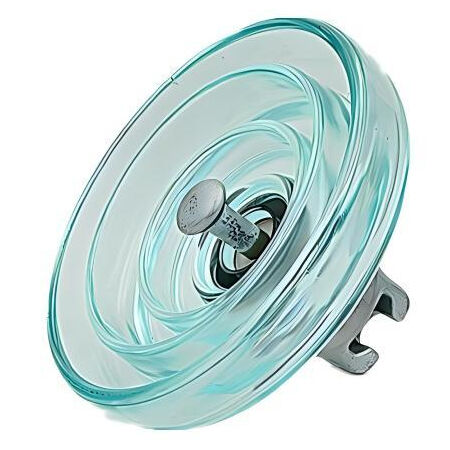
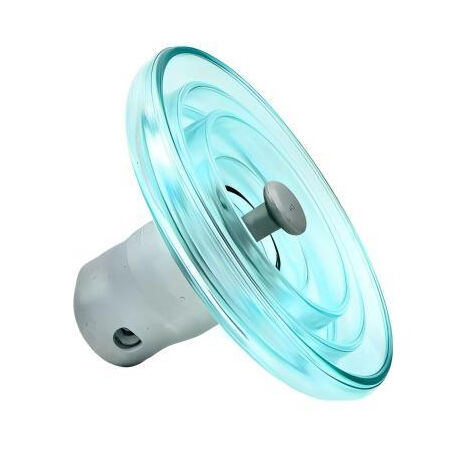
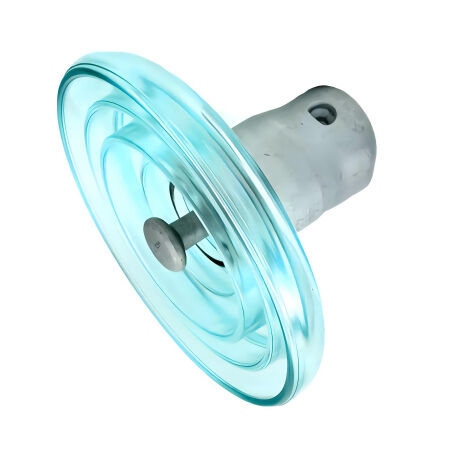
composite post insulator
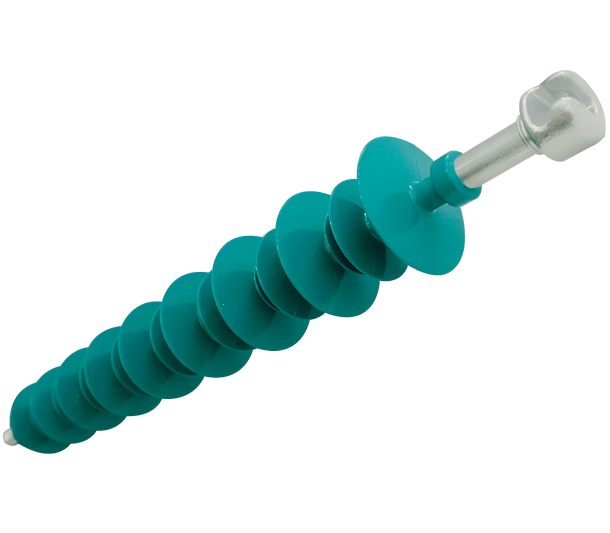
The composite post insulator represents a revolutionary advancement in electrical power transmission and distribution systems, combining cutting-edge materials science with practical engineering solutions. This innovative component serves as a critical barrier between live electrical conductors and grounded structures, ensuring safe and reliable power delivery across various voltage levels. Unlike traditional porcelain or glass insulators, the composite post insulator utilizes a unique construction featuring a fiberglass reinforced plastic (FRP) core surrounded by silicone rubber housing with integrated sheds and weather protection systems. The primary function of the composite post insulator involves maintaining electrical isolation while providing mechanical support for overhead power lines, substations, and switching equipment. These insulators effectively prevent electrical current from flowing to ground through structural supports, protecting both equipment and personnel from dangerous electrical faults. The technological features of composite post insulators include superior hydrophobic properties that repel water and contaminants, significantly reducing flashover incidents during adverse weather conditions. The polymer housing material exhibits excellent resistance to ultraviolet radiation, ozone exposure, and temperature fluctuations, ensuring long-term performance stability. Advanced manufacturing processes incorporate precise shed profiles and optimized creepage distances that enhance electrical performance across diverse environmental conditions. Applications for composite post insulators span numerous sectors including utility transmission networks, industrial power systems, railway electrification projects, and renewable energy installations. These versatile components find extensive use in substations, switchyards, overhead distribution lines, and specialized equipment mounting applications. The lightweight nature of composite post insulators simplifies installation procedures while reducing structural loading requirements on supporting frameworks. Modern composite post insulator designs accommodate voltage ratings from medium voltage applications up to extra high voltage transmission systems, making them suitable for virtually any electrical infrastructure project requiring reliable insulation performance.
 ×
×



 EN
EN