Composite Suspension Insulators - Advanced Polymer Technology for Reliable Power Transmission

Get a Free Quote

Our representative will contact you soon.
Email
Name
Company Name
Message
0/1000

composite suspension insulator

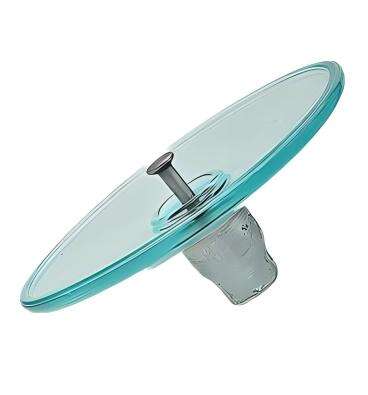
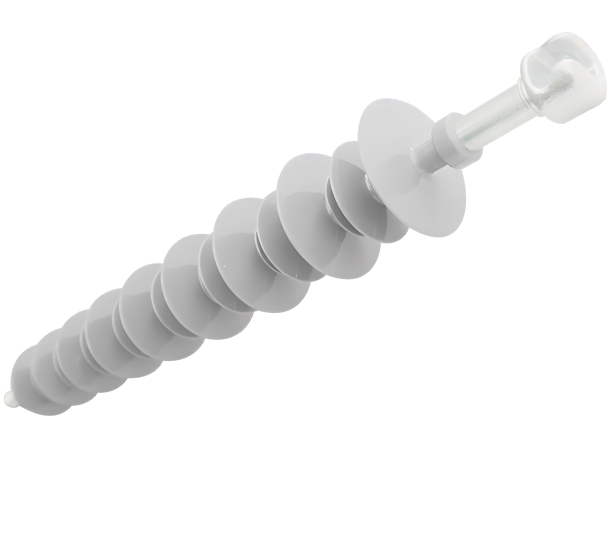
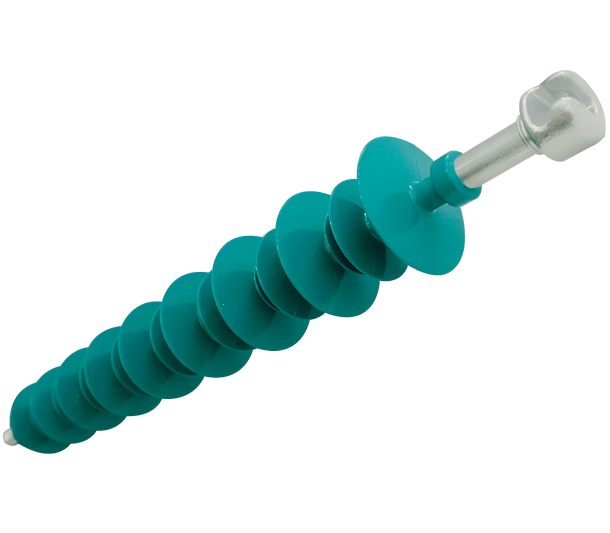
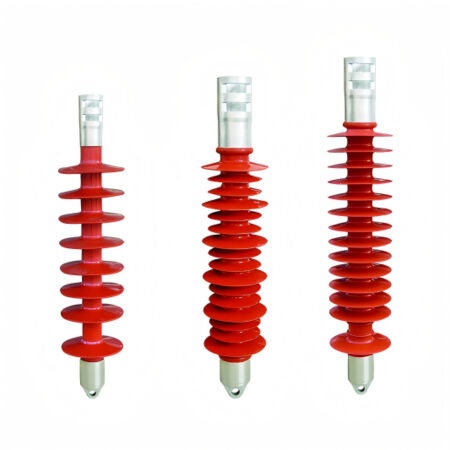
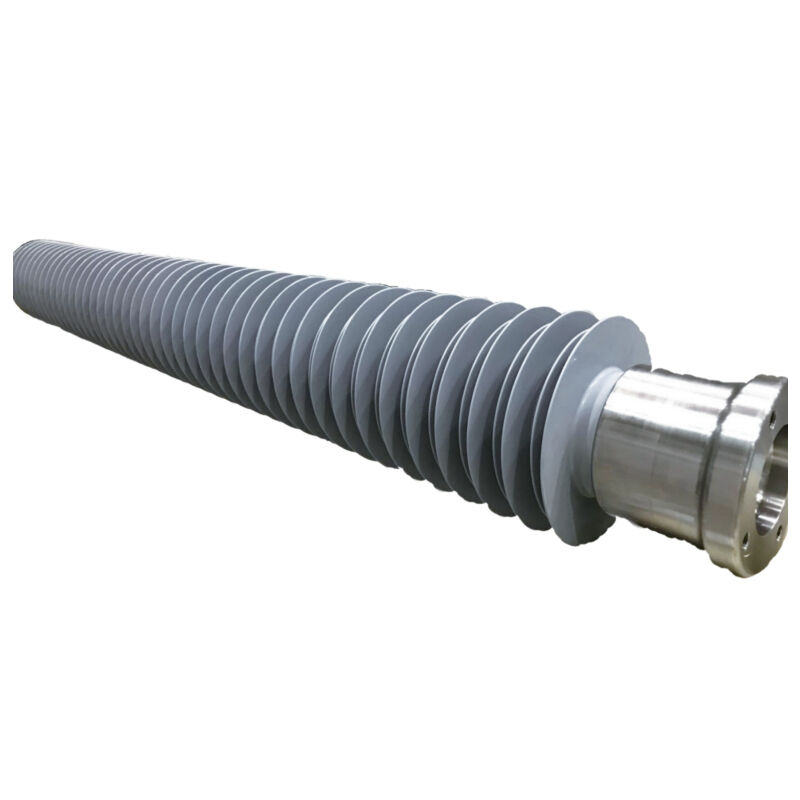
Composite suspension insulators represent a revolutionary advancement in electrical power transmission infrastructure, serving as critical components that safely isolate energized conductors from grounded support structures. These sophisticated devices combine advanced materials engineering with proven electrical insulation principles to deliver superior performance in overhead transmission lines. The composite suspension insulator consists of a fiberglass reinforced polymer core surrounded by alternating sheds and shank sections made from silicone rubber or polymer materials. This innovative design provides exceptional mechanical strength while maintaining outstanding electrical insulation properties. The primary function of a composite suspension insulator involves supporting the weight of transmission conductors while preventing electrical current from flowing to ground through the supporting tower or pole structure. Unlike traditional porcelain or glass insulators, the composite suspension insulator utilizes modern polymer technology to achieve superior performance characteristics. The fiberglass core provides tensile strength exceeding that of steel, while the polymer housing offers excellent resistance to environmental degradation, pollution, and tracking. These insulators typically operate across voltage ranges from distribution levels up to extra high voltage applications exceeding 800 kilovolts. Key technological features include hydrophobic surface properties that repel water and contaminants, lightweight construction that reduces structural loading requirements, and exceptional impact resistance that prevents catastrophic failure from external forces. The composite suspension insulator finds widespread application in transmission lines, substations, and distribution systems where reliable electrical isolation is paramount. Their versatility makes them suitable for coastal environments with high salt contamination, industrial areas with heavy pollution, and regions experiencing extreme weather conditions. The manufacturing process involves precise control of materials and dimensions to ensure consistent performance across thousands of units installed in critical power infrastructure applications.

New Product Recommendations

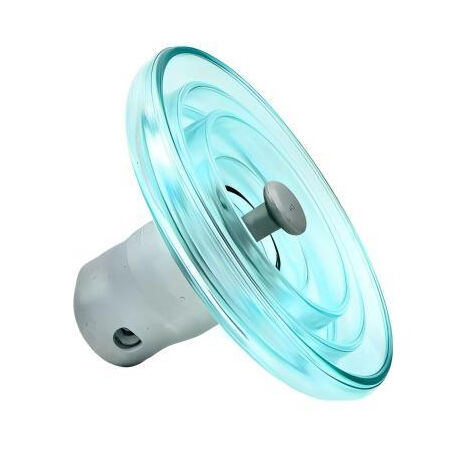
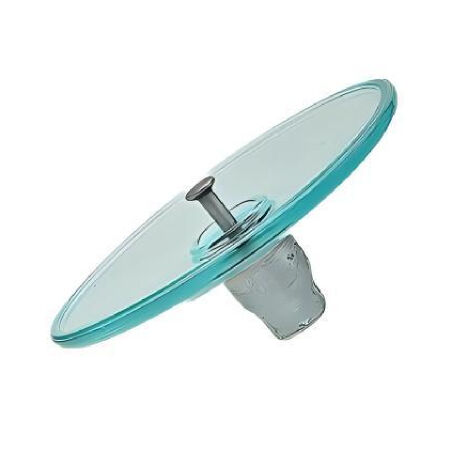
The composite suspension insulator offers numerous compelling advantages that make it the preferred choice for modern electrical infrastructure projects. First, these insulators provide exceptional durability that significantly outperforms traditional ceramic alternatives. The polymer materials resist cracking, chipping, and shattering that commonly affect porcelain insulators, resulting in dramatically reduced maintenance requirements and extended service life. This enhanced reliability translates directly into lower operational costs and improved system availability for utility operators. Weight reduction represents another major benefit, as the composite suspension insulator typically weighs 80-90% less than equivalent porcelain units. This substantial weight savings reduces structural loading on towers and poles, allowing for lighter support structures and reduced foundation requirements. The installation process becomes faster and safer due to easier handling, while transportation costs decrease significantly when shipping large quantities. Environmental resistance stands as a crucial advantage, particularly in challenging operating conditions. The hydrophobic surface properties of the composite suspension insulator naturally shed water and resist contamination buildup, maintaining superior electrical performance even in heavily polluted environments. Salt spray, industrial emissions, and other contaminants that cause flashovers on ceramic insulators have minimal impact on properly designed composite units. The self-cleaning action during rain events helps maintain optimal insulation levels throughout the service life. Performance consistency represents another key benefit, as composite suspension insulators maintain stable electrical characteristics across wide temperature ranges and varying environmental conditions. Unlike porcelain insulators that can experience sudden catastrophic failure, composite units typically exhibit gradual degradation patterns that allow for planned maintenance interventions. The flexible design accommodates thermal expansion and mechanical stress without compromising electrical integrity. Cost-effectiveness emerges when considering total lifecycle expenses rather than initial purchase price alone. While composite suspension insulators may have higher upfront costs, the reduced maintenance requirements, extended service life, and improved reliability deliver substantial long-term savings. Utilities report significant reductions in outage frequency and maintenance-related expenses when transitioning from ceramic to composite insulator technology.

Latest News

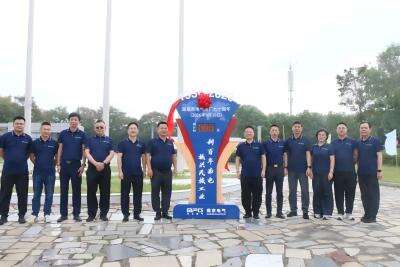
Nanjing Electric Holds Grand 89th Anniversary Celebration

26

Jan

Nanjing Electric Holds Grand 89th Anniversary Celebration

View More
Setting Sail for the World  From Export to Global Expansion, Baiyun Electric Accelerates Its Internationalization

26

Nov

Setting Sail for the World From Export to Global Expansion, Baiyun Electric Accelerates Its Internationalization

View More
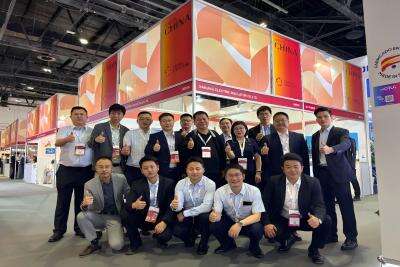
International Exhibition | Nanjing Electric Showcases at Middle East Energy 2025

26

Jan

International Exhibition | Nanjing Electric Showcases at Middle East Energy 2025

View More

Get a Free Quote

Our representative will contact you soon.
Email
Name
Company Name
Message
0/1000

composite suspension insulator

Superior Environmental Performance and Contamination Resistance

Superior Environmental Performance and Contamination Resistance

The composite suspension insulator excels in harsh environmental conditions through its advanced polymer technology and innovative surface design. The silicone rubber housing incorporates hydrophobic properties that create a natural barrier against moisture and contaminants, fundamentally changing how insulators interact with environmental factors. This hydrophobic characteristic means water forms discrete droplets rather than continuous films across the insulator surface, preventing the formation of conductive paths that could lead to flashovers. In coastal environments where salt spray creates significant challenges for traditional insulators, the composite suspension insulator maintains excellent performance by resisting salt accumulation and its associated tracking problems. Industrial areas with heavy pollution from manufacturing processes, vehicle emissions, or chemical plants present unique challenges that composite technology addresses effectively. The smooth polymer surface resists adhesion of particulate matter, while the self-cleaning action during precipitation events helps maintain optimal electrical characteristics. Field studies demonstrate that composite suspension insulators operating in severely polluted environments maintain flashover voltages significantly higher than porcelain alternatives under similar conditions. The polymer materials resist UV degradation through carefully formulated stabilizer packages, ensuring long-term performance even under intense solar exposure. Temperature cycling from extreme cold to high heat conditions that cause thermal stress in ceramic materials has minimal impact on properly designed composite insulators. The flexible nature of the polymer housing accommodates thermal expansion without creating mechanical stress concentrations that could compromise performance. Chemical resistance represents another crucial aspect, as the composite suspension insulator withstands exposure to acids, alkalis, and organic solvents that might encounter in industrial environments. This chemical inertness ensures stable performance and prevents premature aging that could affect electrical properties or mechanical strength over the service lifetime.
Exceptional Mechanical Strength and Impact Resistance

Exceptional Mechanical Strength and Impact Resistance

The composite suspension insulator delivers outstanding mechanical performance through its engineered fiberglass reinforced polymer core that provides tensile strength exceeding high-grade steel while maintaining remarkable flexibility. This unique combination of strength and resilience makes these insulators ideal for applications involving high mechanical loads, dynamic stresses, and potential impact events. The fiberglass core consists of continuous glass fibers embedded in a thermoset resin matrix, creating a lightweight yet incredibly strong structural element capable of withstanding ultimate tensile loads often exceeding 200 kilonewtons. Unlike brittle ceramic materials that fail catastrophically when stressed beyond their limits, the composite suspension insulator exhibits progressive failure characteristics that provide warning before complete structural failure occurs. Impact resistance represents a critical safety advantage, particularly in areas prone to vandalism, accidental contact, or severe weather events. Gunshot damage that would completely destroy a porcelain insulator typically results in only superficial damage to a composite unit, allowing continued operation until scheduled maintenance can address the issue. This resilience significantly reduces emergency repair requirements and associated outage costs. The flexible nature of the composite suspension insulator allows it to accommodate wind-induced vibrations and conductor movement without transferring excessive stress to connection points or support structures. This flexibility reduces fatigue loading that could cause premature failure of hardware components or structural elements. Manufacturing precision ensures consistent mechanical properties across production runs, with quality control testing verifying that each composite suspension insulator meets or exceeds specified performance requirements. The rod design incorporates appropriate safety factors to handle not only normal operating loads but also extreme conditions such as ice loading, high winds, or seismic events. Long-term creep resistance ensures that mechanical properties remain stable throughout the expected service life, preventing gradual deterioration that could compromise system integrity over time.
Cost-Effective Lifecycle Performance and Maintenance Benefits

Cost-Effective Lifecycle Performance and Maintenance Benefits

The composite suspension insulator delivers exceptional value through reduced lifecycle costs that more than compensate for any premium in initial purchase price. Maintenance requirements drop dramatically compared to ceramic alternatives, as these insulators resist the common failure modes that necessitate frequent inspection and replacement programs. Traditional porcelain insulators require regular washing to remove contamination buildup, periodic replacement of damaged units, and extensive testing to identify developing problems before they cause system failures. The composite suspension insulator eliminates most of these maintenance activities through its superior contamination resistance and robust construction. Utility companies report maintenance cost reductions of 60-80% when transitioning from porcelain to composite insulator technology across their transmission networks. The lightweight design significantly reduces installation time and labor requirements, as crews can handle composite suspension insulators more easily and safely than heavy ceramic units. Helicopter installation becomes more practical due to reduced weight, enabling efficient maintenance operations in remote or difficult-to-access locations. Transportation costs decrease substantially when shipping replacement units or stocking inventory, as the same truck capacity can carry many more composite insulators than porcelain equivalents. Extended service life represents another crucial economic advantage, with properly installed composite suspension insulators typically providing 30-40 years of reliable service compared to 20-25 years for ceramic units. This longevity reduces replacement frequency and associated capital expenditures while improving long-term budget predictability. The gradual failure mode of composite insulators allows for condition-based maintenance strategies rather than time-based replacement schedules, optimizing maintenance resources and minimizing unnecessary interventions. System reliability improvements translate directly into reduced outage costs and improved customer satisfaction, as composite suspension insulators exhibit significantly lower failure rates than traditional alternatives. The combination of reduced maintenance requirements, extended service life, improved reliability, and lower installation costs creates a compelling total cost of ownership advantage that continues throughout the insulator's operational lifetime.

Get a Free Quote

Our representative will contact you soon.
Email
Name
Company Name
Message
0/1000
Newsletter
Please Leave A Message With Us