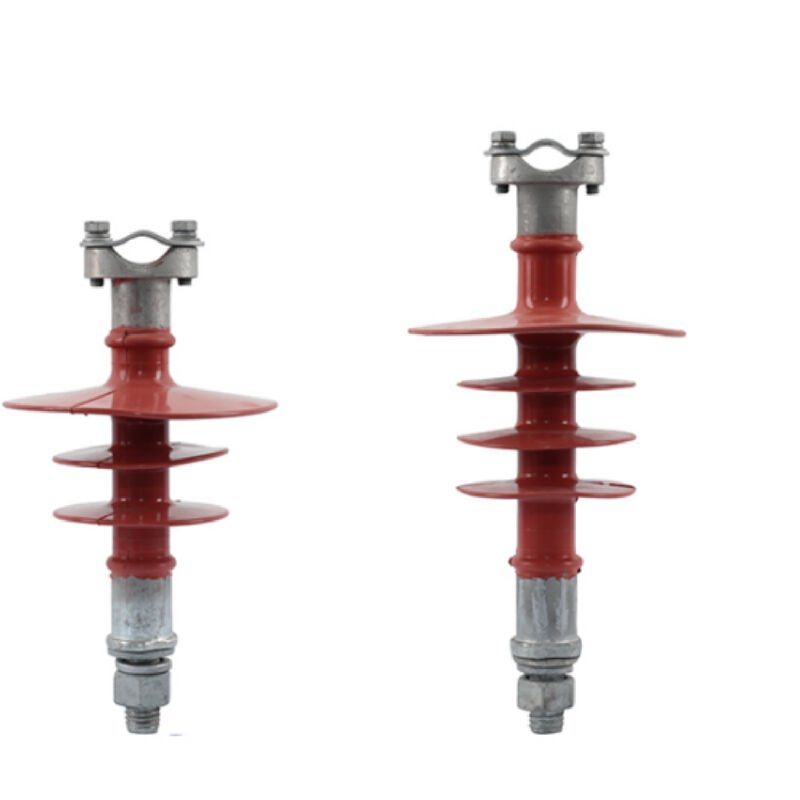
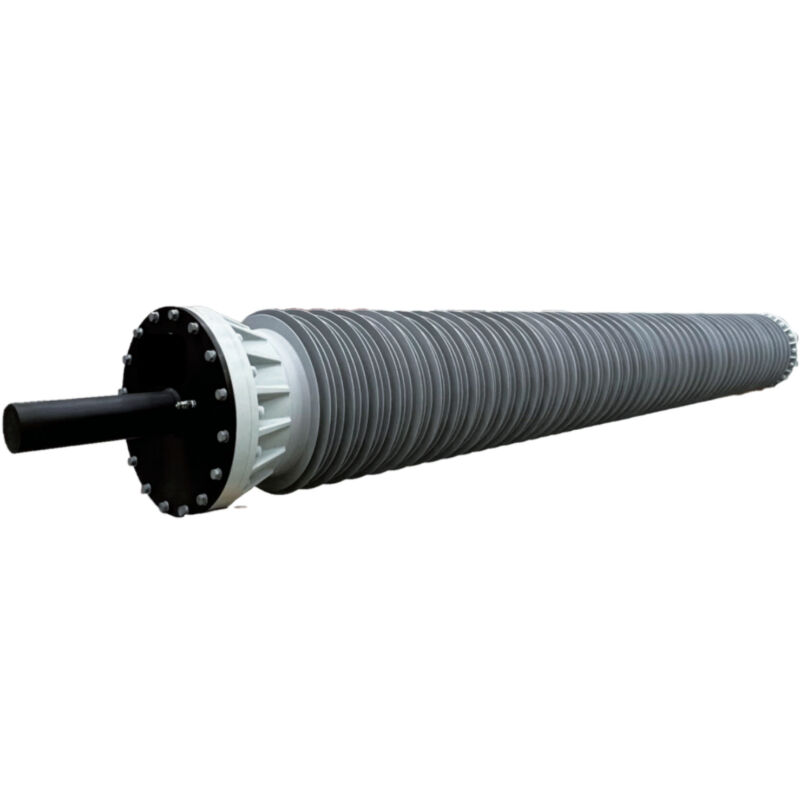
Composite Type Insulator Solutions - Advanced Polymer Technology for Electrical Infrastructure

Get a Free Quote

Our representative will contact you soon.
Email
Name
Company Name
Message
0/1000

composite type insulator

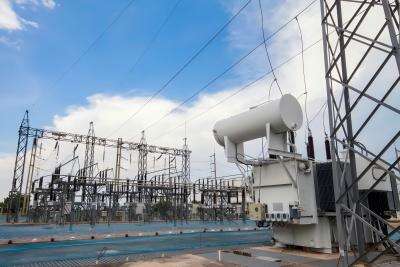
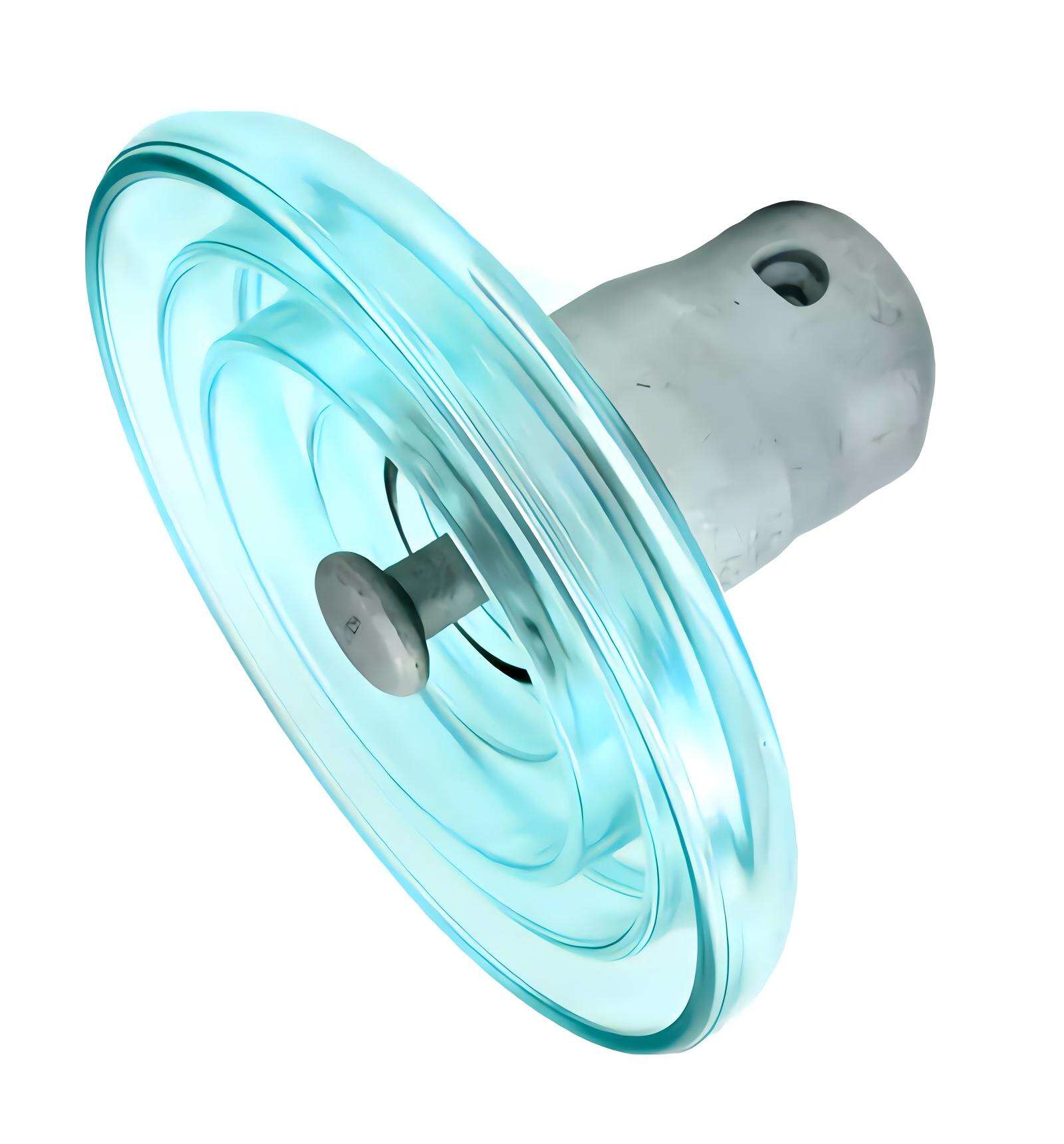
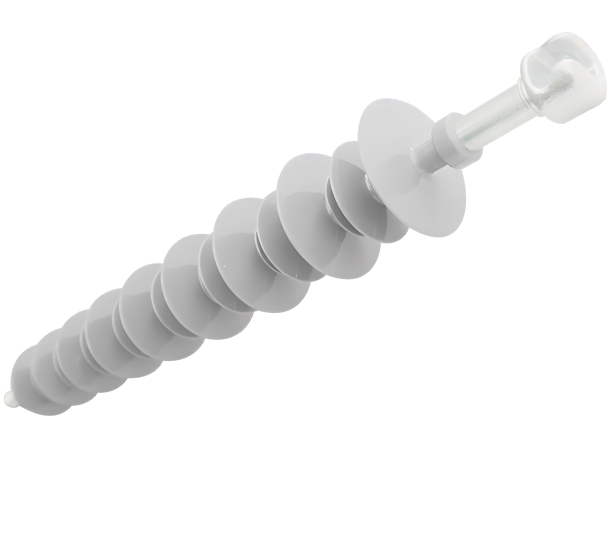
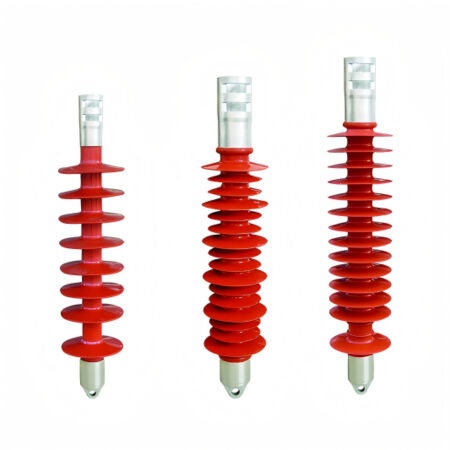
The composite type insulator represents a revolutionary advancement in electrical transmission and distribution infrastructure, combining cutting-edge polymer technology with glass fiber reinforcement to deliver exceptional performance in demanding electrical environments. This innovative insulator design consists of a fiberglass reinforced plastic (FRP) rod core surrounded by weathershed housing made from high-quality silicone rubber or ethylene propylene diene monomer (EPDM) materials. The composite type insulator serves as a critical component in electrical power systems, providing essential electrical isolation between energized conductors and grounded structures while maintaining mechanical strength under various environmental conditions. The primary function of the composite type insulator involves preventing electrical current from flowing through unintended paths, ensuring safe and reliable power transmission across vast distances. These insulators demonstrate remarkable resistance to environmental factors including ultraviolet radiation, acid rain, salt fog, and extreme temperature fluctuations that commonly challenge traditional porcelain and glass insulators. The technological features of the composite type insulator include superior hydrophobic properties that prevent water accumulation on the surface, reducing the risk of flashover events during wet weather conditions. The lightweight construction of the composite type insulator significantly reduces mechanical stress on transmission towers and support structures compared to conventional ceramic alternatives. Advanced manufacturing processes ensure consistent quality and performance characteristics across all composite type insulator units, with precise control over material properties and dimensional tolerances. The modular design allows for easy installation and maintenance procedures, minimizing downtime during power system upgrades or repairs. Applications for the composite type insulator span across high-voltage transmission lines, distribution networks, substations, and specialized industrial installations where reliable electrical insulation remains paramount for operational safety and system reliability.

New Product Releases

The composite type insulator offers numerous compelling advantages that make it the preferred choice for modern electrical infrastructure projects worldwide. First and foremost, the lightweight nature of the composite type insulator reduces transportation costs and simplifies installation procedures, allowing utility companies to achieve significant cost savings during project implementation. The reduced weight also minimizes structural requirements for transmission towers and poles, enabling more economical support structure designs without compromising system reliability. The exceptional pollution resistance of the composite type insulator ensures consistent performance in heavily contaminated environments where traditional insulators often fail prematurely due to surface contamination buildup. The hydrophobic surface properties of the composite type insulator actively repel water and contaminants, maintaining optimal electrical performance even during adverse weather conditions. This self-cleaning characteristic extends service life and reduces maintenance requirements compared to conventional insulator technologies. The superior mechanical strength of the composite type insulator core provides excellent tensile and bending resistance, ensuring reliable performance under high mechanical loads and extreme weather events including ice storms and high winds. The polymer housing material demonstrates remarkable flexibility and impact resistance, preventing catastrophic failures that commonly occur with brittle ceramic insulators during transportation, installation, or operation. The composite type insulator exhibits excellent resistance to vandalism and gunshot damage due to its flexible polymer construction, reducing replacement costs and improving system reliability in areas prone to deliberate damage. The manufacturing process for the composite type insulator allows for consistent quality control and customization options to meet specific application requirements, ensuring optimal performance across diverse operating conditions. The compact profile of the composite type insulator reduces visual impact and environmental footprint compared to traditional insulator strings, making it particularly suitable for installations in environmentally sensitive areas or urban environments where aesthetics matter. Additionally, the composite type insulator demonstrates superior performance in seismic conditions due to its flexibility and lightweight construction, reducing the risk of system damage during earthquakes and improving overall grid resilience.

Latest News

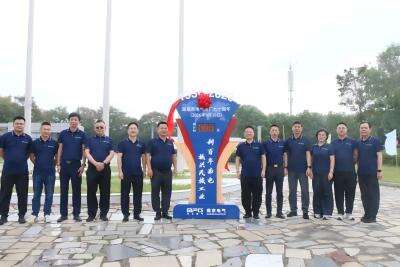
Nanjing Electric Holds Grand 89th Anniversary Celebration

26

Jan

Nanjing Electric Holds Grand 89th Anniversary Celebration

View More
Setting Sail for the World  From Export to Global Expansion, Baiyun Electric Accelerates Its Internationalization

26

Nov

Setting Sail for the World From Export to Global Expansion, Baiyun Electric Accelerates Its Internationalization

View More
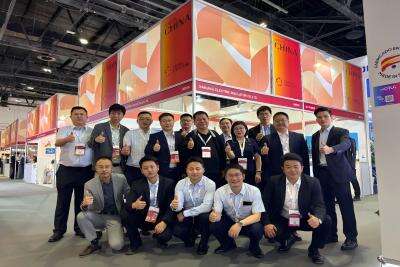
International Exhibition | Nanjing Electric Showcases at Middle East Energy 2025

26

Jan

International Exhibition | Nanjing Electric Showcases at Middle East Energy 2025

View More

Get a Free Quote

Our representative will contact you soon.
Email
Name
Company Name
Message
0/1000

composite type insulator

Superior Environmental Performance and Longevity

Superior Environmental Performance and Longevity

The composite type insulator delivers exceptional environmental performance that significantly surpasses traditional ceramic and glass insulator technologies across multiple critical performance metrics. The advanced polymer housing material used in the composite type insulator construction provides outstanding resistance to ultraviolet radiation, preventing degradation and maintaining structural integrity throughout extended exposure to intense sunlight conditions. This UV resistance ensures that the composite type insulator maintains its electrical and mechanical properties for decades without requiring frequent replacement or maintenance interventions. The hydrophobic surface characteristics of the composite type insulator represent a game-changing feature that actively repels water molecules, preventing the formation of continuous water films that could create conductive paths during wet weather conditions. This self-cleaning property means that dust, pollution particles, and other contaminants cannot easily adhere to the insulator surface, maintaining optimal electrical performance even in heavily polluted industrial environments or coastal areas with high salt content. The composite type insulator demonstrates remarkable resistance to acid rain and chemical exposure, making it ideal for installations in areas with high industrial activity or environmental pollution levels where traditional insulators often suffer from surface erosion and performance degradation. The polymer materials used in the composite type insulator construction exhibit excellent thermal stability across wide temperature ranges, maintaining consistent electrical and mechanical properties from extreme cold conditions to high-temperature summer environments. This thermal stability eliminates the thermal stress cracking issues commonly associated with ceramic insulators, significantly extending service life and reducing replacement costs. The flexible nature of the composite type insulator housing allows it to accommodate thermal expansion and contraction cycles without developing stress fractures, ensuring long-term reliability and consistent performance throughout varying seasonal conditions. Furthermore, the composite type insulator maintains its hydrophobic properties even after years of service, unlike some coating-based solutions that may lose effectiveness over time, providing sustained protection against environmental contamination and ensuring reliable electrical insulation performance throughout the entire service life of the transmission infrastructure.
Enhanced Safety and Reduced Maintenance Requirements

Enhanced Safety and Reduced Maintenance Requirements

The composite type insulator provides substantial safety improvements and maintenance cost reductions that deliver significant value to utility operators and end users through innovative design features and advanced material properties. The lightweight construction of the composite type insulator dramatically reduces installation risks for maintenance crews, eliminating the need for heavy lifting equipment and reducing the potential for workplace injuries during insulator replacement or maintenance activities. The non-brittle nature of the composite type insulator housing prevents the creation of sharp fragments during handling or accidental impacts, significantly improving worker safety compared to ceramic insulators that can shatter and create dangerous projectiles. The composite type insulator demonstrates excellent resistance to gunshot damage and vandalism attempts due to its flexible polymer construction, which absorbs impact energy rather than shattering like traditional ceramic materials, reducing the frequency of emergency repairs and improving system reliability in areas prone to deliberate damage. The self-cleaning hydrophobic properties of the composite type insulator eliminate the need for regular washing and cleaning maintenance procedures that are typically required for ceramic and glass insulators in polluted environments, resulting in substantial labor cost savings and reduced exposure risks for maintenance personnel. The composite type insulator requires minimal preventive maintenance due to its inherent resistance to environmental degradation, allowing utility companies to extend maintenance intervals and reduce operational costs while maintaining high reliability standards. The modular design of the composite type insulator facilitates quick and efficient replacement procedures when maintenance is required, minimizing power system outages and reducing the economic impact of maintenance activities on end users. The composite type insulator exhibits consistent performance characteristics throughout its service life, eliminating the gradual performance degradation commonly observed with aging ceramic insulators, which allows for more predictable maintenance scheduling and improved system reliability planning. The electrical tracking resistance of the composite type insulator housing material prevents the formation of permanent conductive paths that can develop on ceramic surfaces over time, maintaining electrical integrity and reducing the risk of unexpected flashover events that could endanger maintenance personnel or cause widespread power outages.
Economic Benefits and Installation Efficiency

Economic Benefits and Installation Efficiency

The composite type insulator delivers compelling economic advantages and installation efficiencies that provide substantial cost savings throughout the entire lifecycle of electrical transmission and distribution systems. The significantly reduced weight of the composite type insulator compared to equivalent ceramic or glass units results in major transportation cost savings, allowing more insulators to be shipped per vehicle load and reducing fuel consumption and shipping expenses for large-scale infrastructure projects. The lightweight design of the composite type insulator enables the use of smaller, less expensive cranes and lifting equipment during installation, reducing project costs and simplifying logistics for transmission line construction and maintenance activities. The reduced mechanical loading imposed by the composite type insulator on support structures allows for more economical tower and pole designs, with smaller foundations and reduced material requirements that translate into significant construction cost savings for new transmission projects. The compact profile and streamlined design of the composite type insulator reduce wind loading on transmission structures, enabling more efficient structural designs and potentially allowing for increased conductor sizes without requiring tower reinforcement. The composite type insulator eliminates the need for expensive protective measures against vandalism and environmental damage that are often required for ceramic insulators in high-risk areas, reducing total project costs and improving long-term economic performance. The manufacturing flexibility of the composite type insulator allows for customization to specific project requirements without the tooling costs associated with ceramic insulator modifications, enabling cost-effective solutions for specialized applications and non-standard voltage ratings. The extended service life of the composite type insulator reduces replacement frequency and associated maintenance costs, providing superior return on investment compared to traditional insulator technologies that may require more frequent replacement due to environmental degradation or mechanical failure. The composite type insulator demonstrates excellent performance in seismic conditions due to its flexibility and lightweight construction, reducing the risk of earthquake damage and associated replacement costs in seismically active regions. The improved reliability and reduced failure rates of the composite type insulator minimize unplanned outages and emergency repair costs, providing additional economic benefits through improved system availability and reduced revenue losses for utility operators serving critical infrastructure and commercial customers.

Get a Free Quote

Our representative will contact you soon.
Email
Name
Company Name
Message
0/1000
Newsletter
Please Leave A Message With Us