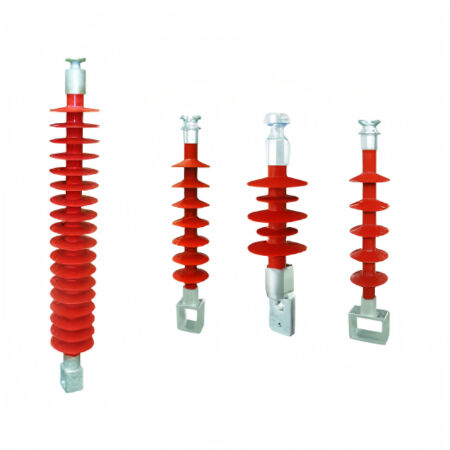
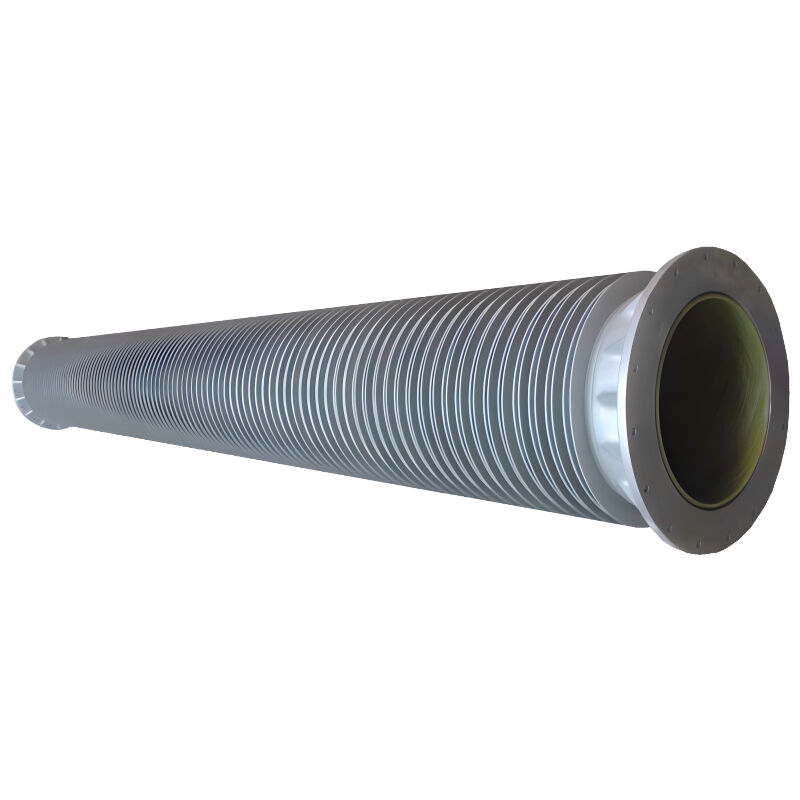
silicone rubber composite insulator
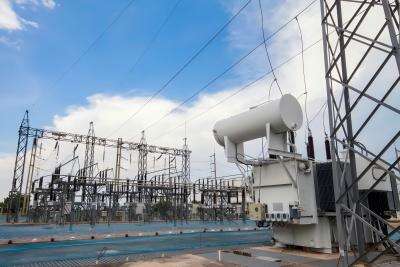
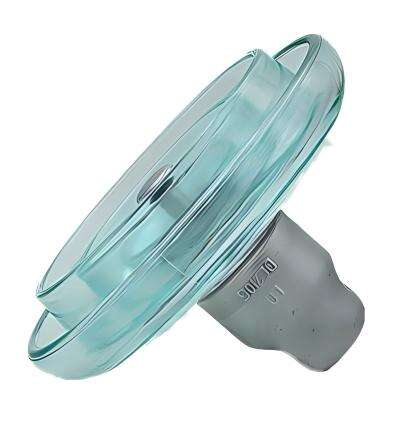
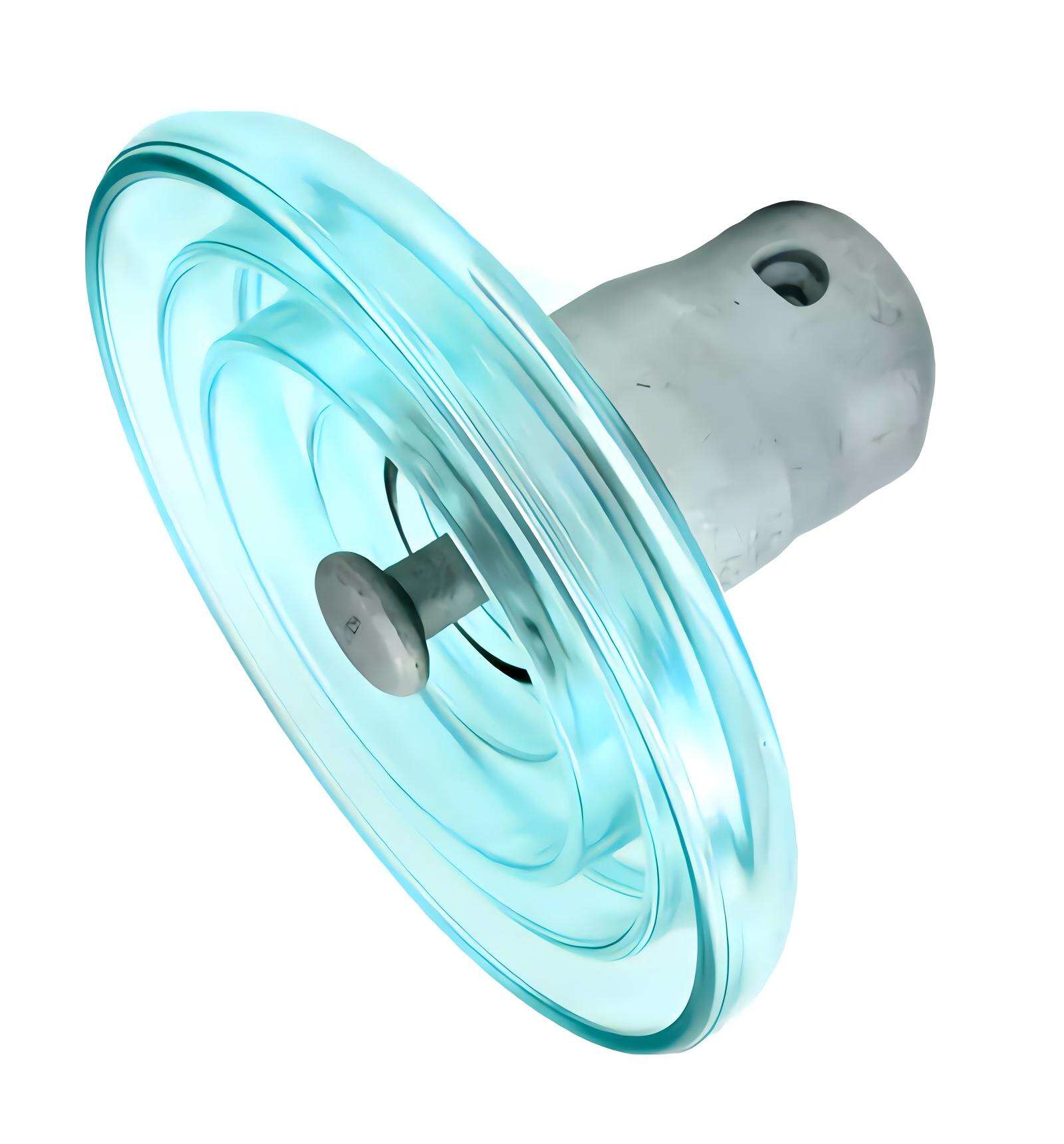
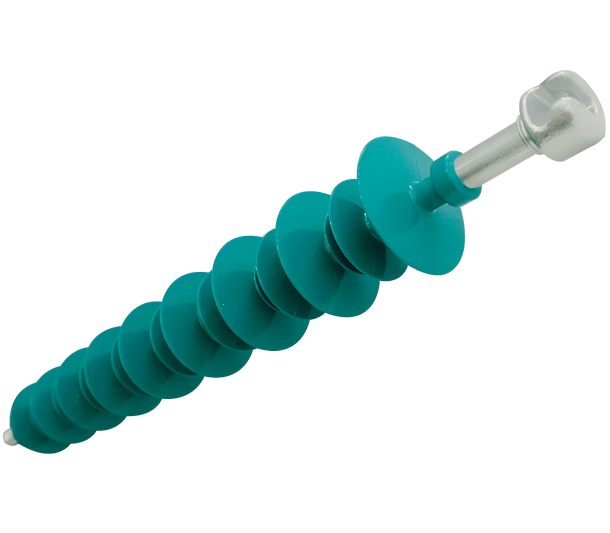
The silicone rubber composite insulator represents a revolutionary advancement in electrical transmission and distribution technology, combining the superior properties of silicone rubber with robust composite materials to create an exceptional insulation solution. This innovative electrical component serves as a critical barrier between energized conductors and grounded structures, preventing electrical faults while maintaining system reliability across diverse environmental conditions. The silicone rubber composite insulator incorporates a fiberglass reinforced plastic core that provides exceptional mechanical strength, surrounded by specialized silicone rubber housing that delivers outstanding electrical performance. The main functions of these insulators include supporting overhead transmission lines, preventing electrical flashovers, withstanding mechanical loads from wind and ice, and maintaining consistent performance across varying weather conditions. The technological features of the silicone rubber composite insulator encompass hydrophobic surface characteristics that naturally repel water and contaminants, excellent tracking and erosion resistance, superior arc resistance, and remarkable thermal stability. The silicone material exhibits self-cleaning properties, automatically shedding accumulated dirt and pollutants through natural weathering processes. Applications for silicone rubber composite insulators span across high-voltage transmission systems, distribution networks, substations, and specialized industrial installations where reliable electrical isolation is paramount. These insulators excel in coastal environments with high salt contamination, industrial areas with chemical pollution, and regions experiencing extreme temperature fluctuations. The composite construction methodology ensures optimal weight distribution while maximizing structural integrity, making installation and maintenance procedures more efficient compared to traditional ceramic alternatives. Manufacturing processes incorporate advanced molding techniques that create seamless integration between the composite core and silicone housing, eliminating potential failure points that could compromise insulator performance over extended service periods.
 ×
×


 EN
EN