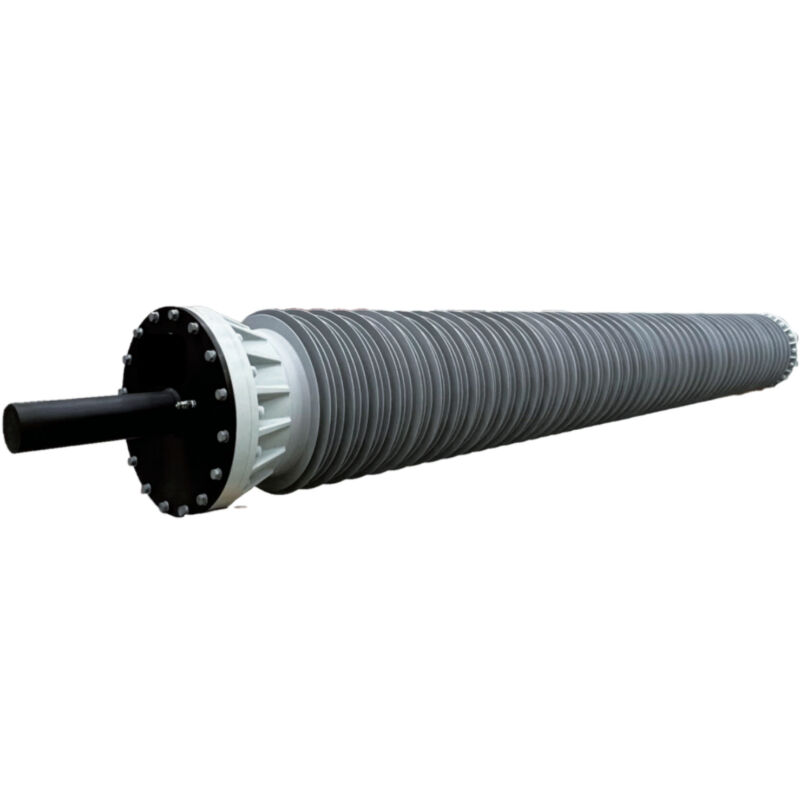
Composite Polymer Insulators: Advanced Electrical Insulation Solutions for Power Systems

Get a Free Quote

Our representative will contact you soon.
Email
Name
Company Name
Message
0/1000

composite polymer insulator

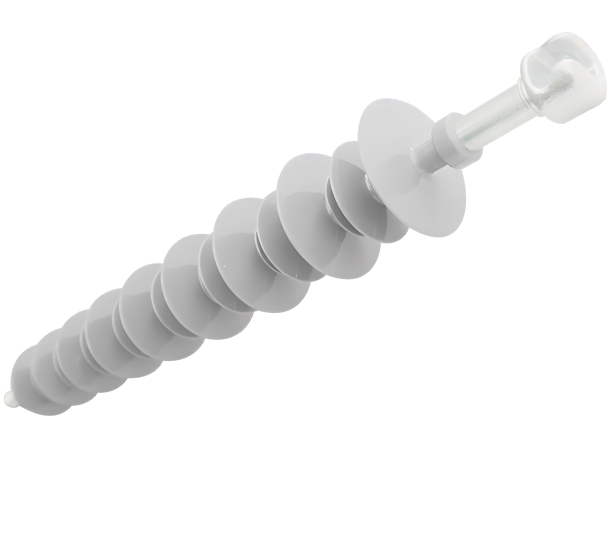
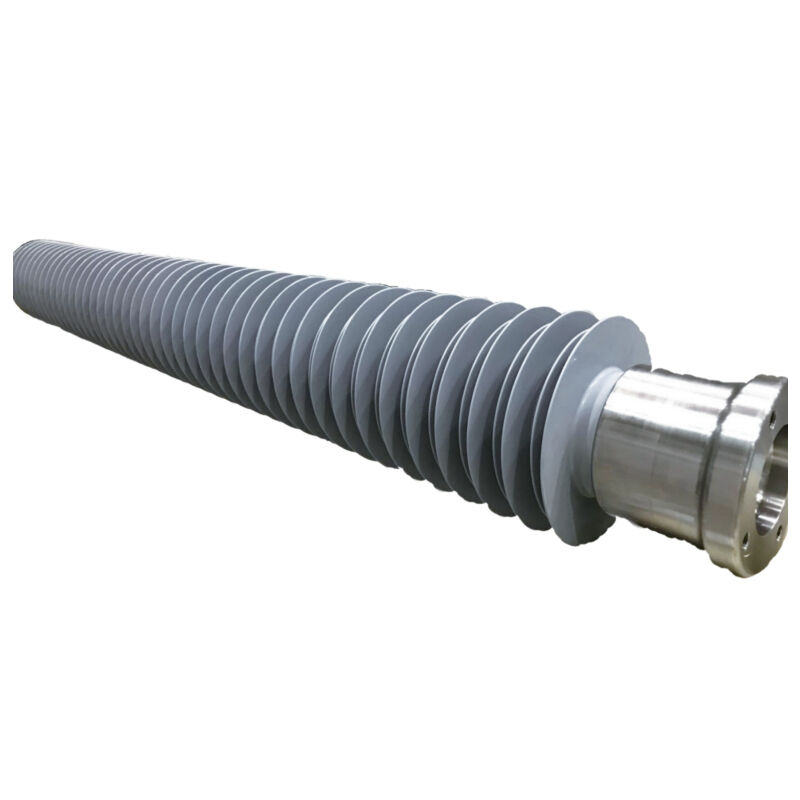
The composite polymer insulator represents a revolutionary advancement in electrical insulation technology, combining cutting-edge materials science with practical engineering solutions. This innovative device serves as a critical component in electrical power systems, designed to prevent unwanted electrical current flow while maintaining structural integrity under various environmental conditions. The composite polymer insulator consists of a fiberglass-reinforced plastic (FRP) core rod surrounded by silicone rubber housing with alternating sheds and ribs. This sophisticated construction provides exceptional mechanical strength, superior electrical performance, and outstanding resistance to environmental degradation. The main functions of the composite polymer insulator include electrical isolation between conductors and ground, mechanical support for overhead power lines, and protection against flashover events during adverse weather conditions. The technological features encompass hydrophobic surface properties that repel moisture, lightweight construction that reduces mechanical stress on supporting structures, and excellent tracking resistance that prevents surface deterioration. The FRP core delivers impressive tensile strength while maintaining flexibility, enabling the insulator to withstand dynamic loads from wind and ice formation. The silicone rubber housing offers superior UV resistance, ozone protection, and thermal stability across wide temperature ranges. Applications span across transmission lines, distribution networks, substations, and renewable energy installations. These insulators excel in coastal environments where salt contamination poses challenges, industrial areas with heavy pollution, and regions experiencing frequent lightning activity. The composite polymer insulator technology has transformed power system reliability by reducing maintenance requirements, extending service life, and improving overall system performance in challenging operational environments.

Popular Products

The composite polymer insulator delivers exceptional value through its lightweight design, which significantly reduces installation costs and structural requirements compared to traditional ceramic or glass alternatives. This weight reduction translates to lower transportation expenses, simplified handling procedures, and reduced stress on supporting towers and crossarms. The hydrophobic properties of the silicone rubber housing create a self-cleaning effect that maintains insulation performance even in heavily contaminated environments. Water beads up and rolls off the surface, carrying away dirt, salt, and other contaminants that could compromise electrical performance. This natural cleaning action reduces maintenance frequency and eliminates the need for costly washing programs that ceramic insulators require. The superior mechanical strength of the fiberglass core provides outstanding resistance to vandalism, impact damage, and extreme weather events. Unlike brittle ceramic materials that shatter upon impact, the composite polymer insulator absorbs energy and maintains structural integrity, reducing replacement costs and improving system reliability. The excellent tracking resistance prevents the formation of conductive paths on the insulator surface, even under severe contamination and moisture conditions. This characteristic ensures consistent electrical performance throughout the service life, reducing the risk of flashover events and power outages. The wide operating temperature range enables reliable performance in diverse climatic conditions, from arctic cold to desert heat, without degradation of electrical or mechanical properties. The UV-stabilized silicone rubber housing maintains flexibility and electrical properties for decades, eliminating concerns about cracking, chalking, or premature aging that affect other insulator types. Installation benefits include compatibility with existing hardware, reduced crew requirements due to lighter weight, and faster installation times that minimize service disruptions. The composite polymer insulator also offers superior performance in seismic zones, where its flexibility and shock absorption capabilities provide enhanced reliability compared to rigid ceramic alternatives. These practical advantages combine to deliver lower total cost of ownership, improved system reliability, and reduced maintenance burden for utility operators and industrial customers.

Latest News

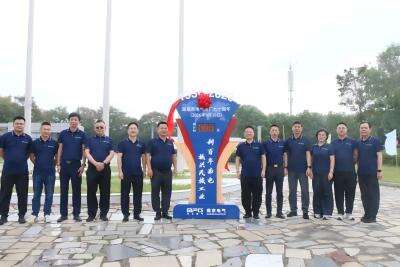
Nanjing Electric Holds Grand 89th Anniversary Celebration

26

Jan

Nanjing Electric Holds Grand 89th Anniversary Celebration

View More
Setting Sail for the World  From Export to Global Expansion, Baiyun Electric Accelerates Its Internationalization

26

Nov

Setting Sail for the World From Export to Global Expansion, Baiyun Electric Accelerates Its Internationalization

View More
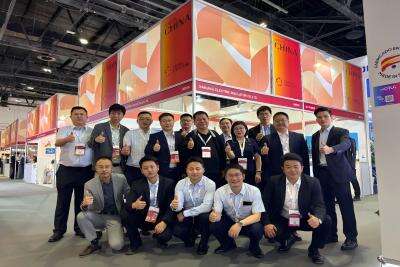
International Exhibition | Nanjing Electric Showcases at Middle East Energy 2025

26

Jan

International Exhibition | Nanjing Electric Showcases at Middle East Energy 2025

View More

Get a Free Quote

Our representative will contact you soon.
Email
Name
Company Name
Message
0/1000

composite polymer insulator

Advanced Hydrophobic Technology for Superior Contamination Resistance

Advanced Hydrophobic Technology for Superior Contamination Resistance

The composite polymer insulator features breakthrough hydrophobic technology that revolutionizes performance in contaminated environments through its innovative silicone rubber housing design. This advanced material technology creates a water-repelling surface that actively prevents the accumulation of contaminants such as salt, dust, industrial pollutants, and biological matter that typically compromise insulator performance. The hydrophobic properties work by maintaining low surface energy that causes water to form discrete droplets rather than continuous films, effectively preventing the creation of conductive paths that lead to flashover events. This self-cleaning mechanism operates continuously without external intervention, as water droplets naturally roll off the surface while carrying away accumulated contaminants. The silicone rubber formulation incorporates low molecular weight silicone oils that migrate to the surface over time, continuously renewing the hydrophobic characteristics even after temporary loss due to extreme contamination or electrical stress. This regenerative capability ensures long-term performance stability that cannot be achieved with static surface treatments or coatings. The composite polymer insulator maintains its hydrophobic properties across wide temperature ranges and under various environmental stresses including UV exposure, ozone attack, and chemical exposure. Field experience demonstrates that these insulators maintain superior performance in coastal installations where salt spray creates severe contamination challenges, industrial environments with heavy particulate pollution, and agricultural areas where fertilizer and pesticide residues accumulate on insulator surfaces. The hydrophobic technology eliminates the need for frequent cleaning cycles that are required for ceramic and glass insulators, resulting in significant maintenance cost savings and improved system reliability. This contamination resistance capability extends the effective service life of electrical installations while reducing the frequency of pollution-related outages that affect system reliability and customer satisfaction.
Exceptional Mechanical Strength Through Advanced Composite Engineering

Exceptional Mechanical Strength Through Advanced Composite Engineering

The composite polymer insulator achieves remarkable mechanical performance through sophisticated engineering of its fiberglass-reinforced plastic core, which combines exceptional tensile strength with optimal flexibility to handle dynamic loading conditions. The FRP core utilizes high-strength glass fibers arranged in precise orientations to maximize load-bearing capacity while maintaining resistance to fatigue failure under cyclic loading. This advanced composite construction delivers tensile strengths exceeding 160 kN for standard transmission applications, significantly surpassing the mechanical requirements for most overhead line installations. The engineering excellence extends beyond raw strength to include superior impact resistance that prevents catastrophic failure from bird strikes, thrown objects, or severe weather events such as hail or flying debris during storms. Unlike brittle ceramic insulators that fail catastrophically when mechanical limits are exceeded, the composite polymer insulator exhibits graceful failure characteristics that maintain structural integrity even under overload conditions. The FRP core design incorporates controlled flexibility that allows the insulator to absorb mechanical shocks and accommodate thermal expansion of conductors without transferring excessive stresses to supporting structures. This flexibility proves particularly valuable in seismic regions where ground motion creates dynamic loads that can destroy rigid insulator designs. The composite construction also provides excellent resistance to fatigue failure, maintaining structural integrity through millions of load cycles caused by wind-induced conductor motion and thermal cycling. The crimped end fittings utilize proven mechanical connection technology that distributes loads evenly throughout the FRP core, preventing stress concentrations that could initiate failure. Quality control measures during manufacturing ensure consistent mechanical properties through sophisticated testing protocols that verify tensile strength, bending strength, and long-term durability under accelerated aging conditions. This mechanical excellence translates to enhanced system reliability, reduced maintenance requirements, and lower total cost of ownership for electrical infrastructure investments.
Proven Long-Term Reliability and Cost-Effective Performance

Proven Long-Term Reliability and Cost-Effective Performance

The composite polymer insulator demonstrates exceptional long-term reliability through decades of proven field performance that validates its superior cost-effectiveness compared to traditional insulator technologies. Comprehensive aging studies and extensive field experience confirm that these insulators maintain electrical and mechanical performance for service lives exceeding 30 years under normal operating conditions, with many installations approaching 40 years while continuing to meet all performance specifications. The silicone rubber housing exhibits outstanding resistance to environmental degradation mechanisms including UV radiation, ozone exposure, thermal cycling, and chemical attack that typically limit the service life of other polymer materials. Advanced polymer formulations incorporate UV stabilizers, antioxidants, and other protective additives that prevent material degradation while maintaining electrical properties throughout the extended service life. The composite polymer insulator design eliminates common failure modes associated with ceramic insulators such as thermal shock cracking, moisture ingress through glaze defects, and mechanical failure from manufacturing flaws or handling damage. This reliability translates to reduced replacement frequency, lower maintenance costs, and improved system availability that directly benefits utility operations and customer service quality. Economic analysis consistently demonstrates that the higher initial cost of composite polymer insulators is offset by reduced life-cycle costs including lower installation expenses, decreased maintenance requirements, and extended replacement intervals. The lightweight construction reduces transportation costs, simplifies inventory management, and enables installation with smaller crews and lighter equipment, contributing to overall project cost savings. Field maintenance data confirms that composite polymer insulators require minimal intervention compared to ceramic alternatives, with typical maintenance consisting of visual inspection rather than active cleaning or replacement of damaged units. The reliable performance characteristics enable utilities to optimize maintenance schedules, reduce crew exposure to hazardous conditions, and allocate resources more effectively across their electrical infrastructure. The proven track record of composite polymer insulator technology provides confidence for new installations while supporting life extension strategies for aging electrical infrastructure that requires modernization and performance improvement.

Get a Free Quote

Our representative will contact you soon.
Email
Name
Company Name
Message
0/1000
Newsletter
Please Leave A Message With Us