Unmatched Environmental Resistance and Longevity
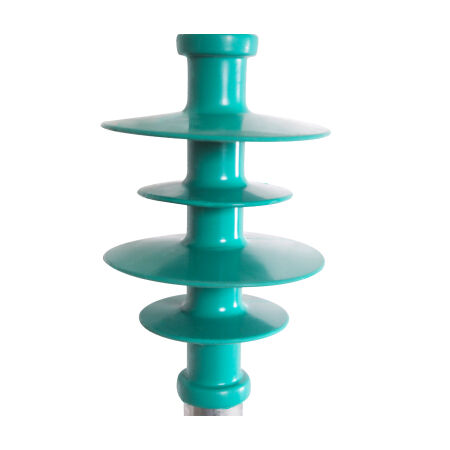
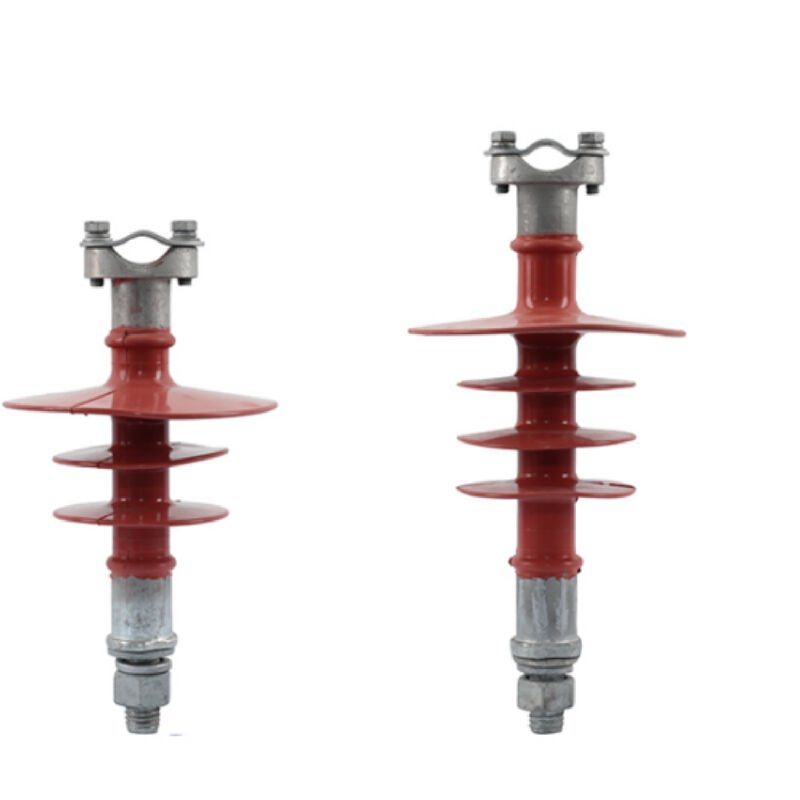
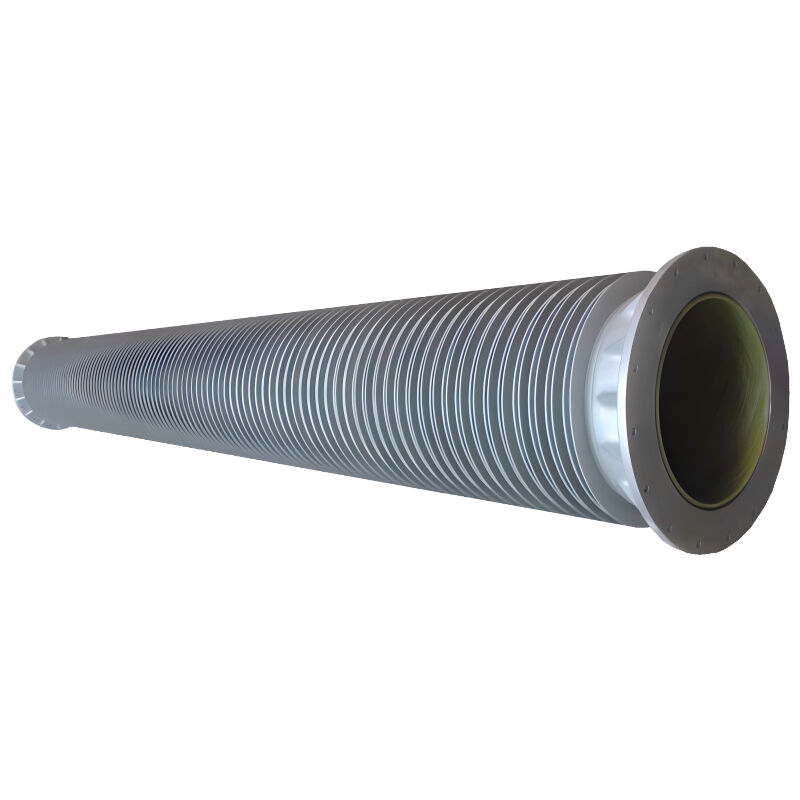
The porcelain suspension insulator stands as the gold standard for environmental resistance in electrical infrastructure applications, offering unparalleled protection against the harshest natural conditions. The advanced ceramic composition of the porcelain suspension insulator creates an impermeable barrier that resists moisture infiltration, preventing internal degradation that commonly affects other insulator materials over time. This exceptional moisture resistance proves particularly crucial in humid climates, coastal environments, and regions with frequent precipitation where alternative materials may experience accelerated aging. The glazed surface treatment applied during manufacturing creates a smooth, non-porous finish that naturally sheds contaminants including salt deposits, industrial pollutants, and organic matter that could otherwise accumulate and create conductive pathways. The porcelain suspension insulator maintains its structural integrity and electrical properties even when exposed to extreme temperature variations, from arctic conditions exceeding minus forty degrees Celsius to desert environments reaching over sixty degrees Celsius. This thermal stability eliminates concerns about thermal cycling fatigue that can compromise inferior materials, ensuring consistent performance regardless of seasonal temperature fluctuations. The ultraviolet resistance inherent in porcelain material prevents the photodegradation that affects polymer-based alternatives, maintaining the original appearance and performance characteristics throughout the operational lifetime. Chemical resistance properties of the porcelain suspension insulator protect against acid rain, industrial emissions, and atmospheric pollutants that can attack and weaken other insulator materials, particularly in industrial zones or urban environments with high pollution levels. The mechanical properties of porcelain remain stable over decades of service, unlike materials that may become brittle or lose strength due to environmental exposure, ensuring reliable mechanical support for transmission conductors throughout the design life of the electrical system.
 ×
×

 EN
EN