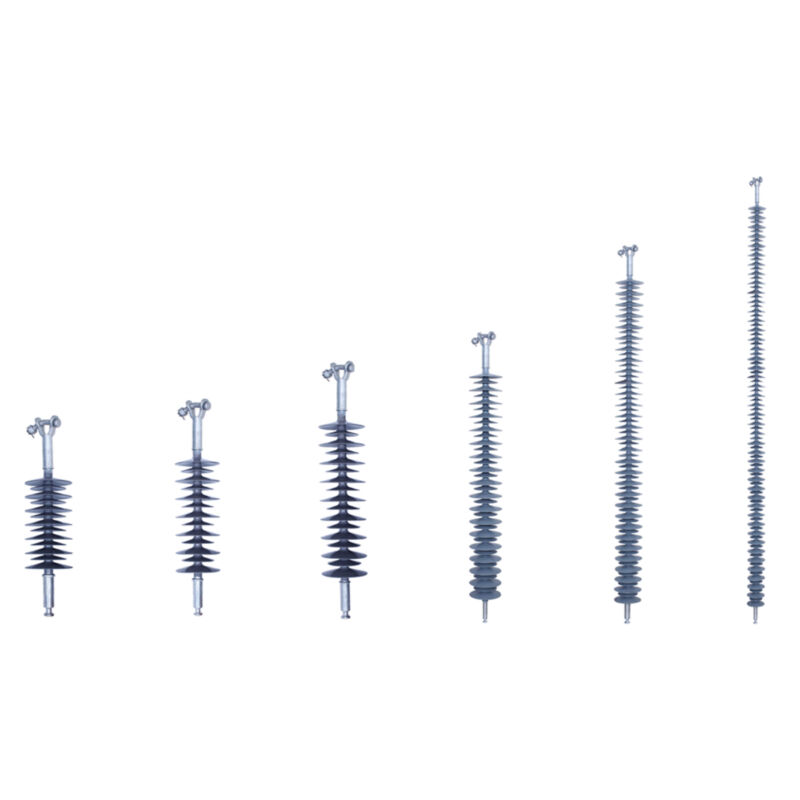
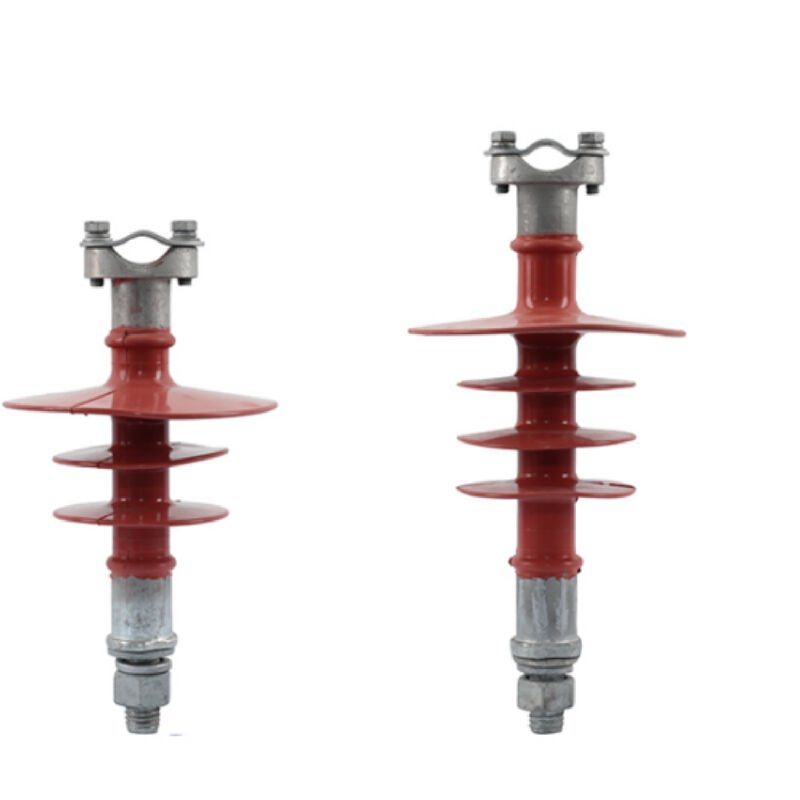
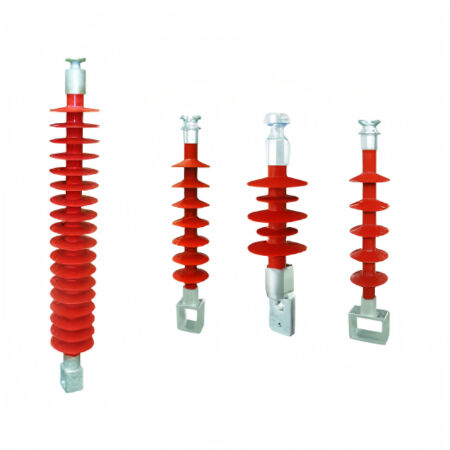
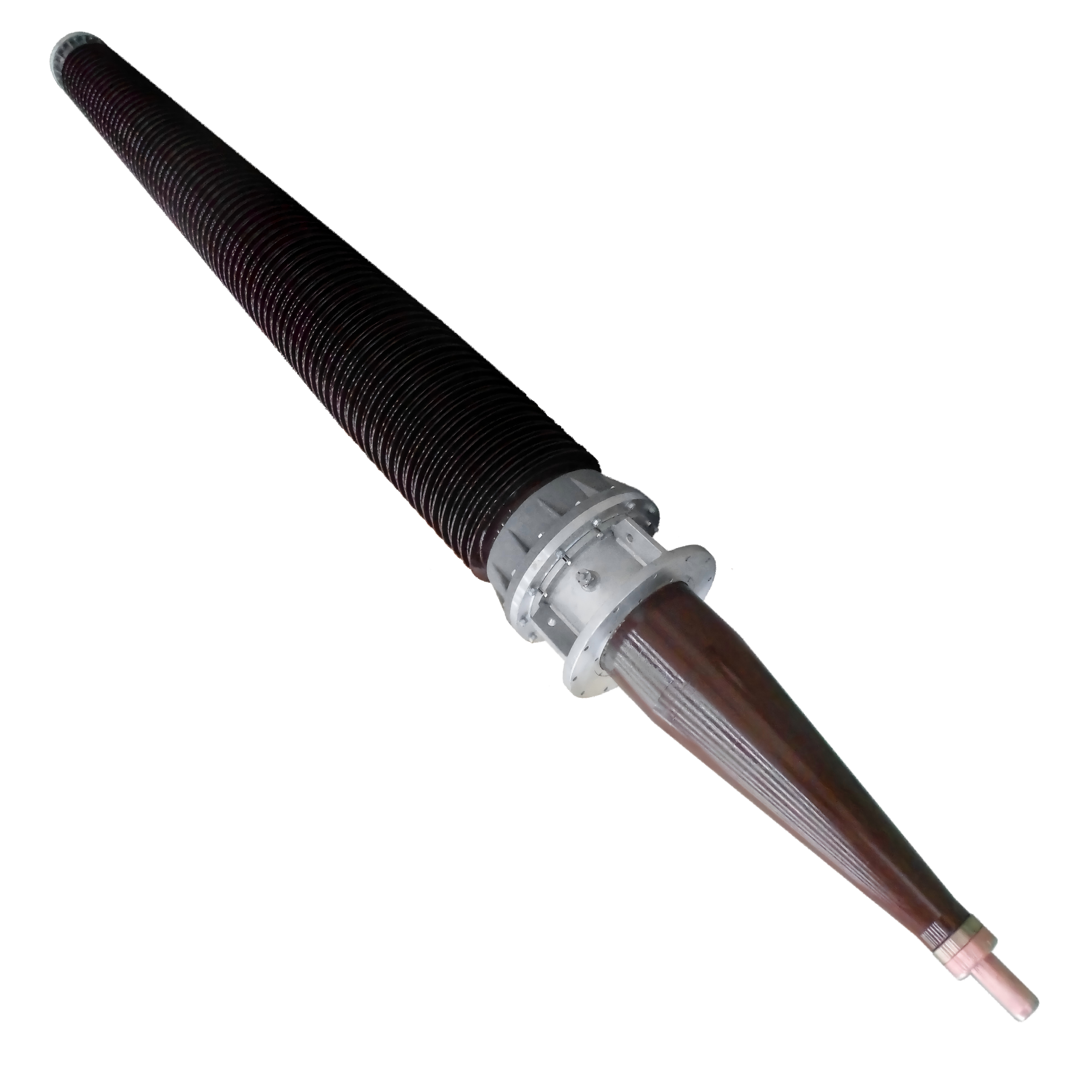
porselen çubuk tipi izolatörler
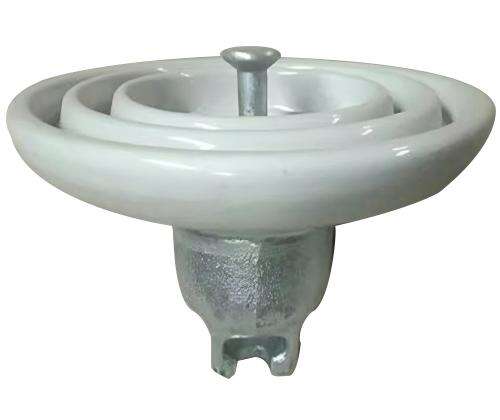
Porselen pim tipi izolatörler, elektrik enerjisi iletim ve dağıtım sistemlerinde temel bir teknolojiyi temsil eder; iletkenler ile taşıyıcı yapılar arasında elektriksel yalıtımı sağlamakta kritik bileşenler olarak görev yapar. Bu özel cihazlar, aşırı çevre koşullarına dayanacak şekilde tasarlanmış yüksek kaliteli seramik malzemelerden üretilir ve güvenilir elektriksel yalıtım özelliklerine sahiptir. Porselen pim tipi izolatörlerin ana işlevi, havai hatları desteklemek ve elektrik akımının direkler, kuleler ve diğer topraklama elemanları üzerinden geçmesini önlemektir. Bu temel rol, elektriğin büyük mesafeler boyunca güvenli ve verimli bir şekilde iletilmesini sağlar ve bu nedenle modern elektrik altyapısında vazgeçilmez bileşenlerdir. Porselen pim tipi izolatörlerin teknolojik özellikleri arasında, atlama mesafesini uzatarak olumsuz hava koşullarında performansı artıran çoklu etek (petticoat) veya saçak (shed) içeren karakteristik çan şeklinde tasarım yer alır. Porselen malzemenin kendisi olağanüstü dielektrik dayanıma sahiptir; genellikle inç başına 15–30 kV aralığında değerler gösterir ve bu da bu izolatörlerin yüksek gerilim uygulamalarını etkili bir şekilde yönetmesini sağlar. Üretim süreçleri, ham maddelerin dikkatli seçilmesini, hassas kalıp tekniklerini ve yoğun, gözeneksiz bir seramik yapısı oluşturmak üzere yüksek sıcaklıkta pişirme işlemlerini içerir; bu yapı üstün mekanik dayanım ve elektriksel özelliklere sahiptir. Glazurlu yüzey işlemi, çevresel kirlenmeye karşı ek koruma sağlar ve yağmurlu havalarda kendiliğinden temizlenmeyi kolaylaştırır. Porselen pim tipi izolatörlerin uygulama alanları, 11 kV’lik düşük gerilim dağıtım şebekelerinden 33 kV’ye kadar olan orta gerilim iletim hatlarına kadar çeşitli gerilim seviyelerini kapsar. Bunlar, şehir içi, banliyö ve kırsal elektrik şebekelerinde ahşap direkler, beton yapılar ve çelik kuleler üzerine yaygın olarak monte edilir. Bu izolatörler, orta düzey kirlilik ve standart çevre koşullarına sahip bölgelerde özellikle değerlidir; çünkü maliyet etkinliği ve kanıtlanmış güvenilirliği sayesinde şebeke işletmecileri tarafından tercih edilen çözüm haline gelmiştir. Gelişmekte olan ülkelerde yaygın benimsenmeleri, sağlam elektrik altyapısı kurulmasında performans, dayanıklılık ve ekonomik uygunluk dengesini sağlamalarından kaynaklanmaktadır.
 ×
×

 EN
EN