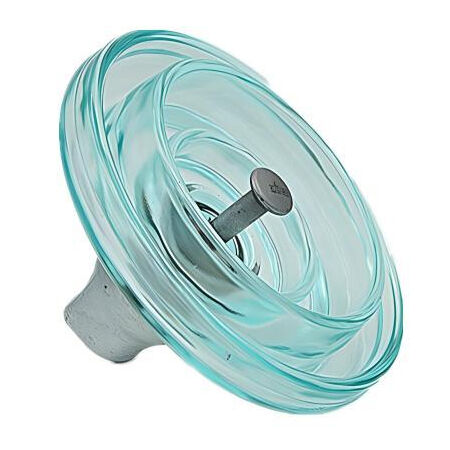
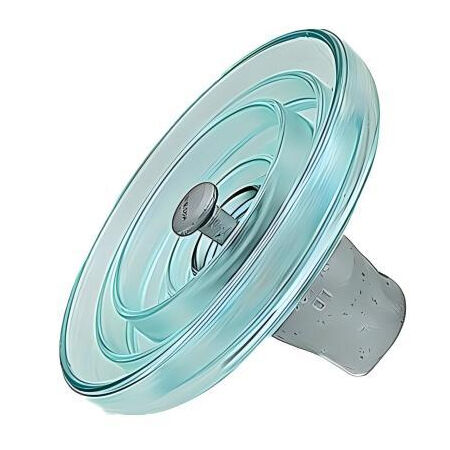
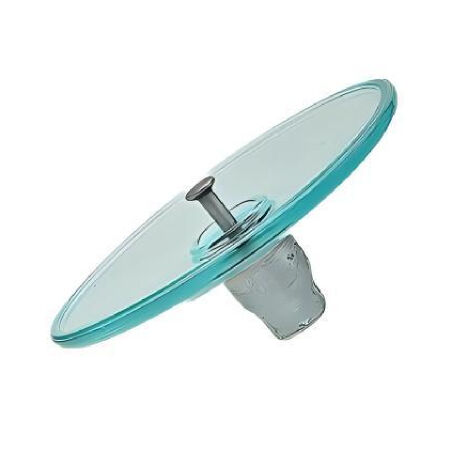
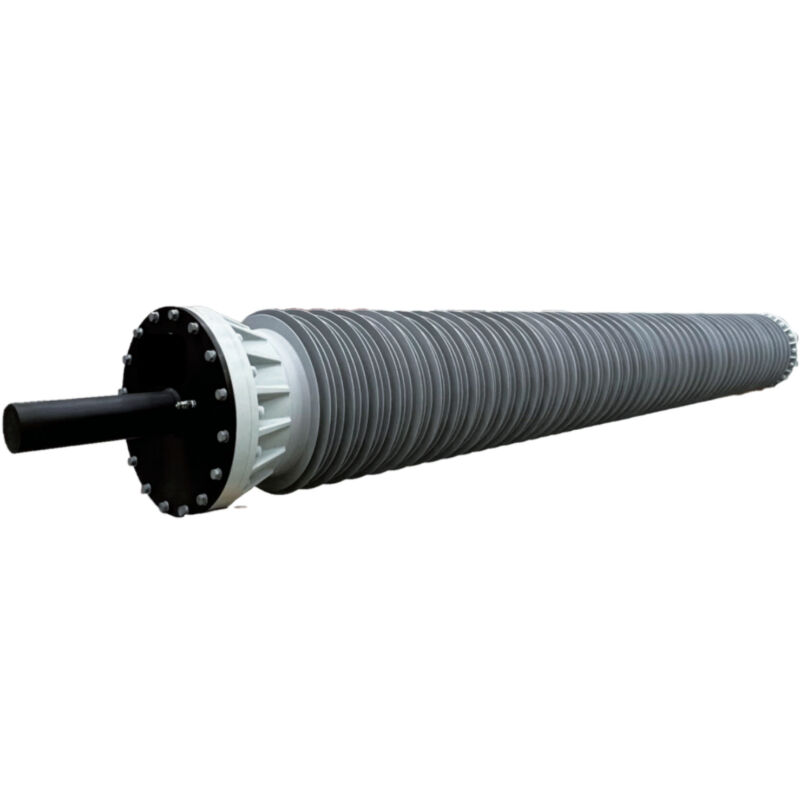
bushing on transformer
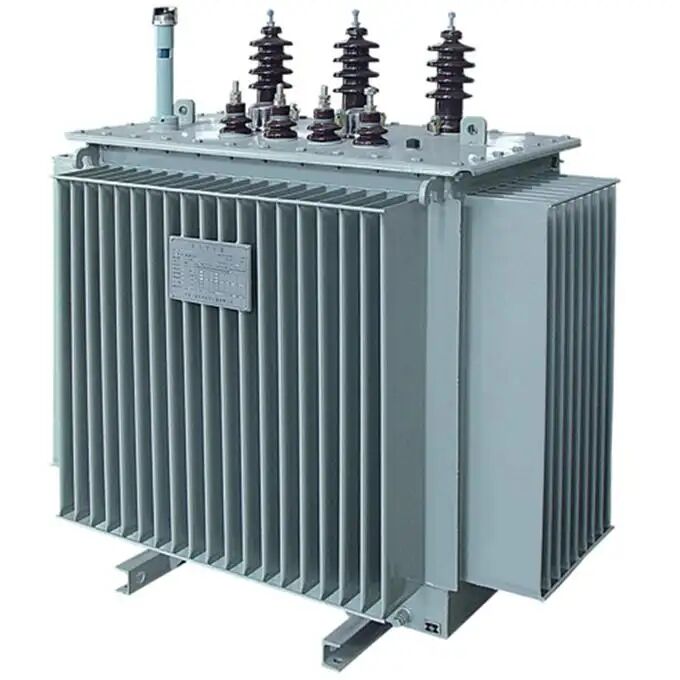
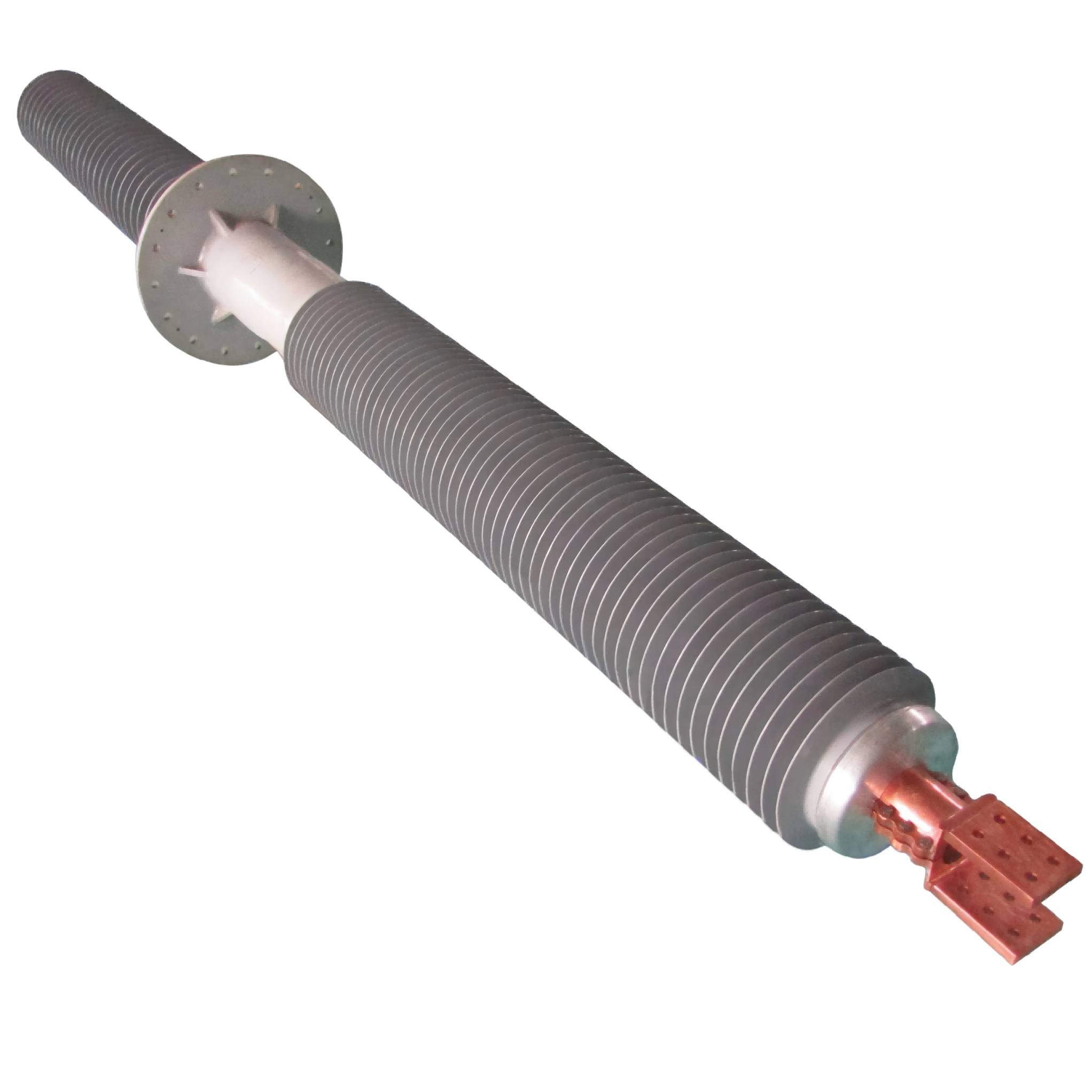
A bushing on transformer serves as a critical insulating component that enables electrical conductors to pass safely through the transformer tank wall while maintaining proper insulation between live parts and the grounded tank. This essential component acts as a barrier that prevents electrical faults and ensures safe operation of power transmission systems. The bushing on transformer design incorporates multiple layers of insulation materials, typically consisting of paper, resin, or porcelain, depending on the voltage rating and application requirements. Modern bushing on transformer units feature sophisticated engineering that accommodates thermal expansion, mechanical stress, and electrical demands of high-voltage applications. The primary function involves creating a sealed passage for conductors while preventing moisture ingress and maintaining dielectric strength throughout the transformer's operational life. Advanced bushing on transformer designs integrate capacitive grading systems that distribute electrical stress evenly across the insulation structure, significantly enhancing reliability and extending service life. These components must withstand extreme environmental conditions, including temperature variations, seismic activity, and contamination exposure. The bushing on transformer construction utilizes carefully selected materials that resist degradation from ultraviolet radiation, chemical exposure, and mechanical vibration. Quality manufacturing processes ensure consistent performance characteristics and compliance with international standards such as IEEE and IEC specifications. Installation procedures for bushing on transformer units require specialized expertise to achieve proper alignment, torque specifications, and electrical connections. Regular maintenance protocols include visual inspection, electrical testing, and condition monitoring to detect potential issues before they compromise system reliability. The bushing on transformer technology continues evolving with innovations in materials science, manufacturing techniques, and diagnostic capabilities, resulting in improved performance and reduced maintenance requirements for modern power systems.
 ×
×

 EN
EN