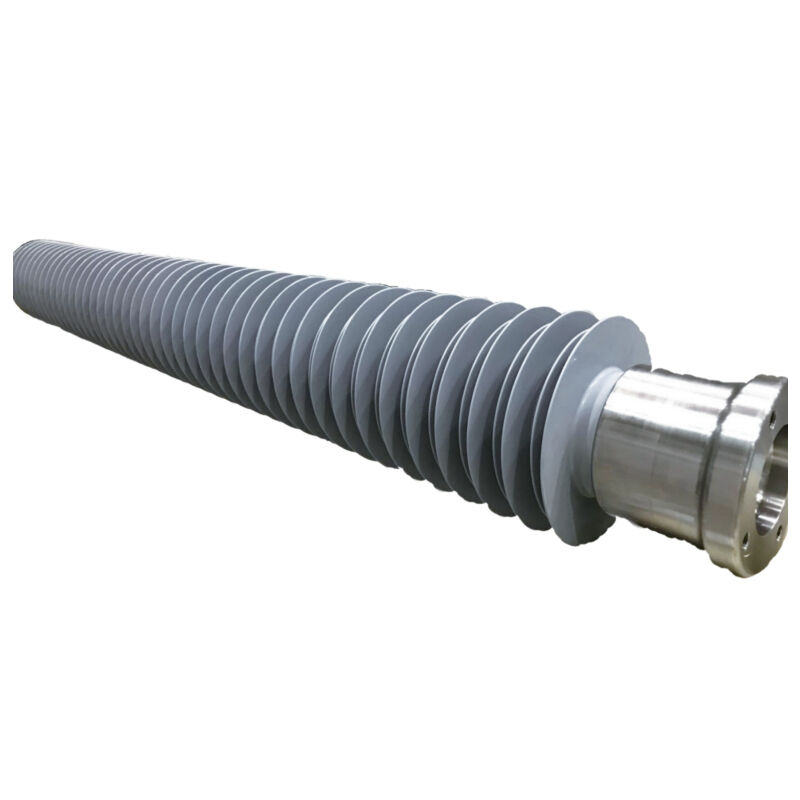
Composite Insulator Material: Advanced Technology for Reliable Electrical Transmission Systems

Get a Free Quote

Our representative will contact you soon.
Email
Name
Company Name
Message
0/1000

composite insulator material

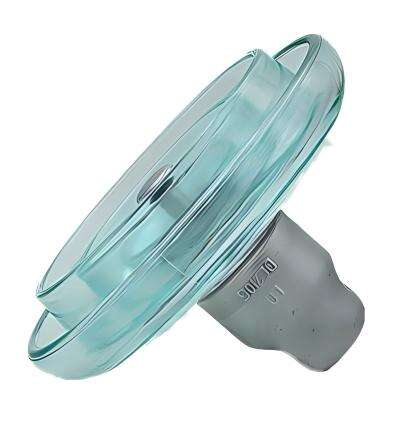
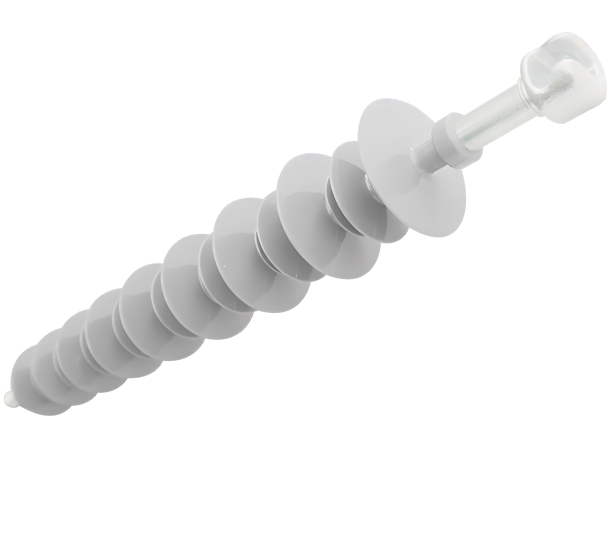
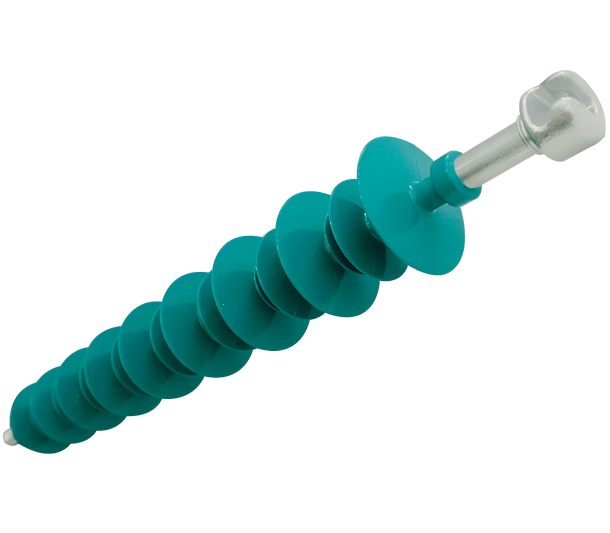
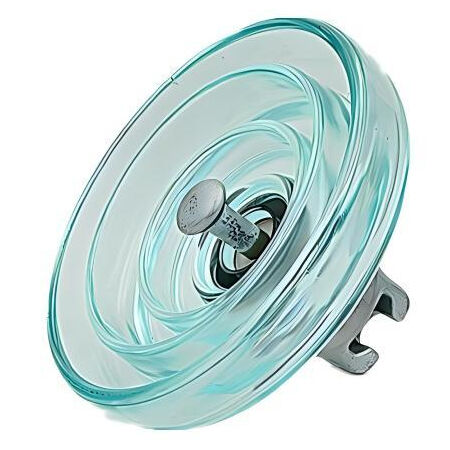
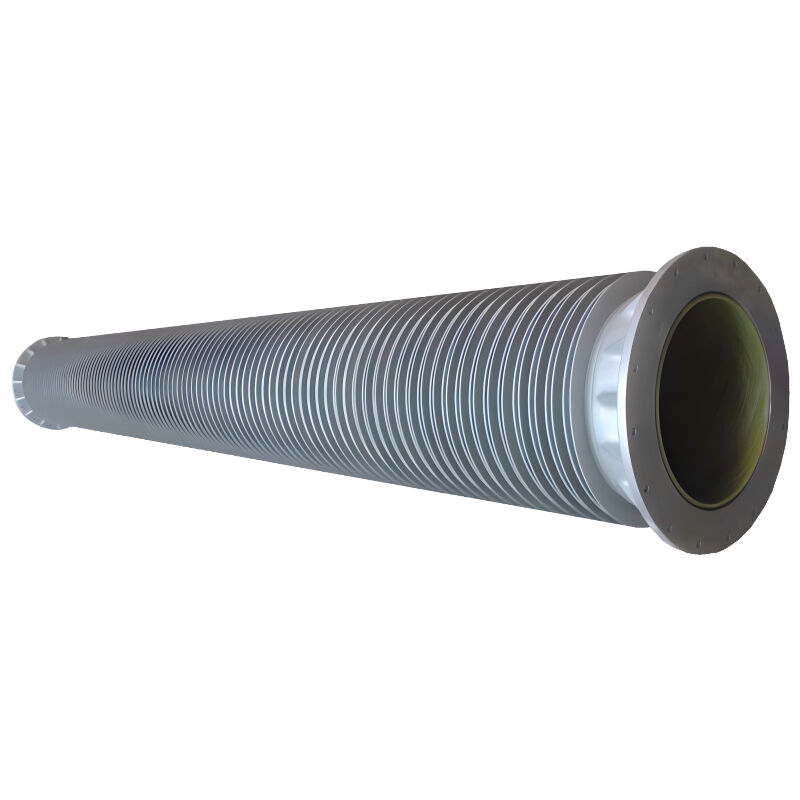
Composite insulator material represents a revolutionary advancement in electrical transmission and distribution systems, combining the superior mechanical properties of fiberglass reinforced plastic cores with the exceptional electrical performance of silicone rubber housing. This innovative composite insulator material serves as a critical component in power grid infrastructure, designed to support and isolate electrical conductors while withstanding extreme environmental conditions and electrical stresses. The primary function of composite insulator material centers on preventing electrical current from flowing between conductors and grounded structures, ensuring safe and reliable power transmission across vast distances. The technological foundation of composite insulator material relies on a sophisticated multi-layer construction that integrates a high-strength fiberglass core rod with weather-resistant silicone rubber sheds and housing. This unique composition enables the composite insulator material to deliver outstanding performance in both mechanical support and electrical isolation applications. The fiberglass core provides exceptional tensile strength and dimensional stability, while the silicone rubber exterior offers superior hydrophobic properties and resistance to environmental degradation. Modern composite insulator material incorporates advanced manufacturing techniques that ensure consistent quality and performance standards across diverse operating conditions. The material exhibits remarkable resistance to tracking, erosion, and flashover, making it ideal for high-voltage applications where traditional ceramic or porcelain insulators may fail. Applications of composite insulator material span across transmission lines, distribution networks, substations, and renewable energy installations, where reliability and longevity are paramount. The lightweight nature of composite insulator material significantly reduces mechanical loading on supporting structures while maintaining superior electrical performance characteristics that exceed industry standards for safety and efficiency.

New Products

The composite insulator material offers substantial cost savings throughout its operational lifecycle, eliminating frequent replacement expenses associated with traditional ceramic insulators that often crack or shatter under thermal cycling and mechanical stress. Installation teams benefit from the lightweight design of composite insulator material, which reduces transportation costs and simplifies mounting procedures, allowing for faster project completion and reduced labor requirements. The exceptional durability of composite insulator material translates into extended service life, often exceeding 30 years under normal operating conditions, providing utilities with reliable performance and predictable maintenance schedules. Weather resistance stands as a key advantage of composite insulator material, with silicone rubber housing that maintains its hydrophobic properties even after prolonged exposure to UV radiation, acid rain, and industrial pollutants. This consistent hydrophobicity ensures that water droplets bead and roll off the surface rather than forming conductive films that could lead to flashover events. The composite insulator material demonstrates superior performance in contaminated environments, where salt deposits and industrial pollutants would typically cause premature failure in traditional insulator technologies. Mechanical strength represents another significant benefit, as the fiberglass core of composite insulator material provides exceptional tensile strength while remaining flexible enough to withstand wind loading and conductor movement without developing stress fractures. The non-brittle nature of composite insulator material eliminates the risk of catastrophic failure from impact damage or thermal shock, ensuring continued operation even after experiencing extreme weather events. Maintenance requirements for composite insulator material are minimal compared to conventional alternatives, reducing operational costs and improving system reliability. The smooth surface profile and self-cleaning properties of composite insulator material prevent the accumulation of contaminants that typically require regular washing or replacement in traditional insulator systems. Environmental benefits include reduced manufacturing energy consumption and lower transportation emissions due to the lightweight construction, supporting sustainability initiatives while delivering superior electrical performance. The composite insulator material also provides excellent electromagnetic compatibility, producing minimal radio interference and maintaining stable electrical characteristics across a wide range of operating frequencies and environmental conditions.

Latest News

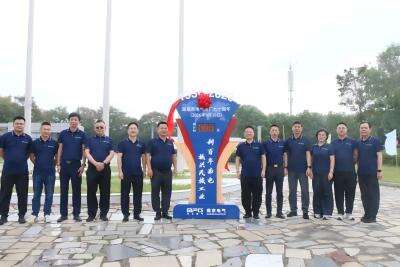
Nanjing Electric Holds Grand 89th Anniversary Celebration

26

Jan

Nanjing Electric Holds Grand 89th Anniversary Celebration

View More
Setting Sail for the World  From Export to Global Expansion, Baiyun Electric Accelerates Its Internationalization

26

Nov

Setting Sail for the World From Export to Global Expansion, Baiyun Electric Accelerates Its Internationalization

View More
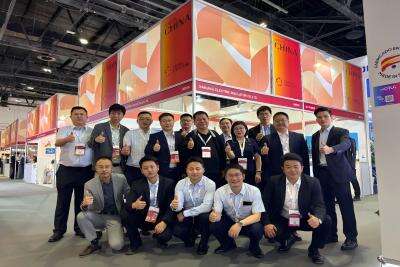
International Exhibition | Nanjing Electric Showcases at Middle East Energy 2025

26

Jan

International Exhibition | Nanjing Electric Showcases at Middle East Energy 2025

View More

Get a Free Quote

Our representative will contact you soon.
Email
Name
Company Name
Message
0/1000

composite insulator material

Advanced Hydrophobic Technology for Superior Electrical Performance

Advanced Hydrophobic Technology for Superior Electrical Performance

The composite insulator material incorporates cutting-edge hydrophobic technology that fundamentally transforms how insulators perform in challenging environmental conditions, delivering unprecedented reliability and safety for electrical transmission systems. This advanced hydrophobic surface treatment penetrates throughout the silicone rubber housing of the composite insulator material, creating a permanent water-repelling barrier that maintains its effectiveness throughout the entire service life of the component. Unlike traditional ceramic insulators that rely on surface glazes or coatings that can wear away over time, the hydrophobic properties of composite insulator material are inherent to the material structure itself, ensuring consistent performance regardless of weathering or environmental exposure. The molecular structure of the silicone rubber used in composite insulator material creates natural hydrophobic characteristics that cause water droplets to form discrete beads rather than continuous films, preventing the formation of conductive paths that could lead to flashover or tracking failure. This technology proves particularly valuable in coastal environments where salt spray and high humidity create challenging conditions for traditional insulator materials. The composite insulator material maintains its hydrophobic properties even after exposure to acid rain, industrial pollutants, and UV radiation that would typically degrade conventional insulator surfaces. Field studies demonstrate that composite insulator material with advanced hydrophobic technology continues to shed water effectively after decades of service, maintaining electrical performance standards that exceed initial specifications. The self-cleaning action of the hydrophobic surface reduces maintenance requirements and extends service intervals, providing utilities with reduced operational costs and improved system reliability. This technology enables composite insulator material to operate effectively in heavily contaminated environments where traditional insulators would require frequent cleaning or premature replacement, making it an ideal solution for industrial areas and urban environments with high pollution levels.
Lightweight Design with Exceptional Mechanical Strength

Lightweight Design with Exceptional Mechanical Strength

The innovative engineering of composite insulator material achieves an optimal balance between lightweight construction and exceptional mechanical performance, revolutionizing installation practices and structural requirements for electrical transmission infrastructure. Traditional ceramic and porcelain insulators create significant mechanical loading on support structures due to their inherent weight and brittleness, requiring robust mounting systems and frequent structural reinforcement that increases project costs and complexity. The composite insulator material weighs approximately 85% less than equivalent ceramic units while delivering superior mechanical strength characteristics that exceed industry standards for tensile loading, bending moments, and impact resistance. This remarkable weight reduction of composite insulator material enables utilities to utilize lighter support structures, reduce foundation requirements, and simplify transportation logistics without compromising system reliability or safety margins. The fiberglass reinforced core of composite insulator material provides exceptional tensile strength that surpasses steel in strength-to-weight ratio, ensuring reliable performance under extreme wind loading and conductor tension conditions. The flexible nature of composite insulator material allows it to absorb shock loads and dynamic stresses that would cause catastrophic failure in brittle ceramic alternatives, providing enhanced system resilience during severe weather events or seismic activity. Installation crews appreciate the handling advantages of composite insulator material, which eliminates the risk of breakage during transportation and mounting procedures that commonly affect ceramic insulators. The lightweight design reduces crane capacity requirements and enables faster installation procedures, resulting in reduced project timelines and lower labor costs for utility companies. Quality control testing demonstrates that composite insulator material maintains consistent mechanical properties throughout production runs, eliminating the variability issues associated with ceramic manufacturing processes. The impact resistance of composite insulator material protects against damage from debris impacts, vandalism, and maintenance activities that could compromise system integrity, providing utilities with enhanced operational security and reduced emergency repair costs.

Extended Service Life with Minimal Maintenance Requirements

Extended Service Life with Minimal Maintenance Requirements

The composite insulator material delivers exceptional longevity and reliability through advanced material science that addresses the primary failure modes affecting traditional insulator technologies, providing utilities with predictable performance and reduced lifecycle costs over extended operating periods. Extensive accelerated aging studies and field performance data confirm that composite insulator material maintains electrical and mechanical performance characteristics for service lives exceeding 40 years under normal operating conditions, significantly outperforming ceramic and porcelain alternatives that typically require replacement every 15-20 years due to mechanical failure or electrical degradation. The non-porous structure of composite insulator material prevents moisture ingress and contamination accumulation that leads to tracking and erosion failures common in traditional insulator designs. Unlike ceramic insulators that develop micro-cracks from thermal cycling and mechanical stress, the flexible nature of composite insulator material accommodates thermal expansion and conductor movement without developing structural weaknesses that could lead to premature failure. The silicone rubber housing of composite insulator material exhibits remarkable resistance to UV degradation, ozone exposure, and chemical attack from industrial pollutants, maintaining surface integrity and electrical properties throughout decades of environmental exposure. Field maintenance programs report significantly reduced inspection requirements for composite insulator material installations, as the non-brittle construction eliminates the need for detailed crack detection procedures required for ceramic units. The self-healing properties of silicone rubber allow composite insulator material to recover from minor surface damage and contamination events that would permanently compromise traditional insulator performance. Cleaning procedures for composite insulator material are simplified due to the smooth surface profile and natural shedding characteristics that prevent heavy contamination buildup. Replacement scheduling becomes more predictable with composite insulator material due to gradual performance degradation patterns rather than the sudden failure modes characteristic of ceramic insulators. The extended service life of composite insulator material reduces the frequency of line outages required for maintenance activities, improving system availability and customer satisfaction while reducing operational costs associated with replacement parts, labor, and equipment mobilization.

Get a Free Quote

Our representative will contact you soon.
Email
Name
Company Name
Message
0/1000
Newsletter
Please Leave A Message With Us