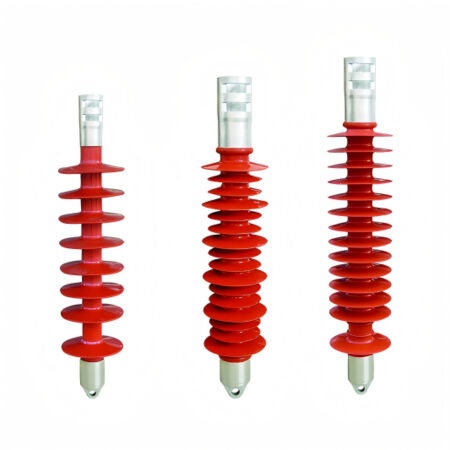
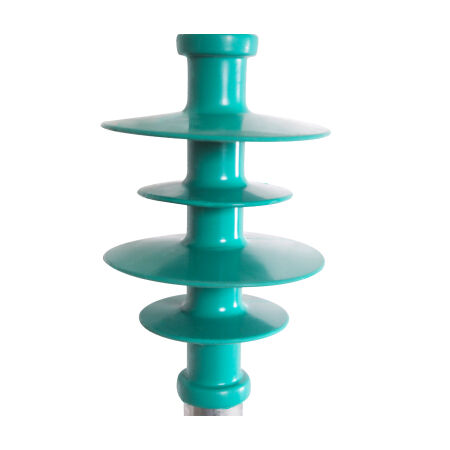
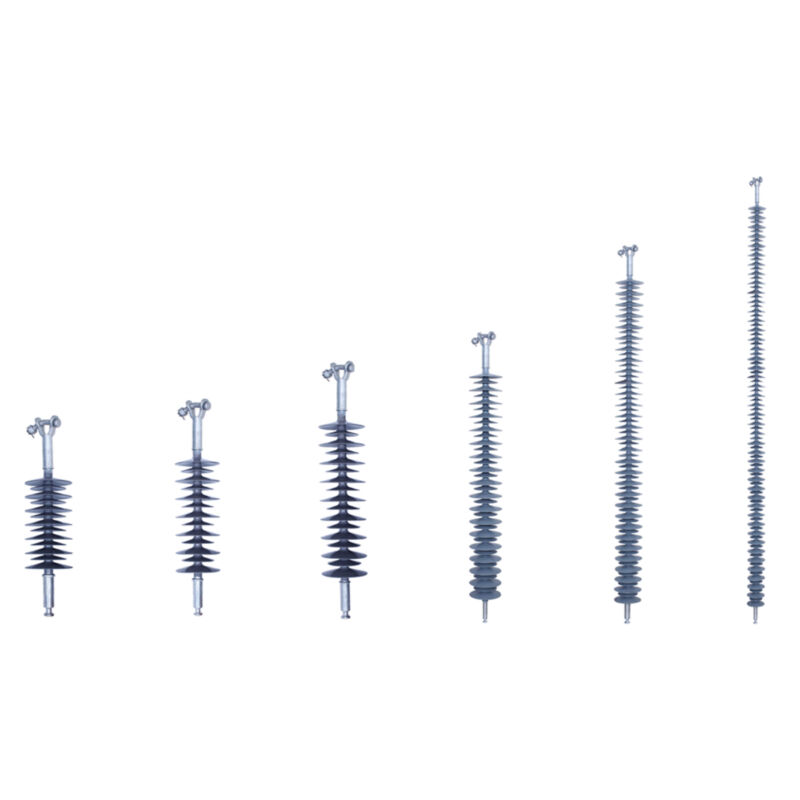
composite line post insulator
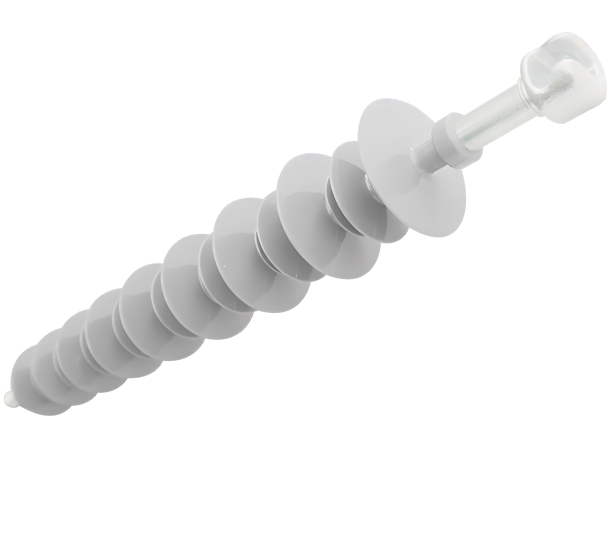
The composite line post insulator represents a revolutionary advancement in electrical transmission and distribution infrastructure, serving as a critical component that ensures reliable power delivery while maintaining superior performance standards. This innovative insulator combines advanced polymer materials with fiberglass reinforced plastic cores to create a robust solution for supporting overhead power lines and maintaining electrical isolation between conductors and grounded structures. The composite line post insulator functions primarily as a mechanical support system while providing essential electrical insulation properties that prevent unwanted current flow to earth or between different voltage phases. Its design incorporates weather-resistant housing materials that withstand extreme environmental conditions including UV radiation, temperature fluctuations, pollution, and moisture exposure. The technological foundation of these insulators relies on silicone rubber or EPDM polymer materials that offer exceptional tracking and erosion resistance compared to traditional porcelain or glass alternatives. The internal structure features a fiberglass rod core that provides mechanical strength while maintaining lightweight characteristics, making installation and maintenance procedures significantly more manageable. Modern composite line post insulator designs integrate advanced manufacturing techniques that ensure consistent quality and performance across various voltage ratings and environmental applications. These insulators excel in contaminated environments where conventional ceramic insulators might fail due to pollution flashover, making them particularly valuable in coastal, industrial, or desert regions. The hydrophobic surface properties of composite materials naturally repel water and contaminants, reducing the likelihood of electrical tracking and maintaining insulation integrity over extended service periods. Installation flexibility represents another key aspect, as these insulators can accommodate various mounting configurations and conductor arrangements while providing reliable mechanical support for transmission and distribution lines.
 ×
×



 EN
EN